
Whale Watching Waikiki: Where to Sit for Clear Views
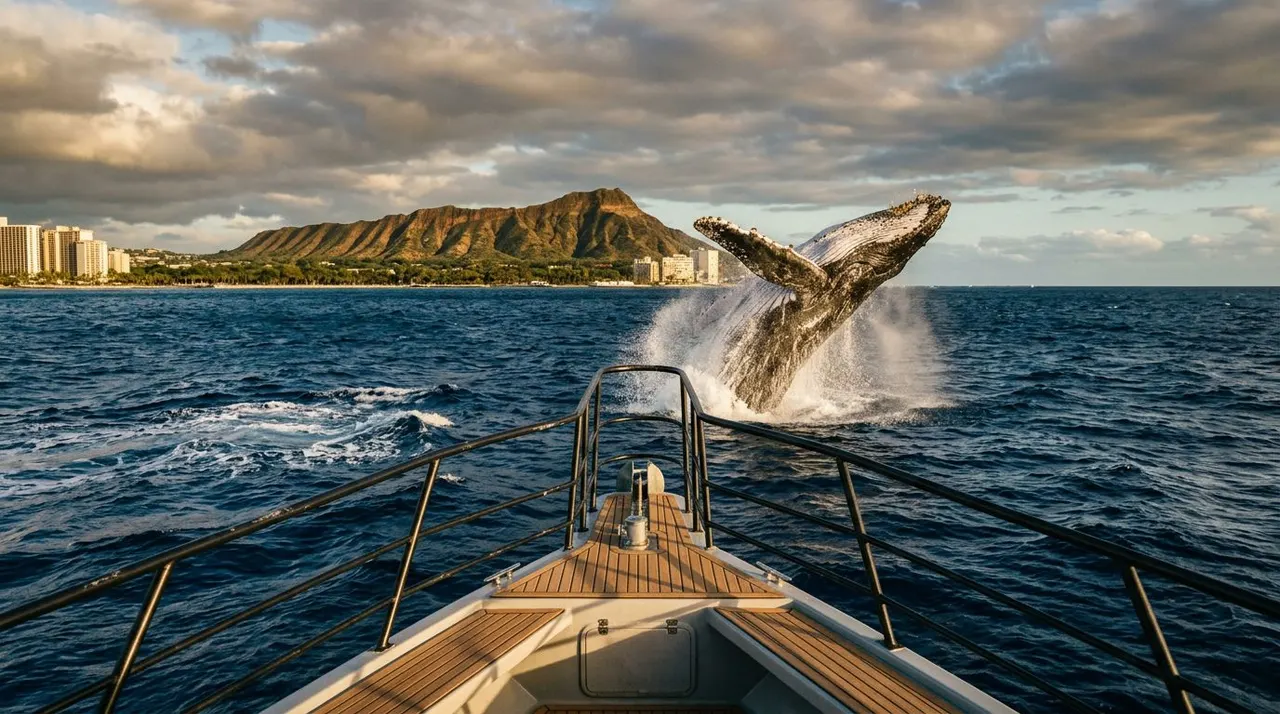
When whale watching Waikiki is on your Oahu plan, the right seat can matter almost as much as the season. Clear views come from open sightlines, a comfortable boat, and enough room to scan the horizon before a humpback surfaces.
Living Ocean Tours departs from Kewalo Basin Boat Harbor, minutes from Waikiki Beach, so you can reach open water without a long transfer. For the 2026 to 2027 season, use these seat and planning tips to choose a whale cruise that fits your comfort, camera, and family.
When whale watching Waikiki has the clearest odds
Humpback whales visit Hawaii’s warm, shallow waters to mate, give birth, and raise their young. Their movements are unpredictable, so no captain can promise a breach at a particular location. Still, the season and departure point can improve your opportunity for a sighting.
Plan around the peak months
NOAA describes Hawaiian humpback season as November through May, with the usual peak from January through March. January and February are strong choices when you want the best seasonal odds, while late fall and spring can still bring memorable encounters.
For the upcoming season, check the operating calendar instead of assuming whale trips run year-round. Living Ocean Tours offers seasonal whale watching along the Waikiki coast. You can view its Waikiki whale watching tours and choose a departure that fits your vacation schedule.
The Hawaiian Islands Humpback Whale National Marine Sanctuary confirms that visitors can see whales from shore and at sea during the season. You don’t need a perfect forecast or a distant island base to enjoy the experience.
Understand the Waikiki departure area
Waikiki is your convenient starting point, but whales may surface well beyond the hotel shoreline. Boats leave the urban coast and search offshore waters around Oahu, where wind, swell, light, and whale behavior shape each outing.
Kewalo Basin is practical for visitors staying in Waikiki. You can reach the harbor in a short drive, board near the center of Honolulu’s ocean activity, and get onto the water without spending hours in transit. That extra time on the ocean gives your crew more opportunity to scan.
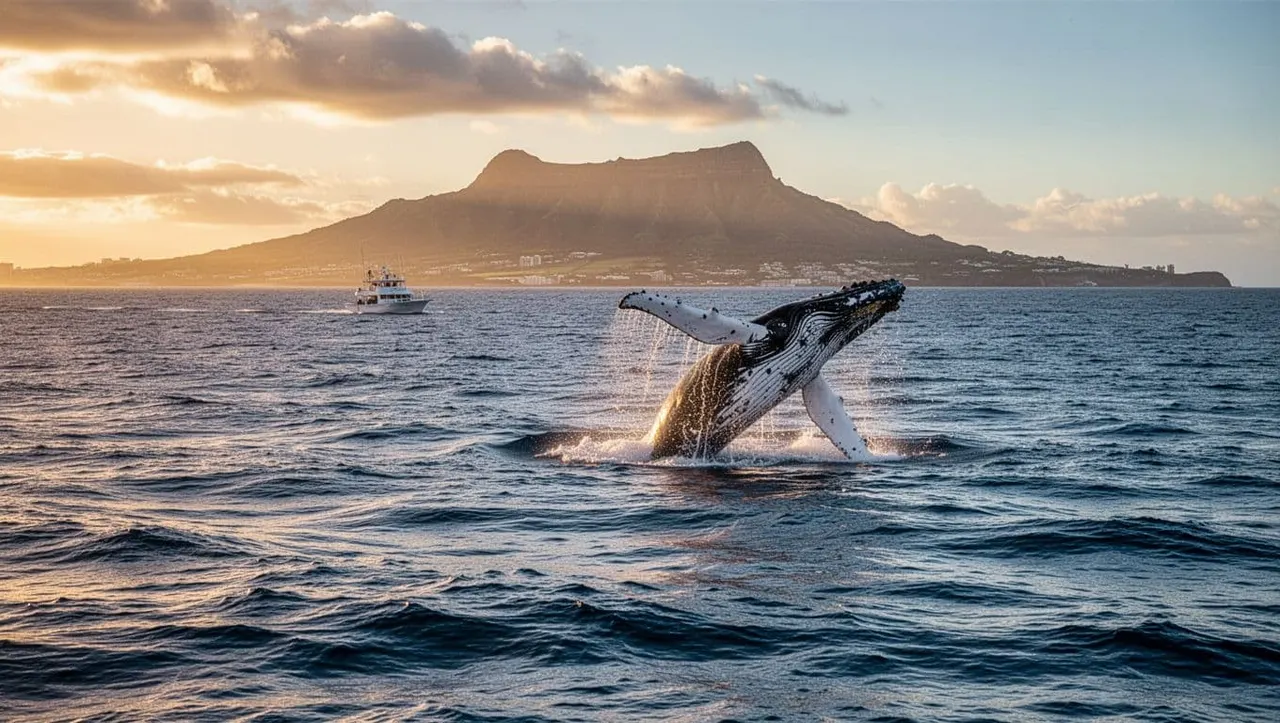
How to choose seats for whale watching Waikiki
The best seat gives you a broad view of the water. Since a humpback can appear on either side of the boat, a wide sightline is more useful than a position aimed at one landmark.
Choose the open upper deck for visibility
An upper-deck seat places you above many passengers, rails, and parts of the boat structure. You can scan the horizon, watch the crew’s direction, and follow a distant blow without standing or moving through the cabin.
Sit near an open side rail, but leave enough space to turn comfortably. A forward-facing position may feel exciting, yet a side seat can help you spot a whale that surfaces beside the boat. Avoid areas directly behind a tall console, canopy post, or crowded stairway.
Keep your camera ready, but don’t stare at the screen. Your eyes will usually find a blow faster than your phone camera. Once you locate the whale, you can frame the shot and capture the moment.
Pick a flexible viewing position
Whales surface unpredictably. Ask the crew where you can move safely before the search begins. If the vessel has open deck space, shifting from one side to the other may help you follow activity without crowding the rail.
Families should choose a place where adults can see children and the water at the same time. Keep small hands away from rails, and follow crew instructions if the boat changes course. Couples can sit together on the open deck, then take turns watching opposite sides.
The ideal whale-watching seat lets you scan the horizon instead of pointing you toward one fixed landmark.
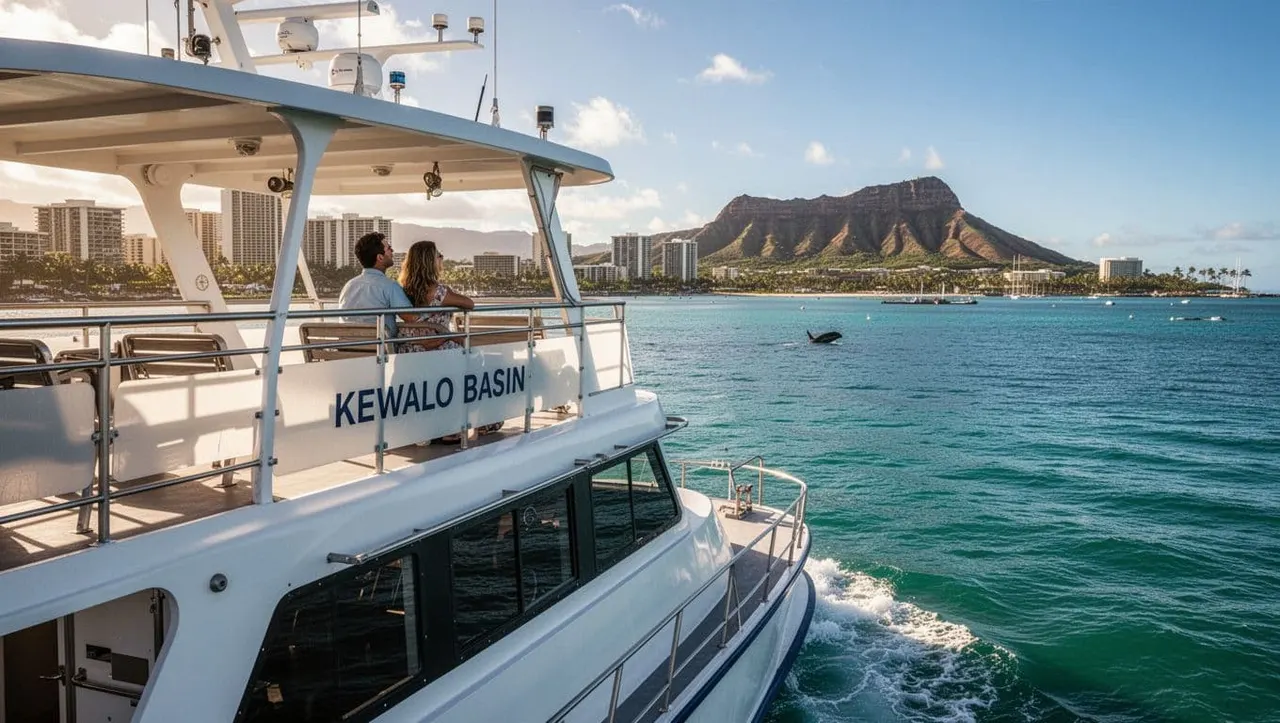
Balance visibility with a comfortable ride
A clear view helps only if you can stay outside and enjoy the trip. Wind usually feels stronger on the upper deck, and motion can feel more noticeable near the bow or outer corners. Choose your seat based on both visibility and comfort.
Use the upper deck when sightlines come first
Choose the upper level if you want sunlight, fresh air, and fewer visual obstructions. Bring a light layer because winter trade winds can feel cool on the water, even when Waikiki feels warm. Sunglasses with a retaining strap help with glare, and a secure hat protects you without becoming a distraction.
Living Ocean Tours operates Coast Guard-inspected, custom-built double-decker vessels, the Coral Kai and the Lokahi. Coral Kai offers expansive open-deck space. Lokahi includes shaded seating, a cash bar, and a state-of-the-art SeaKeeper stabilization system that reduces rolling.
Move lower and central if you feel motion
The lower deck near the middle of the boat generally feels steadier than the bow or upper corners. Choose this area if you are prone to seasickness, then step outside when conditions feel comfortable.
Keep your eyes on the horizon, avoid a heavy meal before departure, and follow your doctor’s advice about motion-sickness medication. You won’t lose the experience by choosing comfort. A stable seat helps you remain alert, listen for crew updates, and enjoy the sightings without rushing inside.
Prepare for better sightings and photos
Good viewing starts before departure. A few simple choices can affect how long you stay comfortable and how quickly you respond when the crew spots a blow.
Choose conditions over a guaranteed angle
No departure time guarantees a breach. Ask about the day’s wind and swell, then choose a trip that gives you enough time on the water. If your schedule allows, book early in your vacation. You may have room to reschedule if weather affects the outing or if you want another chance after a brief encounter.
Arrive with time to spare. Kewalo Basin is close to Waikiki, but traffic, hotel pickups, and parking can still slow you down. A calm arrival lets you board, find a good seat, and listen to the safety briefing.
Pack for glare and wind
Bring reef-safe sun protection, water, sunglasses, a light jacket, and a camera strap. Binoculars can help you distinguish a blow or fin at a distance, although the crew’s experience remains more useful than expensive gear.
Keep your expectations realistic. Some trips bring repeated breaches, while others offer blows, backs, tails, or a mother and calf at a distance. Each sighting matters because wild whales choose the timing, distance, and direction.
Why Living Ocean Tours fits a Waikiki whale trip
Living Ocean Tours operates from Kewalo Basin Boat Harbor, just minutes from Waikiki Beach. Its vessels include open viewing areas, shaded seating, onboard restrooms, dry storage, and heavy-duty ladders for safe water entry on trips that include time in the ocean.
The crew can help you choose a viewing position, explain what to look for, and make the trip comfortable for first-time boat guests. Living Ocean Tours is the only tour company with professional snorkel guides, giving you knowledgeable water guidance if you add a reef excursion to your vacation.
The company also follows an eco-conscious approach centered on observing, not touching. You can enjoy a close-feeling encounter while the crew respects the whale’s space and natural behavior. Review current departure dates and check availability for Waikiki whale watching.
Follow responsible whale-watching rules
NOAA’s boating guide for humpback season states that you must stay at least 100 yards from a humpback whale. The rule applies to boats, kayaks, paddleboards, swimmers, drones, and other methods of approach.
A responsible vessel won’t chase, surround, block, or separate a mother and calf. Your captain may slow down or change direction when a whale approaches the boat. Those decisions protect the animal and keep the encounter within federal guidelines.
Let the crew control the approach
When a whale surfaces, remain seated or stay inside the designated viewing area until the crew gives different instructions. Don’t ask the captain to move closer. The best viewing position allows the whale to choose its path without pressure from the boat.
Use your camera’s zoom rather than stepping toward the rail. Keep voices low when the vessel is near wildlife, and never toss food or objects into the water. If you see an injured or entangled whale, tell the crew instead of attempting a rescue.
Treat distance as part of the experience
At 100 yards, you may still see a blow, back, tail fluke, or breach clearly, especially from an open upper deck in good light. The Sanctuary Ocean Count program records sightings from shore, showing that meaningful whale watching doesn’t require a close approach.
Conclusion
The clearest whale view from Waikiki comes from good timing, open sightlines, and a comfortable boat. Choose peak season, sit where you can scan both sides, and move lower or central if motion affects you.
Living Ocean Tours gives you a convenient Kewalo Basin departure, professional guidance, and stabilized-vessel comfort while the crew keeps wildlife at a respectful distance. When you stop chasing the perfect breach and watch the whole horizon, the Pacific has room to surprise you.


