
Whale Watching Waikiki: Ask About Restrooms Before You Sail
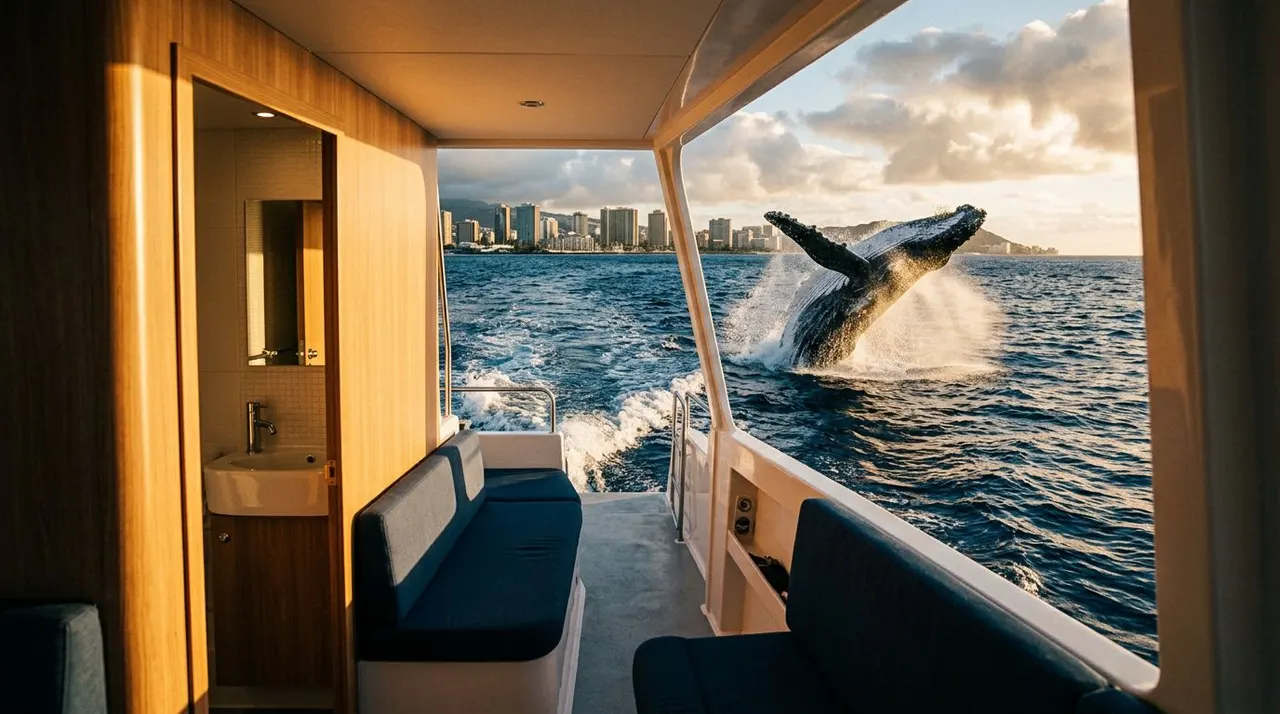
Living Ocean Tours departs from Kewalo Basin Boat Harbor, minutes from Waikiki Beach, for seasonal ocean adventures along Oahu’s south shore. If you’re planning whale watching Waikiki, an onboard restroom may seem like a small detail, but it can shape your entire experience.
Families with young children, older guests, pregnant travelers, and anyone prone to motion sickness should ask clear restroom questions before booking. A few direct answers can help you choose a boat that feels comfortable well after you leave the harbor.
Why Restrooms Matter on a Waikiki Whale Cruise
Humpback whales visit Hawaiian waters during the winter season. Living Ocean Tours offers seasonal whale-watching trips from January through March, when you may see whales surface, breach, slap their tails, or raise their flukes before diving.
The excitement can make you forget practical details. However, once you’re offshore, returning to the dock isn’t an easy option. You need to know whether the vessel has a private restroom, where it’s located, and whether you can use it while the boat is underway.
The Hawaiian Islands Humpback Whale National Marine Sanctuary protects important whale habitat around the islands. Its scientists study migration patterns, population trends, and environmental pressures. That research also reminds you that whale watching is a wildlife experience, not a guaranteed performance.
A restroom helps you stay relaxed while you wait for natural sightings. You won’t need to cut your viewing short because a child needs to go ashore. You can also enjoy the trip without worrying about finding a bathroom after the boat reaches open water.
A restroom question is also a comfort question. The answer tells you how thoughtfully the operator plans for guests once the boat leaves the harbor.
Whale Watching Waikiki: Questions to Ask Before Booking
Tour pages often mention seating, wildlife, and departure times first. Restroom details may appear lower on the page or not appear at all. Ask these questions before you reserve your seats:
- Is the restroom onboard for the entire trip? Confirm that the bathroom stays available after departure. A harbor restroom doesn’t solve the problem once you’re offshore.
- Where is the restroom located? Ask whether you need to use stairs, cross an open deck, or pass through a narrow passage. The answer matters if you travel with a stroller, use mobility equipment, or have difficulty walking on a moving boat.
- Can you use it while the vessel is underway? Some operators may ask guests to wait during rough conditions, docking, or other boat maneuvers. Find out how the crew handles those moments.
- Is it private and enclosed? A properly enclosed space gives you more confidence, especially when you’re traveling with children or managing a medical need.
- How does the marine toilet work? Boat toilets often have different flushing systems than land-based bathrooms. Ask what may be flushed and whether you should bring disposal bags for personal items.
- Are there handrails near the entrance? A steady handhold makes a major difference when the boat moves. You should also ask whether the route has adequate lighting.
- Can the crew discuss accessibility before departure? Share your needs during booking rather than waiting until boarding. Crew members can explain the vessel layout and any limits that affect your visit.
These questions take less than a minute to ask. They also help you compare operators based on facts instead of guessing from a few photos.
Ask About Cleanliness, Privacy, and Family Use
A restroom can be onboard and still differ greatly in comfort. Ask how often the crew checks it during the trip and whether supplies such as toilet paper, soap, and hand sanitizer are available.
You should also ask about waste rules. Marine toilets require careful use because inappropriate items can damage the system or create a service problem. Follow the crew’s instructions, and never flush wipes, wrappers, or other items unless the operator clearly allows them.
Families should ask one additional question: Is there a changing area for babies or young children? Many boat restrooms are compact and may not include a changing table. Knowing that before boarding helps you plan clothing, diapers, and timing.
Privacy matters for more than children. If you have a condition that requires medication, frequent restroom access, or extra time, tell the booking team privately. You don’t need to explain personal details to the entire crew, but you should give the operator enough information to respond safely.
The best answer is clear and practical. You should know where to go, what to expect, and which crew member to approach if you need help.
Boat Design Affects Restroom Comfort
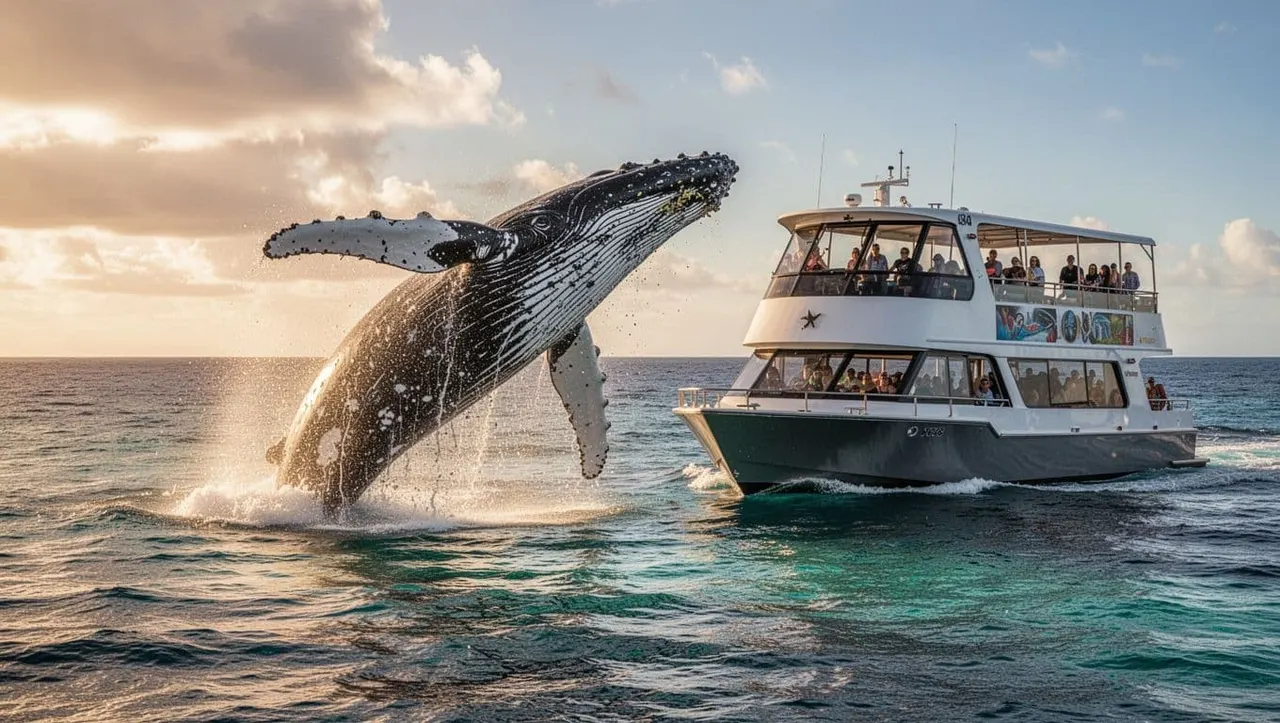
A stable boat makes every onboard task easier, including walking to the restroom. Living Ocean Tours operates Coast Guard-inspected, custom-built double-decker vessels called the Coral Kai and Lokahi. Both include shaded seating, dry storage, heavy-duty ladders, and onboard restrooms.
The Lokahi also features a SeaKeeper vessel stabilization system. This anti-roll technology helps reduce side-to-side movement, which can make the ride more comfortable for guests who worry about seasickness. No stabilization system can remove every effect of wind or waves, so you should still follow the crew’s advice.
Choose your seat with comfort in mind. A position near the center of the vessel usually produces less movement than the far ends. Keep one hand free when walking, use railings, and wait for a calm moment before crossing the deck.
If you feel nauseated, tell a crew member early. Waiting until you feel severely sick can make recovery harder. Fresh air, a fixed view of the horizon, and a stable seated position may help, but follow the instructions given by your boat crew.
What Living Ocean Tours Offers Aboard
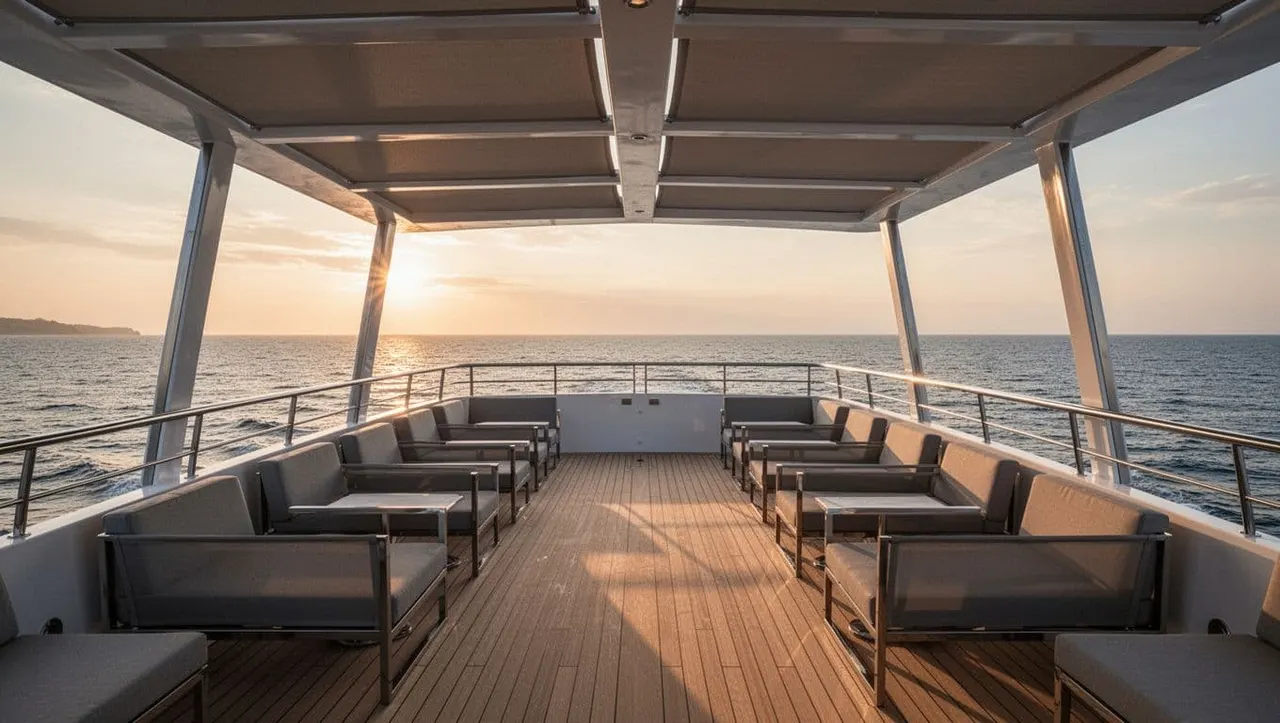
Living Ocean Tours leaves from Kewalo Basin Boat Harbor, a convenient location for Waikiki visitors. Its vessels provide shade, open-deck viewing, dry storage, heavy-duty ladders, and onboard restrooms, so you can focus on the ocean instead of searching for facilities.
The Coral Kai offers expansive open-deck space for whale viewing. The Lokahi adds a cash bar, upper-deck waterslide, and SeaKeeper stabilization. Both boats give you access to a crew that can explain safety procedures, boarding details, and restroom locations before the trip begins.
For guests who want to pair wildlife viewing with time in the water, Living Ocean Tours is the only tour company with professional snorkel guides. Its crew also helps first-time snorkelers and families understand safe water entry and respectful wildlife practices.
The company’s Honolulu ocean tours include marine experiences along the Waikiki coastline. During a whale-watching trip, your guide can help you watch from a respectful distance and avoid disturbing the animals. Never touch, feed, or chase marine wildlife. Keep your attention on the ocean, follow crew directions, and let the whales control the encounter.
NOAA’s Office of National Marine Sanctuaries reports that as many as 12,000 humpback whales return to Hawaiian waters each winter, including more than half of the North Pacific population. You can read the NOAA whale migration update for more information about this seasonal return.
Plan Your Restroom Break Before Boarding
Use the restroom at Kewalo Basin Boat Harbor before you board, even when your boat has an onboard facility. This gives you a comfortable starting point and reduces pressure during the first part of the trip.
Arrive with enough time to check in, listen to the safety briefing, and ask where the restroom is located. If you have a young child, show them the route before the boat gets busy.
Limit heavy meals before departure, and bring water without overhydrating. Wear secure footwear and clothing that lets you move easily. If you take motion-sickness medication, follow medical guidance and take it before symptoms begin.
Most importantly, tell the crew about concerns that could affect your comfort. A professional team can explain the layout, recommend seating, and help you move safely without drawing unwanted attention.
Conclusion
A restroom can make the difference between watching whales with ease and spending the trip worrying about basic needs. Before booking whale watching Waikiki, ask whether the bathroom is onboard, private, accessible, clean, and usable while underway.
Living Ocean Tours combines onboard restrooms with shaded seating, stable custom vessels, and guidance from a professional crew. Once you know what to ask, you can choose your seat, prepare your family, and enjoy Hawaii’s winter whale visitors with greater peace of mind.


