
Whale Watching Oahu Cost Guide for Waikiki Visitors in 2026
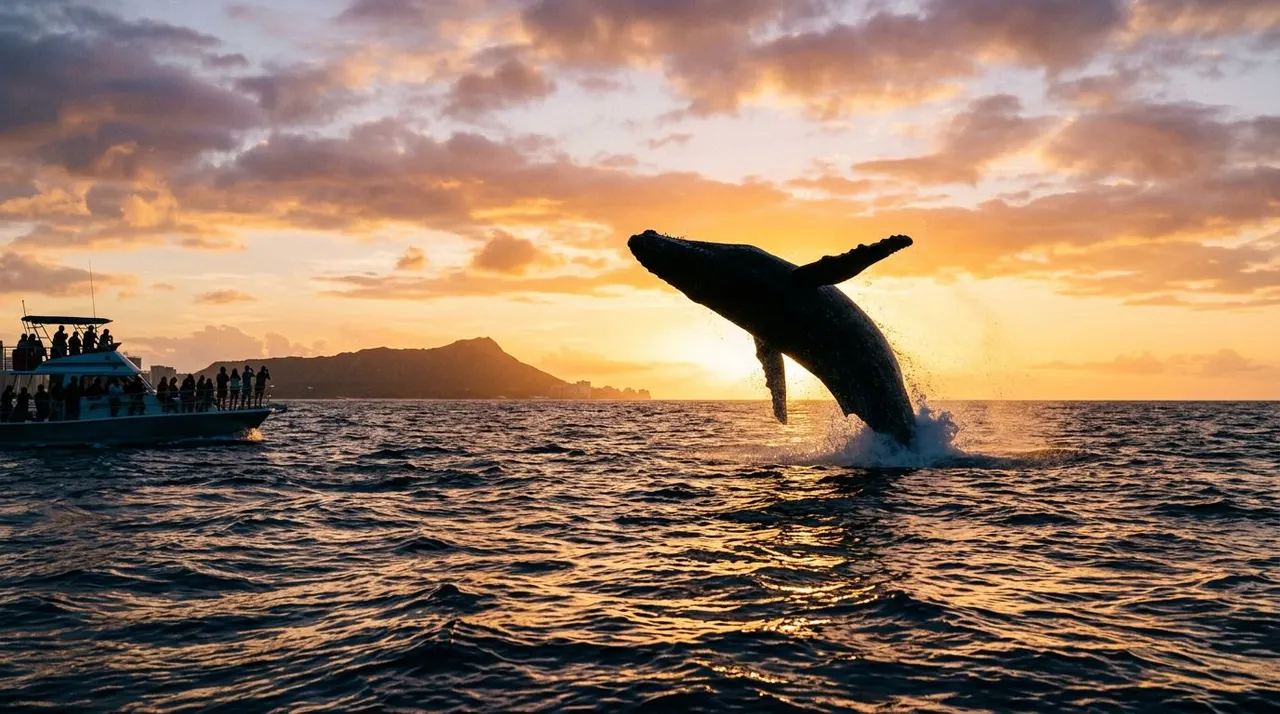
If you’re checking whale watching Oahu cost for 2026, the short answer is simple: most Waikiki trips land around $90 to $100 per person.
That range can still feel messy when you are comparing boat size, trip length, and extras at the same time. A cheap fare can leave out comfort, while a higher price may buy you a steadier ride and a better day on the water.
What whale watching costs on Oahu in 2026
Recent Waikiki listings show a clear pattern. Budget trips can start near $49, standard options often sit close to $90 to $100, and premium cruises can reach $119 and up.
Here is the easiest way to read the market:
| Price tier | Typical per-person cost | What you usually get | Best for |
|---|---|---|---|
| Budget | $49 to $75 | Shorter cruise, fewer extras, basic seating | Travelers who want the lowest entry price |
| Standard Waikiki range | $89.95 to $99.00 | Common whale watch duration and a normal onboard setup | Most first-time visitors |
| Premium | $119+ | More comfort, more space, or added amenities | Families, couples, and motion-sensitive guests |
The middle range is where most Waikiki visitors end up. In other words, the sticker price alone does not tell you much. The real question is what that fare includes.
A trip at $94 may be a better buy than a $59 seat if the cheaper option leaves you cramped, rushed, or paying more later.
What makes the price change from boat to boat
Several things push the fare up or down, and they are easy to miss when you book in a hurry.
- Trip length matters. A shorter cruise usually costs less, while a longer outing gives you more time to watch the water.
- Boat comfort matters. Shade, restrooms, and open deck space can move the price upward.
- Group size matters. Smaller boats often cost more because you get more room and a quieter ride.
- Inclusions matter. Snacks, drinks, or extra onboard service can raise the total.
- Booking window matters. Peak travel dates can sell fast, so waiting too long can shrink your options.
If you are traveling with kids, comfort often beats a tiny discount. If you get seasick, boat stability matters even more. A lower fare is only a good deal when the boat still fits the way you like to travel.
The cheapest ticket is not always the best value if the boat feels crowded, rough, or stripped down.
Whale watching season and the best time to book
For Oahu, the main whale season runs from January through March. That is when visitors plan most of their trips, and it is when Waikiki prices are most likely to hold steady or rise.
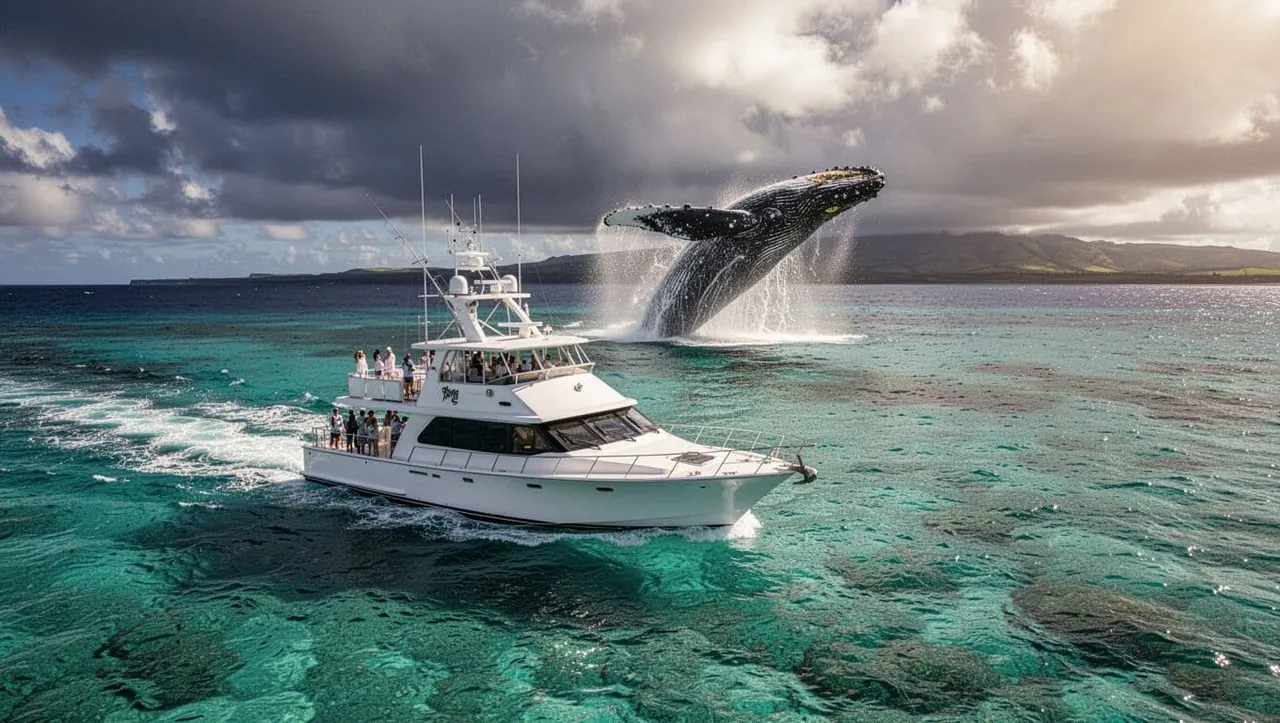
For a season-by-season look at timing, A Guide to Whale Watching in O’ahu lines up well with the January to March window.
If you visit outside peak months, prices may still look similar, but the pressure to book early is lower. During peak season, the boats with the best schedules and the most comfortable setups usually go first.
That is why your budget should include timing, not just ticket price. A trip that fits your travel dates can save you more stress than a small discount ever will.
When a low fare works, and when it does not
A lower price can make sense if you want a simple cruise and you are fine with basic amenities. It can also work if your schedule is flexible and you only care about getting out on the water.
The deal gets weaker when the base fare hides the real cost. Watch for the following:
- Harbor or tax fees that appear later.
- Limited shade on a hot day.
- Short trip times that leave you feeling rushed.
- Boats that feel too small for your group.
- No clear policy on what happens if conditions change.
You should also ask how the crew handles wildlife viewing. You are there to observe, not touch, and a good boat team keeps that boundary clear. That matters for both safety and respect for the whales.
If the total price stays fair and the boat matches your needs, a midrange cruise often gives you the best balance. It usually feels less stripped down than the cheapest option and less expensive than the premium tier.
Where Living Ocean Tours fits into the picture
Living Ocean Tours operates out of Kewalo Basin Boat Harbor, minutes from Waikiki Beach in Honolulu. If you want to compare whale watching with snorkeling, sunset cruises, and fireworks cruises, the Living Ocean Tours tours page puts the options in one place.
That matters if you are building a full vacation budget. You may want one whale trip, one snorkel day, and one sunset evening, instead of paying for several different operators with separate booking systems.
Living Ocean Tours also keeps the experience friendly for beginners and families. The company is the only tour company with professional snorkel guides, which matters if you want a crew with real in-water experience on top of boat knowledge. Its approach is also eco-conscious, so your time on the water stays focused on marine respect and safe viewing.
If you want a whale watch that feels comfortable and organized, that combination has real value. A steady boat, a clear crew, and a good harbor location can be worth more than shaving a few dollars off the fare.
A quick booking check can also help you see how the dates line up with your trip.
How to keep your whale watching budget in check
A little planning goes a long way, especially in peak season.
- Book early if you are traveling between January and March.
- Compare the final total, not just the headline fare.
- Pick a boat with shade and restrooms if comfort matters to you.
- Choose a trip length that fits your group’s energy level.
- Pay for stability if anyone in your party gets seasick.
If your goal is value, think about the whole experience, not just the cheapest number on the screen. A good whale watch should feel easy from boarding to return.
The same is true if you plan to mix whale watching with other ocean outings. One well-chosen cruise can make the rest of your trip feel better organized.
Conclusion
On Oahu, whale watching usually falls into a clear price band, and Waikiki visitors can use that range to their advantage. Most trips sit around $90 to $100 per person, while lower fares often trade away comfort or extras.
Once you compare what is included, the choice gets easier. The best value is the trip that fits your schedule, your group, and the way you want to spend time on the water.
If you keep the season in mind and book with a clear budget, you will spend less time guessing and more time watching the Pacific come alive.


