
Whale Watching Oahu Boat Size Guide For Smoother Winter Rides
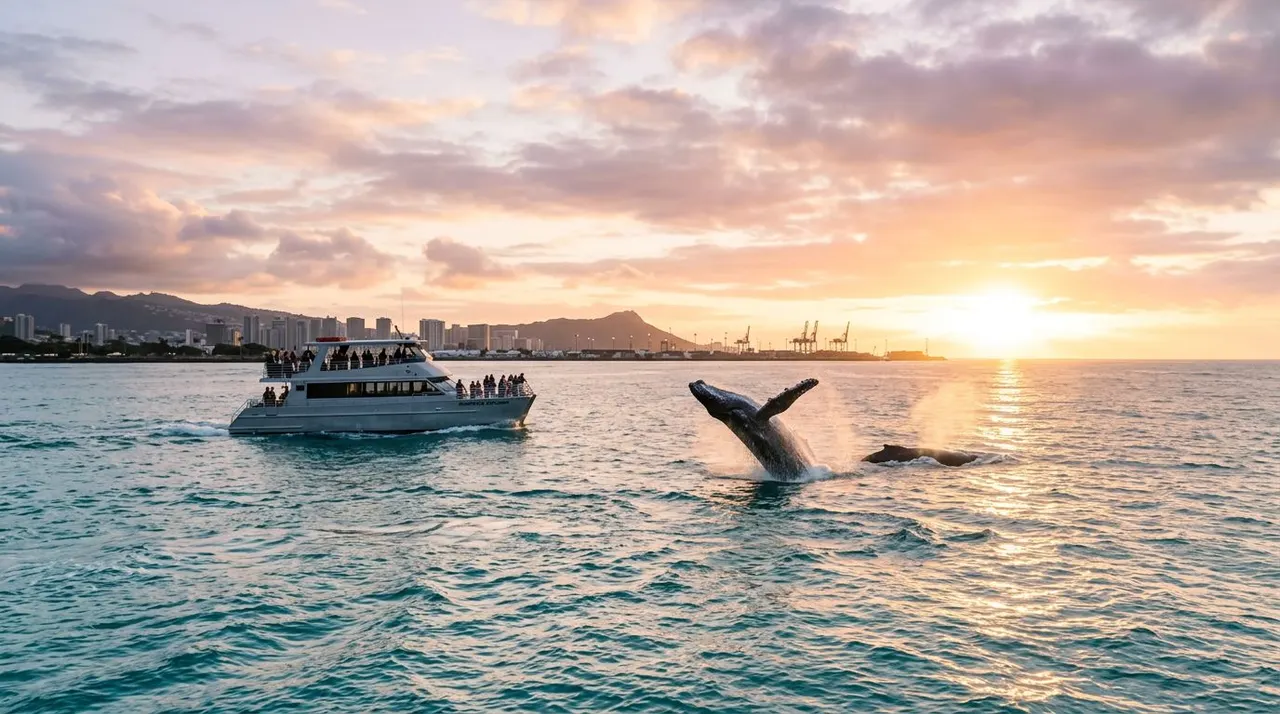
If you want a better winter whale trip, start with the boat, not the camera. On Oahu, humpbacks are the stars, but your comfort often comes down to size, stability, and layout.
Living Ocean Tours makes that easy to judge because you board near Waikiki at Kewalo Basin Boat Harbor, just minutes from the beach. You also get family-friendly departures, eco-conscious crew standards, and the only tour company with professional snorkel guides, a strong sign that guest support and ocean safety matter on every trip.
Why Oahu winter rides can feel rougher than you expect
Winter is whale season, but it’s also swell season. That means you may get amazing sightings and a bumpier ride on the same day.
When north swells show up, smaller boats react fast. You feel more pitching, more side-to-side roll, and more spray. A larger vessel usually softens those quick motions, so your ride feels steadier even when the ocean has some texture.
If you get motion sick easily, don’t choose by price alone. In winter, boat size often matters more than a small fare difference.
The time of day matters too. Earlier trips can feel calmer before winds build, while later departures may pick up more chop. Still, conditions change quickly, so no captain can promise flat water in winter.
What helps most is choosing a boat built for comfort. More beam, more weight, and more deck space usually translate to less sharp movement. That matters when you’re trying to spot a blow on the horizon instead of focusing on your stomach.
If you want a broad look at routes and season timing around the island, this Oahu whale tour overview gives helpful context. Once you understand the water, the boat choice starts to make a lot more sense.
How boat size changes your whale watching ride
A simple comparison can help you book with fewer surprises.
| Boat size | Ride feel in winter | Best for | Main tradeoff |
|---|---|---|---|
| Small boat | Fast, splashy, more bounce | Speed and intimacy | Rougher for sensitive riders |
| Mid-size boat | Better balance, still active | Couples and light adventurers | Can still roll in chop |
| Large double-decker boat | Smoother, roomier, more stable | Families, first-timers, seasick travelers | Less “close to the water” feel |
The short version is clear: bigger usually feels smoother.
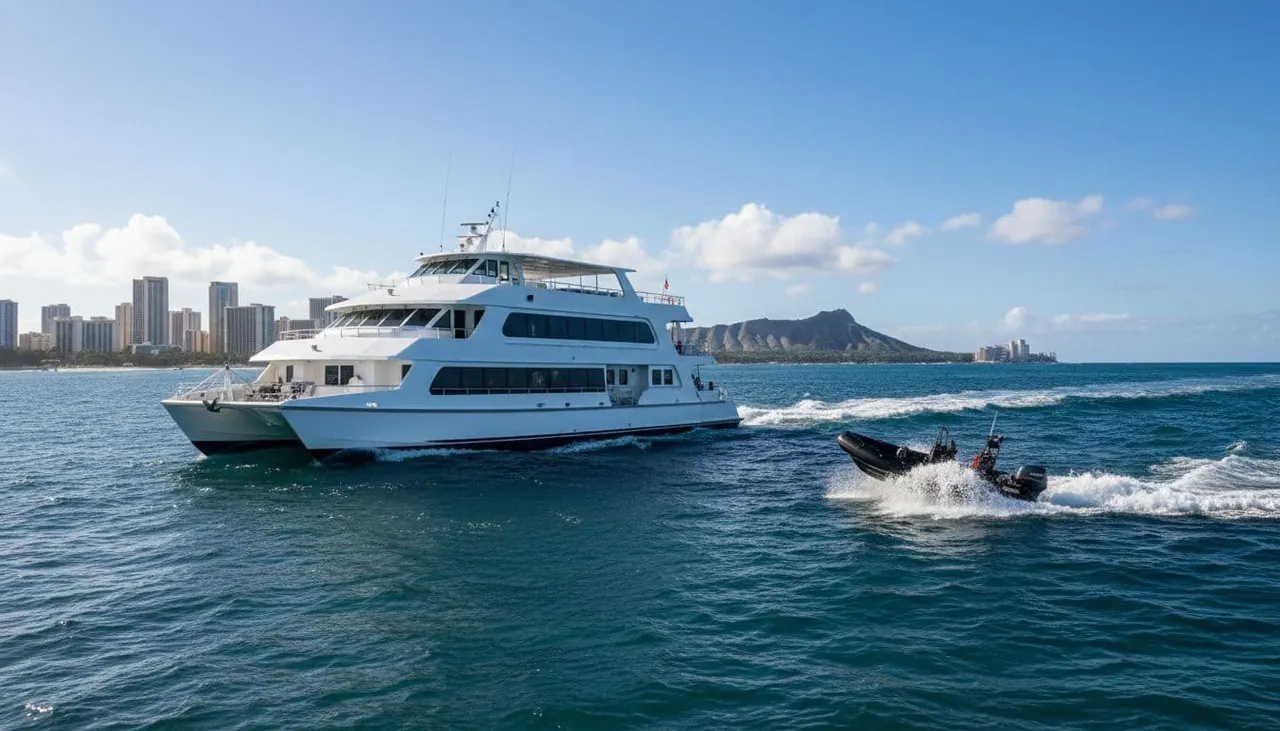
That doesn’t mean every large boat rides the same. Hull shape matters. Catamarans often feel more planted than narrow single-hull boats because they spread their weight across a wider platform. In plain terms, they tend to wobble less.
Layout matters just as much. If you have kids, older relatives, or anyone nervous about motion, look for restrooms, shade, wide stairs, and easy seating. Those details sound small on land, but they feel huge once you’re offshore.
Viewing comfort changes with size too. A higher deck gives you a better line of sight for spouts and breaches. At the same time, a roomy lower area gives you a place to reset if the wind picks up. If you’re sensitive to motion, the lower deck near the middle of the boat often feels calmest.
Think of it like watching a movie. You want a clear view, a comfortable seat, and no constant shaking. That’s what the right boat does for whale watching oahu trips in winter.
What to look for if you want a smoother ride near Waikiki
If comfort is your top goal, look beyond the tour name. Check the vessel first. Living Ocean Tours runs Coast Guard-inspected, custom-built double-decker boats with shaded seating, onboard restrooms, dry storage, and easy access from Kewalo Basin. That setup helps a lot when you’re boarding with kids, carrying extra layers, or trying to avoid a cramped, wet ride.
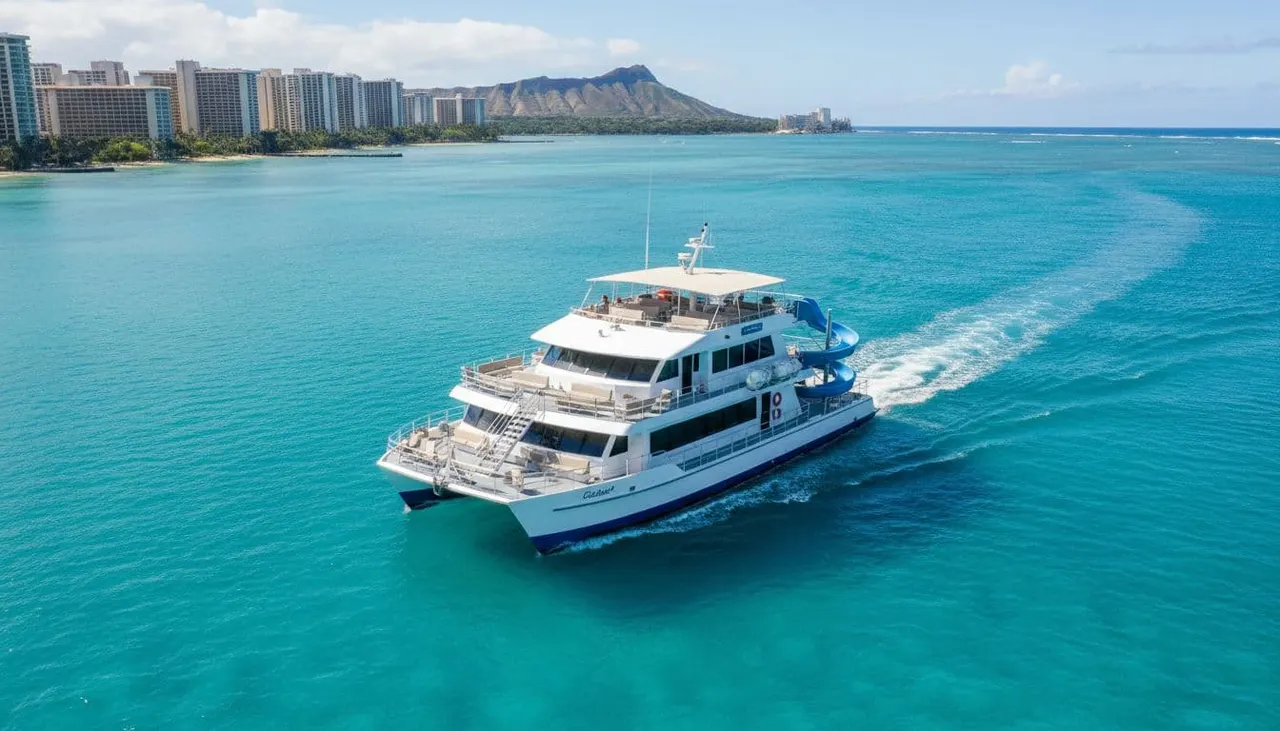
Most importantly, the vessel Lokahi features a state-of-the-art SeaKeeper stabilization system. That technology helps reduce roll, which can make a real difference on winter days. Instead of bracing yourself at every turn, you can spend more time scanning the water for tail slaps and breaches.
You can compare Living Ocean Tours excursions if you want to see how their whale watching, snorkeling, sunset, and fireworks options stack up. That broader lineup also tells you something useful: this isn’t a one-size-fits-all operation. It focuses on family-friendly ocean trips with a warm, welcoming feel.
For winter whale watching, that mix works well. You get a seasonal Waikiki cruise from January 2 through March 31, close departures from Waikiki, and a crew that treats marine life with respect. You’re there to observe, not crowd the animals, and that makes for a better trip all around.
Choose comfort first, then enjoy the whales
A smooth ride starts before you leave the harbor. If you book a larger, more stable boat with the right features, you give yourself a much better shot at a relaxed day on the water. In winter, comfort isn’t a bonus, it’s part of the experience. When your boat works with the ocean instead of against it, you can focus on the moment a humpback rises beside Oahu’s coast.


