
Whale Watching Oahu: How Humpbacks Filter Seawater
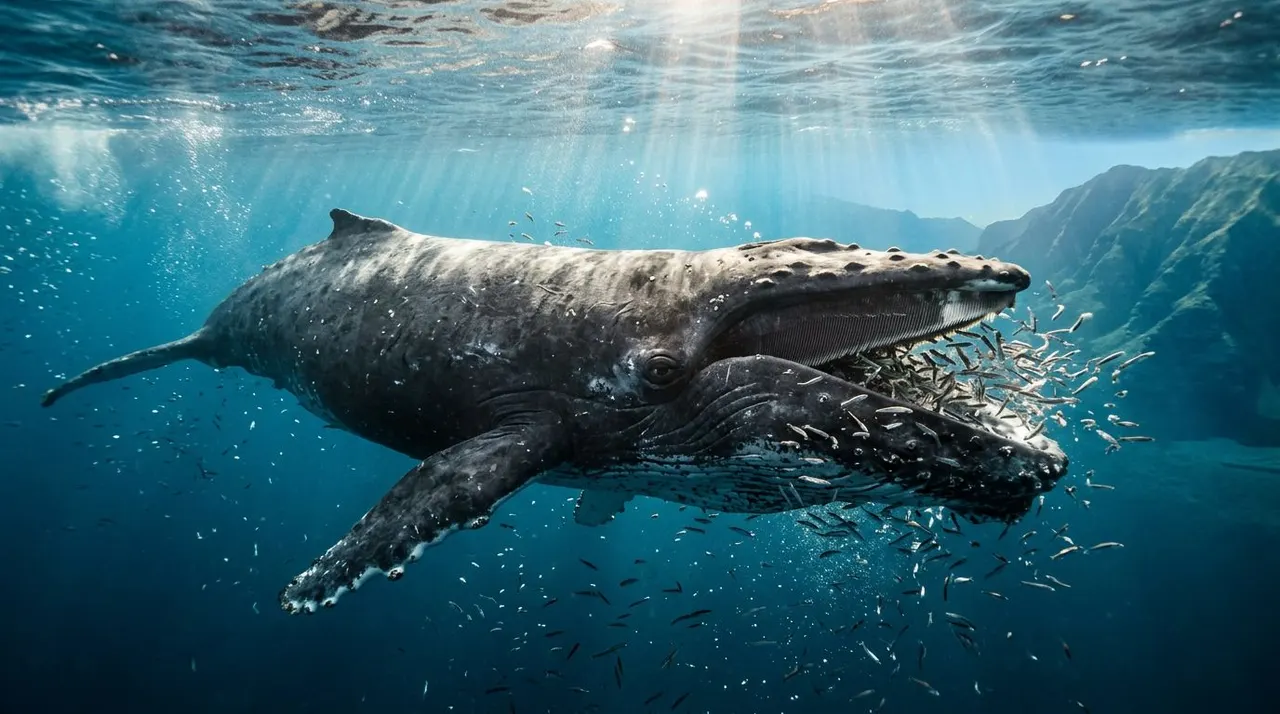
A humpback whale can engulf a broad sheet of ocean water, then separate its meal without chewing a single fish. That natural filter is baleen, a curtain of keratin plates hanging from the whale’s upper jaw.
When you search for whale watching Oahu, you may expect breaches, tail slaps, and misty blows at the surface. Those moments are unforgettable, but the whale’s hidden feeding system is just as impressive. Once you understand how baleen works, every humpback sighting gives you another detail to watch for.
Humpback Whales in Hawaiian Waters
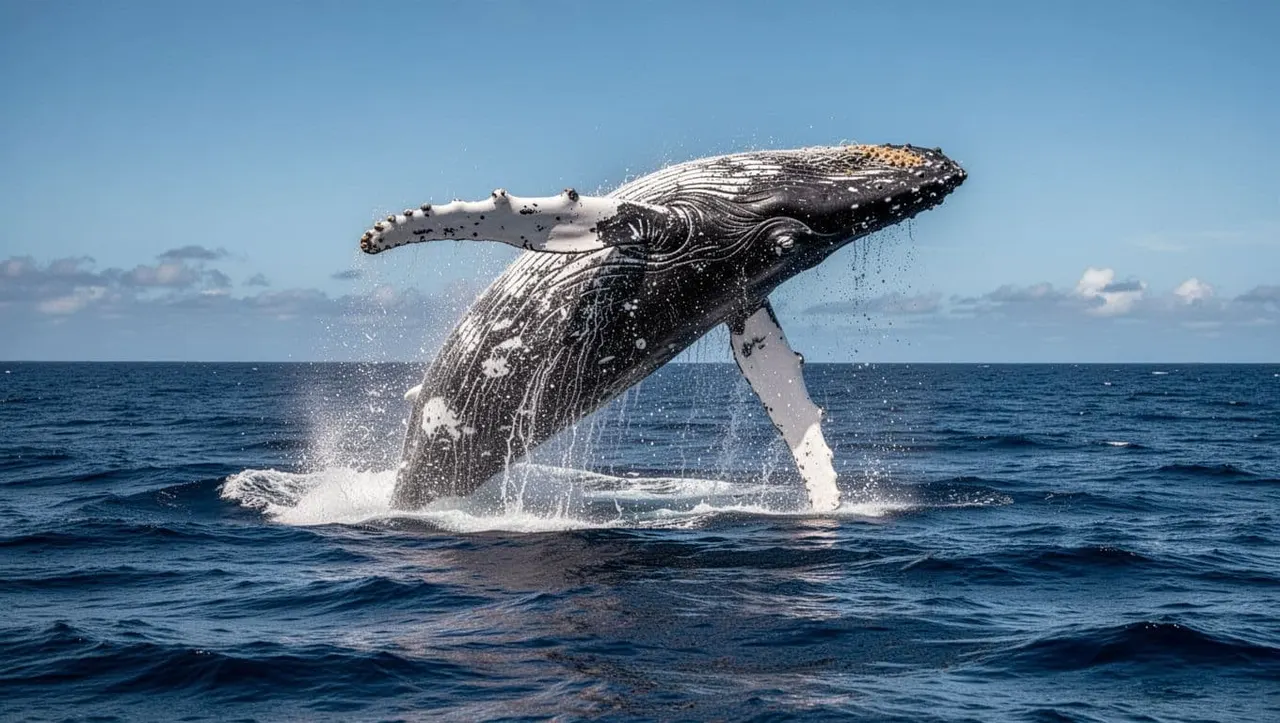
Each winter, North Pacific humpback whales travel thousands of miles to the warm waters around Hawaii. Many arrive from feeding grounds near Alaska, where they spend warmer months eating and building energy reserves.
Hawaii offers a different setting. The islands provide sheltered water for courtship, mating, calving, and nursing. Oahu’s south and west coastlines can offer excellent viewing positions because boats leave Honolulu and reach open ocean quickly.
The seasonal window usually runs from January through March. During these months, you may spot adults traveling alone, pairs moving together, or mothers swimming beside young calves. A calf stays close to its mother and must surface often to breathe.
Why the winter season matters
Humpbacks don’t come to Hawaii mainly to feed. They rely on energy stored during their time in northern feeding areas. That fact helps explain why you may see social behavior more often than open-mouth feeding near Oahu.
A whale might surface, exhale, and disappear for several minutes. Another may lift its head above the water, slap a pectoral fin, or raise its tail before diving. These movements can communicate with other whales or help the animal maintain contact with a calf.
You may also notice that whale activity changes throughout the day. Calm seas make distant blows easier to spot, while wind and glare can hide a whale that surfaces nearby. A patient crew watches the water in every direction and helps you read those small signs.
Whale Watching Oahu: How Baleen Filters Seawater
Baleen is a flexible material made from keratin, the same tough protein found in human hair and fingernails. Humpback whales grow hundreds of narrow baleen plates along both sides of the upper jaw.
Each plate hangs vertically. Its inner edge has a fringe of fine fibers. When the whale closes its mouth after a lunge, seawater moves back out through those fringes. Small prey stays inside.
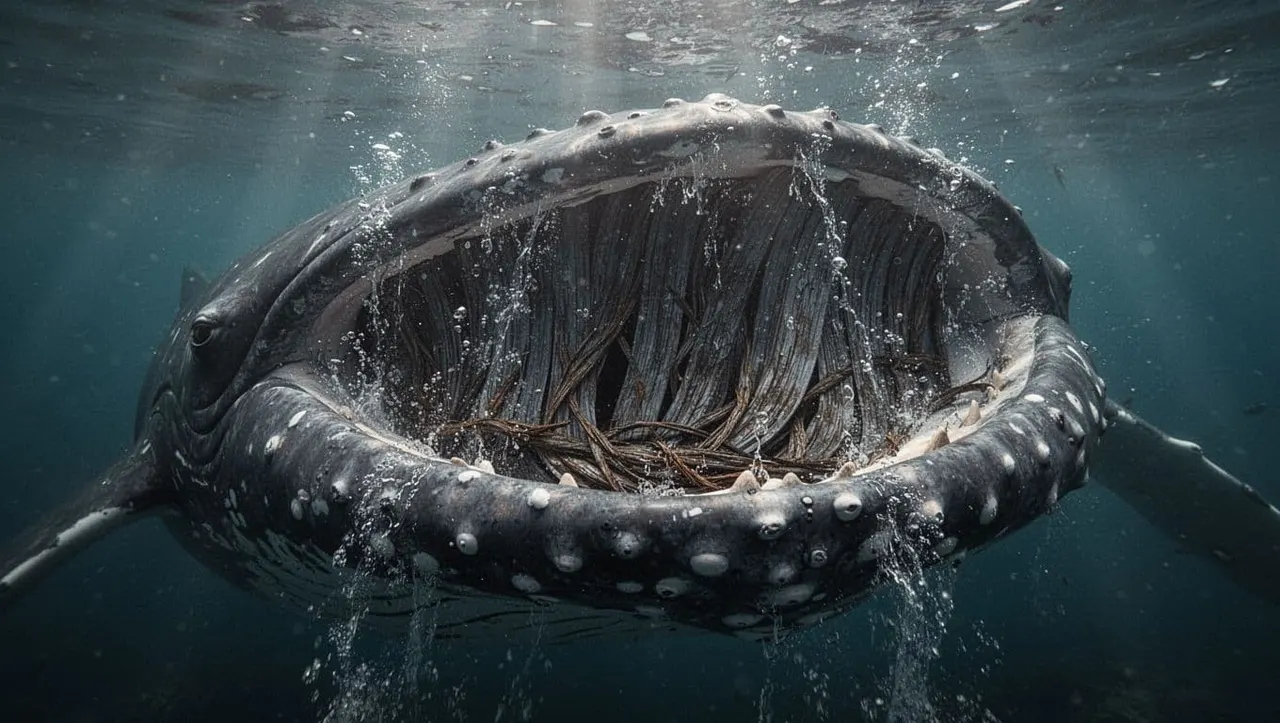
The process works because a humpback combines a large mouth, powerful swimming muscles, expandable throat pleats, and carefully arranged baleen. Its mouth can hold an enormous volume of water and prey during a feeding pass.
A marine research explanation of baleen filtering describes the plates as hairlike strainers. The fringe catches food while water escapes. The whale then uses its tongue to move the concentrated food toward its throat.
The sequence inside one feeding pass
A humpback begins by accelerating toward a patch of prey. It opens its mouth wide and expands the pleated skin beneath its throat. That flexible tissue allows the whale to take in a much larger volume than its normal mouth shape suggests.
The whale then closes its jaws. Muscles in the tongue and mouth push water toward the baleen curtain. The water flows out, but fish, krill, and other small organisms remain trapped against the inner fringe.
After the water drains, the whale gathers the prey and swallows. It doesn’t need to bite or chew because the baleen has already separated food from seawater.
Baleen isn’t a fixed screen with identical openings. A 2024 review of dynamic baleen filtration explains that baleen has changing porosity across its structure. Water pressure, flow speed, plate shape, and fringe movement all affect how the filter works.
That design gives humpbacks an efficient way to process large amounts of water. The whale spends energy on a powerful lunge, then recovers food without filtering the entire ocean one small mouthful at a time.
What you can observe from an Oahu whale-watching boat
You probably won’t see the baleen itself during a typical surface encounter. The whale keeps its mouth closed while traveling, resting, socializing, or swimming with a calf. Still, you can connect the anatomy to the behavior you see.
A wide breach shows the whale’s muscular body clearing the surface. A blow tells you where it surfaced and gives the crew a clue about its direction. A fluke disappearing beneath the water often marks the beginning of a longer dive.
An open mouth is more likely during a feeding display, which isn’t guaranteed around Hawaii. If a humpback surfaces with its mouth extended, you’ll see how large the lower jaw and throat area are compared with the rest of its body.
Around Hawaii, a whale may spend more time conserving energy, socializing, or caring for a calf than scooping food. A quiet surface encounter can still reflect normal winter behavior.
For whale watching Oahu guests, the best experience combines close observation with realistic expectations. You may see several blows in a row, one dramatic breach, or a calm mother-calf pair. Each encounter gives you a different view of how humpbacks use their bodies.
Bring reef-safe sunscreen, sunglasses, a light layer, and a phone or camera with a secure grip. Morning conditions can differ from afternoon conditions, so dress for spray and wind even when the beach feels warm. If you are sensitive to motion, choose a stabilized vessel and follow the crew’s advice before departure.
Plan your Living Ocean Tours whale-watching trip
Living Ocean Tours departs from Kewalo Basin Boat Harbor, a short drive from Waikiki Beach in Honolulu. Its seasonal whale-watching experience runs from January through March, when humpbacks visit the Hawaiian Islands.
You can browse Oahu ocean tours and choose a boat experience that fits your plans. The company’s Coast Guard-inspected fleet includes the double-decker Coral Kai and Lokahi. Both vessels provide shaded seating, restrooms, dry storage, and sturdy ladders for comfortable water access.
The Lokahi also features a SeaKeeper stabilization system. This anti-roll technology helps keep the boat steady, which can make a major difference when you want to focus on whale blows instead of the movement under your feet. The Coral Kai offers broad open-deck space for scanning the horizon and enjoying the coastline.
Living Ocean Tours is the only tour company with professional snorkel guides. That guide experience supports clear, respectful marine-life education, even when your whale-watching trip stays on deck. You can ask questions about baleen, migration, calf behavior, and the difference between a traveling whale and a feeding whale.
The crew also emphasizes observing wildlife without touching, feeding, or chasing it. Keep your attention on the water, follow the captain’s directions, and give whales the space they need. Responsible viewing protects the animals and keeps the encounter calm for everyone aboard.
See the filter behind the splash
A humpback’s breach may last only a second, but baleen reveals a much longer story. The whale’s upper jaw, expandable throat, tongue, and fringed plates work together to separate food from water with each feeding pass.
During whale watching Oahu trips, listen for the guide’s explanation and watch the behavior behind the spectacle. A blow, dive, breach, or mother-calf pairing becomes more meaningful when you understand what the whale is built to do.
The next time a humpback disappears beneath the Pacific, remember that its most remarkable tool may be hidden inside its mouth. Baleen lets this enormous animal turn seawater into a meal while leaving the surrounding ocean behind.


