
Whale Watching Oahu: Start a Humpback Sighting Journal
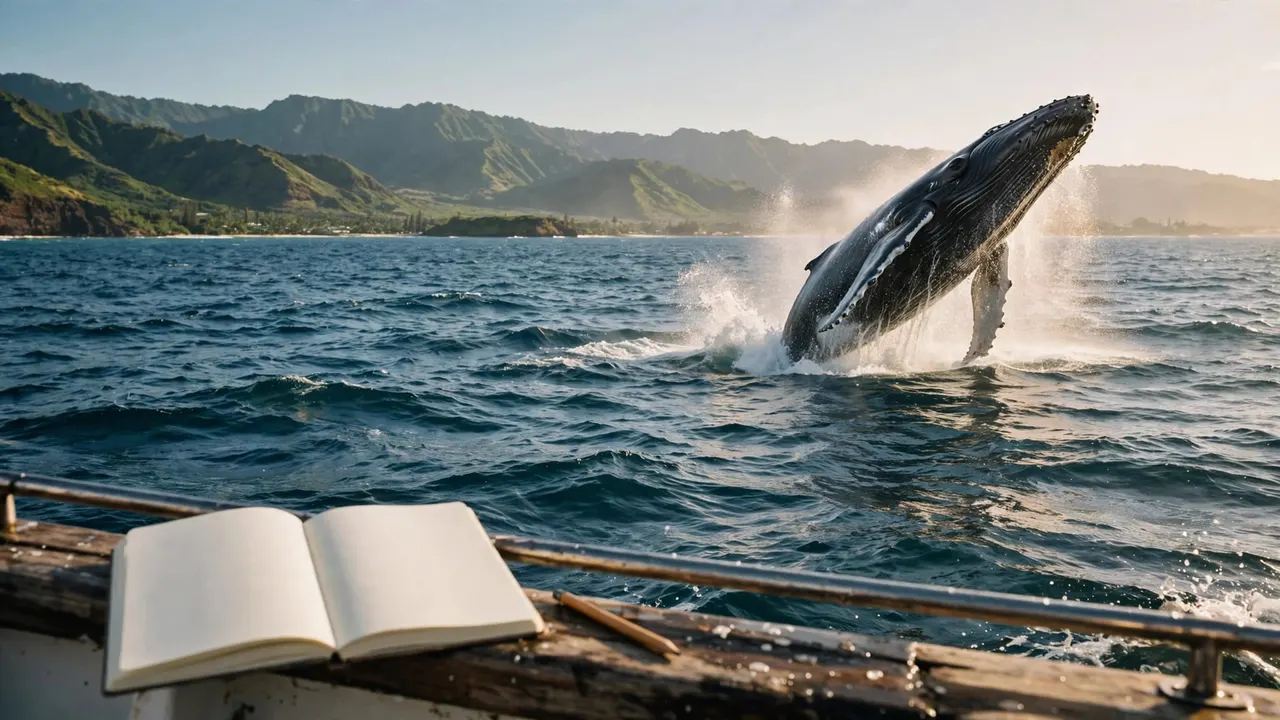
A sighting journal helps you remember the whale watching Oahu is known for, even when a humpback appears only briefly. You don’t need special training or expensive equipment. A small notebook and a few careful observations are enough.
Living Ocean Tours is based at Kewalo Basin Boat Harbor, near Waikiki, where you can begin an ocean outing with the coast in view. Before you head out, set up a journal that’s easy to use and leaves room for surprises.
Plan for Oahu’s Humpback Season
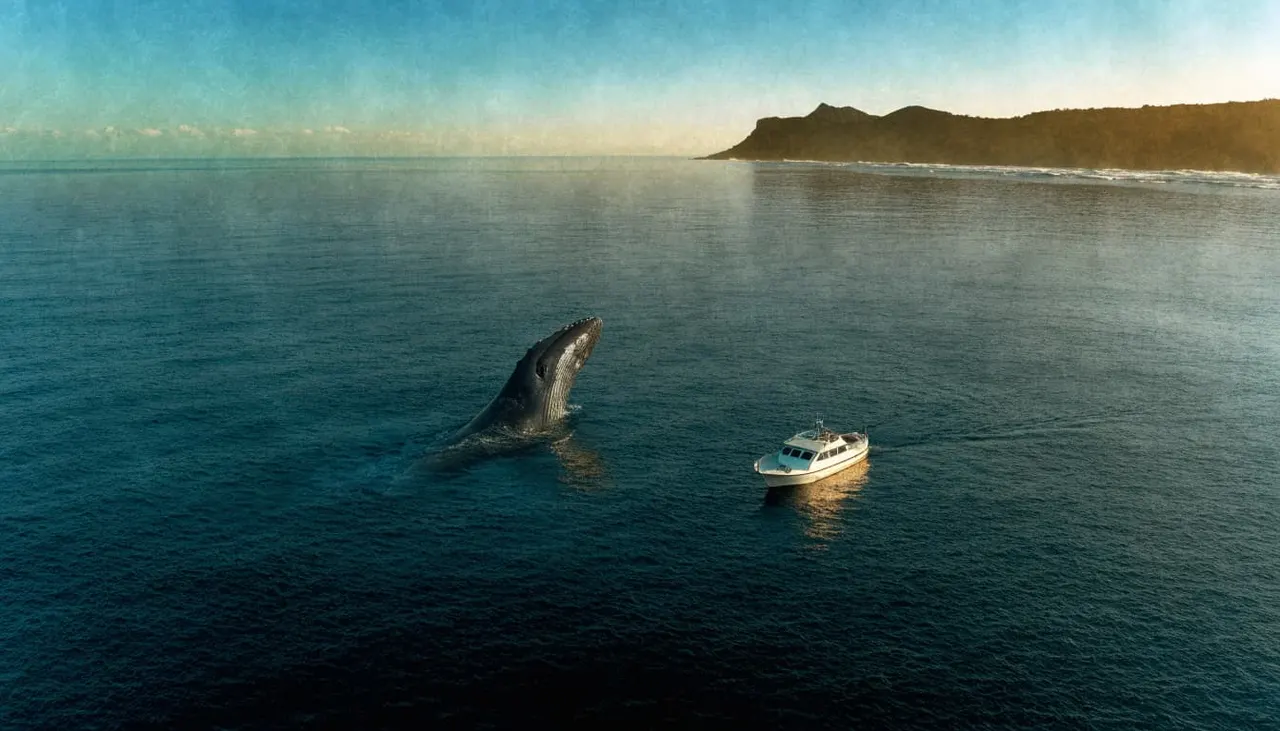
Winter brings humpback whales to Hawaii’s warm waters, where they breed, give birth, and care for young. Many travel from feeding grounds in the North Pacific. According to the Hawaiian Islands Humpback Whale National Marine Sanctuary, you can see whales around the islands from shore or at sea during the winter viewing season.
January through March is a practical window to plan your outing. Even then, the whale watching Oahu offers changes with weather, visibility, and the animals’ movements. A clear day can bring a distant blow, a glimpse of a tail, or a long stretch of open water.
Leave space in your journal for days without a confirmed sighting, too. Sea conditions and a clear horizon are useful observations, and they make the details of a later encounter easier to appreciate.
Begin Your Ocean Outing Near Waikiki
You can start your day near Waikiki at Kewalo Basin Boat Harbor, where we’re based. Keep your notebook close while you watch the water, and listen to the crew’s directions throughout your outing.
You can find details on our Waikiki whale watch page and CHECK AVAILABILITY for an ocean outing.
We’re also the only Oahu tour company with professional snorkel guides. If snorkeling is on your vacation list, you can enjoy it as a separate way to observe Hawaii’s marine life.
Pack a Journal You Can Use on the Water
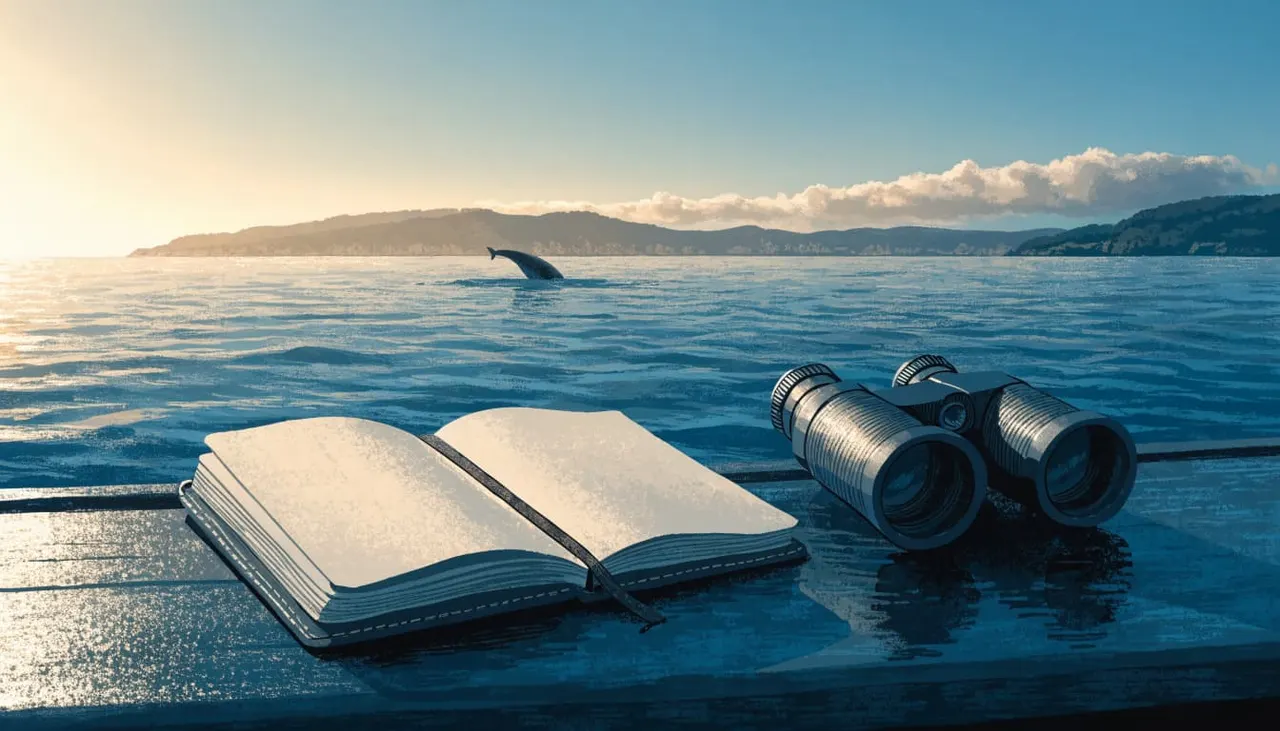
The whale watching Oahu is known for doesn’t require a complicated field kit. Choose items you can manage comfortably while keeping one hand free as you move around the boat.
Choose a Notebook or Phone
A pocket-size notebook gives you room for short notes without taking up much space. A pencil works well if the page gets damp. A resealable bag can help protect both between observations.
If you prefer your phone, create a note before departure so you can add details quickly. Keep the phone secured with a strap, and avoid typing while you’re moving around the deck. You can always expand a brief note after you return to shore.
Bring Comfort and Viewing Essentials
Sunglasses, sun protection, and a light layer help you stay comfortable while you scan. Binoculars are optional, but they can make a distant shape easier to study. If you bring them, use a strap and pause in a stable spot before looking through them.
If motion sickness concerns you, speak with a pharmacist or doctor about suitable options before travel. Once aboard, let the crew know early if you feel unwell.
Learn the Surface Signs to Record
A humpback doesn’t need to breach for you to have something worth writing down. For the whale watching Oahu families can enjoy together, start with the small signs and let each person describe what they noticed.
Look for a Blow or a Back
A blow can look like a brief puff above the water. Once you spot one, keep watching the surrounding area rather than immediately looking down at your notebook. You may see the whale’s back roll through the surface afterward.
A splash or a patch of whitewater can catch your eye, too. However, waves can create similar effects. If you aren’t sure what made the movement, record it as uncertain instead of assigning it to a whale.
Notice Flukes, Fins, and Breaches
The broad tail, or flukes, may appear as a whale dives. You could also see a flipper rise above the water or a tail strike the surface. A breach is a more dramatic movement in which a whale lifts much of its body out of the water.
These behaviors don’t follow a script. Record the action you saw without assuming you know why the whale did it. A crew member may help you identify a behavior, but it’s fine to leave a question mark in your notes.
Give Each Sighting Its Own Entry
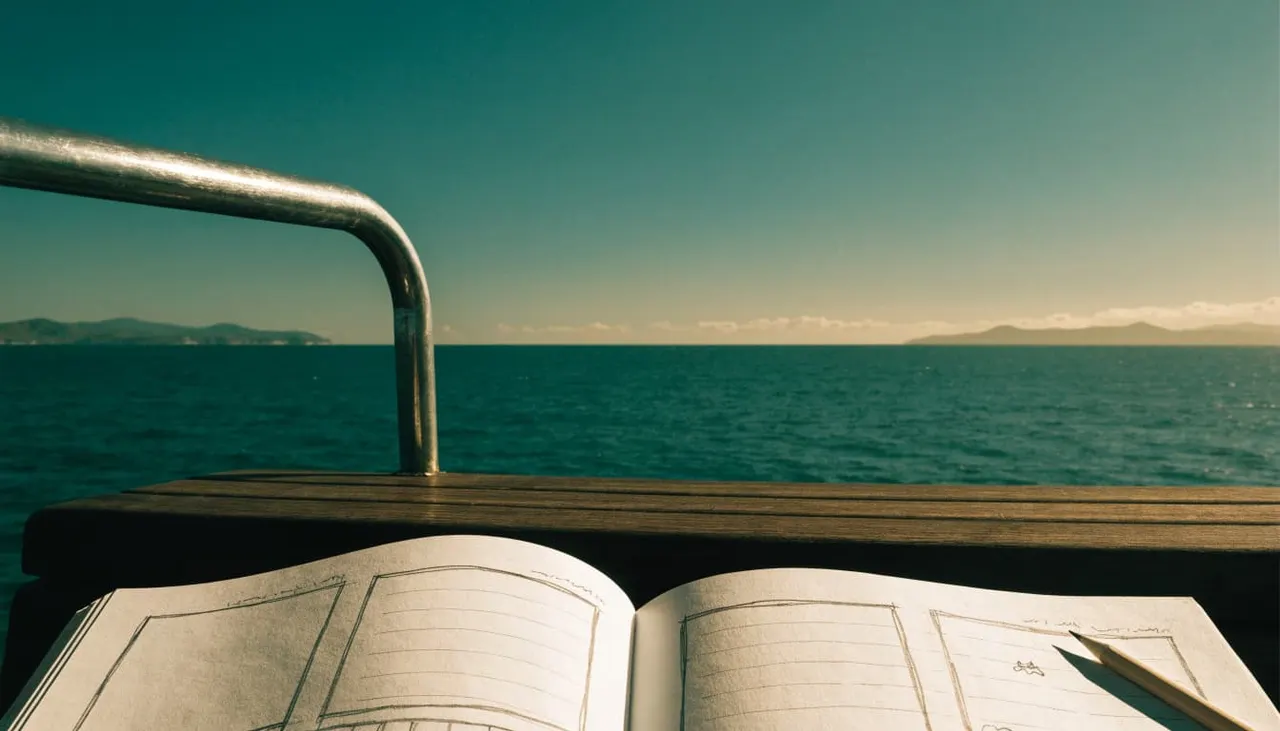
A consistent format makes entries easier to compare. Before leaving shore, draw a few simple boxes or set up a note on your phone. Include these details:
- Record the date and approximate time of the observation.
- Add your viewing location, such as the waters off Waikiki, without guessing an exact position.
- Describe the conditions, including wind, waves, glare, and visibility.
- Note what appeared at the surface and how many animals you could confidently distinguish.
- Write down any uncertainty, such as a possible blow that you couldn’t identify.
You can also note whether you watched from shore or aboard a boat. If Diamond Head or another recognizable landmark helped you locate the sighting, include it as a reference.
Keep your first entry brief. A few words can preserve the moment while you continue watching. Later, you can add a sketch or a description of the colors and sounds around you.
A reliable journal separates what you saw from what you think might have happened.
For example, “two backs visible” is a stronger observation than a guess about the whales’ ages or relationship. If you lose track of an animal underwater, avoid counting its next appearance as a new whale unless you can tell the difference.
Make Room for Sketches and Questions
Your journal doesn’t have to read like a scientific report. A quick sketch can capture the shape of a fluke, the direction of a splash, or the position of a blow against the horizon. Simple outlines are enough.
Add a question beside anything you couldn’t identify. You might want to remember how a flipper differs from a tail, or ask why whales spend time in Hawaiian waters. Keeping the question separate from your observation preserves the accuracy of the entry.
You can also leave a small space for the part of the outing you want to remember most. That might be the first glimpse of a blow or the way your family searched the horizon together. Those details give your notes meaning beyond a count of sightings.
Watch Respectfully From Shore or Boat
The whale watching Oahu offers is a chance to observe wild animals in their own habitat. Whether you’re watching from a lookout or an ocean vessel, give whales space and let them choose their path.
NOAA’s marine wildlife viewing guidance says not to approach, touch, chase, or feed protected wildlife. On a boat, follow the captain’s instructions and stay in designated passenger areas. Never enter the water to pursue a whale.
Humpback whale protections apply year-round in Hawaiian waters. You can read the sanctuary’s regulations for the rules that apply to ocean users.
If a whale appears at a distance, enjoy the view you have. A notebook or binoculars can help you pay attention without needing the animal to come closer. NOAA’s boating guide also explains why giving whales room matters for both animals and boaters.
Turn Family Observations Into a Shared Journal
A journal gives everyone a way to take part, including younger ocean lovers who may prefer drawing to writing. Before your outing, invite each person to choose a page for their own notes.
One person might watch for blows while another records the weather. Afterward, compare what each of you noticed. You may find that one person saw a tail while someone else remembers the splash that followed.
Keep differences in the record rather than forcing every account to match. A distant sighting can look different depending on where you’re standing. If your group isn’t sure whether you saw one whale or more, write down the uncertainty and move on.
Your shared journal can also include observations from shore. Bring it to a coastal lookout on another day and add a new entry with the location and conditions. Over time, the pages become a record of how you explored Oahu’s ocean together.
Key Takeaways for Your Sighting Journal
- Winter is a practical time to look for humpbacks around Oahu.
- Short, accurate notes are more useful than guesses about a whale’s identity or behavior.
- A blow, a back, or an unconfirmed sighting can all earn a place on the page.
- Respectful viewing means giving wildlife space and following crew instructions.
Whale Sighting Journal FAQs
Do You Need Binoculars to Start a Journal?
No. You can record what you see with your own eyes, along with the weather and location. Binoculars can help with distant observations, but they aren’t necessary for your first entry.
What Should You Write if You Don’t See a Whale?
Record where and when you looked, plus the sea conditions. You can also note anything you couldn’t identify with confidence. A day without a confirmed sighting still belongs in your journal.
Can Kids Keep Their Own Whale Journal?
Yes. Children can draw what they notice or dictate a few words for an adult to write down. Give them a simple prompt, such as describing the shape or color they saw, and keep the activity relaxed.
Take the Memory Home
The whale watching Oahu is known for can give you a remarkable view of a wild humpback. Your journal helps you hold onto the details without asking the animal to do anything on your schedule.
Bring a notebook, give the whales space, and record what you see. A few honest notes can bring your day on the water back long after you return home.


