
Whale Watching Oahu: Humpback Vision Above and Below
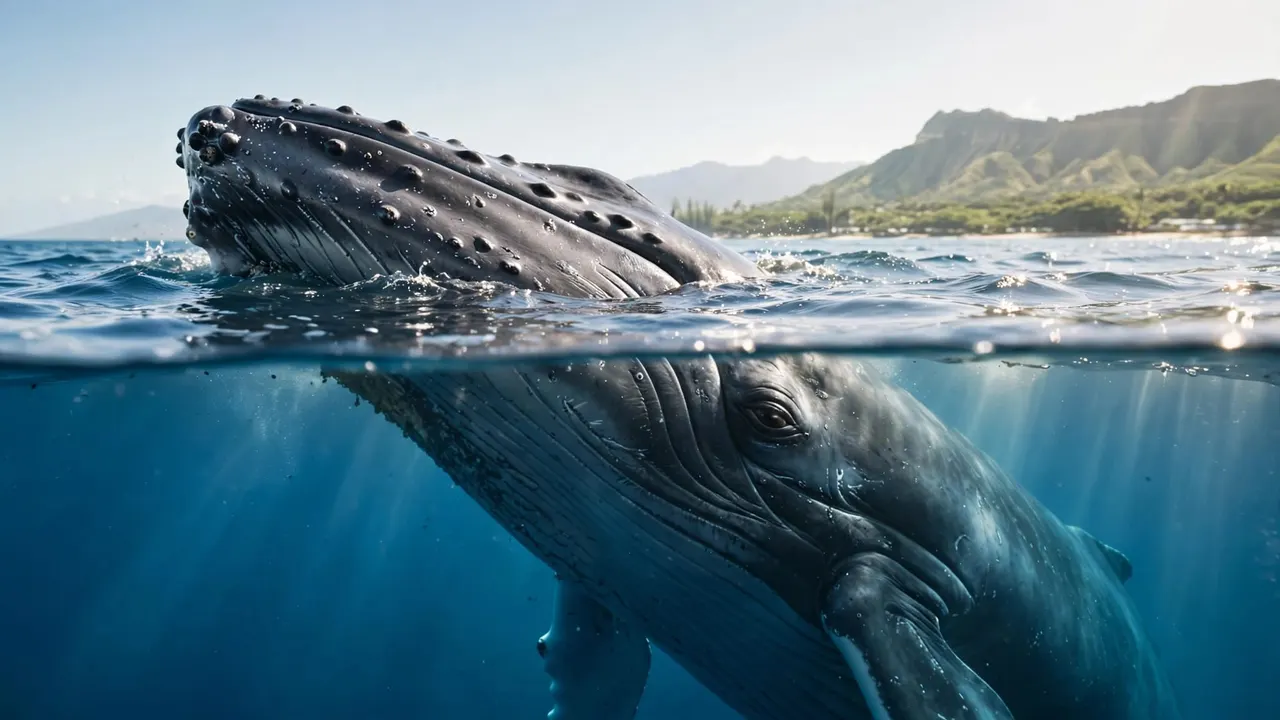
When a humpback lifts its head above the ocean, you might wonder whether it’s looking back at you. Living Ocean Tours gives you a chance to watch these winter visitors along Waikiki’s coastline, where each surface appearance raises questions about life beneath the waves.
Your whale-watching plans on Oahu become more rewarding when you distinguish observable behavior from assumptions about eyesight. A raised head, passing shadow, or sudden dive can’t reveal exactly what a whale sees.
Start with what you can observe, then leave room for what the encounter can’t tell you.
Key Takeaways for Your Whale Watch
- A humpback’s surface movements don’t establish its visual sharpness, color perception, or ability to recognize people aboard a boat.
- Water, sunlight, and surface reflections affect visibility, but your own view doesn’t reproduce a whale’s visual experience.
- North Pacific humpbacks migrate to the Main Hawaiian Islands during winter and spring; individual sightings and behaviors remain unpredictable.
- Respectful distance lets you observe wildlife without pursuing a closer encounter. In Hawaii, you must not approach a humpback within 100 yards.
These distinctions help you enjoy the excitement without turning an interesting observation into an unsupported conclusion.
What Whale Watching Oahu Reveals About Vision
You can learn plenty by watching a humpback, although a boat encounter can’t measure its eyesight. The distinction matters whenever someone interprets a whale’s movement as a deliberate look at passengers.
What You Can Observe Directly
From the deck, you can describe where a whale surfaces, how its body turns, and whether its head rises above the water. You might also notice another whale nearby or a change in travel direction.
Those observations are useful because they record something visible. However, they don’t establish what caused the movement.
For example, a whale turning near a vessel doesn’t prove that it recognized a person. Likewise, a raised head doesn’t tell you whether its attention rests on the boat, the surrounding water, or something else.
What Requires Separate Research
Questions about visual acuity, color perception, and an animal’s field of view require evidence beyond a sightseeing encounter. A photograph can document posture; it can’t measure the image formed by the whale’s eyes.
NOAA’s migration resources establish seasonal context rather than those visual capabilities. Therefore, avoid attaching precise eyesight claims to a memorable surface moment.
When your crew describes a behavior, listen for that distinction. “The whale raised its head” is an observation. An explanation of what it saw requires additional evidence.
Above Water: A Raised Head Isn’t a Vision Test
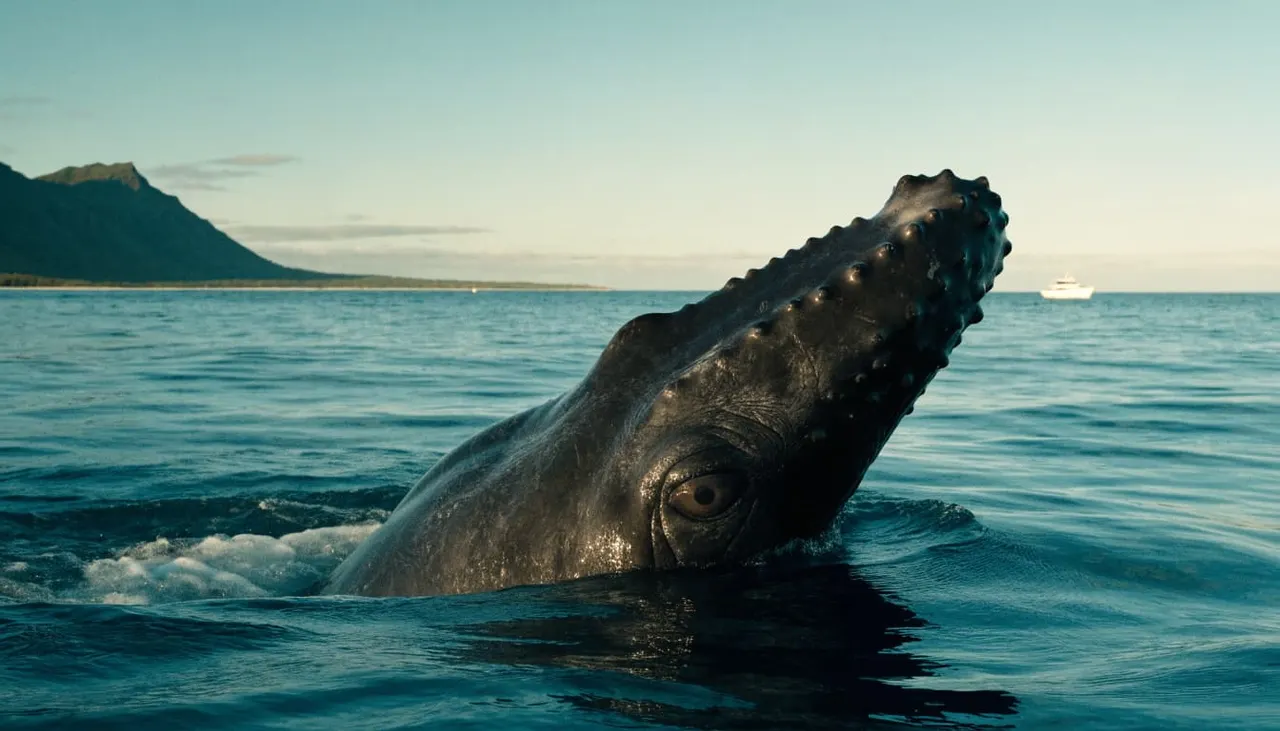
During a whale watching Oahu trip, a head rising above the surface can feel unusually personal. Still, your vantage point reveals the movement rather than the whale’s visual experience.
Watch the Posture Without Assigning Intent
A slow, upright head lift is often called a spyhop. That name can tempt you to assume the animal is inspecting its surroundings.
Describe what happens before drawing conclusions. Notice how much of the head appears, how long it remains visible, and whether the whale rotates.
By contrast, a breach involves a forceful movement out of the water. Although both behaviors expose part of the animal to air, neither tells you how clearly it sees above the surface.
Account for Glare and Surface Conditions
Your own view changes with the sun’s angle, wind, and wave height. Reflections can conceal a whale moments before its back becomes visible.
Polarized sunglasses may reduce glare for you, while binoculars help after you locate a distant blow. Neither tool provides evidence about the whale’s eyesight.
Seeing a whale’s eye in a photograph doesn’t prove that the whale was looking at you.
For families, that distinction makes a useful conversation: describe the moment first, then separate what you noticed from what you wondered.
Below Water: Light Changes Before Your View Does
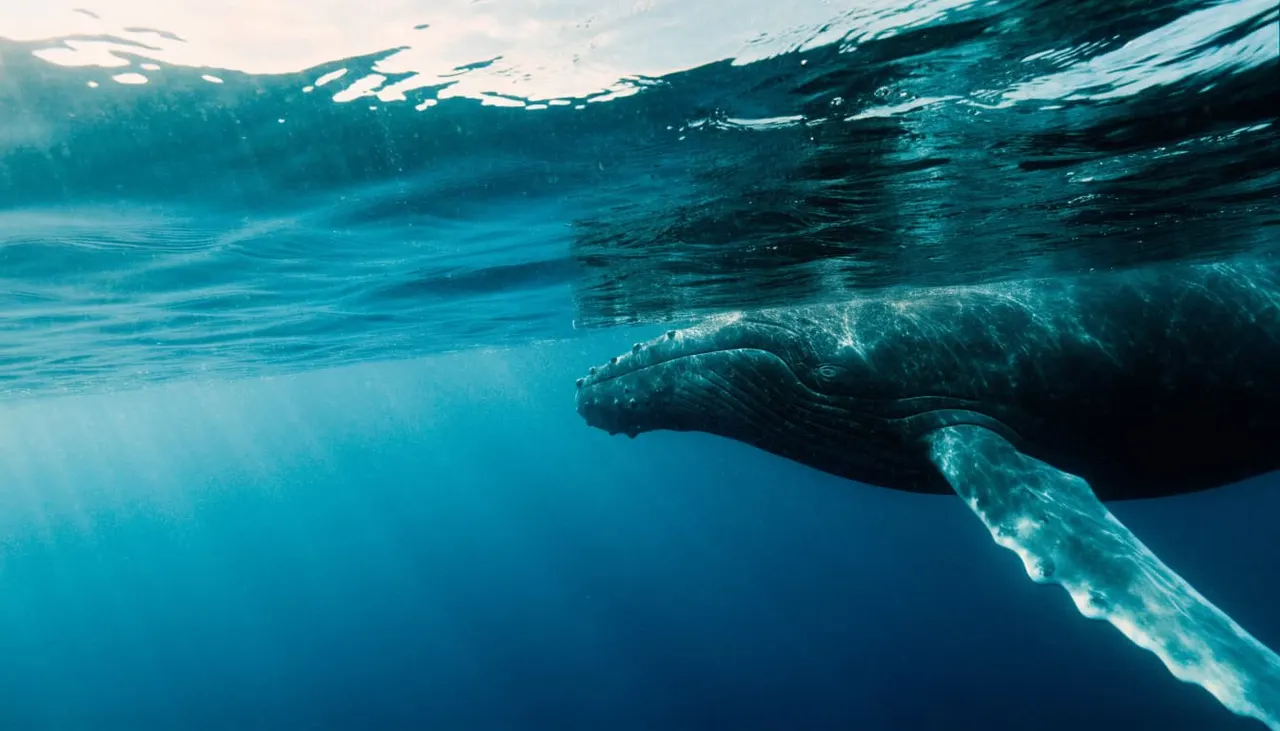
Below the surface, light travels through water rather than air. That physical difference helps explain why underwater visibility changes, without establishing how a humpback processes its surroundings.
Water Alters Light and Visibility
Light bends when it passes between air and water, a process called refraction. Meanwhile, suspended particles scatter light, and less sunlight reaches greater depths.
These conditions affect what you can photograph or see from a boat. A dark shape may appear beneath the surface, then disappear as the angle changes.
However, losing sight of the whale doesn’t establish that it has lost sight of anything. Your deck-level view and the animal’s underwater position are different.
Even clear blue water doesn’t give you an unrestricted window into the animal’s surroundings. Surface reflections can hide details that would be visible from another position.
Your Snorkeling Experience Isn’t a Whale’s-Eye View
If you’ve snorkeled around Oahu, you know that a mask changes your underwater experience. It maintains an air space in front of your eyes.
That familiar experience can help you appreciate changing visibility, but it doesn’t reproduce humpback vision. Avoid assuming that a whale sees the same blur, brightness, or detail you would.
You also don’t need to enter the water to explore this question. Watching from a vessel keeps the encounter respectful and gives you time to compare surface movements with the surrounding conditions.
Reading a Dive Without Guessing What the Whale Sees
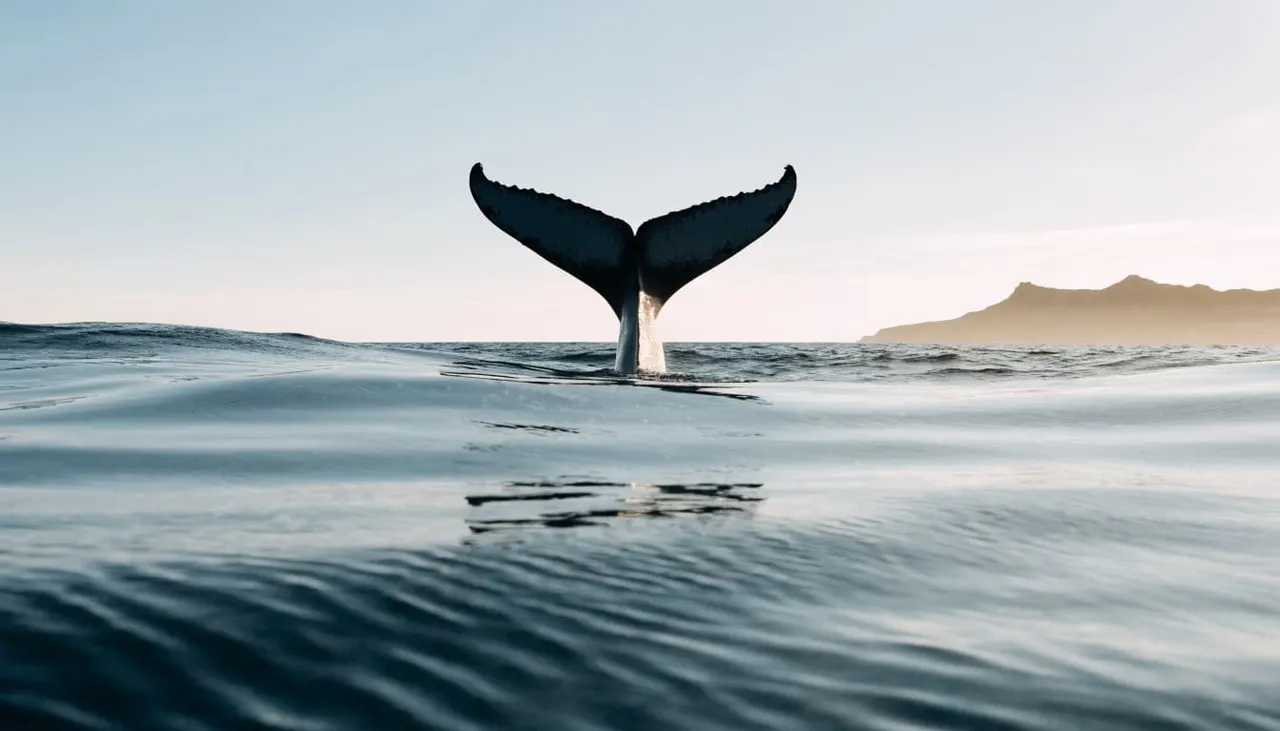
A whale’s disappearance often leaves you with more questions than its arrival. Rather than guessing what caught its attention underwater, follow the visible sequence.
You may notice a blow, a curved back, a dorsal fin, and then a tail lift. However, every surfacing doesn’t include every feature.
Here are useful distinctions when you describe a sighting.
| What you notice | What you can record |
|---|---|
| A brief puff of mist | A visible exhalation at the surface |
| A rounded back passing through view | The whale’s surface movement |
| Tail flukes lifting clear of the water | A fluke-up dive |
| A pale or dark shape below the surface | A submerged shape, without confirmed depth |
The takeaway is description before interpretation. A tail lift gives you a recognizable behavior, but it doesn’t explain what the animal sees below.
For whale watching Oahu photography, keep your camera ready without watching the whole encounter through a screen. After the whale disappears, continue scanning rather than assuming it will resurface in the same place.
Give Humpbacks Room to Continue Their Day
Your whale watching Oahu experience depends on animals that may be traveling, resting, socializing, or caring for a calf. A responsible encounter leaves those activities under the whales’ control.
In Hawaii, federal rules prohibit approaching humpbacks within 100 yards, approximately 91 meters. Let the captain manage the vessel’s position instead of asking for a tighter photograph.
If a whale moves toward the boat, follow crew instructions. An animal’s approach doesn’t give passengers permission to enter the water or attempt contact.
Never swim toward, touch, feed, or chase a humpback. Also, avoid calling toward whales or trying to draw their attention.
On deck, move carefully and keep cameras secure. Children can help search for blows without crowding the rail or leaning over it.
Distance can make an encounter feel less immediate, but patient observation gives you time to notice more than a splash. Watch the direction of travel and the spacing between animals.
You can enjoy the moment without deciding that a whale is curious, friendly, or deliberately making eye contact.
Plan Your Winter Outing With Living Ocean Tours
Build your whale watching Oahu plans around migration rather than expecting humpbacks to be year-round residents off Waikiki. A NOAA-hosted study on cetacean seasonality identifies the Main Hawaiian Islands as a winter and spring destination for North Pacific humpbacks.
Living Ocean Tours departs from Kewalo Basin Boat Harbor, near Waikiki. Its seasonal cruises offer a family-friendly way to search along the coast while the captain handles vessel positioning.
Before booking, compare its Oahu ocean adventures and confirm current departure details. If you’re new to boat trips, ask about boarding, seating, and preparations for motion sickness.
Living Ocean Tours describes itself as Oahu’s only tour company with professional snorkel guides. For your whale watch, keep the focus on clear crew instructions and respectful observation rather than entering the water.
Bring sunglasses, a secure hat, sun protection, and a light layer for wind. Booking earlier in your vacation also leaves flexibility if you want another offshore outing.
You can CHECK AVAILABILITY for a seasonal whale-watching departure.
Frequently Asked Questions
Does a Spyhop Mean a Whale Is Looking at Your Boat?
A raised head alone doesn’t establish what a humpback sees or where its attention rests. You can identify the posture without claiming recognition, visual detail, or a particular motive. That leaves room to appreciate the behavior without overstating its meaning.
Can You Tell Whether a Humpback Sees Clearly Underwater?
A boat encounter can’t measure underwater visual acuity. Clear water may improve your own view, but that doesn’t establish the whale’s visual experience. Likewise, a whale disappearing beneath glare tells you about your sightline, not its eyesight.
When Should You Plan a Whale Watch Near Waikiki?
Plan around the winter migration and confirm the operator’s current seasonal departures. NOAA’s Earth Is Blue collection highlights humpbacks returning to Hawaiian waters each winter. Weather and whale movements still affect individual outings, so no particular sighting or behavior is guaranteed.
Enjoy the Encounter Without Assuming Eye Contact
A humpback raising its head can remain a memorable moment even when you can’t know what it sees. Your strongest observations are the ones you can describe clearly: a blow, a turn, or flukes lifting before a dive.
Give the animal room and let your crew guide the encounter. Patient observation rewards you with a fuller experience than treating every surface movement as a message directed at your boat.


