
Whale Watching Oahu: Why Humpbacks Have Flipper Knobs
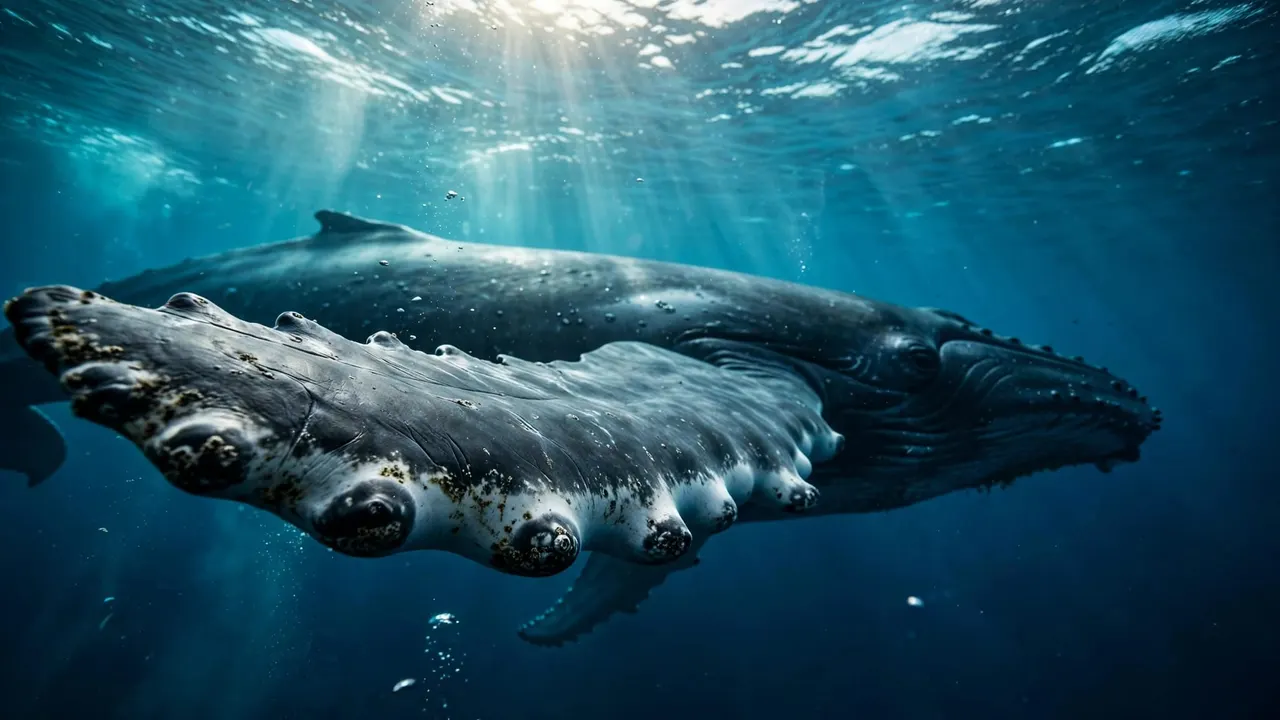
A humpback rolls near the surface, and one long flipper flashes white beneath the water. Look closely and its edge appears scalloped, with a row of rounded bumps.
If whale watching Oahu is on your itinerary, those bumps are worth knowing about. Called tubercles, they help explain how an enormous animal moves through water. You may never see every bump from the boat, but you can learn to recognize the flipper and appreciate what it does.
What are the knobs on a humpback’s flipper?
A scalloped edge with a purpose
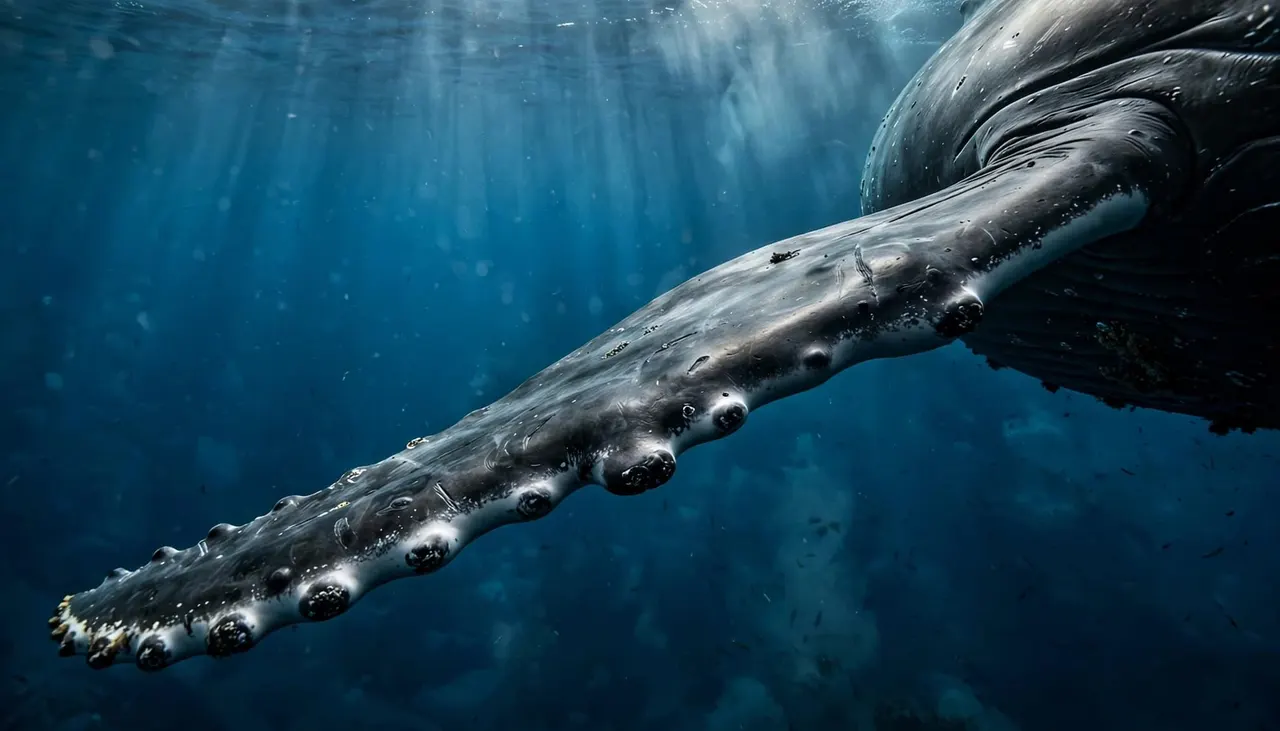
A humpback’s pectoral flippers extend from the sides of its body, much as your arms extend from yours. The knobs, or tubercles, run along each flipper’s leading edge. That is the edge that meets the water first as the flipper moves.
From above, the bumps give the edge an uneven outline. They are part of the flipper, not barnacles stuck to its surface. Their position matters: water flows around that front edge before moving across the rest of the flipper.
What you can identify from a boat
You are more likely to notice a whole flipper than its individual tubercles. A humpback may lift one out of the water or roll so its pale underside shows through a clear patch of ocean. Sunlight, distance, and swell all change how much detail you can see.
Start with its shape. The pectoral flipper is long and narrow compared with the broad tail flukes. If the whale raises the flipper high enough and the light cooperates, you may catch its bumpy outline for a moment. Binoculars can help you observe without needing the boat to move closer.
How flipper knobs help a humpback move
Lift and a wider turning range
As a flipper cuts through water, its shape helps produce lift. That force can help a whale change direction. Researchers studying humpback flippers report that leading-edge tubercles can help maintain lift and delay stall when a flipper meets the flow at a steep angle.
Stall means the flipper loses lift as water flow separates from its surface. For a turning whale, delaying that loss could make the flipper useful across a wider range of positions. Research discussed in the Journal of Experimental Biology connects tubercles, lift, and stall with the whale’s ability to maneuver.
What the research doesn’t tell you from deck
A visible turn doesn’t prove that you have just watched the tubercles at work. You can see the whale’s movement, but you cannot see the water flowing across its flipper from a tour boat.
The research helps you understand a likely advantage of the flipper’s shape. It does not mean every humpback turn depends on the knobs alone. Body movement, tail strokes, and the position of both flippers also matter. Keep that distinction in mind when a whale changes course beneath the surface.
Why you may see a flipper above the water
Steering happens mostly out of sight
A humpback can angle its pectoral flippers while swimming or turning underwater. During whale watching Oahu outings, you may see only the result: a back that surfaces in a new direction, or a pale flipper briefly visible below the swell.
A study titled Leading-edge tubercles delay stall describes how the bumps can change a flipper’s performance and improve its effectiveness in turning. That finding makes a quiet course change interesting, even if the whale never puts its flipper on display.
Surface slaps are easier to spot
Sometimes a humpback rolls and strikes the surface with a pectoral flipper. The movement can send spray into the air and make a sound you hear across the water. It also gives you a better look at the flipper’s length and shape.
You cannot tell from a single slap exactly what the whale intends. Watch what happens next instead. Does it repeat the movement, travel on, or surface near another whale? Those observations are more useful than assigning a certain meaning to one dramatic moment.
Whale watching Oahu: when to look for flippers
Follow the winter visit
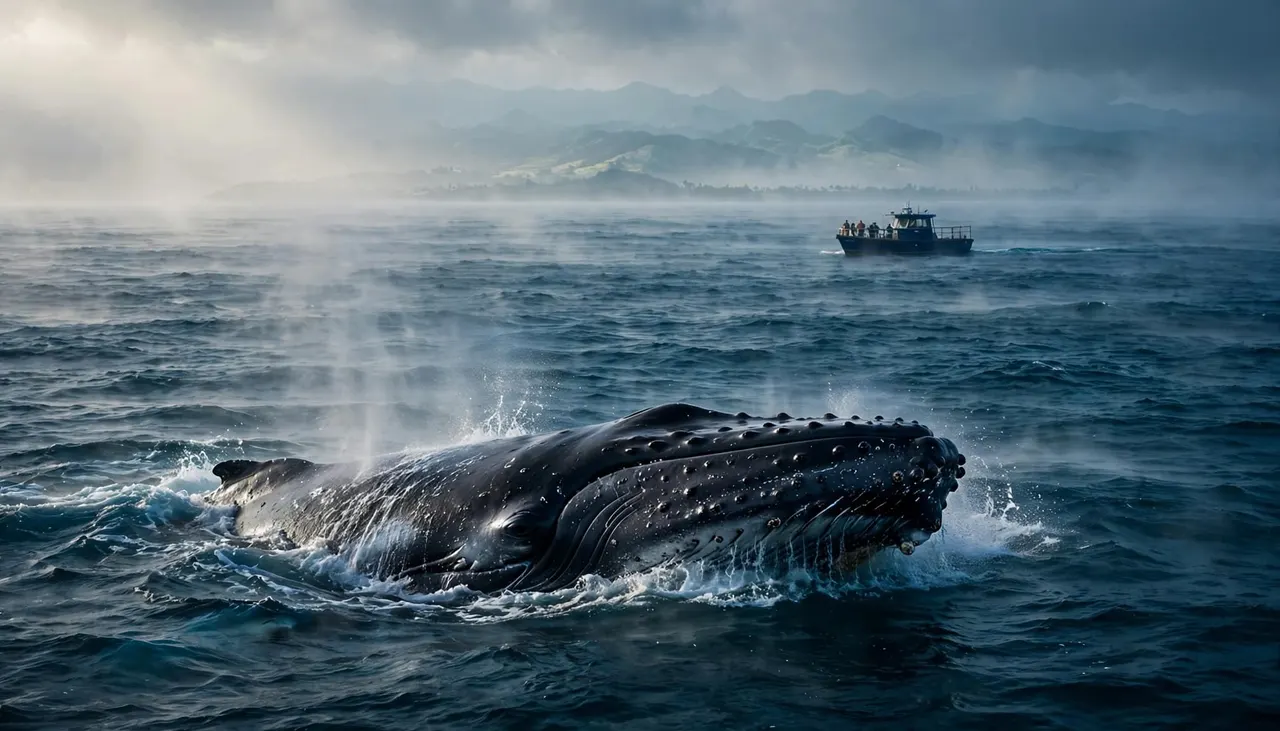
Humpbacks winter in Hawaiian waters, which makes a seasonal boat outing an opportunity to look for them off Waikiki. They are wild animals, though. No crew can schedule a flipper slap, a breach, or even a sighting.
Conditions shape your view as much as whale behavior does. A flat sea may make a low flipper easier to notice. Glare or a passing swell can hide the same movement seconds later. Give your eyes time to adjust, then scan the water rather than fixing your attention on one point.
Begin with the smaller signs
A blow may be your first clue that a whale is nearby. Look for the brief mist above the surface, then watch for a rounded back or a small dorsal fin. If the whale rolls, you might glimpse a pectoral flipper.
Keep watching after the first surface. The animal may change direction beneath you or stay underwater longer than you expect. During whale watching Oahu trips, patience often gives you the best chance to connect separate glimpses into a fuller view of how the whale moves.
Tell a flipper from a tail
Compare their shapes
A raised pectoral flipper usually appears as one long appendage at the whale’s side. Tail flukes are the two broad lobes at the end of its body. When a humpback lifts its tail before a dive, you may see both lobes together, with a notch between them.
You might also see only part of either feature through spray. Instead of guessing immediately, note where it appears relative to the back. A flipper beside a rolling whale and a tail following the back underwater tell you different things about its position.
Watch movement before reaching for a photo
If a flipper breaks the surface, take a moment to follow the whale before raising your camera. You may notice whether the animal is rolling, traveling, or making repeated slaps. Those details can disappear while you search for the perfect frame.
For whale watching Oahu visitors, the most satisfying view isn’t always the closest one. A little distance can let you see the whale’s whole movement, including the flipper, back, and surrounding water.
Give humpbacks room to move naturally
Leave the boat’s position to the captain
A responsible encounter lets the whale choose its course. Don’t ask the crew to chase an animal for a clearer view of its flipper. If a whale moves toward the boat, follow the crew’s directions and let the captain manage the situation.
This matters especially when you see a mother and calf. They need space to travel and surface without pressure from people hoping for a closer look. Observe without approaching is a good rule for your camera, your expectations, and your time on deck.
Keep the encounter aboard
Never enter the water to approach a humpback. Don’t try to touch, feed, or attract one, either. A whale watch gives you a place to observe wildlife while it behaves on its own terms.
Stay attentive to the boat as well. Keep your camera secure, leave railings clear, and move carefully when everyone shifts toward a sighting. Good whale watching Oahu etiquette protects the animals and helps everyone aboard enjoy the moment.
Plan your Waikiki whale watch with Living Ocean Tours
Living Ocean Tours offers seasonal humpback cruises from Kewalo Basin Boat Harbor, close to Waikiki. Its double-decker boats give you a place to scan the coast while the captain and crew handle the search. You can compare its Oahu ocean tours and whale watches when planning your time on the water.
The company also describes itself as the only Oahu tour company with professional snorkel guides. If you are interested in both snorkeling and whale watching, those are separate ways to enjoy the ocean. Keep a whale encounter aboard the boat, and leave in-water wildlife observation for an appropriate guided snorkel outing.
For a winter cruise, bring sun protection, a light layer, and a secure camera strap. Choose a viewing spot where you can comfortably scan the horizon. You can check dates through CHECK AVAILABILITY, then arrive ready for whichever behaviors the whales choose to show.
Key takeaways for your whale watch
- Humpback flipper knobs are tubercles along the edge that meets the water first.
- Research indicates they can help a flipper maintain lift during a steep turn.
- From a boat, you may spot the flipper’s shape more easily than its individual bumps.
- A blow, rolling back, or flipper slap is worth watching, even without a breach.
- Let the crew manage the boat and give every whale room to choose its path.
Conclusion
That scalloped flipper you glimpse beneath the water is part of a humpback’s remarkable control. Its knobs can help the flipper work through a demanding turn, though most of that movement happens out of sight.
Watch patiently for the small signs as well as the spectacular ones. A brief flash of white beside a rolling whale may be enough to change what you notice for the rest of your time on the water.


