
Whale Watching Oahu: Why Humpbacks Choose Winter Waters
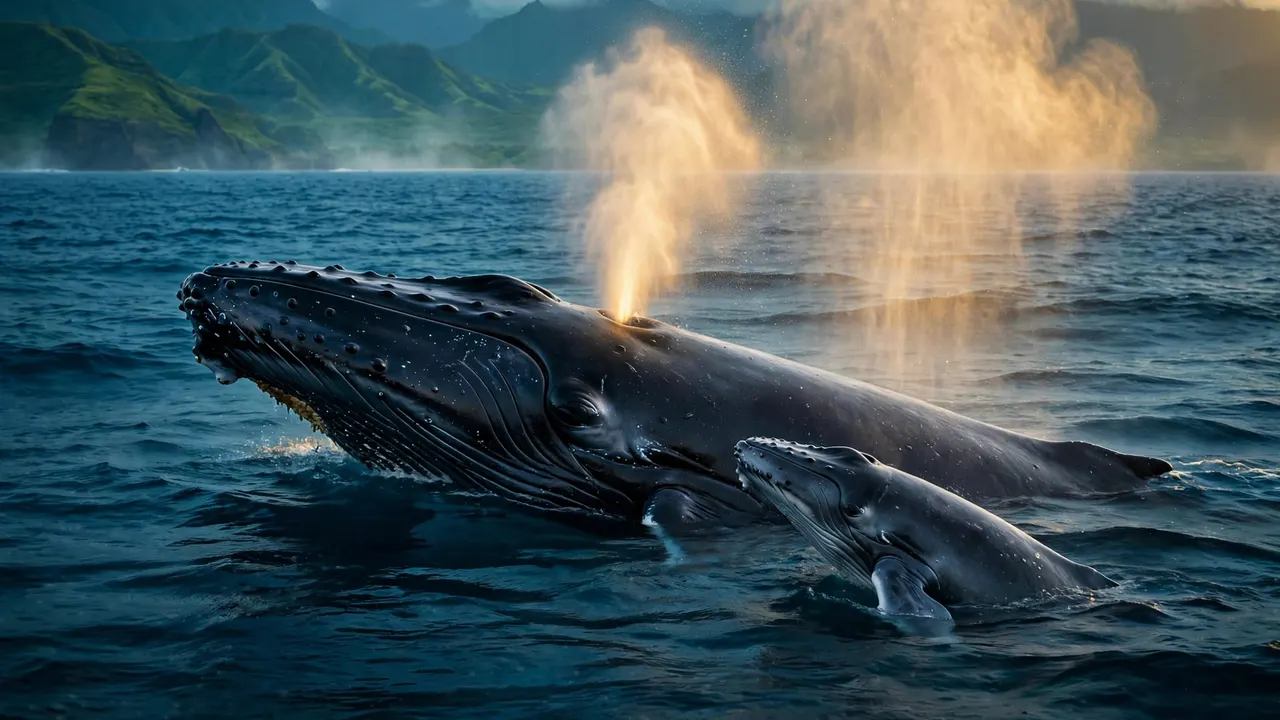
A humpback’s misty breath can appear off Waikiki, vanish in seconds, and leave you scanning the horizon for more. Whale watching Oahu gives you a window into the reason these animals travel here each winter: Hawaii’s waters are breeding and nursery habitat.
Living Ocean Tours runs seasonal cruises from Kewalo Basin Boat Harbor, near Waikiki. Before you head out, it helps to know what draws humpbacks to the islands, when to look, and why a quiet mother-and-calf sighting can tell you more than a breach.
Why humpbacks migrate to Hawaii in winter
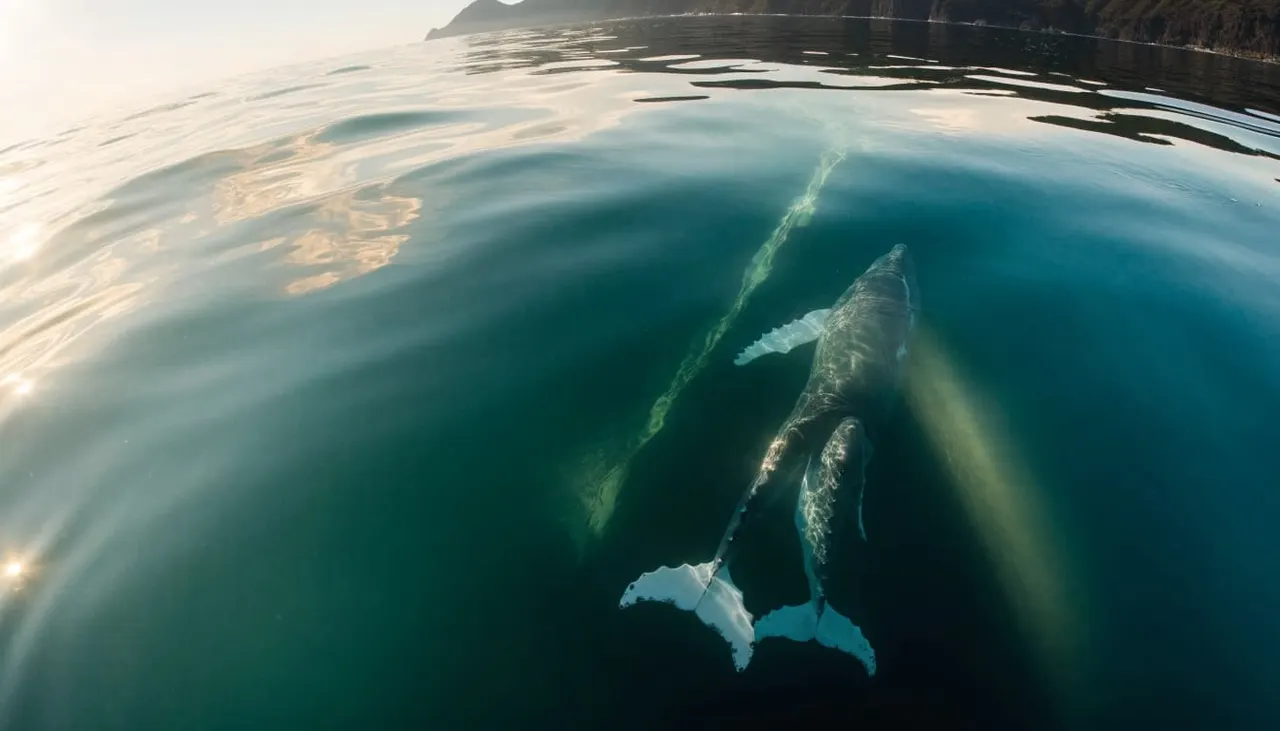
Hawaii is part of a much larger annual journey. North Pacific humpbacks spend their feeding season in colder northern waters, then travel to warmer waters to reproduce.
Northern waters provide food
Humpbacks build energy reserves in productive feeding areas before making the long journey south. Hawaii is primarily a breeding destination, not a major feeding ground. That distinction matters when you’re watching an active whale off Oahu: a tail slap or breach doesn’t mean it has found a meal.
According to NOAA, up to 12,000 humpbacks return to Hawaiian waters during the broader migration season. The estimate covers Hawaii, not a whale count off Waikiki on any particular day.
Hawaiian waters support calves
Humpbacks visit Hawaii to mate, give birth, and nurse their young. The Hawaiian Islands Humpback Whale National Marine Sanctuary describes the islands’ warm, shallow waters as important winter habitat for those activities.
For a newborn calf, this is the beginning of life at sea. You’ll sometimes see a smaller back surface beside an adult, followed by two separate blows. A quiet pair traveling together shows why these waters matter, even without a dramatic splash.
How humpbacks use winter habitat around Oahu
Whales don’t choose a single beach or follow a fixed route along the Waikiki coast. They move through Hawaiian waters as their needs and activities change.
Adults and calves may move differently
A mother and calf need opportunities to surface and travel together. Other adults may be moving between areas or interacting with potential mates. Those differences help explain why one outing brings a pair traveling steadily while another brings several adults and bursts of surface activity.
You can’t reliably identify a whale’s purpose from one glimpse. A slow-moving pair may be resting or traveling, while a splash near other whales doesn’t explain what happened underwater. Watch the behavior, but leave room for what you can’t see.
A whale near Oahu today may be elsewhere tomorrow. Winter habitat supports moving animals, not a resident group waiting offshore.
Depth alone doesn’t predict a sighting
It’s tempting to look for a perfect water depth or one favored patch of coastline. Humpbacks use a broad area around the Hawaiian Islands, and their position changes. Weather and visibility also affect what you can spot from shore or a boat.
For whale watching Oahu, a flexible search matters more than heading to a supposed guaranteed location. An experienced crew can look across suitable waters. The whales still decide where to surface.
Where you can watch along the Oahu coast
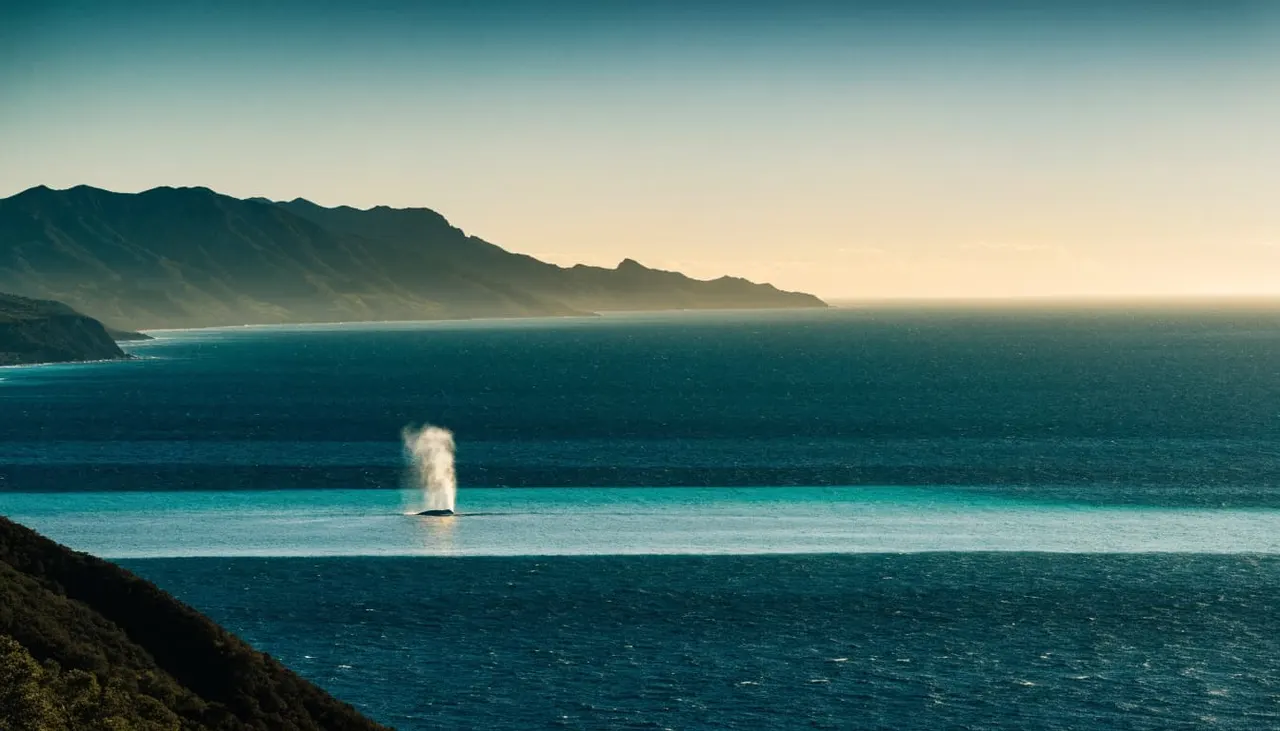
You can look for humpbacks from land or at sea. Each gives you a different view of the same winter migration.
Look out from shore
An open coastal overlook lets you scan without going on a boat. Watch for a brief puff above the horizon, a dark back breaking the surface, or a splash that stands apart from whitecaps. Bring binoculars if you have them, and give your eyes time to adjust to the movement of the sea.
The view depends on the weather and where the whales travel that day. A distant sighting is still a real encounter, so resist the urge to judge it only by how large a whale appears.
See more water from a boat
A boat gives you a changing view of the horizon as you move along the coast. Off Waikiki, you can enjoy the shoreline while the crew watches for signs of humpbacks. You may spot a whale in the distance, then get a clearer look when it surfaces again.
Parts of this wider winter habitat fall within the sanctuary protecting Hawaiian humpbacks. Established in 1992, it encompasses 1,370 square miles around the main Hawaiian Islands. Its boundaries show the scale of the habitat these whales use.
When to plan whale watching Oahu trips
The whale season is broader than any one tour schedule. Choose your dates with both in mind, especially if seeing humpbacks is a priority for your vacation.
Separate the broad season from tour dates
The sanctuary says visitors can see humpbacks around Hawaii from November through April. Another NOAA description extends the wider return period into May. Those dates aren’t a promise that whales will be equally easy to find throughout the season.
January through March is a practical window for planning around Oahu. Living Ocean Tours schedules its seasonal humpback cruises during those months. If your trip has several open days, consider booking your whale watch early. You’ll have more flexibility if weather affects a departure.
Expect variation from day to day
A whale can surface repeatedly, then stay out of sight while you scan. On another outing, a distant blow may be the only sign you catch. Wind, swell, visibility, and animal movement all shape the experience.
The same uncertainty applies during the busiest part of the season. Whale watching Oahu offers a chance to observe wild animals, never an appointment with a breach or a calf. Go ready to enjoy the search as well as the sighting.
What to look for when the ocean seems empty
Big splashes are easy to notice. Many encounters, though, begin with a small sign that lasts only a moment.
Start with the blow
A humpback’s exhale creates a short-lived cloud of mist called a blow. If you see one, keep watching nearby for a rounded back or dorsal fin. A tail fluke may lift before a deeper dive, although you won’t see a fluke every time a whale disappears.
Scan across the horizon rather than fixing your eyes on one spot. When someone on the boat calls out a sighting, find a nearby landmark along the coast or a patch of whitewater to help orient yourself.
Let small behaviors count
A full-body breach is spectacular, but a mother and calf surfacing side by side can be just as absorbing. You might also notice a long pectoral fin, a tail slap, or a whale rolling at the surface. None of those behaviors comes with a guaranteed repeat.
During whale watching Oahu outings, patience often gives you the clearest picture. Stay with a sighting long enough to notice whether the whale travels, surfaces again, or changes direction. You’ll see more than you would by searching only for the next splash.
Choose a whale watch that gives wildlife room
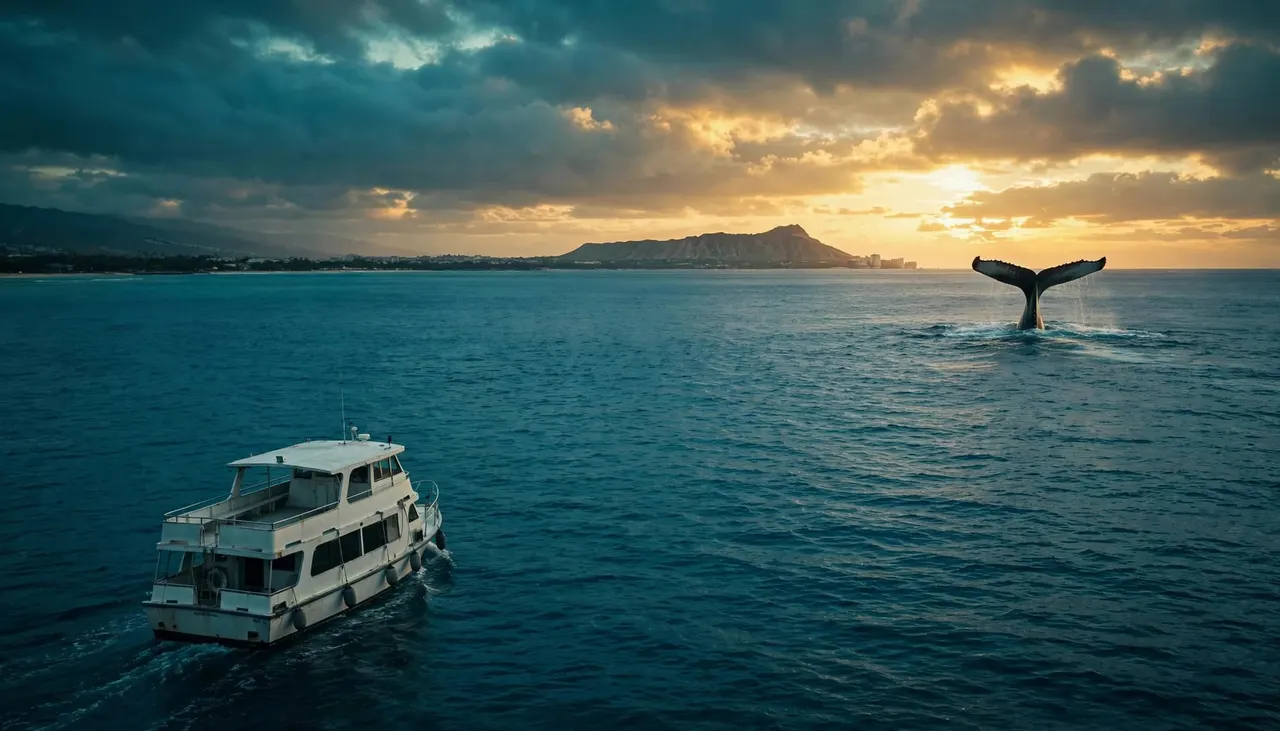
Your closest view isn’t always your best one. Space gives a whale room to travel and surface without a boat trying to dictate the encounter.
Watch without chasing
Look for a crew that observes patiently rather than pursuing every blow. A humpback can change course or stay underwater for an extended period. Letting it set the pace is especially important when you see a calf.
You’ll get more from the trip if you treat distance as part of responsible viewing. Listen to the crew’s directions, keep your camera ready, and enjoy the whale’s natural behavior wherever it appears. Never try to touch, feed, or swim toward a humpback.
Set out from Waikiki with Living Ocean Tours
Living Ocean Tours offers a seasonal whale-watching cruise from Kewalo Basin Boat Harbor, minutes from Waikiki. Its welcoming crew makes a winter outing approachable for families, couples, and first-time whale watchers. You can browse its seasonal whale watching in Waikiki alongside the company’s other ocean trips.
If the migration is a priority on your Oahu visit, check the current cruise schedule before choosing a day. You can CHECK AVAILABILITY for a whale-watching departure.
Prepare for sun, wind, and open water
Even a sunny Waikiki morning can feel breezy on the water. Bring sunglasses with a secure strap, sun protection, and a light layer. If you’re using a phone or camera, secure it before moving around the deck. You’ll be able to focus on a sudden blow instead of worrying about your gear.
If motion sickness affects you, plan before departure rather than waiting to feel unwell. Ask a pharmacist about suitable options and follow the product directions. Eating lightly beforehand may also help you feel comfortable.
For children, the search itself can be part of the fun. Help them look for a puff of mist or a dark curve above the swells, and remind them that whales may surface far from the boat. An adult can point out Diamond Head and the Waikiki coastline while everyone waits for the next sign.
Key Takeaways
- Hawaii’s winter waters support humpback breeding, calving, and nursing.
- You can see whales during a broad winter season, while January through March is a practical window for seasonal Oahu cruises.
- A blow, rolling back, or mother-and-calf pair may tell you more than a breach.
- Weather and whale movement change every outing, so no crew can promise a sighting.
- Patient viewing gives humpbacks space and lets you observe what they choose to do.
Frequently Asked Questions
Can a whale-watching cruise guarantee a sighting?
No. Humpbacks don’t follow boat routes or predictable surfacing times. Visiting during the winter season improves your opportunity, but weather, visibility, and whale movement affect each departure. A crew can search responsibly; it can’t schedule an encounter.
Can you see humpbacks from shore on Oahu?
Yes. NOAA says visitors can see whales from shore and at sea during the winter season. Choose a place with an open ocean view, scan slowly, and bring binoculars if you have them. How much you see depends on distance and conditions.
Does a breach mean a whale chose that spot to stay?
No. A breach tells you where a whale surfaced for one brief moment. It may dive, travel, or appear somewhere else next. If you keep scanning the surrounding water, you may catch another sign without assuming its route.
Conclusion
That first blow off Waikiki is a glimpse of a much larger journey. Humpbacks come to Hawaii’s winter waters to reproduce and care for young, then move through the islands on their own terms.
When you plan for the season and give the whales room to be wild, even a distant mother-and-calf sighting can stay with you long after the boat returns.


