
Whale Watching Oahu: What Humpback Tail Slaps Mean
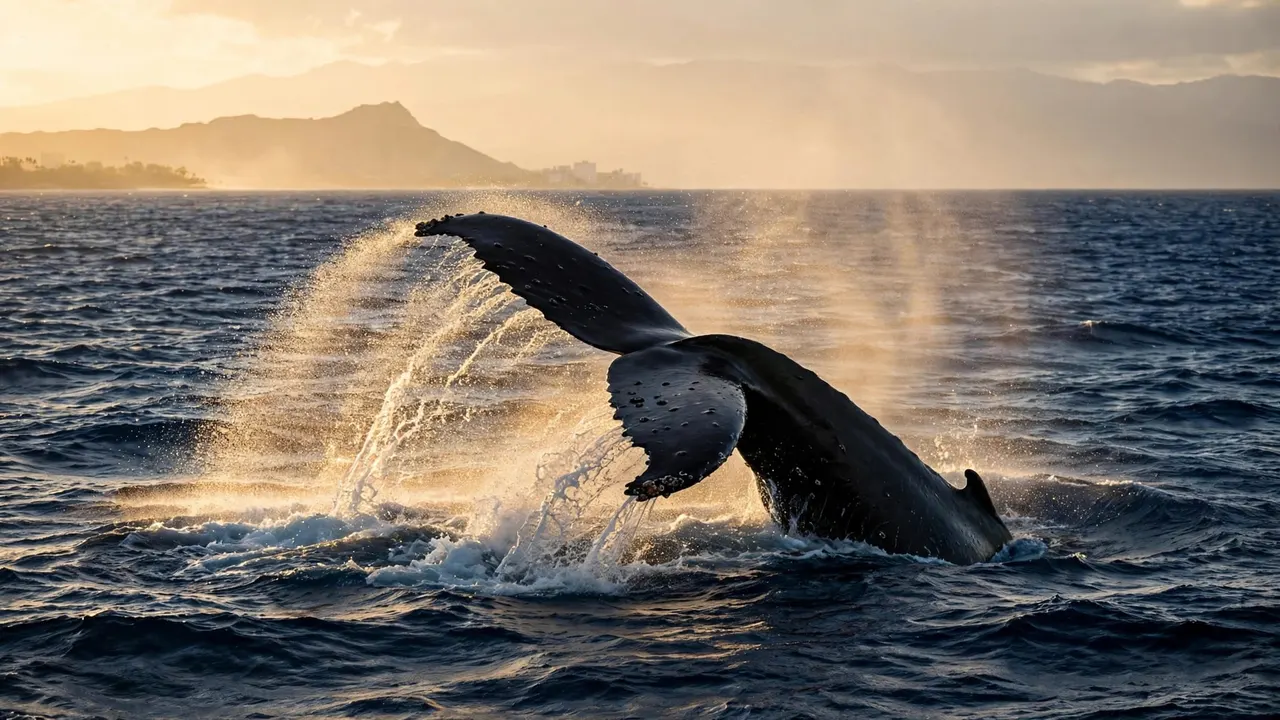
A humpback’s tail rises above the Pacific, pauses, then strikes the surface hard enough to throw up a wall of spray. On a Living Ocean Tours cruise off Waikiki, it’s the kind of moment that gets everyone looking in the same direction.
For whale watching Oahu visitors, a tail slap is exciting to see but easy to misread. You can recognize the behavior without pretending to know exactly what the whale intends. Start with what you can observe, then consider the other whales and activity around it.
Whale Watching Oahu: How to Recognize a Tail Slap
Look for the strike, not just the tail
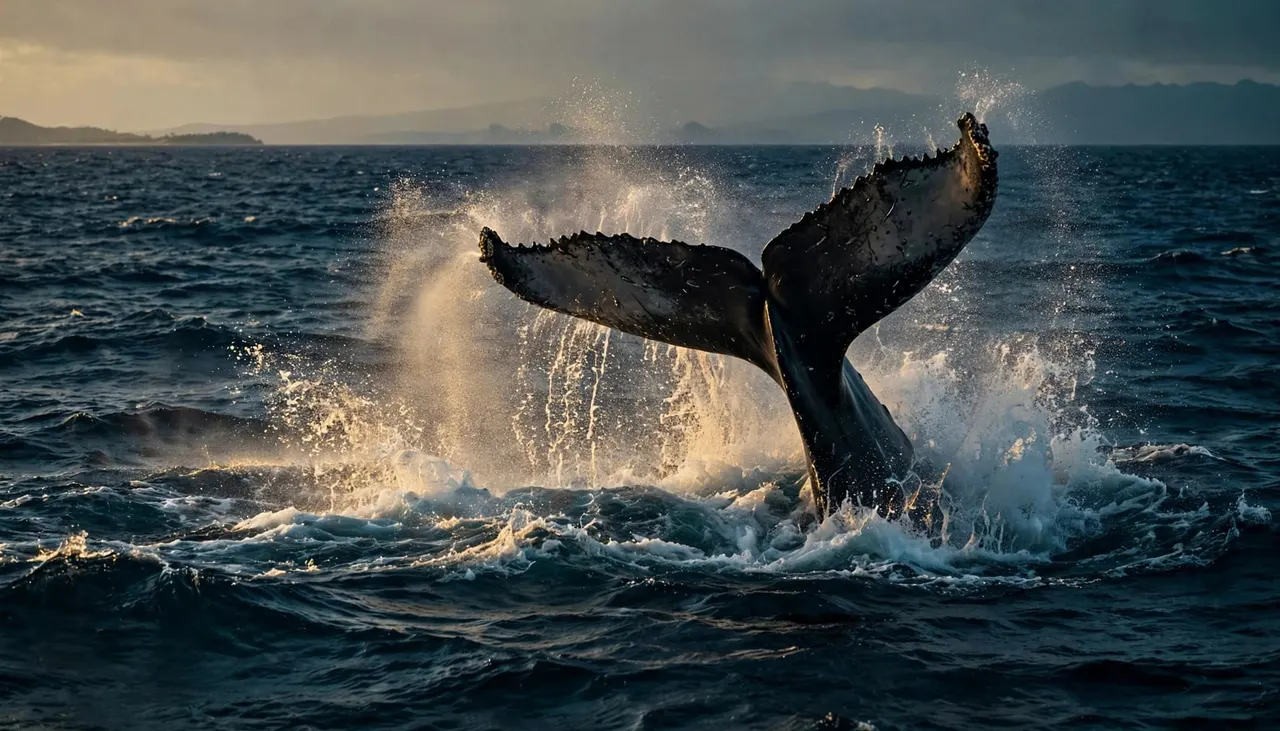
A humpback tail slap happens when the whale lifts its tail flukes and strikes the water’s surface. You may see a wide splash, whitewater, or several strikes in succession. NOAA Fisheries describes humpbacks as active at the surface, including slaps made with their tails or pectoral fins.
At a distance, the splash might catch your eye before the whale does. Keep watching the surrounding water: the animal may surface again, move away, or disappear beneath a swell. A second strike isn’t guaranteed.
Don’t confuse a slap with a dive
Humpbacks also raise their tails when they dive. In that case, the flukes may lift smoothly above the surface and slip underwater without a forceful strike. The motion and splash help you tell the behaviors apart.
If you get a clear look at the underside of the flukes, notice the pattern of light and dark markings. Scars and notches can also vary between whales. You don’t need to identify the individual to enjoy the sighting, but those details help you remember what you saw.
What a Humpback Tail Slap Might Mean
It may be part of social activity
Humpbacks gather in Hawaiian waters during the breeding season, so a surface display can happen near other whales. A tail strike produces a visible splash and sound. Researchers consider surface-active behavior when studying how humpbacks interact, but one slap doesn’t come with a reliable translation.
NOAA’s humpback whale biological report discusses tail slaps among surface-active behaviors. It doesn’t assign every strike a single purpose. If you hear that a slap always means anger or always calls another whale over, treat that explanation with caution.
The setting gives you clues, not certainty
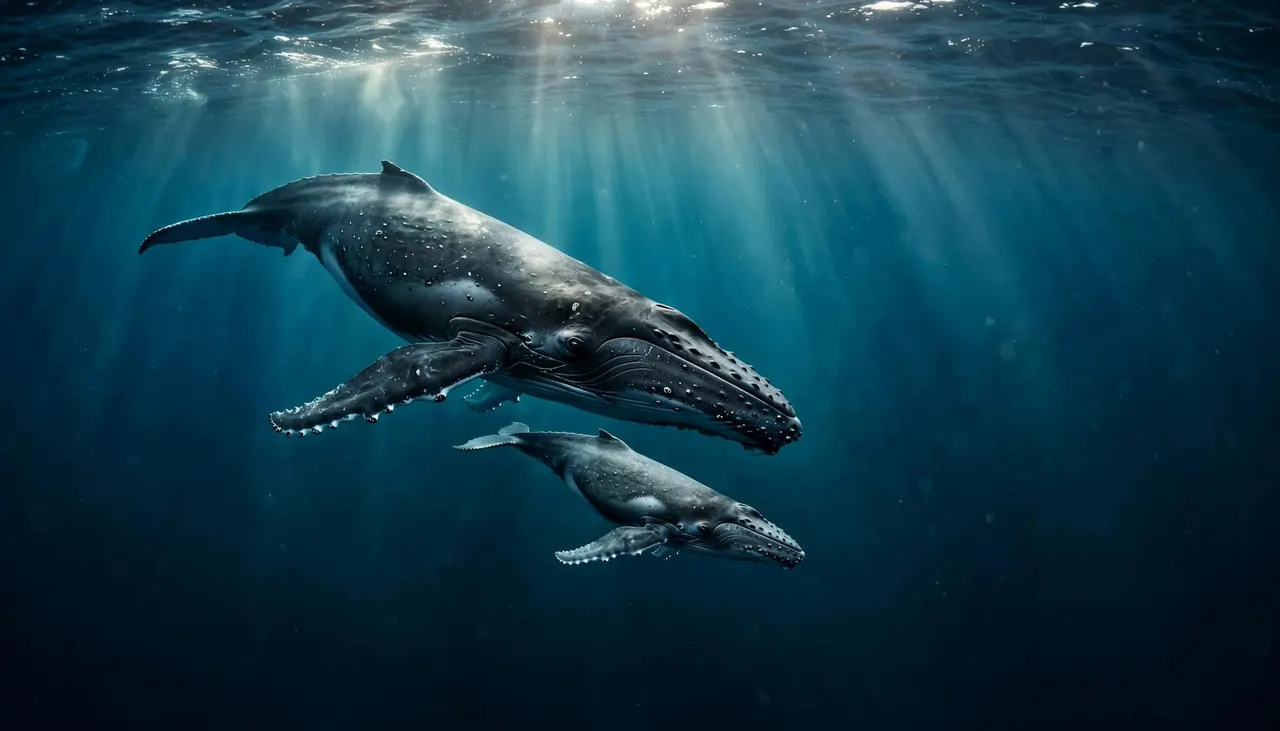
Watch what happens before and after the strike. Are several whales surfacing nearby? Does the same animal repeat the action? Is a calf beside a larger whale? Those observations give you a fuller picture than the splash alone.
Still, you can’t confirm a whale’s motive from the deck. A calf may copy an adult’s surface activity, or two adults may be interacting, but a brief view rarely proves either explanation. The safest answer is often the most honest one: you saw a tail slap, and its exact purpose remains unknown.
Other Surface Behaviors You May See
Pectoral slaps and breaches
A pectoral slap involves one of a humpback’s long flippers striking the surface. Depending on the angle, a flipper’s pale underside can look strikingly bright against dark water. From far away, its splash may resemble a tail slap until you see which part of the whale is raised.
A breach is different again. Much more of the whale’s body comes out of the water before it falls back with a broad splash. Although all three behaviors draw attention, don’t use one label for every burst of whitewater.
Blows and rolling backs
Most sightings are less dramatic. A whale’s exhale can appear as a brief misty blow, followed by its rounded back and small dorsal fin. Sometimes the tail rises as the whale dives; sometimes it doesn’t.
While whale watching Oahu’s southern coast, scan widely rather than waiting in one spot for another slap. A quiet blow farther along the horizon may be your next sighting. Tell the crew where you saw it, then give them room to assess the whale’s direction.
When to Look for Humpbacks Near Waikiki
Humpbacks visit Hawaii during the winter breeding season after spending much of the warmer year in northern feeding areas. The Hawaiian Islands Humpback Whale National Marine Sanctuary protects important habitat where you may see adults and calves.
Whales can be seen around Hawaii across a broader winter window, generally November through April. Living Ocean Tours schedules its seasonal humpback cruises from January through March, a useful planning period if whales are a priority for your trip.
Even during peak months, sightings vary. Wind, swell, visibility, and whale movement affect what you see. Book a whale watch early in your stay if your schedule allows; you’ll have more flexibility if ocean conditions change your plans. No crew can promise a tail slap, a breach, or even a whale on one particular departure.
Give Whales Room to Behave Naturally
Keep the required distance
Federal rules require vessels in Hawaii to stay at least 100 yards from humpback whales. NOAA Fisheries explains that distance in its marine life viewing guidelines. A splash can look close across open water, so let the captain judge position and manage the vessel.
If a whale approaches the boat on its own, follow the crew’s directions. Don’t assume a close pass means the animal wants contact. Respectful viewing gives whales space to travel, surface, and care for calves without a boat pursuing them for photos.
Keep the encounter on the boat
Never swim toward, touch, feed, or chase a humpback. That boundary matters even when a whale looks calm or surfaces repeatedly beside its calf. For whale watching Oahu’s waters, your best tools are patient eyes, a secure camera, and a crew that puts the animals’ welfare first.
You can still have a remarkable view from a legal distance. Watch how the whale moves between breaths and whether others surface nearby. Those details often stay with you longer than a rushed photograph.
Watch the Winter Waters With Living Ocean Tours
Living Ocean Tours departs from Kewalo Basin Boat Harbor, minutes from Waikiki. Its seasonal whale-watching cruises give you open views of the coast while the captain and crew search responsibly for humpbacks. You can explore its Honolulu ocean tour options when planning your time on the water.
The company’s Coast Guard-inspected, double-decker vessels have viewing space, shaded seating, and onboard restrooms. If you’re bringing children or you’re new to boat trips, tell the crew what would help you feel comfortable. Living Ocean Tours also stands out as the only tour company with professional snorkel guides, whose guidance is valuable when you choose a separate snorkeling outing.
You can CHECK AVAILABILITY for a seasonal whale watch. Pick a date that fits your trip, then come aboard ready for whatever the whales choose to show you.
Get Ready for an Open-Water Sighting
Dress for the ride, not only the forecast
Sun on shore doesn’t tell you how the moving boat will feel. Bring sunglasses with a secure strap, sun protection, and a light layer for the wind. Attach your phone or camera to a strap before moving around the deck, and use a spot where you can stand or sit steadily.
If you’re prone to motion sickness, eat lightly beforehand and ask a pharmacist or doctor about suitable remedies before travel. Let the crew know early if you feel unwell. You don’t need to spend the whole outing at the rail to keep an eye on the water.
Watch patiently between splashes
For anyone whale watching Oahu’s coast, the first sign of activity may be a distant blow rather than a spectacular leap. Sweep your gaze across the horizon and pause when you notice mist, a dark back, or fresh whitewater. Then look nearby for the whale’s next breath.
Give children a simple job, such as watching for blows on one side of the boat. Keep them close when people shift toward a sighting. A steady, shared view is more enjoyable than scrambling across the deck after every splash.
Key Takeaways for Your Whale Watch
- A tail slap is a forceful strike of the flukes against the water; a raised tail before a dive may produce little splash.
- The behavior may occur during social activity, but you can’t determine a whale’s exact intent from one sighting.
- January through March is Living Ocean Tours’ seasonal cruise window, although whales and their behavior are never guaranteed.
- Boats must remain at least 100 yards from humpbacks in Hawaii. Follow crew directions and let the whales choose their path.
Frequently Asked Questions
Does a tail slap mean a humpback is angry?
You can’t tell that from the slap alone. A tail strike may happen near other whales, and context can help you describe the event. It doesn’t prove the animal’s emotion or purpose. Notice whether the behavior repeats and what else happens nearby without assigning a fixed meaning.
Will you always hear a tail slap?
No. A forceful strike can be loud, but wind, boat noise, and distance affect what you hear. You may see whitewater first, particularly when the whale is far from the vessel. Never ask a captain to move closer for a better sound or photograph.
Can you guarantee a tail slap on an Oahu whale watch?
No. A whale may surface briefly, travel without an obvious display, or remain out of sight during your trip. Booking in the winter season improves your opportunity to look for humpbacks, not your ability to predict their actions.
Can you swim with humpback whales in Hawaii?
Keep your whale encounter on the boat. Don’t enter the water to approach a humpback or attempt to touch, feed, or interact with one. If you want time in the water, choose a separate, appropriately guided snorkeling excursion and observe marine life without touching it.
Let the Whale Tell Its Own Story
That sudden wall of spray is worth watching closely. You can identify the tail strike, notice the whales around it, and appreciate the moment without claiming to know exactly what it means.
For whale watching Oahu visitors, respectful distance makes room for the behavior you came to see. The whale decides what happens next.


