
Whale Watching Oahu: How Humpback Songs Travel
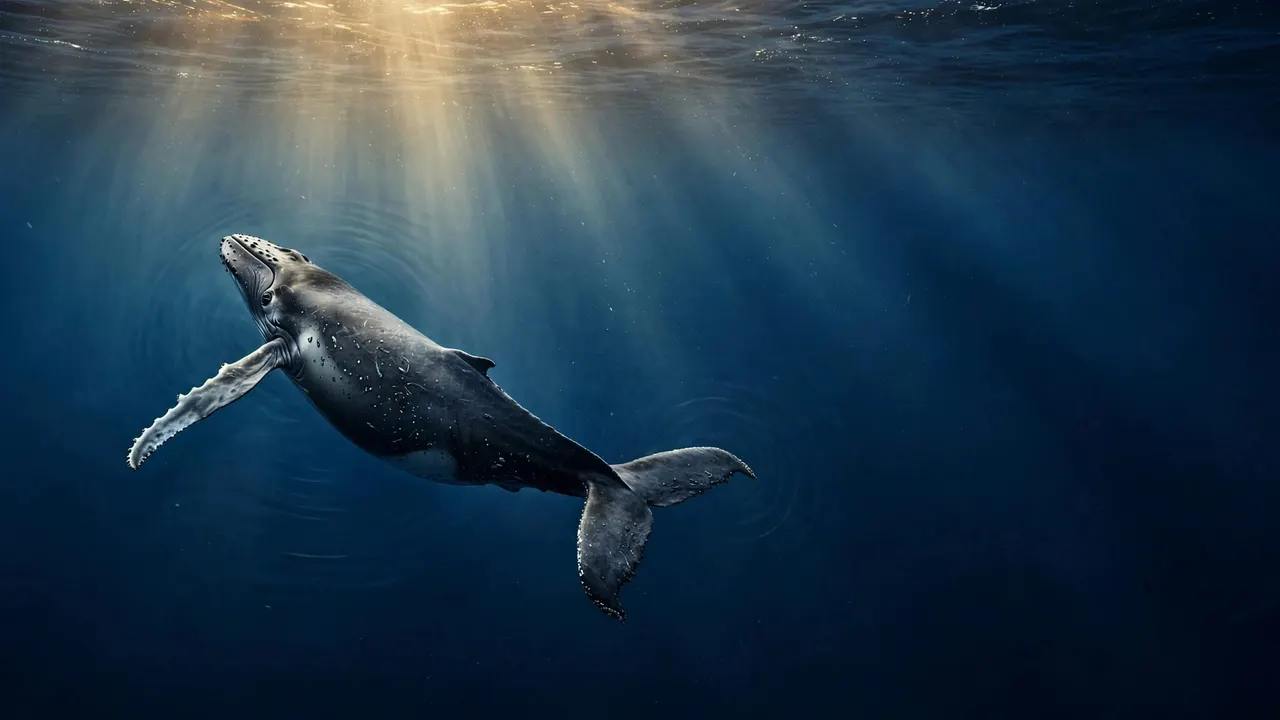
A humpback’s blow lasts seconds above the surface, while its song can shape the entire underwater soundscape around you. During whale watching Oahu season, you may see only a small piece of a whale’s daily life, yet the water below can carry patterned calls far beyond your view.
Living Ocean Tours departs from Kewalo Basin Boat Harbor, minutes from Waikiki, for seasonal winter encounters that put you close to Hawaii’s remarkable marine life without disturbing it. You get the best experience when you arrive ready to watch patiently and let the whales set the pace.
Whale Watching Oahu Puts You Near a Winter Soundscape
Hawaii is a breeding and nursery destination
Humpbacks travel to Hawaii’s warm waters to breed, give birth, and nurse calves. Hawaii is the only U.S. state where these whales make that annual breeding-season journey, which is why winter trips can feel so meaningful.
While a young calf builds strength, it may surface more often than an adult. You might spot a small blow beside a much larger one, a tail slap, a pectoral-fin wave, or a calf attempting a breach. Its mother stays close as the calf learns to travel through open water.
For many visitors, January through March is the strongest planning window for whale watching Oahu. However, a whale doesn’t follow a tour schedule. Weather, visibility, swell, and the animals’ own movements shape every outing.
Watch with Living Ocean Tours
Living Ocean Tours offers seasonal whale cruises aboard Coast Guard-inspected, double-decker vessels with shaded seating, restrooms, dry storage, and open deck space for scanning the horizon. The crew also includes the only professional snorkel guides among Honolulu tour companies, bringing patient, safety-focused wildlife knowledge to every ocean outing.
The company is known as Oahu’s top-rated and most-reviewed whale watching tour company. You can browse Oahu whale watching and snorkeling tours when you want to compare seasonal cruises, snorkeling trips, and sunset experiences.
Why Humpbacks Depend on Sound
Sound carries information underwater
A whale lives in a world where vision has limits. Sunlight fades with depth, and surface conditions can block a clear view. Sound gives humpbacks a way to communicate and assess what is around them when sight alone isn’t enough.
According to NOAA Fisheries on a whale’s world of sound, marine mammals rely on underwater sound as a primary way to communicate and understand their environment. For a humpback, a call can move through water where a visual signal cannot.
That doesn’t mean every noise has one proven meaning. Whales produce a range of sounds, and scientists continue to study how specific calls relate to social behavior, location, and other conditions.
Songs belong mainly to male humpbacks
The long, patterned vocal displays called songs come mainly from mature male humpbacks. A song contains repeating sounds and phrases, rather than one simple call. As a result, it creates a rich soundscape beneath the calm water you see from a boat.
NOAA repository research on Hawaii’s humpback whale song describes song as an elaborate acoustic display produced by mature males in the breeding area. During winter, that activity can become a major part of the ambient sound in Hawaiian waters.
A whale at the surface may look still, but the water around it can hold calls and songs that your eyes cannot detect.
How Humpback Songs Travel Through Water
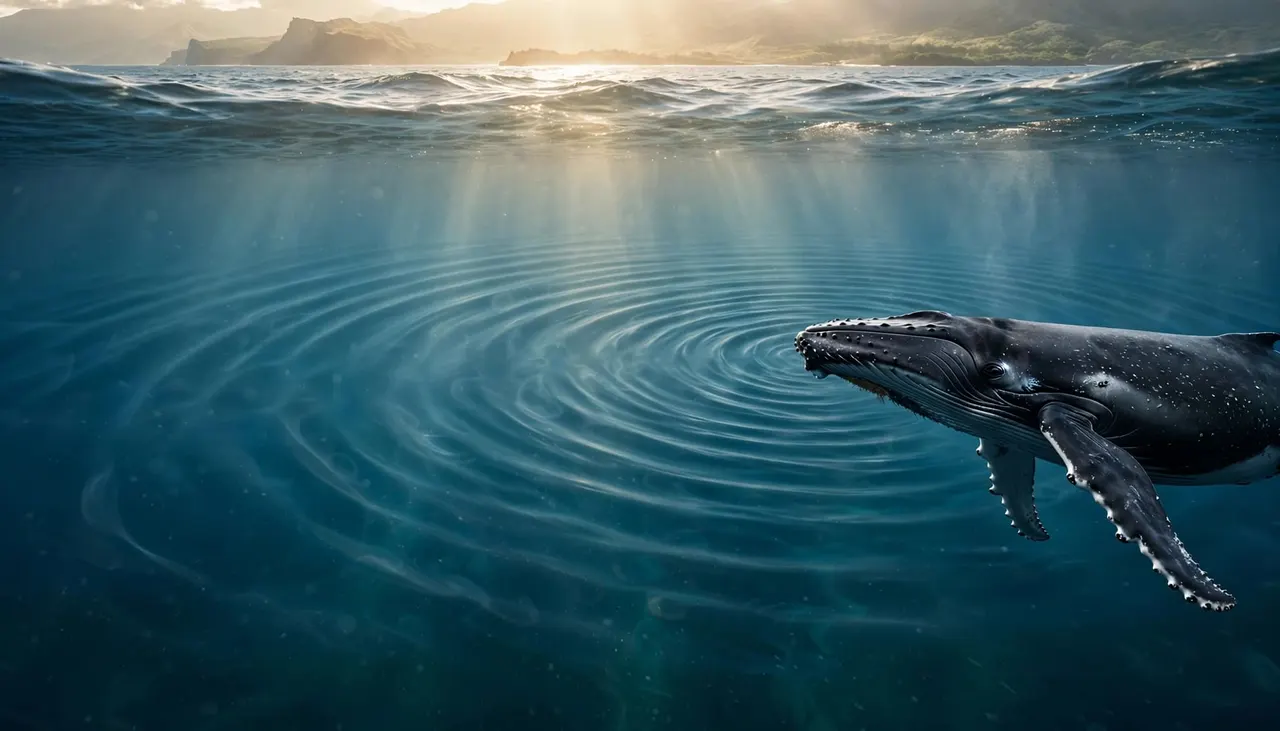
This illustration represents underwater sound transmission. Whale song travels as pressure waves that you cannot see.
Water carries sound differently than air
A humpback song begins with vibrations produced by the whale. Those vibrations move through the surrounding seawater as changes in pressure. Your ears aren’t built to hear those underwater sounds from the deck, but hydrophones can record them.
The Pacific isn’t silent beneath the surface. Waves, rain, vessels, reef life, and marine mammals all add to the background. Still, humpback song can become especially prominent during Hawaii’s winter season.
NOAA acoustic monitoring of humpback whale chorusing reports that male humpback song becomes the dominant source of underwater ambient noise in many parts of Hawaii between December and April.
A song is more than a single note
Humpback songs contain repeated sections that can change over time. Individual males may sing in the same area, creating a chorus rather than one isolated voice. You may never hear that chorus directly during whale watching Oahu, yet it is part of the seasonal activity below the boat.
Scientists avoid treating a whale song as a simple human-style message. Researchers know it is structured and important to the animals, but they continue to investigate its complete purpose. That uncertainty makes underwater recordings so valuable.
A breach or tail slap may be the surface moment everyone remembers. The song beneath it tells a different part of the whale’s story.
What You May See on an Oahu Whale Watch
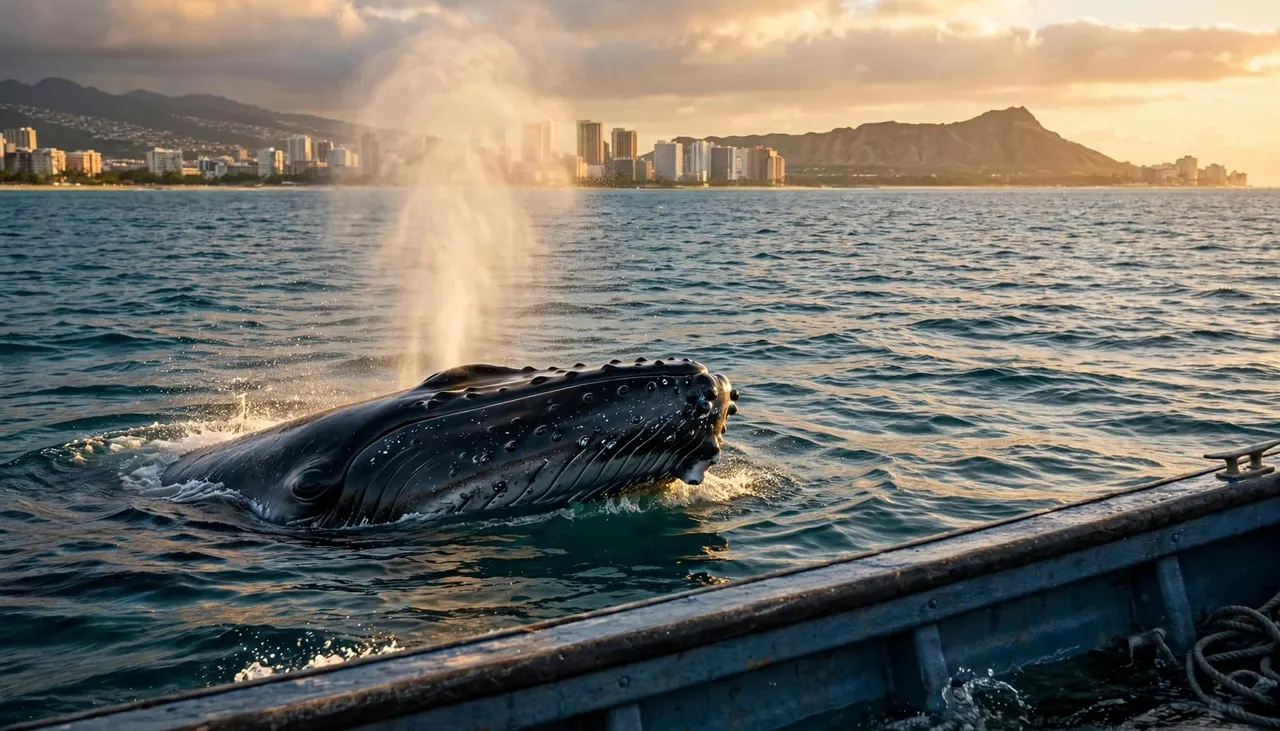
The first sign is often a distant blow, a brief puff of mist against the horizon. Then you may see a dark back roll through a swell, a dorsal fin, or tail flukes rising before a dive.
A breach is spectacular, but it isn’t the only behavior worth watching. A mother and calf moving together can be just as memorable. Calves may surface frequently while their lungs and diving ability develop, although every pair follows its own rhythm.
Living Ocean Tours runs seasonal departures from January through March, when humpback activity near Oahu is often strong. The crew searches responsibly, but no ethical operator can promise a whale, breach, song, or mother-and-calf sighting on a particular trip.
When your Waikiki plans are set, CHECK AVAILABILITY for a seasonal cruise.
How Scientists Listen Below the Surface
Hydrophones record what guests cannot hear
A hydrophone is an underwater microphone. Researchers place hydrophones in the ocean to capture sounds that would otherwise remain hidden below the surface. These recordings help document when humpbacks are present and how the winter soundscape changes.
You can hear examples through NOAA acoustic surveys of whale song, which shares recordings connected to research in the Hawaiian Islands Humpback Whale National Marine Sanctuary.
Listening also fills gaps between sightings. A whale may be out of view, underwater, or far from shore, while its sounds can still show that humpbacks are active in the area.
Surface sightings and recordings tell different stories
A whale watch gives you a direct view of wild behavior. You may notice blows, flukes, tail slaps, or a calf beside its mother. Acoustic monitoring gives researchers another layer of information about activity that occurs beneath the surface.
Together, these perspectives make whale watching Oahu more interesting. You aren’t only searching for an exciting breach. You are sharing winter waters with animals participating in a complex seasonal gathering.
Give Humpbacks Room to Choose Their Course
Federal rules require vessels in Hawaii to stay at least 100 yards from humpback whales. That space matters, especially when you see mothers and calves. A respectful captain doesn’t chase a whale for a closer photo or try to force an encounter.
Keep your whale encounter out of the water. Never swim toward, touch, feed, call out to, or attempt to interact with a humpback. Save your water time for approved snorkeling sites, where professional guides can help you enjoy reefs responsibly.
On deck, listen to crew directions and move carefully. Keep cameras secure, avoid leaning over railings, and let the captain manage the boat’s position. A distant blow can become a better memory than a close pass that disrupts a whale’s path.
Key Takeaways for Your Whale Watch
- Whale watching Oahu is strongest for many visitors from January through March, although each trip depends on conditions and whale movement.
- Mature male humpbacks produce the long, patterned songs associated with Hawaii’s winter soundscape.
- You may see a breach, tail slap, rolling back, fluke, or mother-and-calf pair, but none of those behaviors can be guaranteed.
- Hydrophones reveal songs below the surface that you may not hear from a boat.
- Respectful distance gives whales room to travel, rest, socialize, and care for calves naturally.
Frequently Asked Questions
Can you hear humpback songs from a whale-watch boat?
Usually, you should not expect to hear songs directly from the deck. Humpback songs travel underwater, and hydrophones are the tools researchers use to record them. Your captain may point out surface behavior, while the whale’s larger acoustic world remains below.
Can a whale-watching tour guarantee humpback sightings?
No. A crew can travel through seasonal habitat and search carefully, but whales control their routes and surfacing patterns. Weather, swell, visibility, and daily movement affect what you see.
Can you swim with humpback whales in Hawaii?
No. You should never approach, touch, feed, chase, or try to interact with humpbacks in the water. This is especially important around mothers and calves, which need open space to travel and rest.
What should you bring for a winter whale watch?
Bring reef-safe sunscreen, sunglasses with a strap, a hat that fits securely, a light layer for wind, and a secured phone or camera. Wear shoes with good grip, especially if you are traveling with children.
Let the Ocean Set the Pace
A whale watch becomes more meaningful when you see it as more than a search for a breach. Beneath the surface, male humpbacks may be adding their songs to Hawaii’s winter waters while mothers guide calves through their first months of life.
Bring patience, follow the crew’s guidance, and give each whale the space to move freely. That respectful approach gives you a more natural view of these extraordinary animals.


