
Whale Watching Oahu: What a Humpback Spyhop Reveals
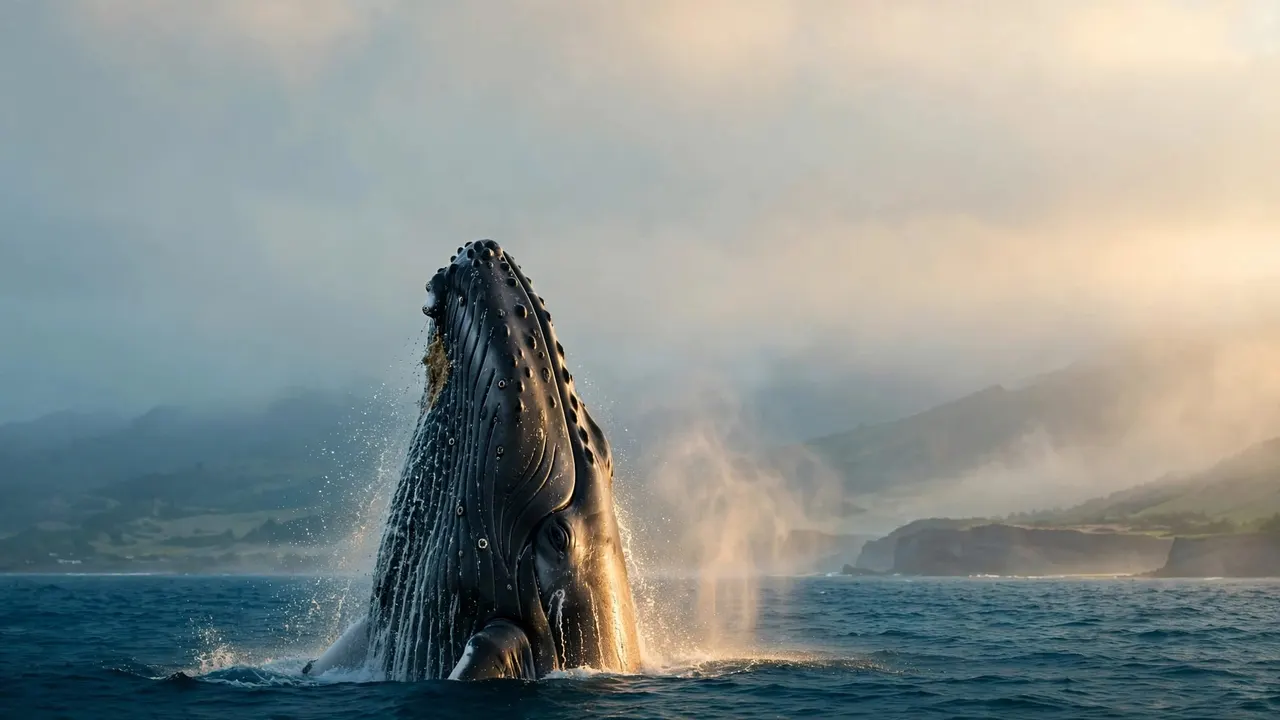
A humpback’s head rises straight out of the Pacific, pauses above the surface, then slips back below. That rare move, called a spyhop, can become the moment you remember most during whale watching Oahu.
Living Ocean Tours offers seasonal winter cruises from Kewalo Basin Boat Harbor, minutes from Waikiki, where you can search the south-shore horizon with a crew that puts wildlife first. A spyhop is never promised, but knowing what it may mean makes every surface moment more memorable.
What a Humpback Spyhop Reveals
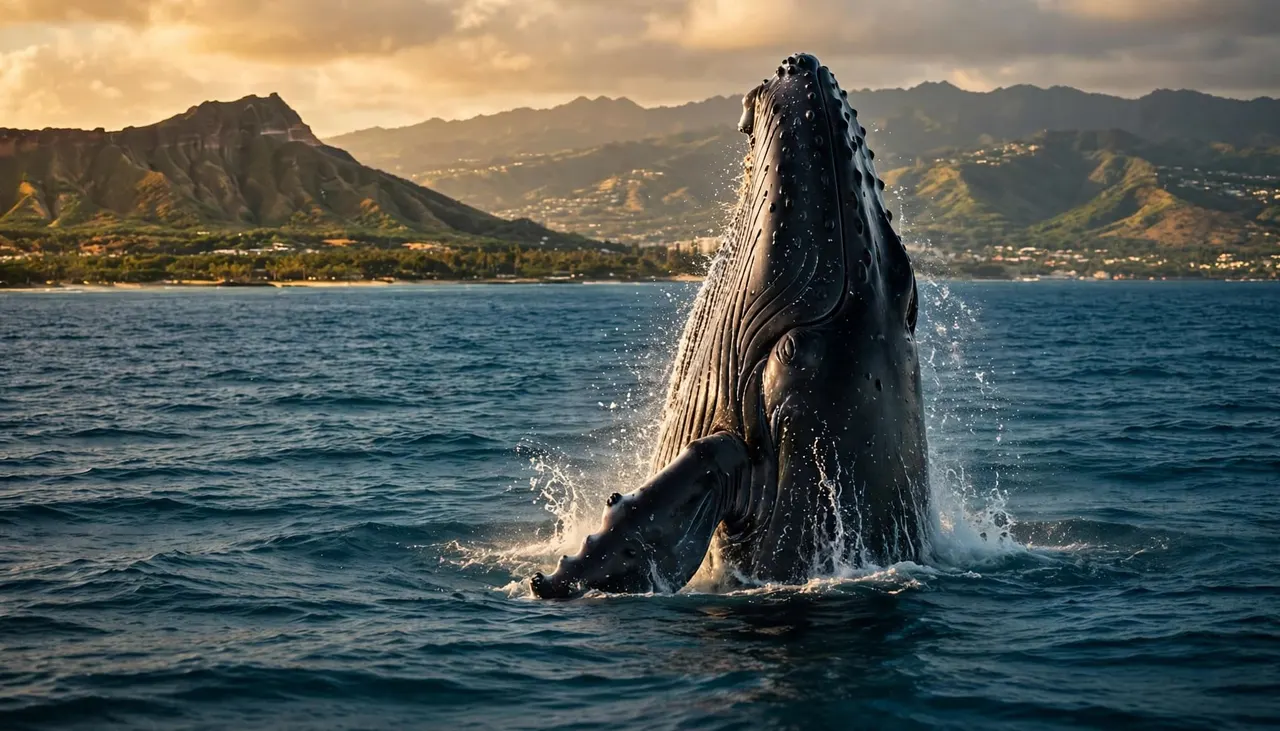
A spyhop happens when a whale rises almost vertically, bringing its head and sometimes part of its upper body above the water. Unlike a breach, the whale usually moves slowly and creates little splash.
You may only see the rounded head, knobby tubercles, and dark water streaming from the whale’s skin. Because the movement can be quiet, scanning the water between bigger displays often pays off.
How to recognize a spyhop
A breach launches much of the whale’s body into the air. A spyhop looks more like a slow periscope motion. The whale remains upright for a brief moment before sinking beneath the surface.
Look for an unusually tall, dark shape that stays nearly still against the horizon. From a moving boat, the view can last only seconds, so keep your eyes up after a blow or a rolling back.
What you can and cannot infer
A spyhop may help a humpback observe conditions above the water, but no one watching from a boat can know exactly what a whale sees or why it chose that moment. It might occur near other whales, boats, swell, or open water.
Treat the behavior as an observation, not a story with a fixed answer. Your best memory may be the whale’s unhurried choice to rise, look around, and return to its own path.
A spyhop is striking because it is quiet. The whale controls the distance, timing, and duration of the encounter.
When Whale Watching Oahu Is Most Active
Humpbacks can appear around Hawaii beyond the busiest winter weeks. Still, whale watching Oahu is easiest to plan from January through March, when humpback abundance in Hawaii usually peaks.
Living Ocean Tours schedules seasonal whale-watch departures from January 2 through March 31. If seeing humpbacks is high on your vacation list, book early in your stay so you have more flexibility around weather.
January brings regular activity
December can bring early arrivals, particularly late in the month. However, whale numbers generally build after New Year’s, so January gives you a more reliable starting point for a seasonal outing.
You may spot a distant blow, a back rolling through a swell, or whitewater from a breach far offshore. Wildlife activity still changes daily, even during a strong month.
February and March are strong choices
February and March often offer the best mix of humpback activity and available departures. March can also be a rewarding time for families, since mother-and-calf pairs may be present in Hawaiian waters.
The NOAA boating guide identifies January through March as the usual peak for humpback abundance. Better timing improves your chances, but no ethical operator can promise a spyhop, breach, or sighting.
Read the Small Signs Before a Whale Surfaces
The Pacific can look empty for long stretches, then change in seconds. During whale watching Oahu, learning the smaller signs helps you stay engaged when a whale isn’t putting on a dramatic display.
Humpbacks travel, socialize, rest, nurse calves, and move between islands on their own schedules. A quiet trip can still offer a meaningful look at the waters these animals use each winter.
Start with the blow
A humpback’s visible exhale, called a blow, may appear as a brief puff of mist above the horizon. On bright mornings, sunlight can make the spray easier to spot.
After you see a blow, watch the surrounding water for the smooth curve of the back and dorsal fin. Don’t expect the whale to surface in the exact same place. It may change direction or remain underwater longer than you expect.
Notice tail lifts and traveling patterns
A tail rising high before a dive can give you a clear view of the flukes. You may also see pectoral-fin slaps, tail slaps, or a breach in the distance.
None of these behaviors gives a complete explanation of what a humpback is doing. Instead, they offer a short glimpse into an animal moving through breeding and nursery waters.
Give Humpbacks the Space They Need
The closest encounter is not always the best one. A respectful captain lets the animals choose their direction while guests enjoy the view from a safe distance.
Federal rules prohibit approaching within 100 yards of a humpback whale in Hawaii. That space matters even more around mothers and calves, which need room to travel and rest without pressure from vessels.
The 100-yard rule protects the encounter
A whale that surfaces naturally at a distance can still fill your view with a tail slap or breach. Crowding it can interrupt normal behavior and create an unsafe situation for animals and people.
Follow crew instructions, remain calm when whales appear, and avoid calling out or trying to attract attention. The NOAA Fisheries marine-life viewing guidelines also prohibit harassment, pursuit, and harm of protected marine animals.
Boat speed depends on the situation
NOAA recommends a maximum speed of six knots within 400 yards of a whale. Its guidance also stresses vigilance, because a humpback can surface without warning.
Captains must read the conditions, whale location, and vessel traffic in real time. You can help by staying aware when moving around deck and letting the crew manage the approach.
A Comfortable Waikiki Whale-Watch Experience
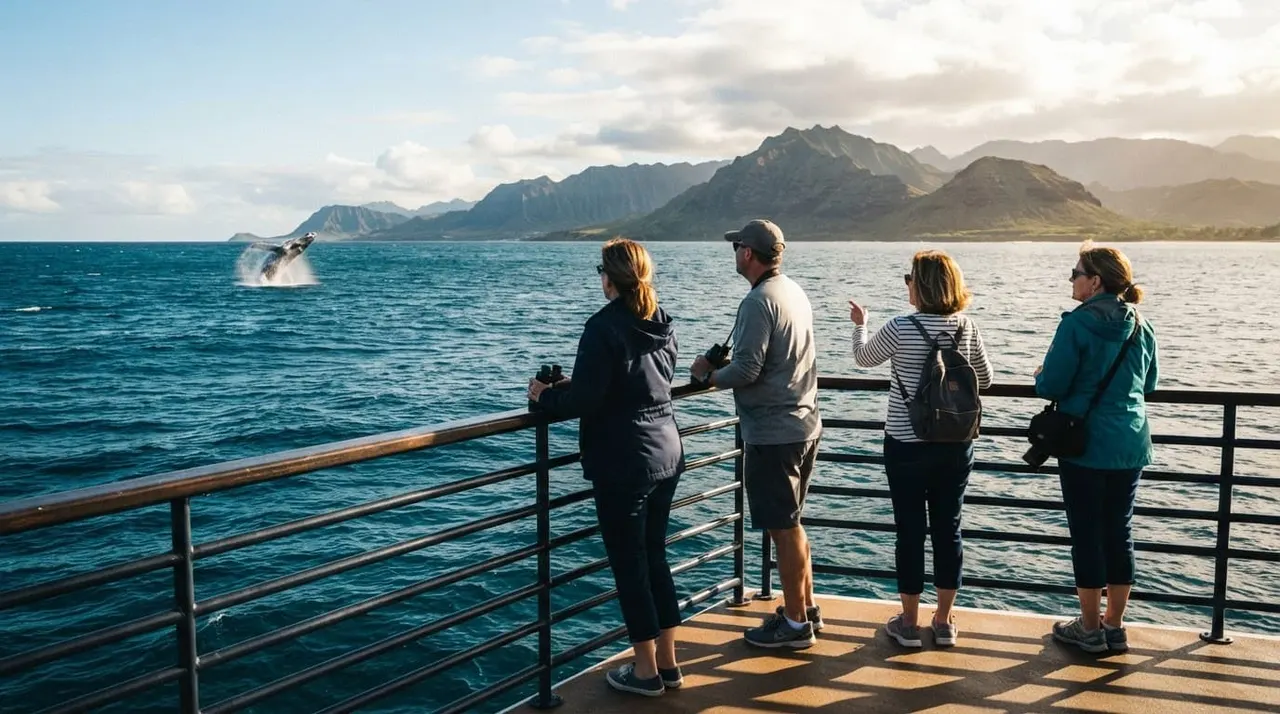
Living Ocean Tours runs its seasonal Oahu whale watching cruises from Kewalo Basin Boat Harbor. The approximately 1.5-hour experience welcomes guests ages 3 and up, with Waikiki, Diamond Head, and the south shore often in view.
Its Coast Guard-inspected double-decker vessels offer open deck space, shaded seating, onboard restrooms, dry storage, and sturdy ladders. The Lokahi also has a SeaKeeper stabilization system that helps reduce boat roll, although the ocean can still move.
Guidance that helps first-time guests
Living Ocean Tours is the only tour company with professional snorkel guides. That experienced, guest-focused approach carries into wildlife outings through clear safety direction and thoughtful care for families, couples, and first-time ocean guests.
You can explore Waikiki whale watching cruises alongside snorkeling, sunset, and wildlife options. Every trip should leave the animals free to continue their day.
Reserve your winter ocean time
A morning departure leaves the afternoon open for the beach or Honolulu sightseeing. An afternoon outing can suit families who prefer a relaxed hotel morning before heading to the harbor.
CHECK AVAILABILITY when your Hawaii dates are set, especially if you are visiting during busy winter weeks.
Prepare for Time on the Water
You don’t need special gear to enjoy a whale watch, but a few practical choices keep your attention on the horizon. Wear sun protection, sunglasses with a secure strap, and a light layer for wind or spray.
Eat a light meal before departure if motion affects you. If you use motion-sickness medicine, speak with a pharmacist or doctor before your trip. Once aboard, tell the crew early if you start to feel unwell.
Keep your phone secured when you move around the boat. Take a few photos, then lower the camera and watch with your own eyes. A distant blow or slow tail lift can feel more personal when you aren’t waiting for the perfect shot.
Key Takeaways for Your Whale Watch
- January through March is the strongest planning window for whale watching Oahu, with February and March often offering excellent seasonal conditions.
- A spyhop is a slow, upright surface behavior. It is exciting to see, but it does not reveal a whale’s exact intentions.
- Humpbacks in Hawaii are wild animals, not performers. You may see a breach, a mother and calf, a tail slap, or only distant blows.
- Federal rules require boats to stay at least 100 yards from humpback whales. Respectful distance supports natural behavior.
- A comfortable boat, patient crew, and realistic expectations make the time offshore more rewarding.
Frequently Asked Questions
Can a whale-watching trip guarantee a humpback sighting?
No. A crew can search appropriate winter habitat and monitor the horizon carefully, but whales decide where to travel and when to surface. Weather, visibility, and daily behavior affect every departure.
Can you swim with humpback whales in Hawaii?
You should not swim toward, touch, chase, or attempt to interact with humpback whales. Keep the encounter non-invasive and follow all instructions from your captain and crew.
Is a spyhop more likely than a breach?
Neither behavior follows a schedule. Breaches, tail slaps, flipper waves, and spyhops can all occur, but you may also see quiet travel behavior that is equally meaningful.
A Winter Wildlife Encounter Worth Watching For
A humpback spyhop turns an ordinary horizon scan into a remarkable moment, yet a quiet mother and calf surfacing together can be just as moving. Whale watching Oahu feels most rewarding when you give the animals space to set the pace.
Choose the strongest seasonal window, come prepared for changing conditions, and stay open to whatever the Pacific offers. The best sightings leave you with a clear view and leave the whales undisturbed.


