
Whale Watching Oahu: Are Sightings Guaranteed on Waikiki Tours?
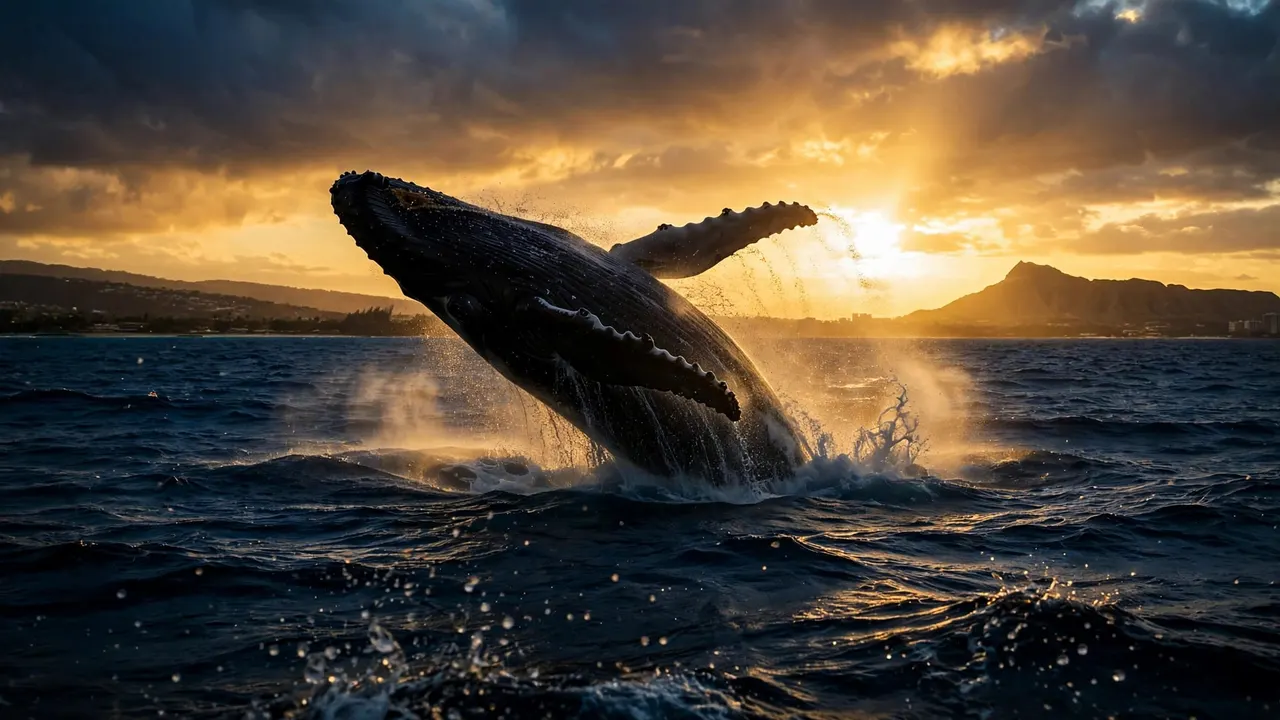
A humpback’s blow may appear above the horizon for only a few seconds, then disappear beneath the Pacific. Whale watching Oahu gives you a real chance to see these remarkable animals in winter, but no responsible tour can promise a sighting on every departure.
Living Ocean Tours operates seasonal cruises from Kewalo Basin Boat Harbor, minutes from Waikiki. You can head out with a crew that respects wildlife, keeps guests comfortable, and lets the whales control the encounter.
Whale watching Oahu is never a guaranteed encounter
Wild humpbacks don’t follow a route, surface schedule, or behavior script for boats. A tour can take you into the right waters during the strongest seasonal window, but it can’t guarantee that a whale will appear.
Why ethical operators can’t promise whales
Humpbacks travel, rest, socialize, nurse calves, and move between islands on their own terms. A mother and calf may remain in Hawaiian waters for a while, while another whale may pass Oahu after a short stay.
Weather also affects visibility. Wind, swell, glare, and rain can make it harder to spot a distant blow or a dark back breaking the surface. Even on a clear day, a whale can stay underwater for several minutes.
A guaranteed sighting claim would treat a wild animal like a scheduled attraction. Your best experience comes from a crew that watches patiently and gives the whales plenty of room.
A quiet trip can still be worthwhile
A breach is unforgettable, but it isn’t the only meaningful sighting. You may see a misty exhale, the smooth curve of a whale’s back, a tail fluke, or a mother traveling steadily with her calf.
The waters off Waikiki also give you ocean views toward Diamond Head and the Ko’olau Mountains. A whale-free outing can still be a relaxing way to see Honolulu’s coastline from a different perspective.
A wildlife cruise offers an opportunity, not a performance. The whales decide when, where, and how long they appear.
When whale watching Oahu is most promising
Humpbacks return to Hawaiian waters during winter to breed, give birth, and care for calves. The Hawaiian Islands Humpback Whale National Marine Sanctuary says visitors may see whales from shore and at sea from November through April.
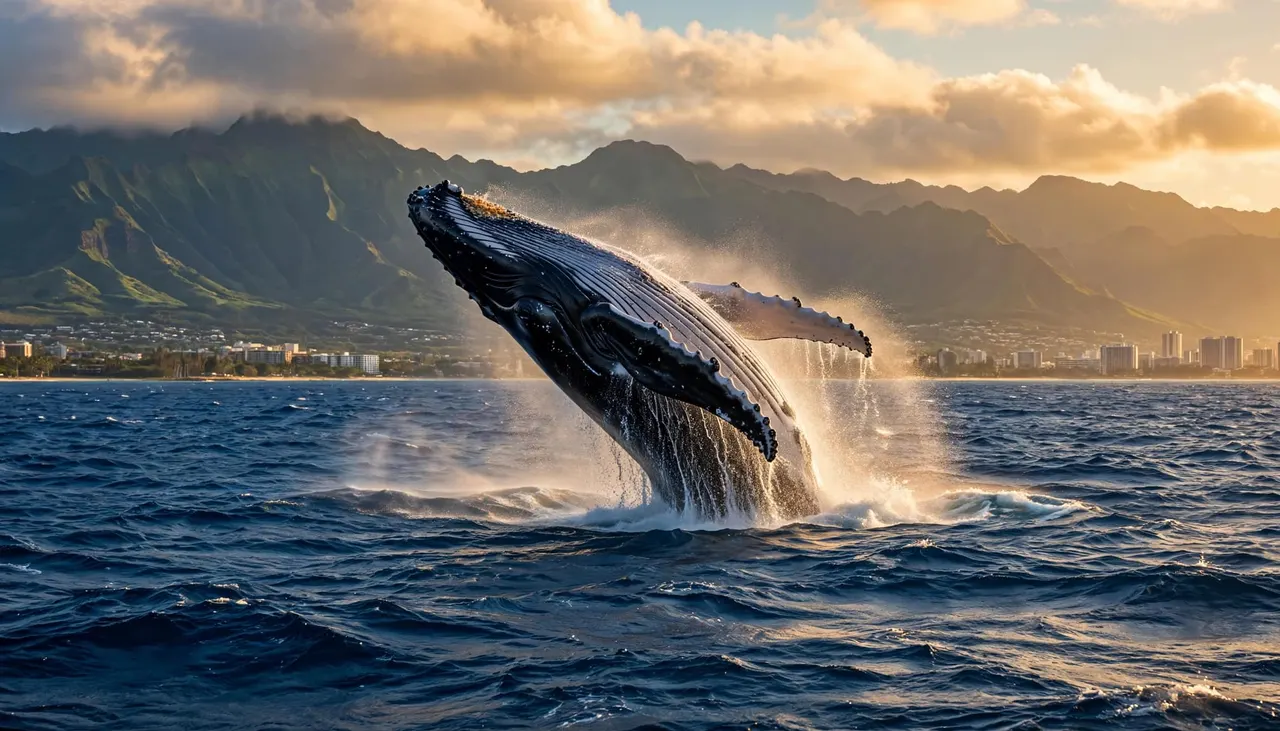
January through March offers the strongest window
Living Ocean Tours schedules seasonal whale cruises from January 2 through March 31. Those dates align with the period when whale activity near Oahu is often most consistent.
January brings more regular activity after early-season arrivals. February and March are often the best choices if whales are high on your vacation list. During those months, you may spot distant breaches, tail slaps, flipper waves, or mother-and-calf pairs.
Still, stronger seasonal conditions improve your odds, not the whales’ schedule. A late-January trip may be extraordinary, while a March outing may bring only a few distant blows.
December and April need flexible expectations
December can bring early arrivals, especially later in the month. However, whale numbers tend to build after the new year, so treat a December outing as a seasonal bonus.
April can still produce sightings as whales begin their northbound migration. Yet departures and available tour dates may be more limited. If you have flexible travel dates, February or March usually gives you the best balance of whale activity and tour availability.
Why sightings change from one Waikiki cruise to another
A population’s seasonal presence doesn’t mean every individual whale stays near Oahu for the same amount of time. Humpbacks move according to breeding activity, calf care, ocean conditions, and migration timing.
Whale behavior changes throughout the day
You might see several adults traveling together on one cruise. On another day, a mother and calf may surface quietly, then disappear together beneath the water.
Breaches, tail slaps, and pectoral-fin waves can happen, but they aren’t promises. A whale may be active near the horizon, then remain below the surface during the rest of your viewing time.
Watch for a sequence rather than one dramatic moment: a visible blow, a rolling back, a dorsal fin, and perhaps a tail lift before a dive. The first sign is often easy to miss unless you keep scanning.
Shore counts don’t predict your boat tour
NOAA’s Sanctuary Ocean Count takes place three times each peak season and provides a snapshot of whales seen from shore. Those results show that whales use Hawaiian waters in winter, but they don’t measure success on a specific Waikiki boat trip.
Your captain has a wider view than you get from the beach, yet the crew still can’t control where a whale surfaces. That uncertainty is part of watching animals in their natural habitat.
Choose a Waikiki tour for more than the sighting promise
A good whale-watching trip should feel worthwhile even if the ocean stays quiet. Before you book, look beyond marketing photos and ask practical questions about the boat, crew, route, and guest comfort.
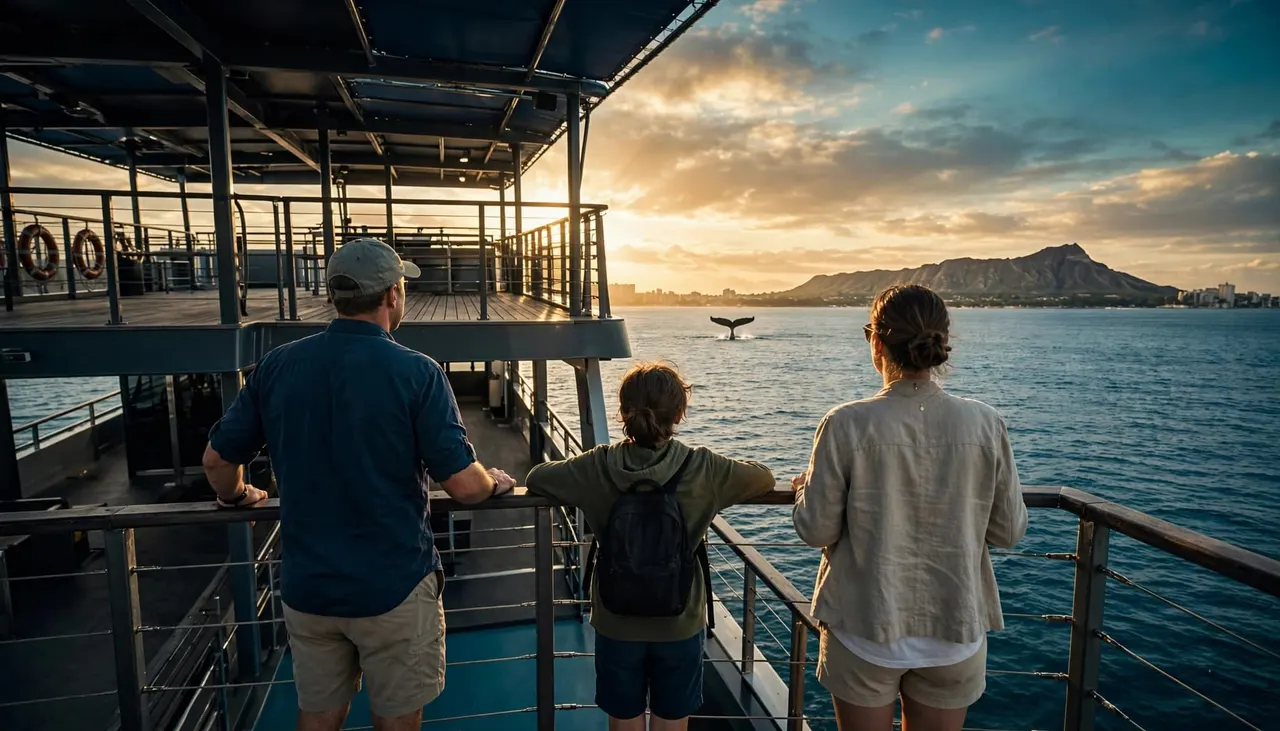
Prioritize comfort and clear views
Ask whether the vessel has open viewing areas, shade, restrooms, and secure places for personal items. If motion sickness affects you, choose a seat where you can stay comfortable and ask the crew where conditions may feel steadier.
A double-decker boat can give you more viewing space, though you should move only when the crew says it is safe. Wear sun protection, bring a light layer for the ride back, and secure your phone or camera with a strap.
Morning cruises leave your afternoon open for the beach or Honolulu sightseeing. An afternoon departure may fit better if your family prefers a slower hotel morning. Pick the time that makes your day easier.
Look for respectful wildlife practices
Whales need space to travel, rest, socialize, and care for their young. You should never try to swim toward, touch, feed, or chase a humpback, especially when calves are nearby.
Stay in the viewing areas the crew directs you to use. Avoid rushing across the deck when someone spots a whale. A calm group helps the captain maneuver safely and lets everyone enjoy the view.
Living Ocean Tours offers a comfortable seasonal option
Living Ocean Tours runs whale watching tours from Waikiki from Kewalo Basin Boat Harbor. The company offers seasonal departures from January through March, a practical window for visitors who want to spend time searching Oahu’s south-shore waters.
Built for families, couples, and first-time guests
The whale-watch experience lasts about 1.5 hours and welcomes guests ages 3 and up. Coast Guard-inspected, custom-built double-decker vessels include shaded seating, onboard restrooms, dry storage, and open deck space for ocean views.
Living Ocean Tours is also the only tour company with professional snorkel guides. That experience carries across its ocean excursions through clear safety direction, patient guest care, and respect for Hawaii’s marine environment.
If you want to add another ocean outing to your trip, browse the company’s Oahu ocean tours, including snorkeling, sunset, wildlife, and seasonal cruise options.
Let the crew handle the search
Living Ocean Tours’ captains and crew watch the horizon while you enjoy the ride and views of Waikiki’s coastline. Their job is to position the vessel responsibly, not to pressure wildlife into a close encounter.
A humpback can reach extraordinary size, yet the most memorable moment may be a quiet one, such as a mother and calf surfacing together. Give the animals space, listen to the crew, and let the experience unfold naturally.
Key takeaways for your whale-watch plans
- Whale watching Oahu is seasonal and rewarding, but no Waikiki tour can guarantee a humpback sighting.
- NOAA identifies November through April as the broader window for seeing humpbacks around Hawaii.
- Living Ocean Tours schedules its whale cruises from January through March, when activity near Oahu is often strongest.
- February and March are smart choices when whale sightings are a major vacation priority.
- Your tour may include breaches, tail slaps, distant blows, or mother-and-calf sightings, but no specific behavior is assured.
- Respectful distance gives whales the freedom to travel and care for calves without disruption.
Frequently asked questions about Waikiki whale tours
Are whale sightings guaranteed on Waikiki tours?
No. Humpbacks are wild animals, and their movements change daily. A responsible operator can take you out during the right season and search productive waters, but it can’t promise a sighting or a particular behavior.
What are the best months for whale watching Oahu?
January through March is the strongest planning window for many visitors. February and March often offer the best combination of active whale season and available tours, while December and April can still bring sightings.
Will every trip include a breach?
No. Breaches are possible, but they aren’t scheduled events. You may instead see a blow, a back, a fluke, a fin wave, or a mother guiding a calf across the surface.
Can you swim with humpback whales in Hawaii?
No. You should not approach, touch, feed, or attempt to interact with humpbacks. Watching from a responsibly operated boat protects you and leaves the whales free to follow their natural behavior.
Plan for possibility, not certainty
The most rewarding whale watching Oahu experience begins with realistic expectations. Book during peak season, choose a comfortable boat, and let the crew guide your time on the water.
A whale sighting can’t be guaranteed, but patience and respectful viewing can turn even a brief glimpse into a lasting Hawaii memory.


