
Whale Watching Oahu: Morning or Afternoon?
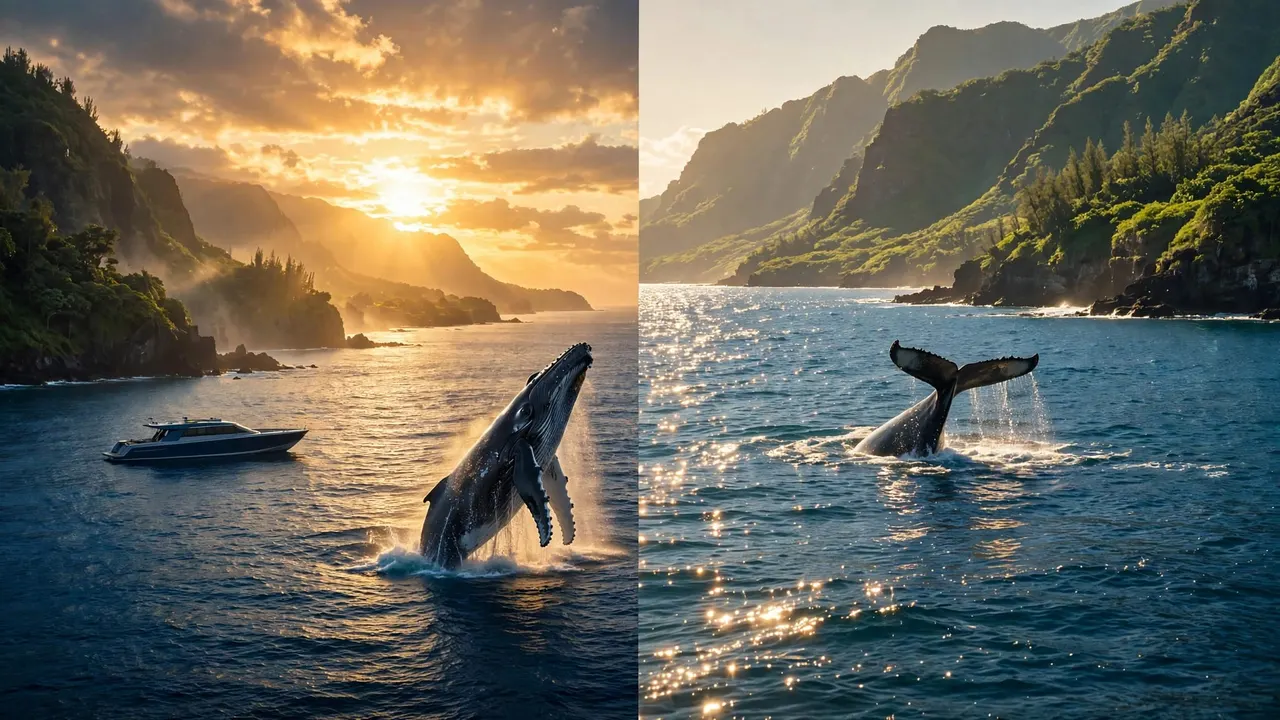
A humpback’s blow can appear for seconds, then vanish into the Pacific. For whale watching Oahu, the better departure time is the one that gives you space to slow down, watch the horizon, and enjoy the rest of your day.
Living Ocean Tours departs from Kewalo Basin Boat Harbor, minutes from Waikiki, during its January through March season. Whether you travel with children, plan a couples’ getaway, or want an ocean-focused morning, your itinerary should guide the choice.
Key Takeaways for Choosing Your Cruise
- Pick a morning departure when you want to reserve the rest of the day for the beach, sightseeing, or a relaxed Waikiki dinner.
- Choose an afternoon trip if your vacation mornings are already booked with breakfast, hiking, or slow starts at the hotel.
- Book during January through March if humpbacks are a priority for your trip.
- Keep expectations flexible. A whale may breach, tail-slap, travel with a calf, or stay below the surface for long stretches.
- Give whales room. Federal rules require vessels in Hawaii to stay at least 100 yards from humpback whales.
The right departure isn’t the one that promises the most action. It’s the one that lets you enjoy the ocean without racing to your next reservation.
Morning or afternoon whale watching Oahu: Start with your day
Morning and afternoon trips can both offer rewarding wildlife encounters. Whales follow their own paths, so no departure time can guarantee calm seas, a close sighting, or a dramatic breach.
Instead, consider where the cruise sits among your meals, activities, and travel time. A well-paced day makes the boat ride feel like a highlight, not another appointment.
Decide how much time you need afterward
A morning cruise leaves the afternoon open for Honolulu plans. You can schedule a beach break, visit nearby neighborhoods, browse shops, or return to your hotel before dinner.
An afternoon departure protects your morning. That choice works well when you prefer sleeping in, have an early activity planned, or need a slower start with young children.
Keep your plans close to the harbor
Kewalo Basin is near Waikiki, which makes it easier to pair a cruise with south-shore plans. Still, allow time for check-in, sunscreen, restroom breaks, and the trip back to your hotel.
Avoid scheduling a fixed reservation immediately after the boat returns. Ocean conditions, traffic, and the simple desire to linger over photos can make a tightly packed itinerary feel stressful.
A morning cruise gives your day more room
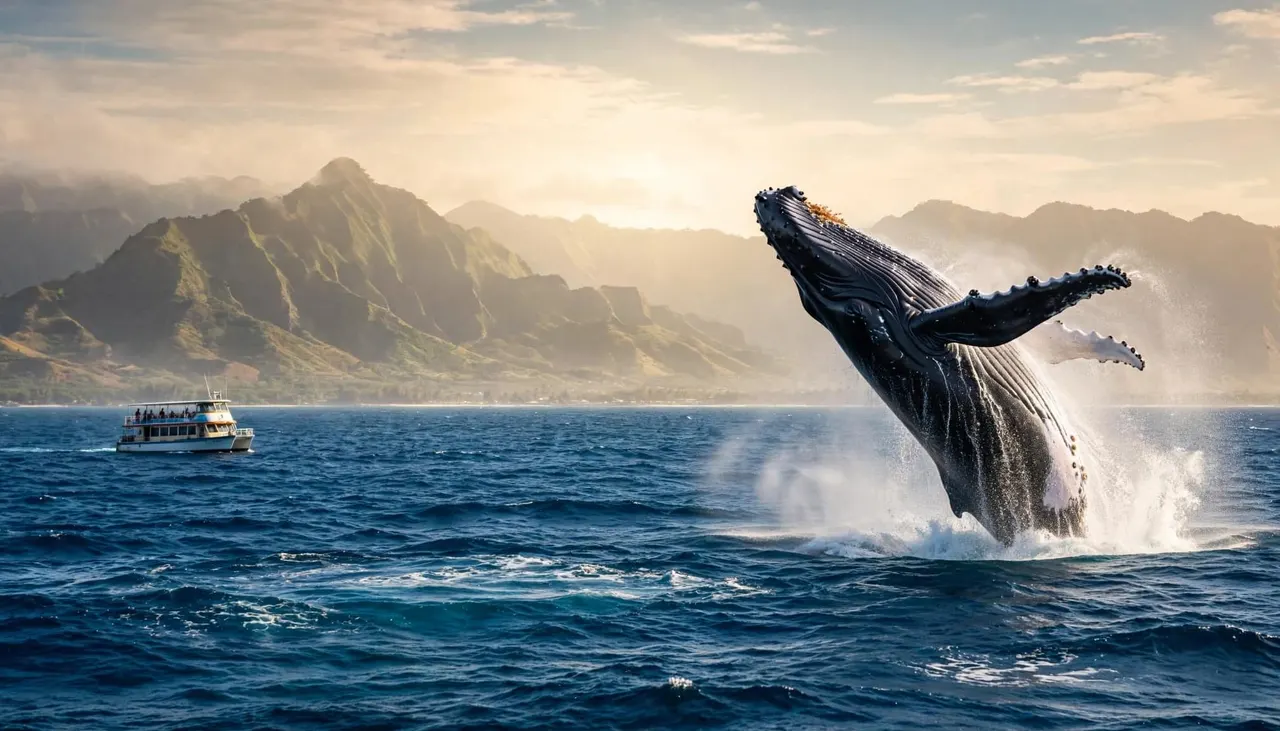
Morning whale watching Oahu departures work best when ocean wildlife is your first priority. You board before the day becomes crowded with beach bags, lunch plans, and sightseeing decisions.
The ride can also be a welcome reset after busy days exploring Oahu. Bring a light layer, sun protection, and a secured phone, then settle in and scan the water.
Build a flexible afternoon around the water
After a morning trip, you can keep your afternoon easy. Choose a casual lunch near Ala Moana, enjoy the sand at Waikiki, or head back to your room for a shower and rest.
Families often appreciate that breathing room. Children can enjoy the boat ride without having to rush directly into another long activity.
Pair whale watching with a land-based plan
Morning is a strong fit if you want the afternoon for Diamond Head, the Honolulu Museum of Art, Pearl Harbor, or a scenic drive. Leave enough time for transport and recovery, especially if anyone gets motion sick.
If snorkeling is also on your wish list, don’t force both activities into one rushed day. You can browse Oahu whale watching and snorkel tours and give each experience the attention it deserves.
An afternoon trip protects your vacation morning
An afternoon whale watching Oahu tour fits travelers who prefer unhurried mornings. You can eat breakfast, let children wake up slowly, or finish a sunrise walk before heading toward the harbor.
This timing also helps if you arrive in Honolulu late the night before. A calm morning at the hotel can make the boat ride more enjoyable.
Let breakfast and beach time set the pace
A resort breakfast, a swim near Waikiki, or a few hours by the pool can fit comfortably before an afternoon cruise. Eat lightly if you are prone to motion sickness, and avoid arriving overly full.
The sun can feel intense on the water, so reapply reef-safe sunscreen and bring sunglasses with a secure strap. A lightweight windbreaker helps once the boat begins moving.
Leave the evening free after the cruise
An afternoon boat outing can flow naturally into a Waikiki dinner. Couples may prefer that rhythm because it keeps the day open without sacrificing time on the ocean.
However, don’t assume an afternoon whale watch will become a sunset cruise. Confirm the current schedule and return time before making evening reservations.
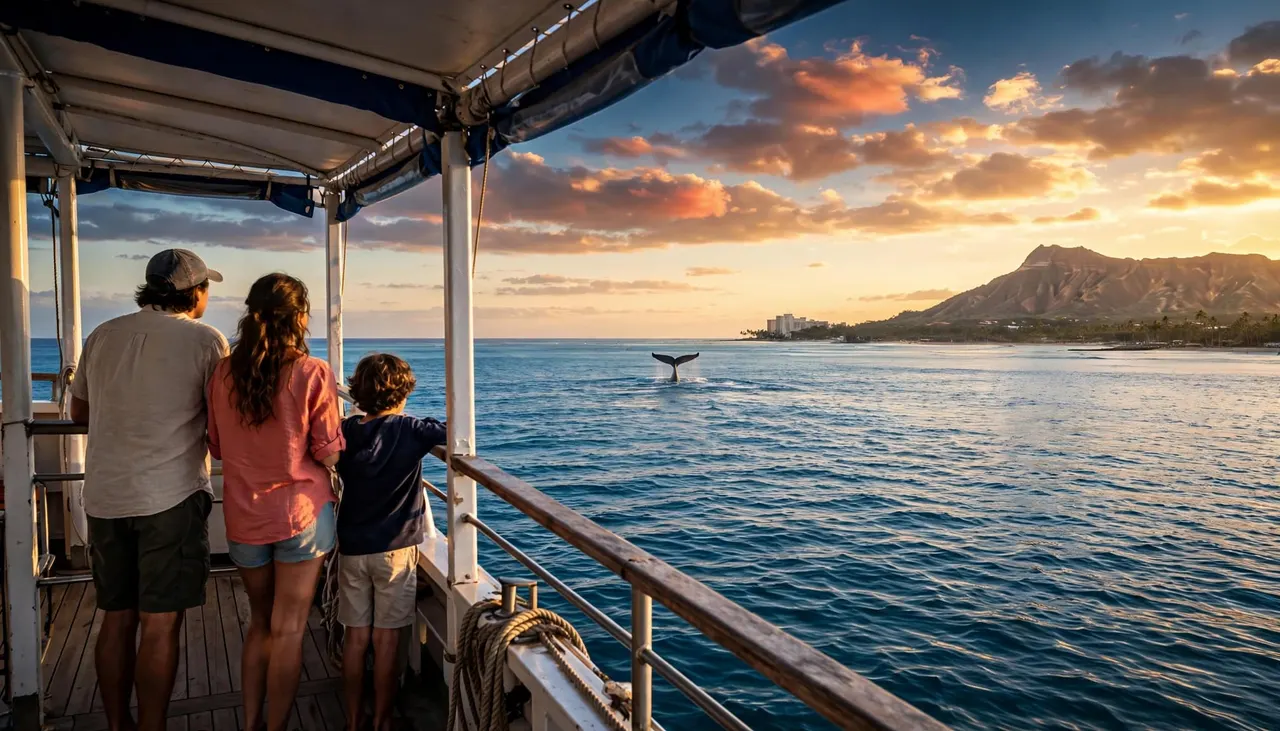
Match the cruise to who is traveling with you
Your group matters as much as the clock. Families, first-time boaters, and active couples all have different energy levels once they step aboard.
A 90-minute wildlife trip can be manageable for many guests, but it still deserves a little preparation.
Families should avoid stacking major activities
If you travel with children ages 3 and up, choose the time that best matches their strongest part of the day. A morning cruise may suit early risers, while an afternoon option can be easier after a slow breakfast.
Bring water, a light snack if allowed by your operator, and a dry layer for the breeze. Give kids a simple job, such as watching for a misty blow or a tail rising above the water.
Couples can choose the quieter rhythm
If you are planning a romantic Oahu getaway, an afternoon sailing can preserve a lazy morning at the hotel. A morning departure may be better if you want the rest of the day for a beach picnic or dinner reservation.
Either way, don’t watch the entire cruise through your phone. Take a few photos, then lower the camera and watch the water with your own eyes.
What Living Ocean Tours offers during whale season
Living Ocean Tours runs seasonal humpback cruises from January through March, departing from Kewalo Basin Boat Harbor. The Waikiki whale watching tour lasts about 1.5 hours, welcomes guests ages 3 and up, and accommodates up to 49 passengers.
You can watch for humpbacks with Waikiki and Diamond Head in view. The company uses Coast Guard-inspected, custom-built double-decker vessels with open viewing areas, shaded seating, onboard restrooms, dry storage, and sturdy ladders.
Comfort matters when you are scanning the horizon
A steady place to sit and a clear view of the water make a real difference during whale watching Oahu trips. The Lokahi has a SeaKeeper stabilization system that can reduce boat roll, although no system makes ocean motion disappear.
If motion sickness affects you, eat a light meal before departure and speak with a pharmacist or doctor about suitable remedies before travel. Once aboard, tell the crew early if you start feeling unwell.
Professional guidance adds confidence
Living Ocean Tours is the only tour company with professional snorkel guides. That experience supports clear safety direction, patient guest care, and respectful wildlife viewing on every ocean outing.
The crew’s job is to help you enjoy the encounter without chasing it. You get a better view when you can relax, listen for guidance, and let the captain position the boat responsibly.
Watch humpbacks with patience and respect
Humpbacks visit Hawaii’s warm winter waters to breed, give birth, and care for calves. The NOAA Fisheries humpback whale profile explains that these animals move between northern feeding grounds and Hawaiian breeding areas.
January through March is the strongest window for Living Ocean Tours’ seasonal trips. Even then, each outing is different because individual whales can change course, rest, travel, or surface far from the boat.
Respect the 100-yard rule
Federal law requires boats in Hawaii to remain at least 100 yards from humpback whales. Review NOAA’s marine-life viewing distances before your cruise, especially if you plan to rent a boat or paddleboard.
NOAA’s Hawaiian Islands boating guide also recommends a maximum speed of six knots within 400 yards of a whale. A responsible captain gives whales room to rest, nurse calves, and travel naturally.
Let the whales set the encounter
You may see a distant blow, a rounded back, a dorsal fin, a tail lift, or a sudden breach. None of those behaviors are scheduled, and a quiet trip can still be meaningful.
Stay calm at the rail, follow crew instructions, and never try to call, splash toward, touch, feed, or approach wildlife. The best whale watch leaves the animals free to continue their journey.
Frequently Asked Questions
Is morning whale watching better on Oahu?
Morning is better if you want your afternoon free for the beach, sightseeing, or dinner. It isn’t a guarantee of more whale activity, calmer water, or stronger photography conditions.
Choose the departure that suits your energy level and leaves room in your schedule.
Is afternoon whale watching good for families?
Yes, especially when your family prefers a slow morning. An afternoon departure can reduce the pressure of getting everyone dressed, fed, and out of the hotel early.
Keep the rest of the day simple. Young children often enjoy a focused ocean outing more than a packed schedule.
When should you book whale watching Oahu?
Book your seasonal whale watch for January through March when your Oahu travel dates allow. The wider Hawaiian whale season can vary by source and by year, so confirm the operator’s current calendar before finalizing plans.
Reserve early when your travel dates are fixed, particularly during busy winter vacation weeks.
Choose the Time That Lets You Enjoy the Ocean
A morning cruise gives you a full afternoon to explore, while an afternoon trip protects your relaxed Waikiki morning. Both can place you on the water during Hawaii’s winter humpback season.
The memorable part of whale watching Oahu isn’t a guaranteed breach. It’s the chance to witness wild humpbacks on their own terms, with time, patience, and respectful distance.


