
Whale Watching Oahu: Private Charter or Shared Tour?
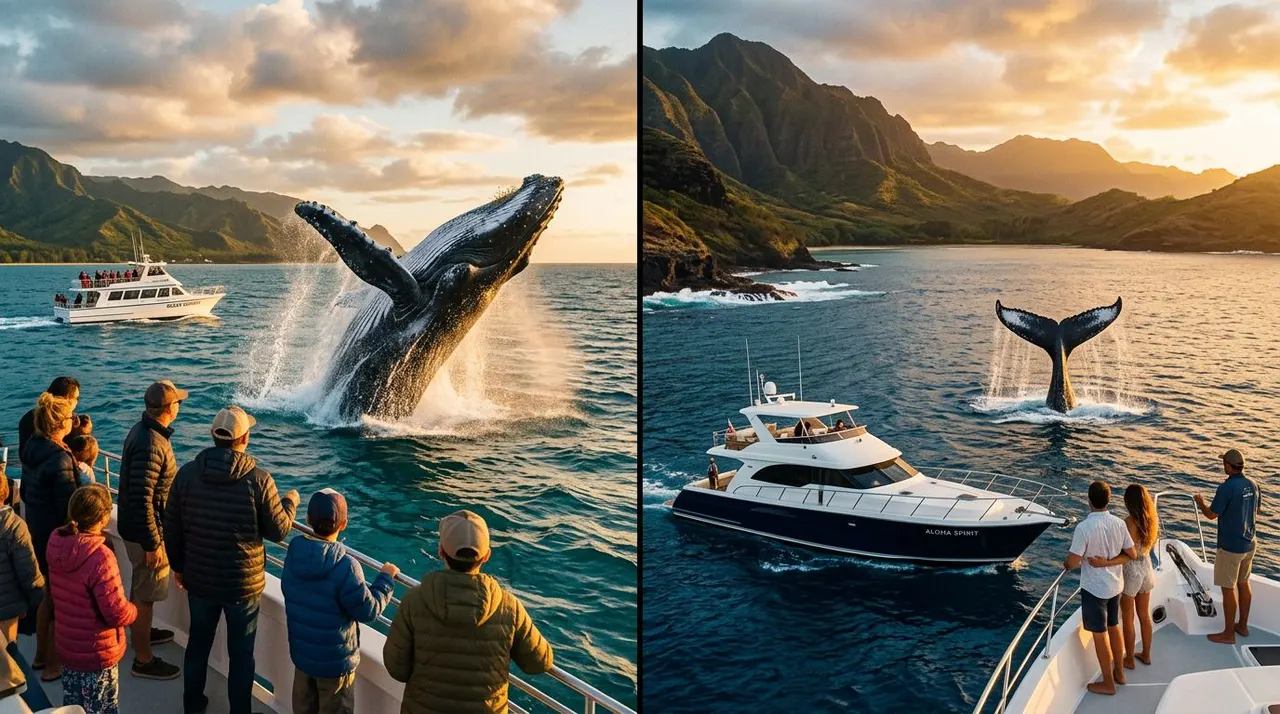
A search for whale watching Oahu often leaves you with one important decision: should you reserve a private charter or join a shared boat tour? Both options can bring you close to humpback whales, but they create very different days on the water.
A shared tour keeps the experience easy and affordable, while a private charter gives you more control over timing, privacy, and the pace of your outing. Your group size, budget, and preferred atmosphere will point you toward the better choice.
Whale watching Oahu: what you’re really choosing
Humpback whales are wild animals, so no captain can promise a breach beside your boat. The quality of your experience depends on responsible whale-watching practices, current ocean conditions, and an operator that knows the coastline.
The main difference between a shared tour and a private charter is the setting. On a shared trip, you board with other guests and follow a scheduled route. A private charter gives your group the boat’s attention, although the captain still makes decisions based on safety and whale behavior.
Hawaii’s humpback whale season generally runs from November through April. According to the Hawaiian Islands Humpback Whale National Marine Sanctuary, visitors can see whales from shore and at sea during those months. January through March usually brings the highest whale abundance around the islands.
If whale watching Oahu is on your itinerary, book during the seasonal window and keep your plans flexible. You may see whales surfacing, blowing, tail-slapping, or traveling in groups. Sometimes the most memorable sight is a quiet back or fluke appearing for only a few seconds.
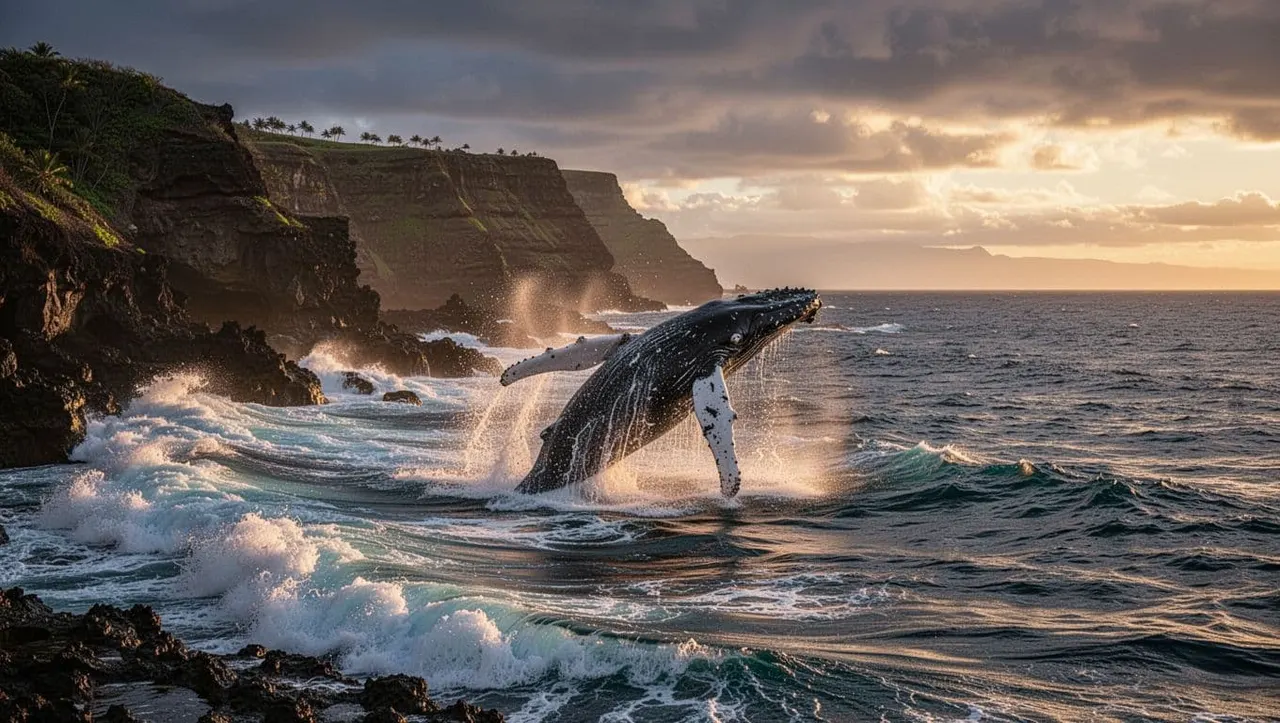
Why a shared whale watching tour works well
A shared tour is often the practical choice for couples, families, and small groups that want a guided ocean outing without paying for an entire boat. You reserve individual seats, arrive at the scheduled check-in time, and let the crew handle the route and safety details.
The lower per-person price is the clearest advantage. You also get a social atmosphere, which can make the trip more fun if you enjoy meeting other travelers. Families may appreciate having crew members nearby to answer questions, help with boarding, and point out whale activity.
Shared boats often provide useful comforts, including shaded seating, restrooms, dry storage, and sturdy ladders. Those features matter when you have children, older relatives, or guests who don’t spend much time on boats.
The tradeoff is less flexibility. You can’t usually choose the departure time, linger in one area, or change the route for a special occasion. The captain must also balance the needs of the entire group.
Choose a shared tour if you want:
- A lower-cost way to get on the water.
- A scheduled departure that fits a standard vacation day.
- Guidance from an experienced crew.
- A relaxed group atmosphere.
- Helpful amenities for families and first-time boat passengers.
For many visitors, a shared trip provides the best balance of comfort, access, and value. You get a professionally managed outing without taking responsibility for the vessel or navigation.
When a private Oahu whale charter makes sense
A private charter is designed for your group alone. You can spend the day with family, friends, or a partner without sharing the deck with strangers. That privacy can make a major difference during a proposal, anniversary, birthday, family reunion, or photography-focused trip.
You also gain more control over the experience. Depending on the operator and conditions, you may have more flexibility with departure timing, the pace of the trip, and how long you spend observing wildlife. Your captain can explain what the whales are doing and adjust the route while respecting local rules.
A private charter costs more overall, but the price can become more reasonable when several people share the boat. Ask whether the quote is based on the full vessel, the number of guests, trip length, or added services.
Privacy doesn’t guarantee closer whales or calmer water. The same ocean conditions affect every boat. You should still ask about the vessel’s stability, shaded areas, restrooms, life jackets, and the captain’s approach to responsible wildlife viewing.
A private charter suits you when:
- Your group wants the boat to itself.
- You need a specific departure time.
- You are planning a celebration or proposal.
- You want more control over the pace.
- You prefer a quieter setting for children or older guests.
- You have a larger group that can share the total cost.
The best private trips feel personal without becoming careless. Your captain should watch whale behavior, maintain a respectful distance, and move only when conditions support safe observation.
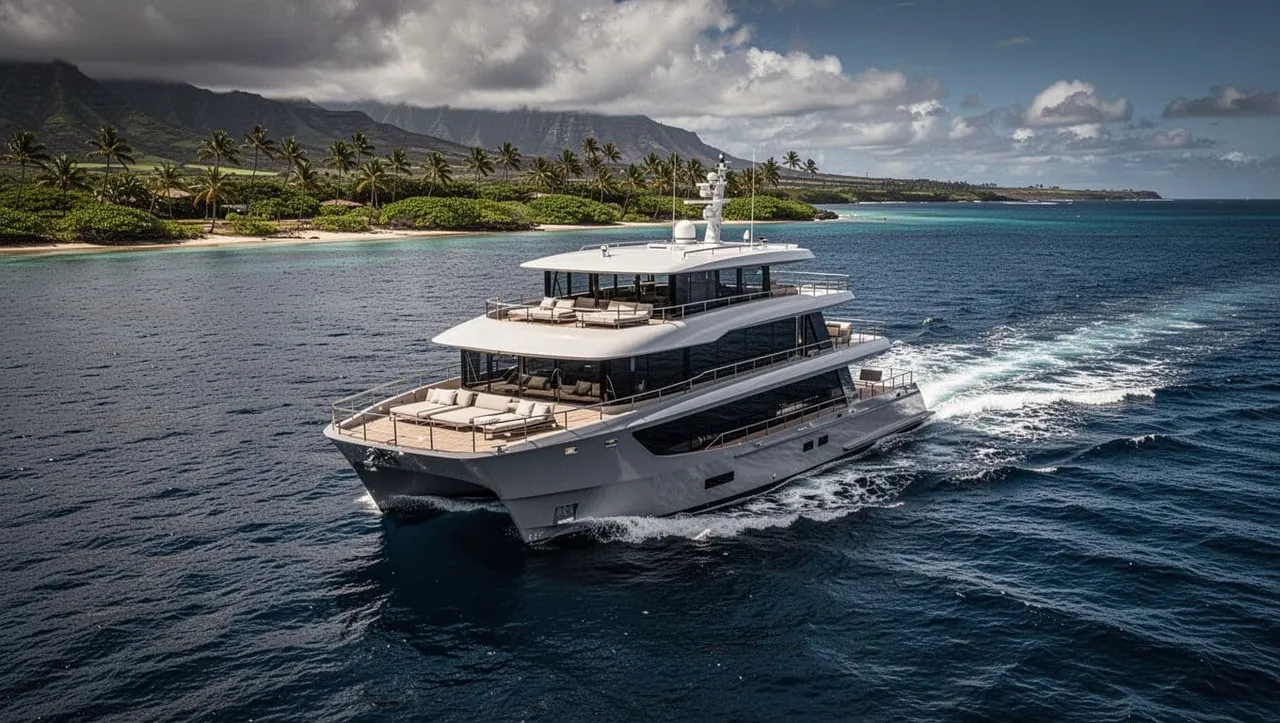
Private charter or shared tour: which fits your trip?
This quick comparison can help you decide before you check dates.
| Consideration | Shared tour | Private charter |
|---|---|---|
| Cost | Lower price per guest | Higher total price |
| Schedule | Fixed departure and return | More timing flexibility |
| Atmosphere | Social and lively | Private and quieter |
| Route | Captain follows the group itinerary | More room for customized pacing |
| Best for | Couples, families, and budget-conscious travelers | Celebrations, larger groups, and special occasions |
| Planning effort | Simple online booking | More questions about timing and group needs |
Your travel schedule matters as much as your budget. A shared tour may fit better if you have other reservations that day. A private charter makes more sense when the boat trip is the main event.
Weather also deserves attention. Oahu’s ocean can change quickly, and rough conditions affect comfort on every vessel. Check the operator’s cancellation policy before booking, especially if you have only one day available for whale watching.
What to check before booking whale watching Oahu
A good operator should explain what you can expect before you pay. Look for clear information about the departure harbor, season, trip length, accessibility, and weather policy.
Ask these practical questions:
- How many guests does the boat carry?
- Does the vessel have shade, restrooms, and dry storage?
- What type of stabilization does it use?
- Are life jackets available in sizes for children and adults?
- What happens if the ocean is too rough?
- How does the crew protect whales and other marine life?
The NOAA boating guide for the Hawaiian Islands Humpback Whale National Marine Sanctuary explains why responsible boat handling matters. Humpback whales often gather in relatively shallow waters during the season, so captains must remain alert and follow whale-viewing rules.
You should also consider seasickness. Eat a light meal, drink water, and avoid heavy alcohol before departure. A stable vessel, fresh air, and a position near the center of the boat can make the ride more comfortable.
Most importantly, observe wildlife without touching, feeding, or chasing it. Keep your camera ready, but don’t let photography take over the moment. A whale sighting belongs to the whole group, not only the person holding the longest lens.
Why consider Living Ocean Tours for your Oahu whale trip?
Living Ocean Tours departs from Kewalo Basin Boat Harbor, just minutes from Waikiki Beach in Honolulu. That location makes check-in convenient when you’re staying in Waikiki and want to spend less time in transit.
The company offers seasonal humpback whale watching tours from January through March. Its Coast Guard-inspected, custom-built double-decker vessels, the Coral Kai and Lokahi, include shaded seating, onboard restrooms, dry storage, and heavy-duty ladders for easier water access.
The Lokahi also features a SeaKeeper vessel stabilization system designed to reduce side-to-side rolling. That feature can be valuable when you’re traveling with children, first-time boat passengers, or anyone concerned about seasickness. The Coral Kai provides expansive open-deck space for enjoying the ocean and scanning the horizon.
Living Ocean Tours is the only tour company with professional snorkel guides, so you can also return for a knowledgeable, safety-focused reef experience during your Oahu vacation. The crew emphasizes respectful observation and helps guests enjoy Hawaii’s marine environment without disturbing it.
You can review the company’s whale watching tours in Oahu and other ocean excursions before choosing your preferred departure.
When you want a straightforward booking option, use the current availability button below.
For a seasonal whale outing, you can also CHECK AVAILABILITY before your preferred date fills.
Choose the boat experience you’ll enjoy most
A shared tour is the stronger choice when you want value, simple planning, and a guided outing that fits neatly into your vacation. It gives you access to a comfortable boat and an experienced crew without paying for private use.
A private charter earns its cost when privacy, timing, and personal attention matter more than the lowest price. Either way, choose an operator that respects whales, prepares you for changing ocean conditions, and provides the comfort your group needs.
Conclusion
The right whale watching Oahu experience depends on how you want to spend your time at sea. Shared tours offer convenience and value, while private charters give your group more privacy and control.
Since humpback whales follow their own schedule, responsible guidance matters more than promises of a perfect sighting. Choose a comfortable, safety-focused boat, keep your eyes on the horizon, and let the encounter happen on the whales’ terms.


