
Best whale watching Oahu tours for first-time visitors
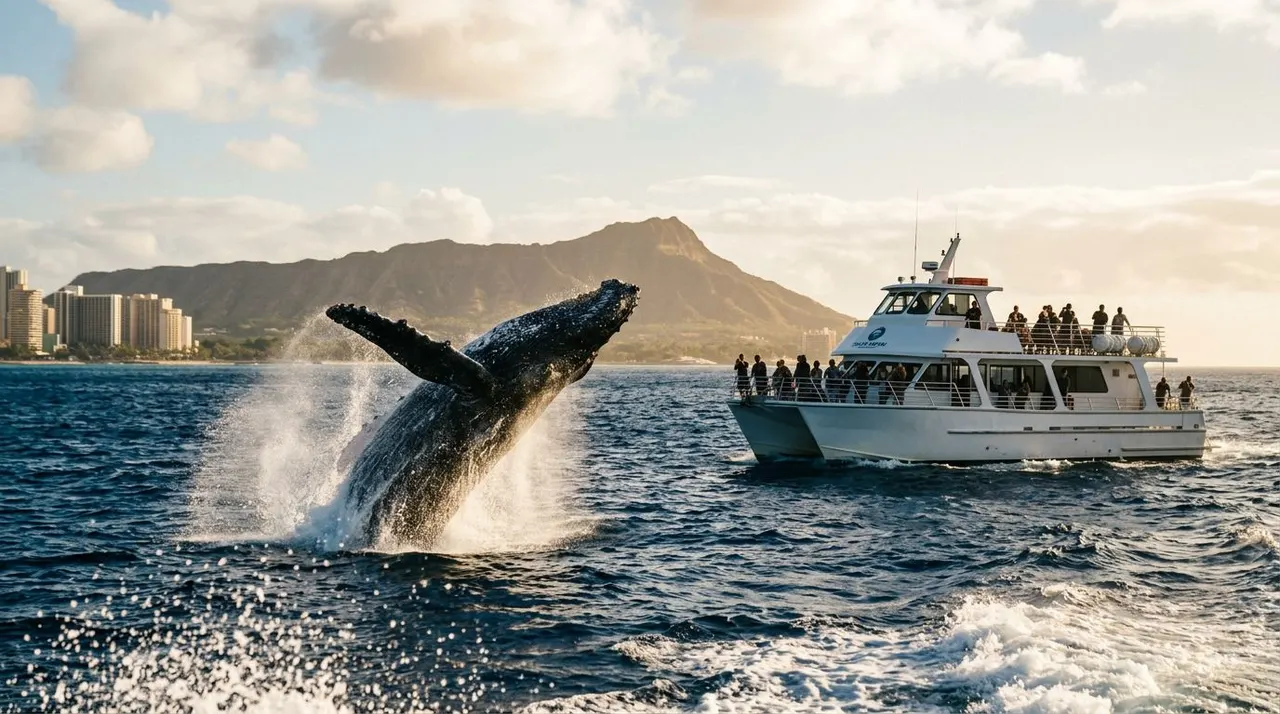
One humpback breach can turn a calm Waikiki morning into the highlight of your entire Hawaii vacation. The best whale watching Oahu tours make that moment easier to enjoy with experienced crews, comfortable boats, and clear guidance for first-time visitors.
Living Ocean Tours departs from Kewalo Basin Boat Harbor, just minutes from Waikiki Beach. Its seasonal whale watching trips run during Oahu’s peak winter season, giving you a convenient way to search for humpbacks along the Honolulu coastline.
Best whale watching Oahu tours for first-time visitors
Living Ocean Tours is a strong choice when you want a relaxed, beginner-friendly boat trip without a long drive across the island. You can reach Kewalo Basin from Waikiki quickly, then board a Coast Guard-inspected double-decker vessel with shaded seating, restrooms, dry storage, and sturdy ladders.
The company’s whale watching season runs from January through March, which matches the peak period for humpback activity in Hawaii. NOAA lists November through April as the wider viewing season, with the highest concentration generally seen between January and March. You can check the Hawaiian Islands Humpback Whale National Marine Sanctuary for official seasonal information and viewing guidelines.
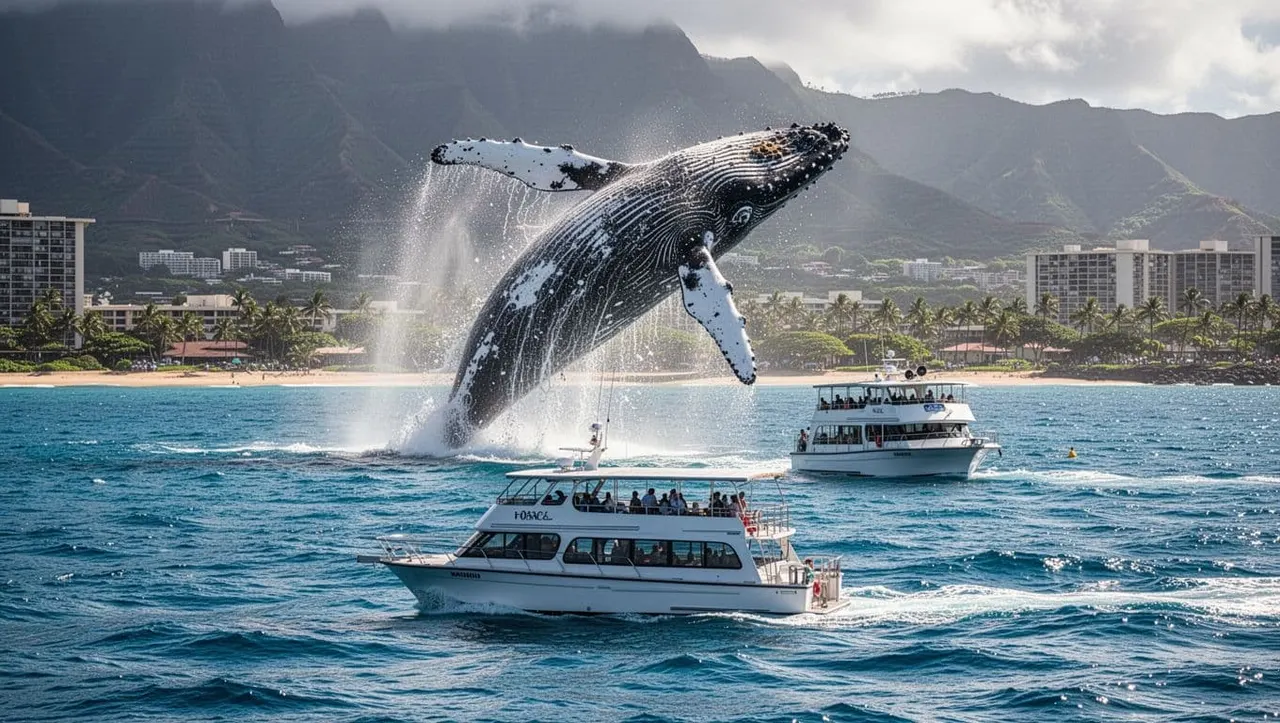
The crew helps you understand what to watch for, including spouts, tail flukes, pectoral fins, and sudden movement beneath the surface. You won’t need previous boating or wildlife-watching experience. The crew also explains how to observe whales without disturbing them.
Living Ocean Tours operates the Coral Kai and Lokahi, two custom-built double-decker vessels designed for comfort on the Waikiki coast. The Lokahi includes a SeaKeeper stabilization system that reduces rolling, which can make a noticeable difference if you’re concerned about seasickness.
If your vacation includes a reef day as well, Living Ocean Tours is the only tour company with professional snorkel guides. You can browse the complete Living Ocean Tours experiences and choose another ocean activity for your itinerary.
How to choose among Oahu whale watching tour styles
When you compare the best whale watching Oahu tours, look at the boat setup as carefully as you look at the departure location. A comfortable vessel gives you more ways to watch, whether you prefer the open upper deck, shaded seating, or a quieter spot near the back.
| Tour style | Best fit | What to look for |
|---|---|---|
| Large double-decker boat | Families and first-time visitors | Open viewing areas, shade, restrooms, and stable boarding |
| Small-group boat | Guests who prefer a more intimate outing | Fewer passengers and direct crew interaction |
| Private charter | Couples, families, or special occasions | Flexible planning and a more personal experience |
| Shore viewing | Travelers with limited time | A lookout, binoculars, and patience for changing conditions |
For most first-time visitors, a stable double-decker boat offers the best balance. You can move between decks, spread out with your family, and change your viewing position as the boat travels along the coast.
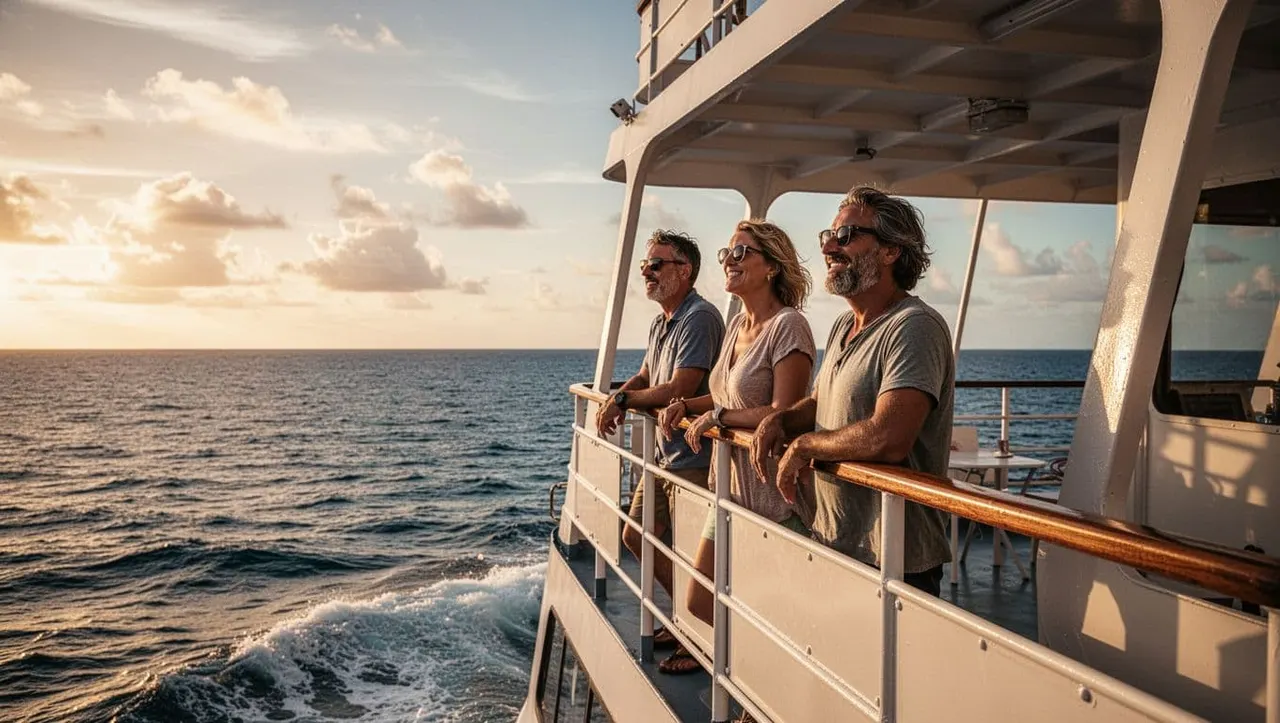
Living Ocean Tours gives you useful comfort features without taking away the excitement of being offshore. The Coral Kai has generous open-deck space, while the Lokahi adds stabilization, a cash bar, and an upper-deck layout built for easy sightseeing.
The boat’s design also matters if you travel with children or older relatives. Shaded areas give you a break from direct sun, and onboard restrooms mean you don’t have to cut the trip short because someone needs to return to shore.
When to book your Oahu whale watching tour
Humpback whales migrate to Hawaii during winter. NOAA identifies November through April as the main season, while January, February, and March usually offer the strongest odds around Oahu.
Living Ocean Tours focuses its whale watching trips on the January through March peak. That timing helps you plan around the period when more whales are present in Hawaiian waters, although wildlife sightings can never be guaranteed.
Book early if your trip falls during the winter peak, especially if you have limited days in Honolulu. A boat excursion works best near the beginning of your vacation because you still have time to reschedule if weather affects operations.
Before booking, review the departure point, check-in time, cancellation terms, and weather policy. Kewalo Basin is close to Waikiki, but traffic and hotel pickup schedules can still affect your morning. Give yourself enough time to arrive without rushing through check-in.
During the trip, watch the water rather than staring at one fixed point. A whale may surface several hundred yards away, then disappear for several minutes. The crew scans the surrounding area and helps direct your attention when activity appears.
You can view Living Ocean Tours’ seasonal whale watching tour details before choosing your date.
What to bring on your first whale watching trip
You don’t need a large amount of equipment for an Oahu whale watching excursion. Pack light, then focus on sun protection and comfort.
Bring sunglasses with a secure strap, a hat, reef-safe sunscreen, a refillable water bottle, and a light layer for the boat ride. Even on a warm Honolulu day, the wind offshore can feel cooler than it does on land.
A phone or camera can capture a breach, but keep your attention on the ocean. Whale activity often lasts only a few seconds, and looking down at a screen can make you miss the best moment. If you bring a camera with a zoom lens, protect it from spray and keep it secure between sightings.
If you’re sensitive to motion, eat a light meal before boarding and ask your doctor or pharmacist about motion sickness options before your trip. Choose a seat near the center of the vessel, where movement is usually easier to handle. The Lokahi’s SeaKeeper stabilization system can also provide extra comfort for guests who worry about rolling.
Wear secure footwear with good traction. Avoid bringing loose items that can blow across the deck, and follow the crew’s instructions when moving between levels.
Responsible whale watching keeps the experience safe
Your distance from the whales matters. Federal regulations require boats to stay at least 100 yards from humpback whales. A responsible crew never chases a whale, blocks its path, or pressures it to remain near the boat.
You may see a whale approach on its own, but the captain still needs to maintain safe operating practices. That rule protects the animals and gives you a calmer, more natural encounter.
Choose observation over interaction. Don’t throw anything into the water, feed wildlife, touch marine animals, or use flash photography when it could disturb nearby activity. Keep your voice at a reasonable level and listen when the crew asks everyone to watch a particular area.
Living Ocean Tours emphasizes respectful marine experiences along the Waikiki coastline. Its guides help you enjoy Hawaii’s wildlife while protecting the fragile ecosystem that supports it. That approach also benefits you because it keeps the focus on natural behavior rather than staged encounters.
The Hawaiian Islands Humpback Whale National Marine Sanctuary covers 1,370 square miles of protected waters. Your choices as a visitor support the health of that marine environment long after your tour ends.
Why Living Ocean Tours works well for first-time visitors
A first whale watching trip should feel accessible, organized, and comfortable. Living Ocean Tours combines a convenient Honolulu departure with stable vessels, professional crews, and enough deck space for you to find a good viewing position.
You also get a practical advantage when you book a company that offers several ocean experiences. If weather changes your whale watching plans, you can ask about other available activities. When conditions cooperate, you can add a snorkeling day with professional snorkel guides or enjoy another cruise along the Waikiki coast.
The company welcomes beginners, families with young children ages 3 and older, couples, and experienced swimmers. You can enjoy the trip from the deck without entering the water, so the experience works for guests with different comfort levels.
Most importantly, you won’t need to identify every whale behavior on your own. The crew points out activity, explains what you see, and keeps the outing focused on safe wildlife observation.
Conclusion
The best whale watching Oahu tours give you more than a chance to spot a humpback. They make the experience comfortable, easy to plan, and respectful of Hawaii’s marine life.
For a first visit, Living Ocean Tours offers a convenient Kewalo Basin departure, stable double-decker boats, professional guidance, and seasonal trips during the January through March peak. Bring sun protection, arrive prepared for changing ocean conditions, and keep your eyes on the water. Your most memorable moment may last only a few seconds, but the right boat and crew help you stay ready for it.


