
Whale Watching Oahu: Why Humpbacks Have Knobby Heads
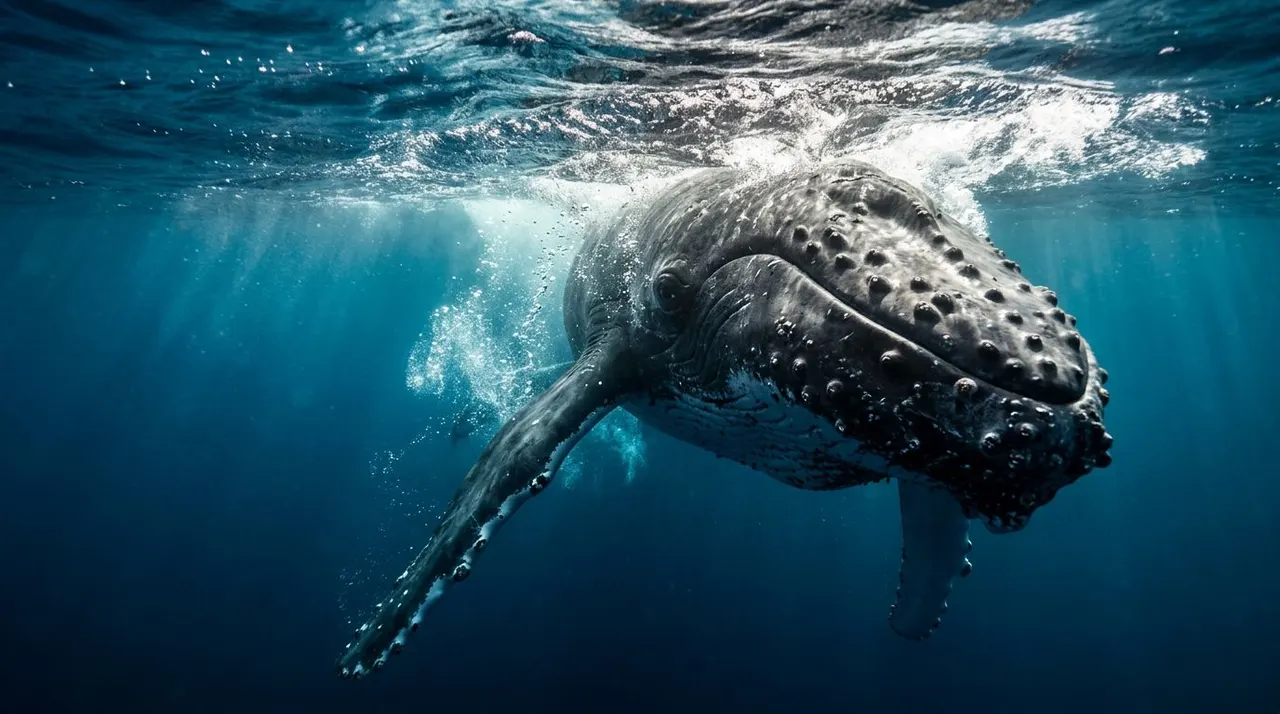
A humpback whale’s head can look as if someone covered it in rounded knobs. During whale watching Oahu season, those bumps are often the detail you notice after the blow, dorsal fin, and enormous tail.
The raised structures are called tubercles. They aren’t barnacles, scars, or random marks. Once you know what they are, every surfacing humpback gives you another clue about how these whales sense and move through the ocean. Start with the anatomy behind that unforgettable face.
Why humpback whales have knobby heads
Humpback whale tubercles are rounded bumps found across the head and along the leading edges of the long pectoral flippers. Their placement follows the whale’s anatomy, so they look different from organisms attached to the skin.
These structures developed as part of the whale’s natural body. Many contain sensory tissue and hair follicles, which has led researchers to study whether they help humpbacks detect changes in water movement. The bumps may give the whale information about its surroundings as it swims, feeds, and interacts with other animals.
A humpback is a baleen whale, so it doesn’t use teeth to bite prey. Instead, it takes in large amounts of water and food before pushing the water through plates of baleen. Small fish and krill remain inside the whale’s mouth. The head, jaw, and throat must handle tremendous water pressure during this feeding style.
Tubercles are different from barnacles
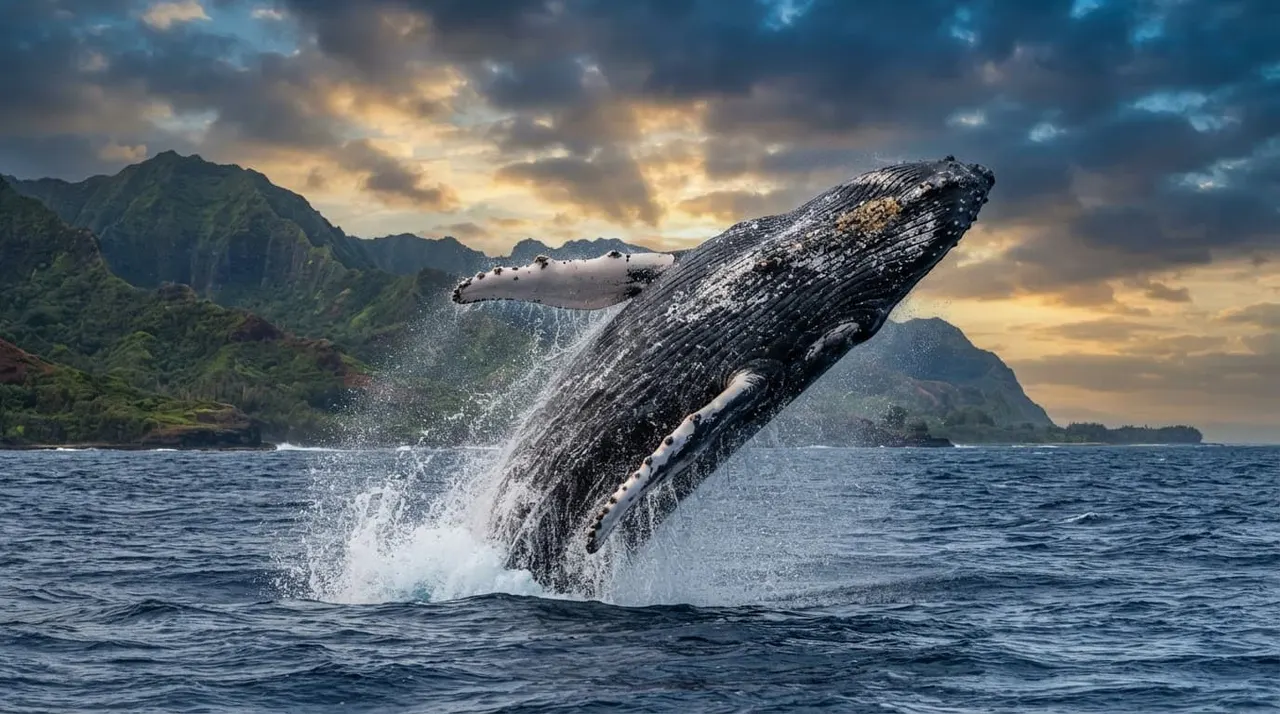
Barnacles can attach to humpbacks around the jaw, fins, tail, and other body areas. They often appear as rough, pale patches or irregular crusts. Tubercles are part of the whale’s skin and usually appear smoother and more evenly shaped.
The difference becomes easier to see when you watch a whale through binoculars. Barnacles create a patchy surface. Tubercles appear as repeated rounded forms across the head.
You don’t need to identify every bump during a boat trip. Instead, look at the whole animal. Notice how the head rises first, how the blow appears, and how the whale arches before showing its flukes. Those details turn a quick sighting into a closer look at whale behavior.
The science behind humpback whale tubercles
Scientists still study the full purpose of head tubercles, but research points to two useful roles: sensing the water and managing flow around the body.
Humpback tubercles are highly innervated, which supports the idea that they have a sensory function. A whale moving through open water encounters pressure changes, currents, prey movement, and contact with other animals. Sensitive structures on the head could help the whale read those changes at close range.
Researchers have also found strong evidence that tubercles on the flippers affect water flow. A study in Integrative and Comparative Biology describes them as passive flow-control devices that can improve flipper performance and maneuverability. You can read the published research on humpback tubercles and flipper flow for a closer look at that finding.
That discovery doesn’t prove every head tubercle works in exactly the same way. The head and flippers have different jobs, and scientists separate confirmed results from possible explanations. Still, the research shows that the bumps are functional structures, not decoration.
The sensory question remains active. A research note on whale tubercles discusses their innervation and early development before birth. Those details support the view that tubercles may help humpbacks gather information about their environment.
During feeding, the whale’s head moves through water at high speed. During social behavior, a humpback may lift, roll, slap, or breach. Tubercles could support the whale’s ability to respond to changing water conditions in each situation. Their exact role may involve several connected functions rather than one simple answer.
Why whale watching Oahu peaks during winter
Humpback whales visit Hawaii during the winter months after spending much of the year feeding in colder northern waters. Hawaii provides warm water for breeding, calving, and caring for young whales. Around Oahu, the season is especially active between January and March.
That timing makes winter a strong choice for whale watching Oahu, although wildlife sightings always depend on the animals and the sea conditions. You may see a single whale traveling below the surface, a mother with a calf, or a large adult rising beside the boat.
The first sign is often the blow. A humpback exhales through its blowholes, creating a tall misty plume above the water. Next, you may see the rounded head, dark back, or small dorsal fin. A deep dive usually ends with the tail lifting above the surface.
Breaches are less predictable. A whale may launch its body out of the water, slap a pectoral fin, or strike the surface with its tail. These behaviors can happen quickly, so keep your eyes on the area after each sighting. The same whale may surface in a different spot several minutes later.
Your guide can help you distinguish a humpback from other marine life. Whales may appear as dark shapes at first, but their blows, long flippers, arched backs, and flukes create a recognizable pattern. You might not see every feature on every outing, and that’s part of watching a wild animal in its own habitat.
Experiencing whale watching Oahu from Waikiki
Living Ocean Tours departs from Kewalo Basin Boat Harbor, a short drive from Waikiki Beach in Honolulu. That location makes it practical for you to combine a morning around Waikiki with an afternoon or morning on the water.
The company operates Coast Guard-inspected, custom-built double-decker vessels, including the Coral Kai and the Lokahi. The Coral Kai has broad open-deck space for ocean views. The Lokahi includes a SeaKeeper stabilization system, which reduces side-to-side rolling and can make the ride more comfortable for families and guests who worry about seasickness.
Both boats include shaded seating, restrooms, dry storage, and sturdy ladders. You can choose a viewing position that fits your group, then move when the crew spots activity. Stay seated when the boat is underway and follow directions near the rails.
You also get access to the only tour company with professional snorkel guides. Although a whale-watching trip is a boat-based experience, professional marine guides add useful knowledge about animal behavior, safe viewing, and responsible ocean travel.

You can browse Living Ocean Tours excursions to compare seasonal whale watching with snorkeling, sunset, and other Waikiki cruises. The whale tour operates seasonally, so check available dates before you plan your day around it.
How to prepare for a respectful whale-watching trip
Dress for wind, even when the forecast looks warm on land. A light jacket, hat, sunglasses, and reef-safe sunscreen can make the ride more comfortable. Polarized sunglasses also reduce glare and help you spot blows across the surface.
Keep your phone or camera secured with a strap. Whales can surface without warning, so avoid spending the entire trip looking at a screen. Watch the water first, then take a few photos when the guide points out a safe opportunity.
Responsible whale watching means observing without touching, feeding, chasing, or trying to swim with the animals. Follow the crew’s instructions about distance and boat movement. Quiet attention also helps you notice natural behavior, such as a calf resting beside its mother or a whale changing direction below the surface.
Families can make the trip easier for children by giving them a simple job. Ask them to watch for the next blow, count dorsal fins, or look for the tail before the whale dives. That keeps young guests involved without promising a breach.
If you experience motion sickness, choose a position with a clear view of the horizon and follow the crew’s advice. The Lokahi’s stabilization system can help, but calm seating habits still matter. Avoid heavy meals before departure and bring water for the ride.
For whale watching Oahu visitors, the most valuable expectation is patience. A successful outing may include several brief sightings rather than one dramatic breach. Each surfacing still reveals something, whether it’s the whale’s knobby head, powerful blow, or graceful dive.
Conclusion
The knobby shapes on a humpback’s head are tubercles, natural structures connected to the whale’s sensory system and body mechanics. Their full role continues to receive scientific attention, while related research already shows that tubercles can influence water flow around the flippers.
When you join a whale watching Oahu trip in winter, watch for those rounded bumps as the whale surfaces. A patient, respectful look can turn a quick breach into a closer understanding of one of the ocean’s most distinctive animals.


