
Whale Watching Honolulu: Shared Cruise or Private Charter?

The whale watching Honolulu offers is best enjoyed on a shared cruise if you want an easy, lower-cost outing. A private charter may suit you better if you value time alone with your group and more say in the experience.
At Living Ocean Tours, we welcome you aboard near Waikiki for a seasonal search for humpback whales. Both options put you on the water, but the right choice depends on your budget, group and expectations.
Shared Cruise or Private Charter: The Main Differences
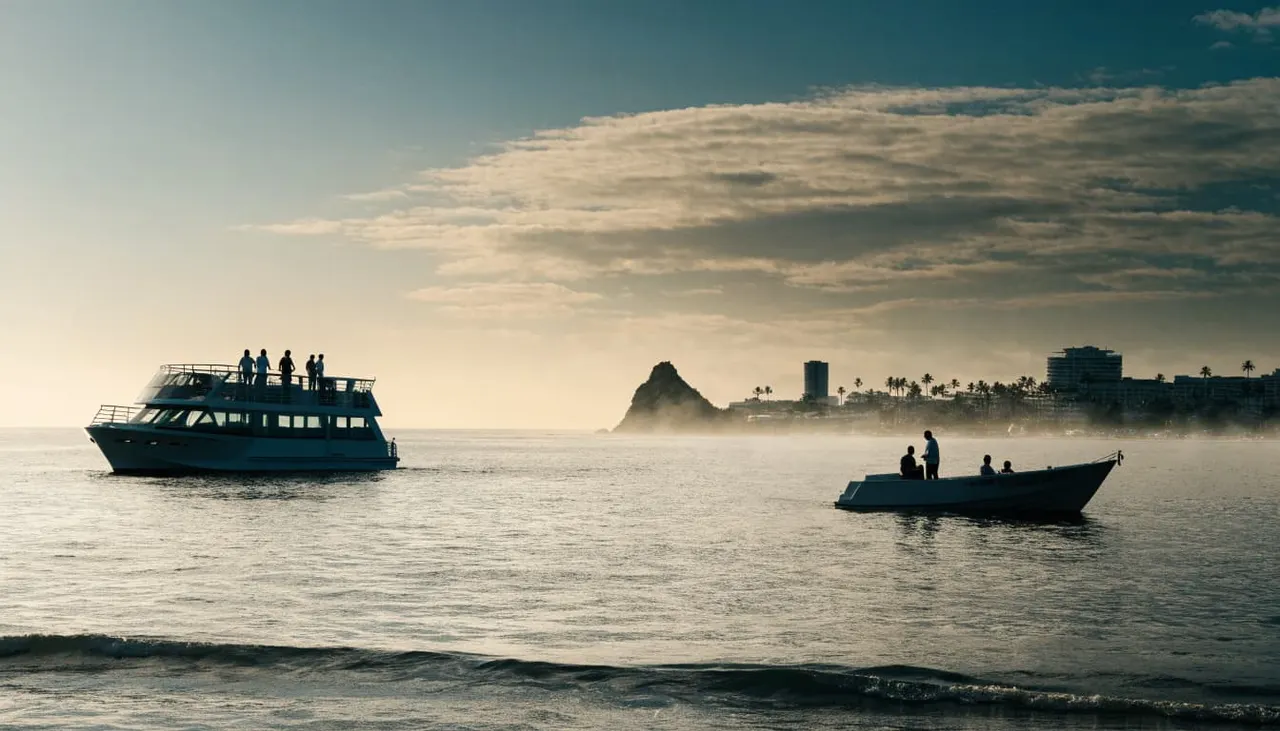
A shared cruise sells individual seats, while a private charter reserves a boat for your party. The comparison below shows what that usually means for your day.
A shared trip is often the straightforward choice when you want to see whales without organizing a boat for yourselves. A charter can be appealing when privacy matters as much as the wildlife search.
What to Expect on a Shared Whale-Watching Cruise
The whale watching Honolulu visitors choose for a simple vacation outing often starts with a scheduled cruise. You book the seats you need, arrive at the harbor and join other guests for time offshore.
An Easy Choice for Smaller Groups
If you’re traveling as a couple or with a small family, a shared cruise lets you split the cost of operating the boat with other passengers. You can enjoy the Waikiki coastline and look for whales without paying for a vessel on your own.
The social setting can be part of the fun. When someone spots a blow or a tail, other guests can turn their attention to the same stretch of ocean.
Our Waikiki Whale-Watching Cruise
Our Waikiki Whale Watching Cruise departs from Kewalo Basin Boat Harbor, minutes from Waikiki. The seasonal outing lasts 1.5 hours and gives you time to look for humpbacks along the coast.
Our fleet includes Coast Guard-inspected double-decker vessels with shaded seating and onboard restrooms. We also offer professional snorkel guides on our snorkeling trips, although whale watching takes place aboard the boat.
To reserve seats for the seasonal whale watch, CHECK AVAILABILITY.
You can also browse our available ocean outings.
When a Private Charter Makes Sense
A private charter can be a good fit when your group wants the boat to yourselves. For a birthday, reunion or family gathering, that privacy gives you space to share the day with people you know.
More Room for Your Group’s Priorities
A private outing may give you more input into how you spend your time aboard. You might prefer a relaxed trip with plenty of conversation, or you may want your group to focus on scanning for whales.
A charter’s privacy doesn’t mean the ocean will be empty. Other boats can be in the area, and your captain still needs to make decisions based on conditions and wildlife protections.
A Different Way to Pay
With a private charter, your group takes on the cost of the entire boat rather than purchasing individual seats. That can make the total a larger commitment, especially for two travelers.
If you’re organizing a larger party, divide the total charter cost among the people joining you. Then compare that amount with the total for shared-cruise seats. The comparison gives you a clearer picture of what privacy is worth to your group.
How to Choose for Your Budget and Group
When you compare the whale watching Honolulu companies offer, start with the experience you want rather than the boat alone. A shared cruise gives you the same open ocean and the same possibility of seeing a humpback as a private trip.
For a couple with a few free hours in Waikiki, individual seats keep planning simple. A family with several children may also appreciate a scheduled outing that fits around meals and other activities.
A private charter deserves consideration if you’re bringing relatives or friends who want to spend the time together. The extra cost may feel worthwhile for a celebration, even if a shared cruise would cost less.
A private boat gives you privacy, but it doesn’t give you a closer legal approach to whales or a guaranteed sighting.
Choose the Right Whale-Watching Season
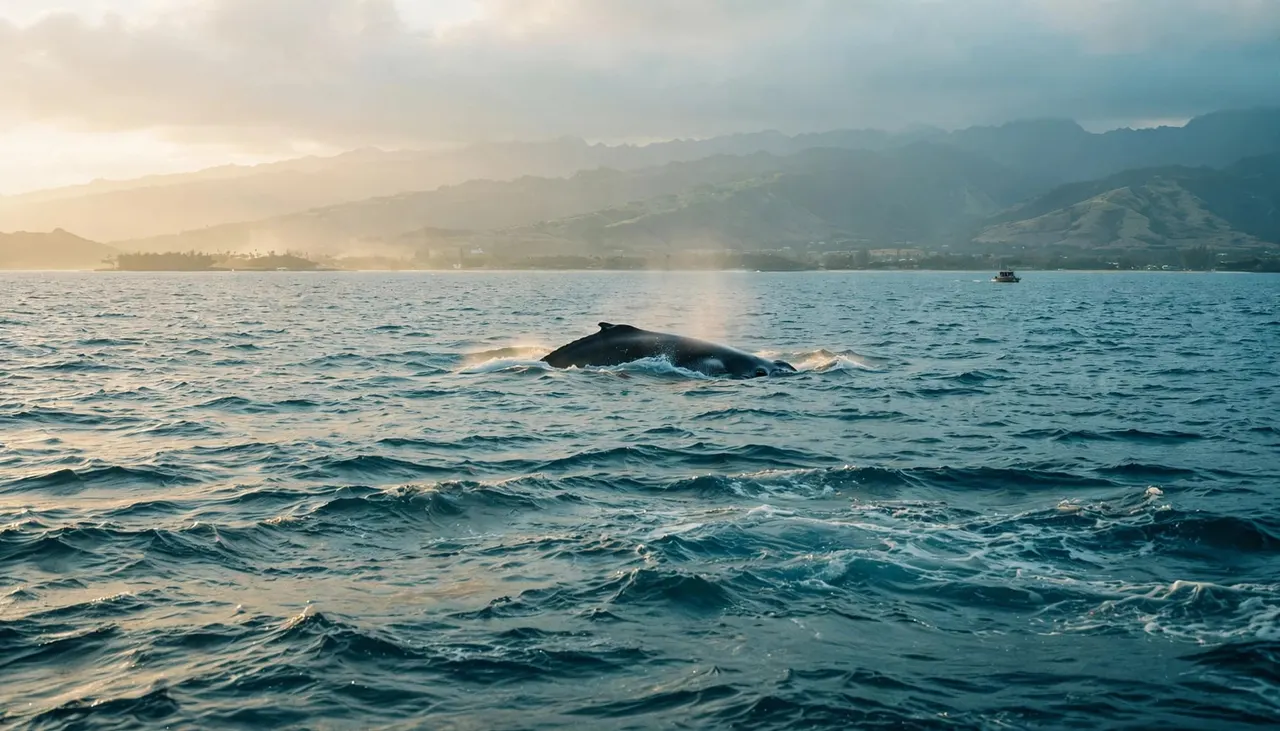
Your choice of month matters more than whether you book a shared or private trip. Humpbacks visit Hawaiian waters during winter to breed, give birth and care for calves.
January Through March Is a Strong Planning Window
The Hawaiian Islands Humpback Whale National Marine Sanctuary says visitors can see whales from shore and at sea from November through April. January through March is a strong period to plan an Oahu trip, and that’s when we run our seasonal whale-watching cruises.
If seeing whales is a priority, schedule your outing early in your stay. You’ll have more room in your itinerary if weather affects your plans or you decide you’d like another day on the water.
Morning or Afternoon?
Whales can surface throughout the day, so choose a departure that suits your group. Morning water may be calmer on some days, while afternoon light can be lovely along the coast.
Conditions change, though. A quiet morning or a bright afternoon doesn’t promise a particular whale behavior. Bring patience for the search, whatever time you head out.
What You Might See From the Boat
The whale watching Honolulu travelers enjoy can begin with a small sign on the horizon. A humpback’s blow may appear as a brief mist above the water before you see its dark back.
You may also spot a tail lifting before a deeper dive. On some outings, a whale might slap its tail or breach, sending spray into the air. Mothers and calves can be present in Hawaiian waters during the season, but no particular encounter is guaranteed.
Keep watching the water around a sighting after the whale disappears. Humpbacks spend time below the surface, and you may need to wait for another glimpse.
A distant sighting can still be memorable. Binoculars help you follow movement offshore, while a camera with a zoom lens can bring a distant whale into your frame. Keep your attention on the ocean too, since a whale can surface while you’re adjusting your camera.
Give Humpbacks Space
Responsible viewing is part of every rewarding whale watch. Federal rules prohibit approaching a humpback whale within 100 yards when you’re on or in the water. The sanctuary’s whale protection regulations apply to vessels and people in the water.
Stay aboard for the encounter and follow your crew’s directions. If a whale approaches the boat, let the captain manage the situation rather than trying to get closer for a photo.
The same respect applies to other marine life you may see around Oahu. Observe animals without touching or disturbing them, and leave them free to move on their own terms.
Prepare for a Comfortable Day Offshore
The whale watching Honolulu families plan can be exciting for first-time boat guests. A few practical choices make it easier to focus on the water instead of your belongings.
Dress for Sun and Wind
Bring sunglasses with a secure strap, sun protection and a light layer. Even on a warm day, the breeze can feel cooler once the boat is underway.
Secure your phone or camera with a strap before moving around the deck. A small bag can keep your belongings together, leaving your hands free for rails when you walk.
Plan for Motion
If you’re prone to motion sickness, eat lightly before departure and speak with a pharmacist about suitable options. Give yourself time to get to the harbor without rushing, particularly when you’re traveling with children.
Once aboard, use the handrails and listen to the crew’s safety instructions. On a moving boat, a clear view of the horizon can also be more comfortable than looking down at a screen.
Frequently Asked Questions
Is a Shared Cruise Good for Families?
Yes. A shared whale watch gives families a chance to look for marine life without arranging a private vessel. Children can enjoy the coastline as well, even during quiet stretches between sightings.
Does a Private Charter Improve Your Chances of Seeing Whales?
A private boat gives your group privacy, but it can’t control where whales travel or when they surface. Season, visibility, sea conditions and the animals’ behavior affect every outing.
Can You Swim With Humpback Whales?
Keep your whale encounter aboard the boat. Federal rules prohibit approaching humpbacks within 100 yards in Hawaiian waters, including when you’re in the water.
What If You Don’t See a Breach?
A breach is only one possible behavior. You may see a blow, a rolling back or a tail instead. Watching wild whales means accepting that each encounter will be different.
Pick the Experience That Fits Your Trip
For most couples and small families, a shared cruise offers an easy way to spend time offshore and search for humpbacks. A private charter adds privacy for your group and may give you more input into the outing.
Whichever you choose, plan for a wildlife experience, not a scheduled performance. The whales set the pace, and the time you spend watching the Pacific is part of the trip.


