
Whale Watching Honolulu: What Humpback Birth Looks Like
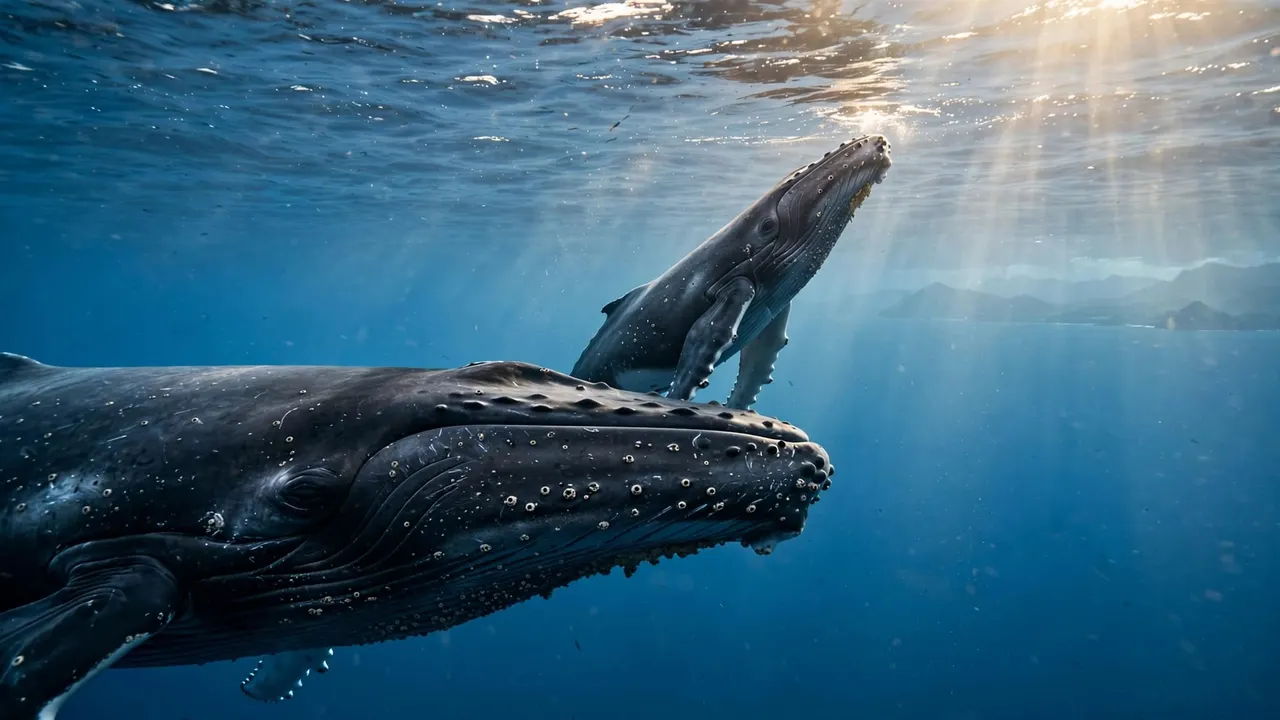
Humpback whales give birth underwater, usually tail first, and their newborn calves must reach the surface to breathe. An actual birth is exceptionally rare to witness. Whale watching in Honolulu gives you a better chance of seeing a mother and calf together afterward.
At Living Ocean Tours, we welcome you aboard to look for these remarkable animals off Oahu. Understanding what happens beneath the surface makes a mother-and-calf sighting even more memorable.
Why Humpbacks Give Birth Near Hawaii
Each winter, humpbacks travel thousands of miles from northern feeding grounds to the Hawaiian Islands. Many of the whales you see around Oahu have migrated from waters near Alaska.
Hawaii’s warm waters provide a place to mate, give birth, and nurse. A newborn has less insulating blubber than an adult, so warmer water helps it conserve heat while it grows.
The Hawaiian Islands Humpback Whale National Marine Sanctuary protects important habitat used by these whales. You can spot them around several islands, including Oahu, where Honolulu’s south shore offers access to the seasonal migration.
A mother faces a demanding trip. She must support her calf while relying largely on energy stored before the journey. As the calf grows stronger, the pair can eventually make the long trip toward northern feeding areas.
What Humpback Birth Looks Like Underwater
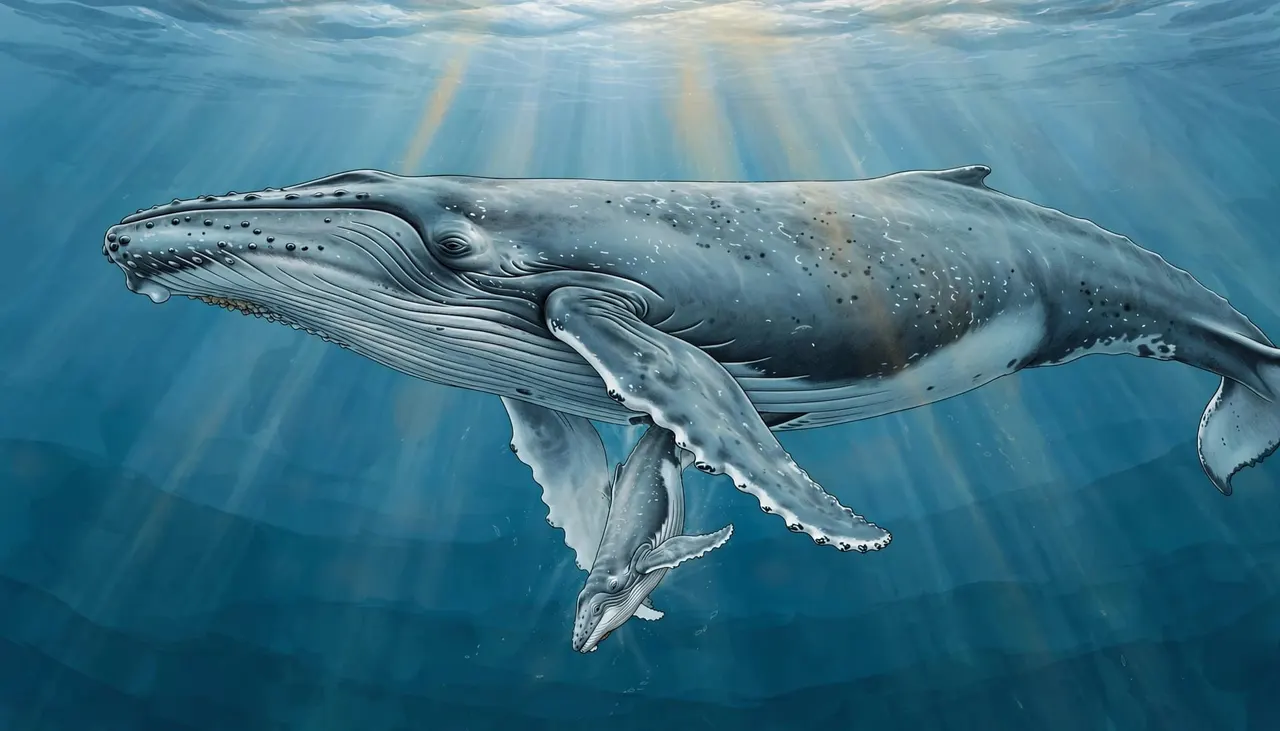
An illustration of a mother humpback and her calf underwater.
Humpback birth happens beneath the surface, away from the view of most whale watchers. Although researchers have documented rare births, you shouldn’t expect to see one on a boat trip.
A calf is born into the water
A mother generally gives birth to one calf after a pregnancy of about 11 months. The calf usually emerges tail first, a common birth position among whales.
A newborn humpback is already an impressive size, often measuring about 10 to 15 feet long. Even so, it depends on its mother for milk and protection.
You may picture a dramatic splash at the surface, but the birth itself takes place underwater. A distant boat observer would have a limited view of anything happening below the waves.
The first breath comes at the surface
Whales are mammals, so a calf must breathe air through its blowhole. Soon after birth, it swims to the surface for its first breath.
The calf can swim from birth, though it has much to learn. Staying close to its mother helps it move through the water and remain near the surface when it needs air.
The first surfacing is a brief moment in a much longer relationship. On a whale watch, you are more likely to see a calf that has already begun swimming alongside its mother.
The Calf’s First Hours and Days
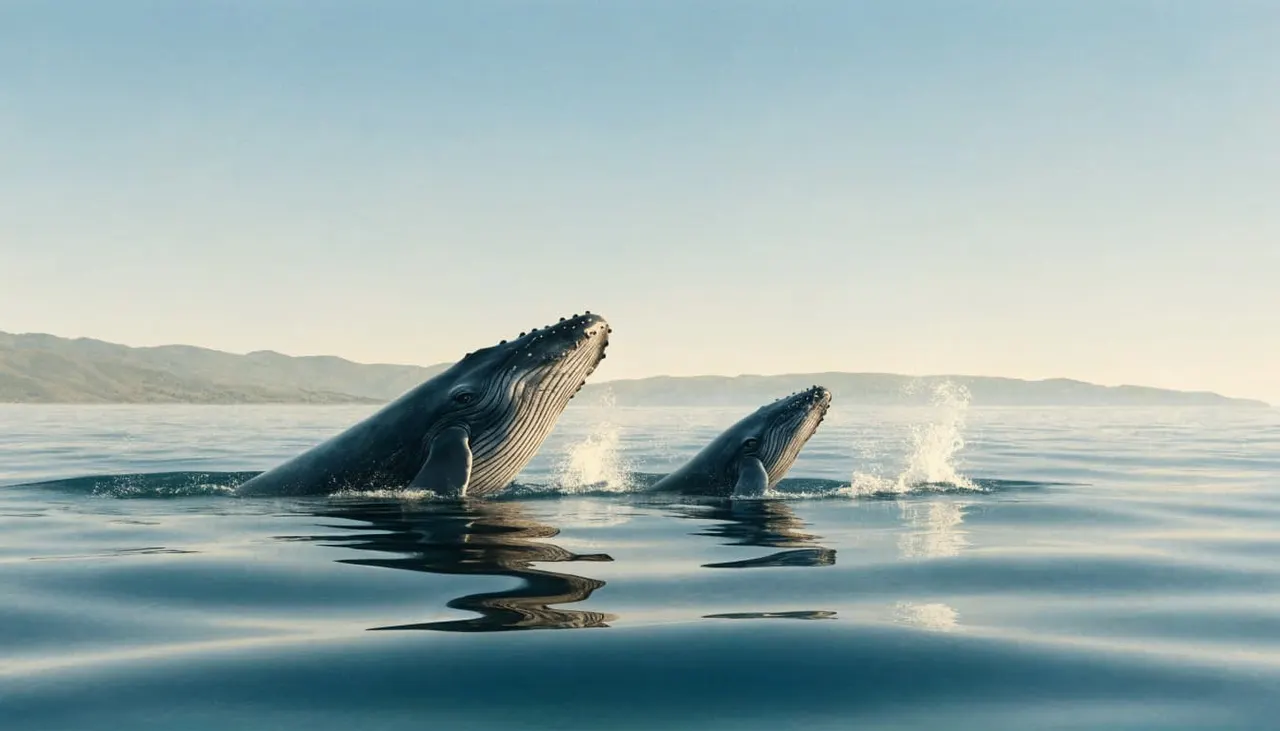
An illustration of a humpback mother and calf surfacing together.
Staying close to Mom
A young calf often surfaces near its mother, giving you a chance to notice the contrast in their sizes. Watch for a smaller back or blow near a much larger whale.
The pair may travel slowly or spend time resting. At other moments, the calf can appear active at the surface. Each encounter is different, and a short glimpse doesn’t tell you exactly how old a calf is.
You might also see another adult near a mother and calf. That whale is often called an escort, although its relationship to the pair isn’t something you can determine simply by looking from a boat.
Learning to move and breathe
A calf needs to surface more often than an adult. You may notice the smaller animal appearing several times while its mother remains underwater.
As it grows, the calf develops the strength and coordination needed for longer swims. Its early months in Hawaiian waters are part of the preparation for migration, when mother and calf may travel thousands of miles together.
From a respectful distance, even a quiet surfacing can tell you something about the calf’s daily routine.
How Humpback Calves Feed and Grow
Humpback calves drink their mother’s milk. Nursing takes place underwater, where the calf feeds before returning to the surface to breathe.
The milk is rich in fat, supporting rapid growth and helping the calf build the blubber it needs. You won’t normally see nursing clearly from a boat, even when a mother and calf stay near the surface.
Calves continue to rely on their mothers for months. As they grow, they begin the transition toward feeding on their own. Adult humpbacks feed on small schooling fish and krill, depending on where they live and feed, according to NOAA’s humpback whale profile.
Hawaii is primarily a breeding and nursery destination rather than a major feeding ground. For a nursing mother, the journey and early months of calf care place considerable demands on her stored energy.
A calf beside its mother may look playful at the surface, but much of its early life centers on feeding, resting, and staying close.
When the Whale Watching Honolulu Is Known For Begins
Humpbacks are generally seen around Hawaii from November through April. For a trip centered on whale watching, Honolulu visitors often choose January through March, when whale activity is typically strongest.
Our seasonal whale-watching cruises run during that winter window. You may see an adult traveling alone, a group of whales, or a mother and calf. The whales move freely, so sightings and behaviors can’t be guaranteed.
Choose a winter date for better odds
If your vacation dates are flexible, January through March offers a practical window for planning. The whale watching Honolulu offers during these months coincides with the period when humpbacks use Hawaiian waters for breeding and calf care.
A morning or afternoon on the water can both be rewarding. Weather, visibility, and the whales’ movements affect what you see on any departure.
Leave room for the unexpected
Wildlife doesn’t follow an itinerary. You might spot a blow soon after leaving the harbor, or you may spend time scanning before a whale surfaces.
If whale watching is a priority, plan it early in your stay. That leaves more room in your schedule if weather affects your plans.
How to Recognize a Mother and Calf
During the whale watching Honolulu visitors enjoy each winter, a sighting often starts with a small clue rather than a breach. Look across the horizon for a misty blow, then keep watching the same area.
A calf’s blow is smaller than an adult’s and can be easy to miss. You may also notice a small dark back surfacing near a larger one. If the pair disappears, give them time. Whales can surface again farther away than you expect.
Here are a few behaviors you might see:
- A calf surfaces repeatedly near its mother while she takes a longer dive.
- A humpback lifts its tail flukes before disappearing beneath the water.
- An animal breaches, bringing much of its body above the surface before splashing down.
- A whale raises a long pectoral fin or strikes the water with its tail.
These behaviors are exciting to watch, but they don’t always have a single clear meaning. A splash alone can’t tell you whether a whale is communicating or why it chose that moment to move.
Give Mothers and Calves Room
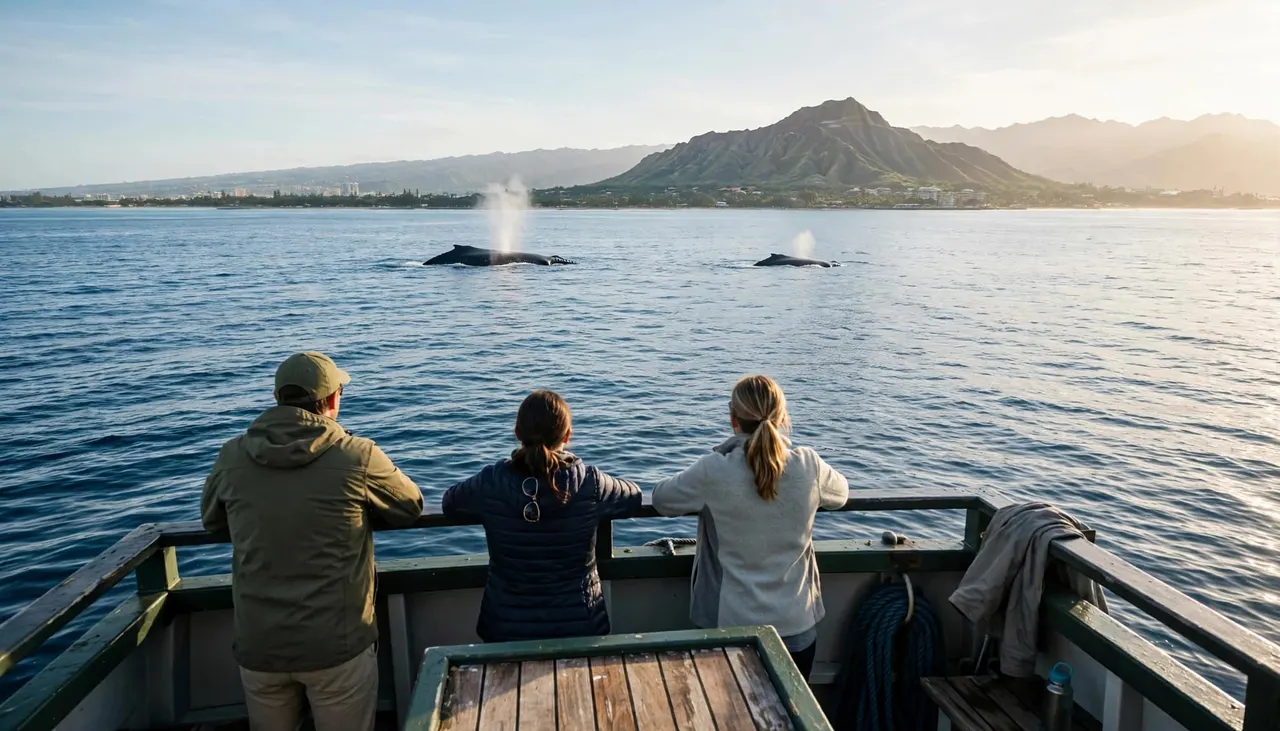
An illustration of whale watching from a respectful distance.
Responsible whale watching gives animals space to swim, rest, and care for their young. In Hawaiian waters, federal rules generally prohibit approaching a humpback whale within 100 yards, with limited exceptions.
That distance matters especially for mothers and calves. A boat that follows closely or cuts across their path can interrupt the pair’s movement. If a whale approaches a vessel on its own, the crew can slow down or stop and let it pass.
You can help by staying aboard, listening to crew instructions, and keeping the rail clear for other guests. Use a camera zoom or binoculars instead of asking for a closer approach.
The Hawaiian Islands Humpback Whale National Marine Sanctuary shares information about the whales and the waters they use. A distant view can still reveal a calf surfacing beside its mother without disturbing the pair.
Join Our Waikiki Whale Watch
The whale watching Honolulu offers can fit easily into a Waikiki vacation. Our Waikiki whale-watching tour departs from Kewalo Basin Boat Harbor, minutes from Waikiki, and runs for approximately 1.5 hours. Prices start at $49, and guests ages 3 and up are welcome.
Our Coast Guard-inspected, double-decker boats have open viewing areas, shaded seating, and onboard restrooms. You can watch for whales with Diamond Head and the Honolulu coastline in view.
We’re also the only Oahu tour company with professional snorkel guides. On a whale watch, you remain aboard while our crew helps you enjoy the ocean and observe wildlife respectfully.
Bring sunglasses, sun protection, and a light layer for the breeze. If you use a phone or camera, a secure strap helps keep it safe while you move around the deck.
Explore our seasonal departure dates and CHECK AVAILABILITY for your whale watch.
Frequently Asked Questions
Can you see a humpback whale give birth in Hawaii?
It’s possible, but an actual birth is exceptionally rare to witness. You have a more realistic chance of seeing a mother and calf swimming or surfacing together.
How can you tell a calf from an adult?
A calf is much smaller than its mother and often stays close to her. Its back and blow may be harder to spot, especially when the water is choppy.
Do humpback whales give birth every year?
No. Female humpbacks generally give birth at intervals of several years. Pregnancy and calf care require substantial energy.
Can you swim with a humpback calf?
Give humpbacks space rather than entering the water to approach them. Hawaii’s 100-yard approach rule applies to swimmers as well as vessels, subject to limited exceptions.
Take a Closer Look at Life Around You
A humpback birth is rarely seen, but a mother and calf at the surface offer a glimpse of what follows. Each breath and short swim is part of a calf’s first season in Hawaiian waters.
The whale watching Honolulu is known for rewards patience. Give the animals room, watch the water, and enjoy whatever the whales choose to show you.


