
Whale Watching Honolulu: Why Humpbacks Travel With Escorts
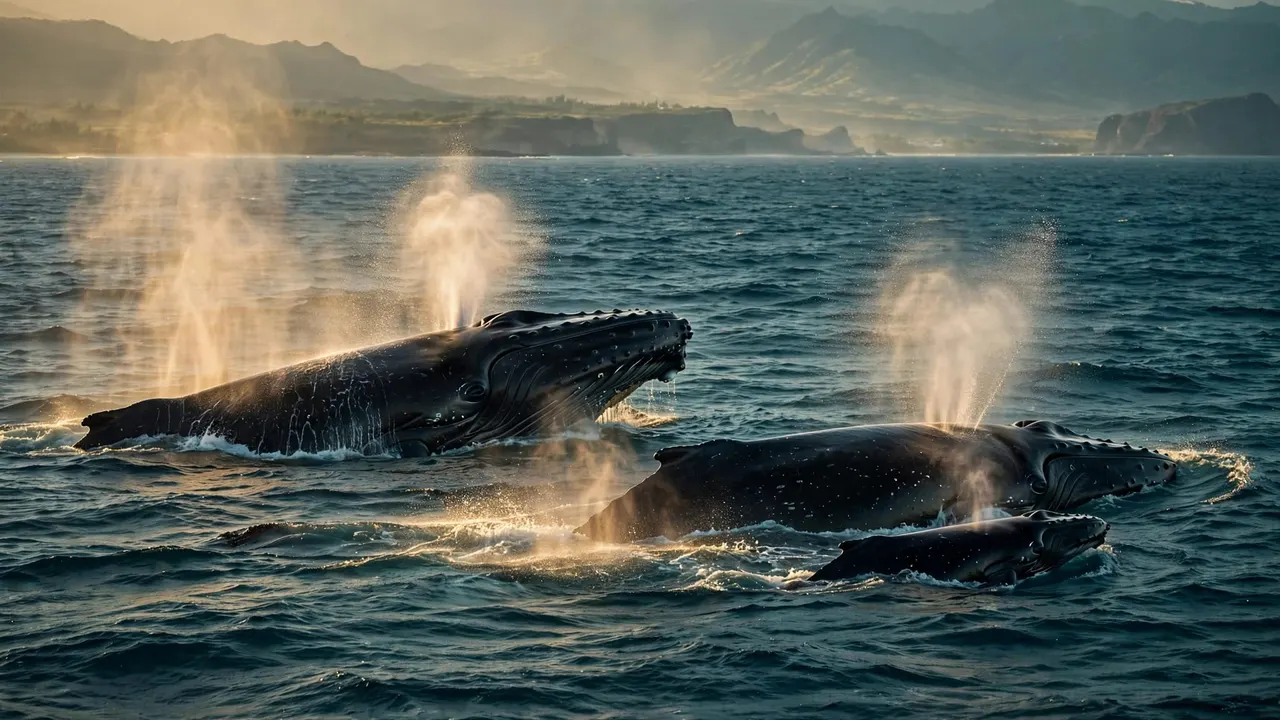
A humpback’s blow appears off Waikiki, then vanishes behind a swell. A second whale surfaces nearby. When you’re watching whales in Honolulu’s winter waters, that close pairing may be your first glimpse of an escort.
Living Ocean Tours runs seasonal whale watches from Kewalo Basin Boat Harbor, minutes from Waikiki. Its crew can help you follow the whales’ movements, but even an experienced observer can’t know every relationship from the deck. Understanding what an escort is makes those brief sightings far more interesting.
Whale Watching Honolulu Waters During Humpback Season
Why humpbacks gather near Hawaii
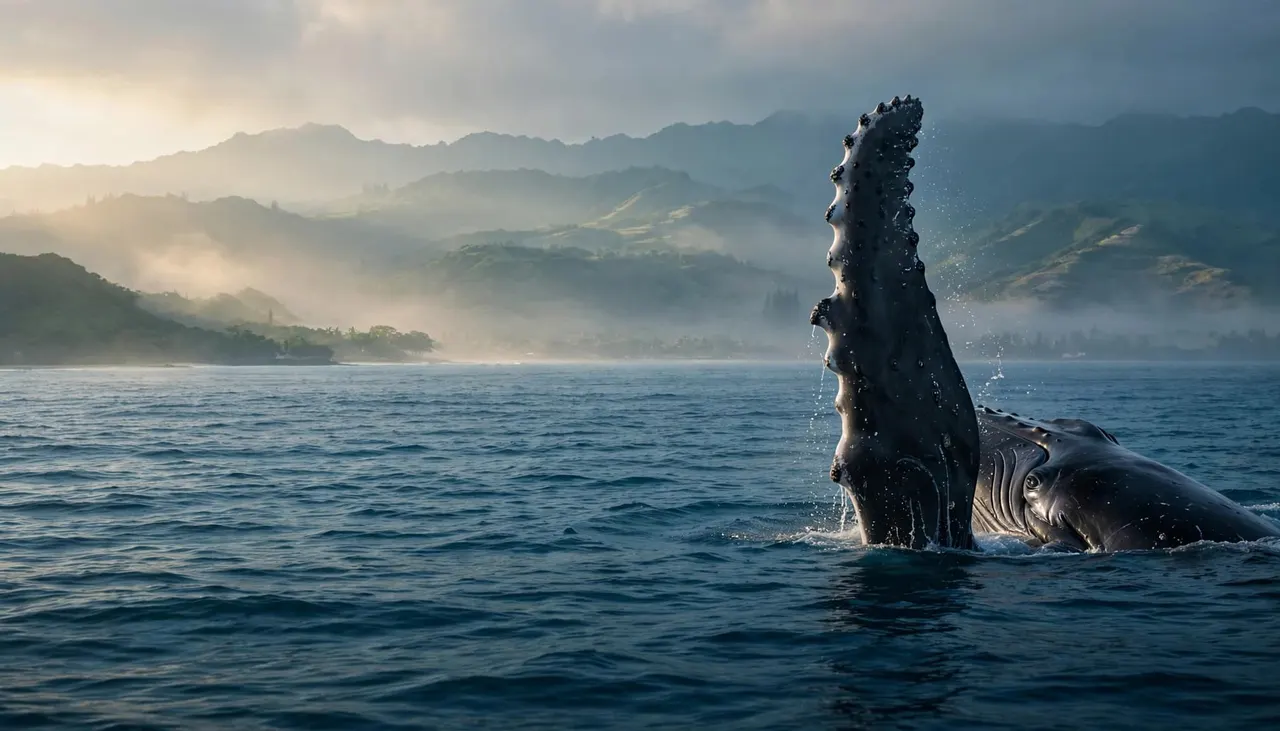
Humpbacks spend much of the year feeding in colder northern waters. Each winter, thousands travel to Hawaii to mate, give birth, and care for calves. The Hawaiian Islands Humpback Whale National Marine Sanctuary describes the islands’ warm, shallow waters as important habitat for these activities.
That breeding-season setting matters when you see two or three whales traveling together. The animals may be socializing or competing for a mating opportunity. If a calf is present, you may also be watching a mother tend to her young.
When to plan your trip
Living Ocean Tours schedules its seasonal whale watches from January through March. Those months are a practical window if seeing humpbacks is a priority during your Oahu visit.
Still, a winter departure can’t guarantee a sighting. Whales choose their own routes and surface times, while wind, swell, and visibility affect what you can see. Book early in your stay if your schedule allows. You’ll have more flexibility if weather changes your plans.
What an Escort Whale Actually Is
A whale accompanying a female
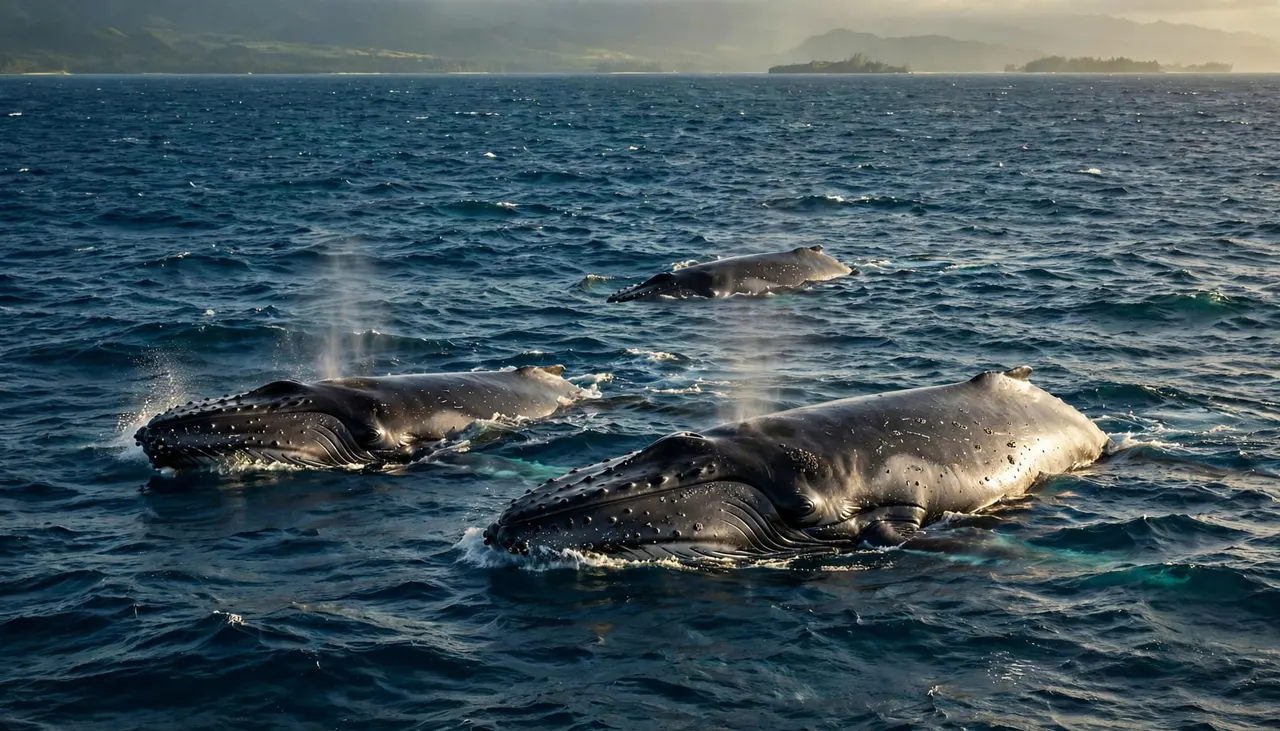
In humpback research, an escort is typically a male seen accompanying a female, sometimes a mother with a calf. He may travel close to her for a period, surface when she does, or remain nearby as other whales enter the group.
Researchers studying humpbacks in Hawaii have documented males escorting or guarding females. Those observations connect escorts to breeding-season behavior, but they don’t reveal one fixed motive for every male you might see off Honolulu.
What the term doesn’t tell you
An escort beside a mother and calf isn’t automatically the calf’s father. His presence also doesn’t prove he’s protecting either whale. You can’t establish paternity, courtship success, or a whale’s intentions by watching a few surfacing breaths.
Nor does “traveling with an escort” mean the whales migrated together from Alaska. An escort may join a female in Hawaiian waters. The association you observe from a boat could be only one short part of each animal’s winter.
Why a Male Might Follow a Female
Access to a possible mate
Hawaii’s winter habitat brings breeding-age humpbacks into contact. Accompanying a female may give a male an opportunity to mate, and remaining close may affect how other males interact with her. That is the main context for understanding escort behavior.
You might see the pair move steadily across the surface with little visible commotion. A quiet sighting can be easy to overlook beside a breach, yet it may show an important social relationship in progress. You don’t need a dramatic splash to witness breeding-season behavior.
Competition can change the group
An escort relationship isn’t necessarily exclusive. Other males may approach, and a small group can become a more active competition group. You might see whales change positions, surface close together, or create patches of whitewater as they move.
Those movements don’t tell you which male the female favors. They show that relationships within a group can change while you’re watching. If several animals are surfacing at once, keep track of where each one reappears rather than treating the whole group as a single whale.
A Mother, Calf, and Escort Are Three Different Stories
The calf stays close to its mother
A calf may surface beside its mother, revealing a smaller back or a separate, lower blow. The pair needs room to travel, breathe, and rest. If you see a third whale nearby, you may be watching an escort, but the calf’s relationship with its mother remains distinct.
Avoid calling the third whale a “babysitter” or “dad” based on position alone. From the boat, you can describe what you see accurately: a mother and calf surfaced, and another whale followed nearby. That observation is valuable without assigning the adults a family role.
One glimpse can’t reveal a lasting bond
Whales can disappear beneath a swell and resurface in a different arrangement. A male close to a mother during one surfacing may be farther away at the next. Another whale could enter the scene while you’re looking elsewhere.
For that reason, watch the group over several breaths if conditions permit. Notice whether the adult and calf remain together and whether the other whale repeatedly accompanies them. Repeated behavior tells you more than a single photograph, though it still leaves room for uncertainty.
How to Recognize an Escort Sighting From the Boat
Start with the surfacing pattern
Look first for a misty blow, followed by a rounded back. Once you locate one whale, keep your eyes on the surrounding water. A second blow in the same area may reveal a companion; a much smaller surfacing beside an adult may indicate a calf.
Tell the crew where you saw the activity using a clear reference, such as the boat’s bow or a point on the shoreline. Then watch the broader patch of water. Staring only at the last place a whale disappeared can cause you to miss its next surfacing.
Let the crew help interpret it
An experienced crew can point out features and behavior you might miss while you’re handling a camera. They can also explain why a cluster of adults may be more complex than a simple mother-and-calf sighting.
Male humpbacks also produce patterned songs in Hawaiian waters. Research on male humpback singing in Hawaii helps place that sound alongside the other breeding-season behaviors you may encounter. Hearing about a whale’s song, however, doesn’t establish that a particular whale beside your boat is singing.
Give Escorts and Calves Room to Set Their Course
Keep the required distance
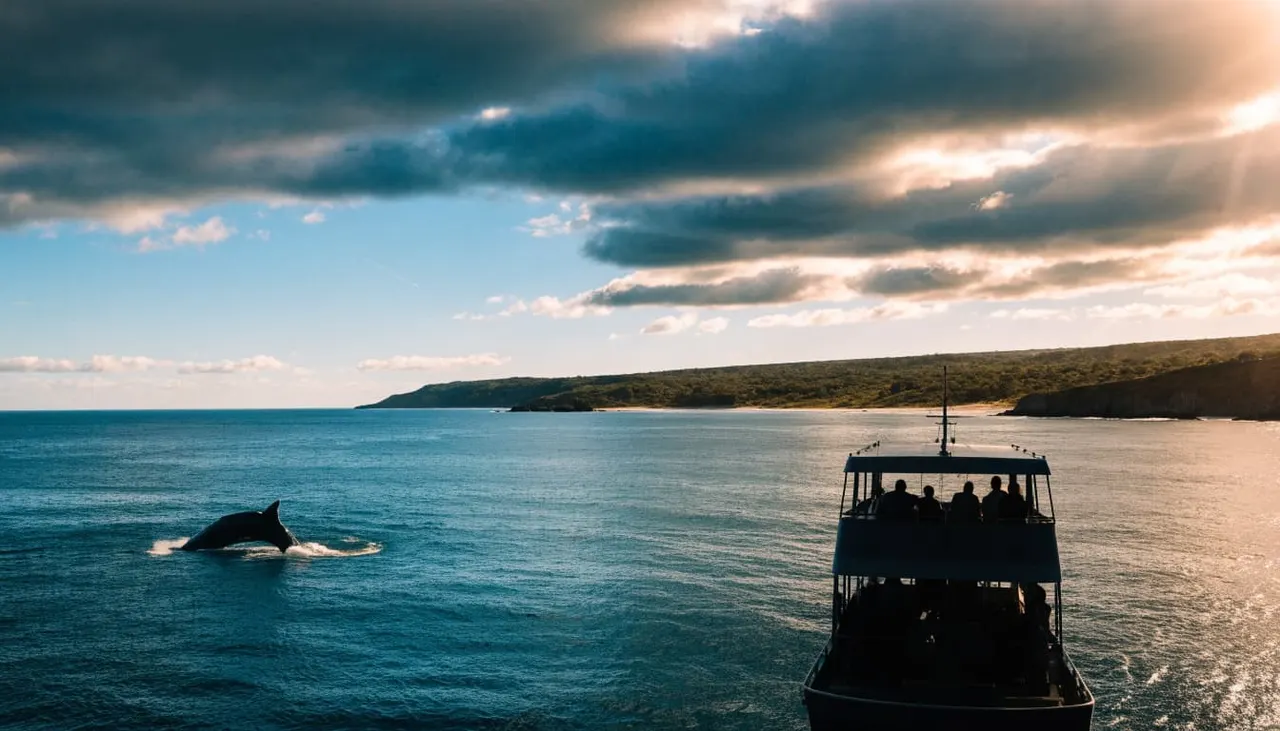
Federal rules require vessels in Hawaii to remain at least 100 yards from humpback whales. NOAA’s marine life viewing guidelines explain the distance rule and the importance of giving marine mammals space.
Let the captain handle the boat’s position. Don’t ask the crew to close the gap for a photo, particularly when a calf is present. A whale may surface nearer than expected, but an unexpected encounter is different from steering toward it.
Observe instead of interacting
A whale watch is an experience aboard a vessel, not an invitation to enter the water. Don’t swim toward, touch, feed, or chase a humpback. The same hands-off approach applies if an escort appears to be following a mother closely.
You’ll often learn more by watching from a steady position. Give the whales time to surface and choose their direction without pressure from the boat. A distant view of natural behavior is more meaningful than a closer look that interrupts it.
Plan Your Honolulu Whale Watch From Waikiki
Choose a comfortable place to watch
Living Ocean Tours departs from Kewalo Basin Boat Harbor, near Waikiki, for seasonal humpback cruises. Its Coast Guard-inspected, double-decker boats offer shaded seating and onboard restrooms, so you can settle in for the search. On the Lokahi, a SeaKeeper stabilization system helps reduce rolling; ask about vessel assignments when booking.
The company is also the only Honolulu tour company with professional snorkel guides. Whale watching stays aboard the boat, while the crew helps you spot wildlife and follow respectful viewing practices. You can browse its seasonal whale watching and ocean tours before choosing an outing.
Prepare for the moments between sightings
Bring sun protection, a light layer for wind, and a secure strap for your phone or camera. If you’re prone to motion sickness, ask a pharmacist or doctor about a suitable remedy before departure. Once aboard, let the crew know early if you feel unwell.
For whale watching Honolulu visitors, patience is part of the experience. You may see a mother and calf, adults moving together, a distant breach, or a few blows above the swell. If your winter dates are set, you can CHECK AVAILABILITY for a seasonal departure.
Key Takeaways for Your Whale Watch
- An escort is typically a male accompanying a female humpback, sometimes a mother with a calf.
- Escort behavior fits Hawaii’s breeding season, but a sighting can’t tell you a male’s identity, intentions, or relationship to a calf.
- Whales seen together off Honolulu didn’t necessarily make their long migration together.
- Living Ocean Tours runs seasonal whale watches from January through March; every sighting depends on wild animals and ocean conditions.
- In Hawaiian waters, give humpbacks at least 100 yards of space and follow your captain’s directions.
Frequently Asked Questions
Is an escort the father of the calf?
You can’t tell from a boat. A male seen beside a mother and calf is an escort based on his observed association, not proof of paternity. Enjoy the unusual three-whale sighting without assuming the adults are a family group.
Do humpback escorts stay with one female all winter?
A brief observation can’t establish that. Whales move through Hawaiian waters and may join or leave groups. The escort you see on one cruise may accompany a female for only part of the time you’re watching.
Can a whale-watch tour guarantee an escort sighting?
No. A captain can search appropriate habitat during humpback season, but no tour can schedule a particular whale group. Weather, visibility, and whale movement all shape what you’ll see. Stay open to quieter sightings, including a lone blow or a mother and calf traveling together.
The Best View Leaves the Story Open
That second blow beside a mother may belong to an escort, but you don’t need to invent a family story to appreciate it. Watch how the whales move, let the crew help you interpret what you see, and give the group room to continue on its own course.
When you’re whale watching Honolulu waters, attention and distance bring you closer to understanding these winter visitors than a rushed photo ever could.


