
Whale Watching Honolulu: How Humpbacks Get Identified
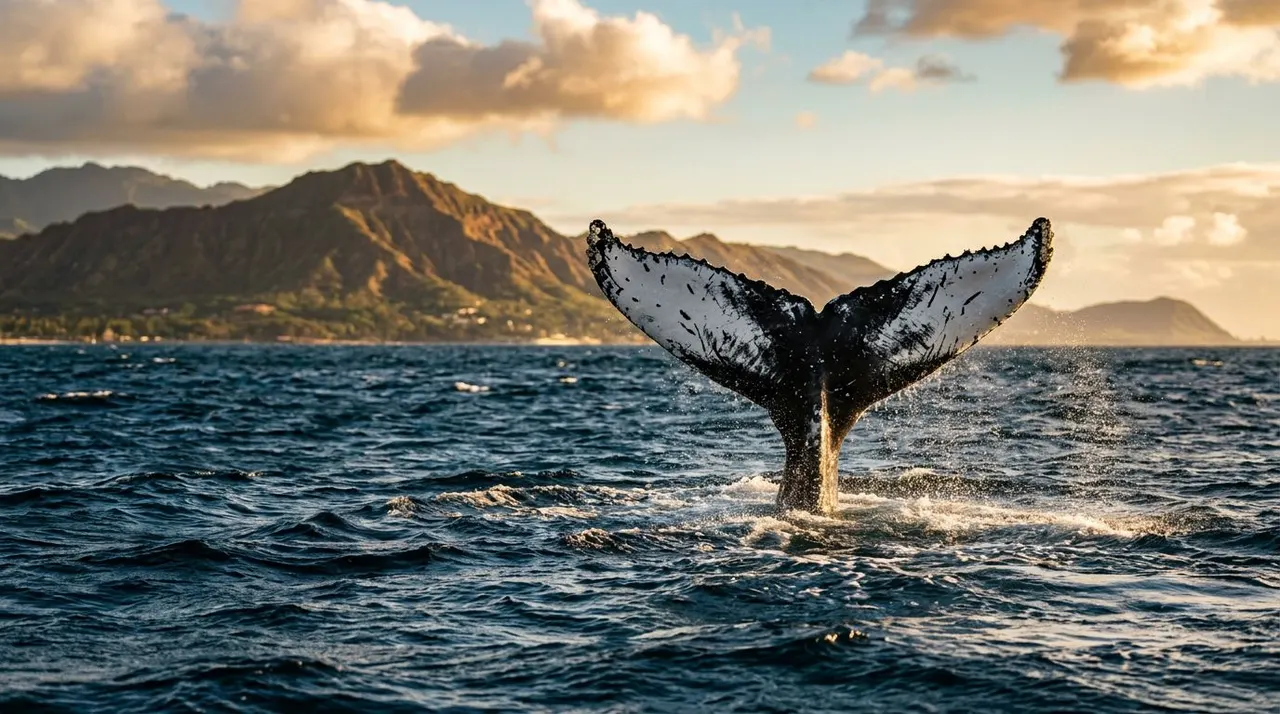
A humpback whale may surface beside your boat for only a few seconds, yet scientists can often recognize that same animal years later. During whale watching in Honolulu, researchers and trained guides use natural markings instead of tags or tracking devices to identify individual whales.
The process is called photo-identification, or photo-ID. Your photos and observations can support long-term research when they capture the right details. First, it helps to know what makes each humpback recognizable.
Key Takeaways
- Scientists identify humpbacks mainly through the unique patterns on their tail flukes.
- Dorsal fins, scars, pigmentation, body shape, and fin damage provide supporting clues.
- Researchers record each sighting with location, date, behavior, and group details.
- Humpback watching in Honolulu is seasonal, with Living Ocean Tours offering trips from January through March.
- You can help protect whales by keeping your distance and observing without touching, feeding, or chasing.
Photo-ID lets scientists recognize individual humpbacks
When a humpback dives, it often raises its tail above the water. The underside of that tail, called the ventral surface of the flukes, has a pattern of dark and light pigmentation that varies between whales.
The shape of the flukes also matters. Some whales have smooth trailing edges, while others show notches, chips, or scars. Over time, new injuries may appear, but the overall pattern usually remains stable enough for comparison.
Researchers photograph the tail as the whale dives, then compare the image with a catalog. A catalog entry may include a unique identification number, earlier photographs, sighting dates, locations, and notes about behavior or companions.
The comparison process requires more than a quick glance. Scientists check the angle of the tail, image quality, lighting, water conditions, and whether the visible pattern could belong to another whale. A clear image gives them a much stronger match than a distant or partially hidden tail.
A whale doesn’t need a tag for you to recognize it. Its markings create a natural record that can follow it across the Pacific.
The method also protects the animal. Researchers don’t need to capture, touch, or attach equipment to a humpback. A respectful photograph from a legal viewing distance can provide useful information without changing the whale’s behavior.
Hawaii’s humpbacks belong to the North Pacific population. Many spend warmer months feeding in northern waters before traveling to Hawaii during winter. Because the same whale may appear in different areas during different years, photo-ID helps connect seasonal sightings and improve scientists’ understanding of migration.
For you, this means a brief moment on the water can fit into a much larger story. The whale you see near Oahu may have appeared in a catalog before, traveled thousands of miles, or returned with a calf.
The clues that separate one humpback from another
Tail flukes are the main identification feature, but scientists rarely depend on one detail alone. A reliable match combines several physical clues.
The dorsal fin is often visible when a whale surfaces. Its curve, height, tip, and scars can help confirm an identity. Some humpbacks have a distinct notch or bend that makes the fin easy to recognize from the side.
Scars also tell a story. Marks from natural encounters, entanglement, or other injuries can remain visible for years. Researchers record their position and shape, then compare them with older photographs. A scar may not identify a whale by itself, but it can strengthen a match based on the flukes.
Pigmentation varies across the body. One whale may have a mostly dark tail with a narrow pale section, while another may show broad white patches. The contrast can change depending on sunlight and water, so scientists examine the full pattern rather than relying on color alone.
Body shape provides another layer of information. A mature whale, a juvenile, and a mother with a nursing calf may look different in size and proportions. However, researchers use body shape carefully because posture, perspective, and the whale’s position in the water can change its appearance.
The pectoral fins may show scars, unusual pigmentation, or distinctive edges. A damaged fin can become a helpful marker, especially when it appears alongside a recognizable tail pattern.
Scientists also record context:
- The date and exact location of the sighting
- Whether the whale traveled alone or with other whales
- Breaching, tail slapping, resting, feeding, or social behavior
- The presence of a calf or repeated companion
- The direction and speed of travel
Acoustic recordings can add another source of information. Humpbacks produce complex songs, especially during the breeding season. Songs help researchers study communication and population behavior, although physical photo-ID remains the stronger way to confirm one individual.
This combination makes whale identification more reliable. A tail pattern may suggest a match, while the dorsal fin, scars, location, and sighting history provide additional support.
How your whale watching trip becomes useful data
A responsible whale watching trip gives you more than a chance to see a blow or a tail. It also gives you a close look at the careful observation that marine research requires.
Professional researchers and trained guides watch for a sequence of behaviors. A whale may surface several times before diving. Each breath can reveal the dorsal fin, back markings, or a changing angle of the tail. Patience matters because the best identification photograph often comes at the end of a dive.
The crew records details while the whale remains in the water. They may note the travel direction, number of animals, surface activity, and approximate location. When conditions allow, photographs can later be compared with regional catalogs or shared with photo-ID programs such as Happywhale.
A sighting becomes more valuable when you can connect it with earlier or later records. For example, a whale photographed in Honolulu during February may match an image taken in Hawaii during another year. Repeated records help researchers estimate return patterns, calf associations, movement, and population changes.
You can improve your own photographs by preparing before the trip. Keep your camera ready, use a fast shutter speed, and aim for the underside of the tail when the whale begins a deep dive. Avoid leaning over the rail or trying to get closer. A blurry close-up is less useful than a sharp image taken from a safe distance.
Don’t chase a whale to force a better photograph. Sudden boat movements can interrupt resting, traveling, nursing, or social behavior. A skilled captain gives the animal space and allows it to decide whether to remain nearby.
The best guides also help you interpret what you see. A blow may appear before the back surfaces. A series of short dives may precede a longer dive. A calf may stay close to its mother, making the pair easier to follow without pursuit.
These observations help you become a better wildlife viewer. You begin to notice behavior instead of waiting only for a dramatic breach. That shift matters because every whale has its own habits, and patient watching often reveals more than constant searching.
Plan whale watching in Honolulu with care
Humpback season in Honolulu runs from January through March for Living Ocean Tours. Conditions can change each day, so dress for sun and wind, secure loose items, and bring a camera with enough battery for repeated surface sightings.
Living Ocean Tours departs from Kewalo Basin Boat Harbor, just minutes from Waikiki Beach. The company operates Coast Guard-inspected, custom-built double-decker vessels, including the Coral Kai and Lokahi. The Lokahi includes a SeaKeeper stabilization system that reduces rolling, which can make the ride more comfortable if you’re sensitive to motion.
Both boats offer shaded seating, restrooms, dry storage, and sturdy ladders. Those features help families and first-time ocean visitors enjoy the trip without giving up comfort. The open deck also gives you room to watch the horizon and look for blows in different directions.
Living Ocean Tours also highlights that it’s the only tour company with professional snorkel guides. That experience adds value if you want to pair seasonal whale watching with a reef outing during your Honolulu stay. The company’s guides emphasize safe, respectful wildlife observation, including the simple rule to observe animals without touching them.
You can review the seasonal Honolulu whale watching tour before choosing your date. Since whales are wild animals, no operator can promise a specific behavior or guaranteed close approach. A responsible trip focuses on safe viewing, accurate information, and giving every whale room to move naturally.
Your captain and crew should follow federal and state marine mammal protection rules. That means no feeding, touching, swimming with, or deliberately pursuing humpbacks. Keep voices low when a whale surfaces nearby, and let the crew manage the boat’s position.
Conclusion
During whale watching in Honolulu, you may see only a tail rising through the Pacific, but that image can hold a surprising amount of information. Fluke patterns, dorsal fins, scars, pigmentation, behavior, and location allow scientists to recognize individuals without disturbing them.
When you choose a seasonal whale tour, stay patient and follow the crew’s guidance. The clearest memory may be a dramatic breach, yet the most meaningful sighting can be a calm dive that helps you recognize one returning humpback years later.


