
Whale Watching Honolulu: Why Humpbacks Sing in Hawaii
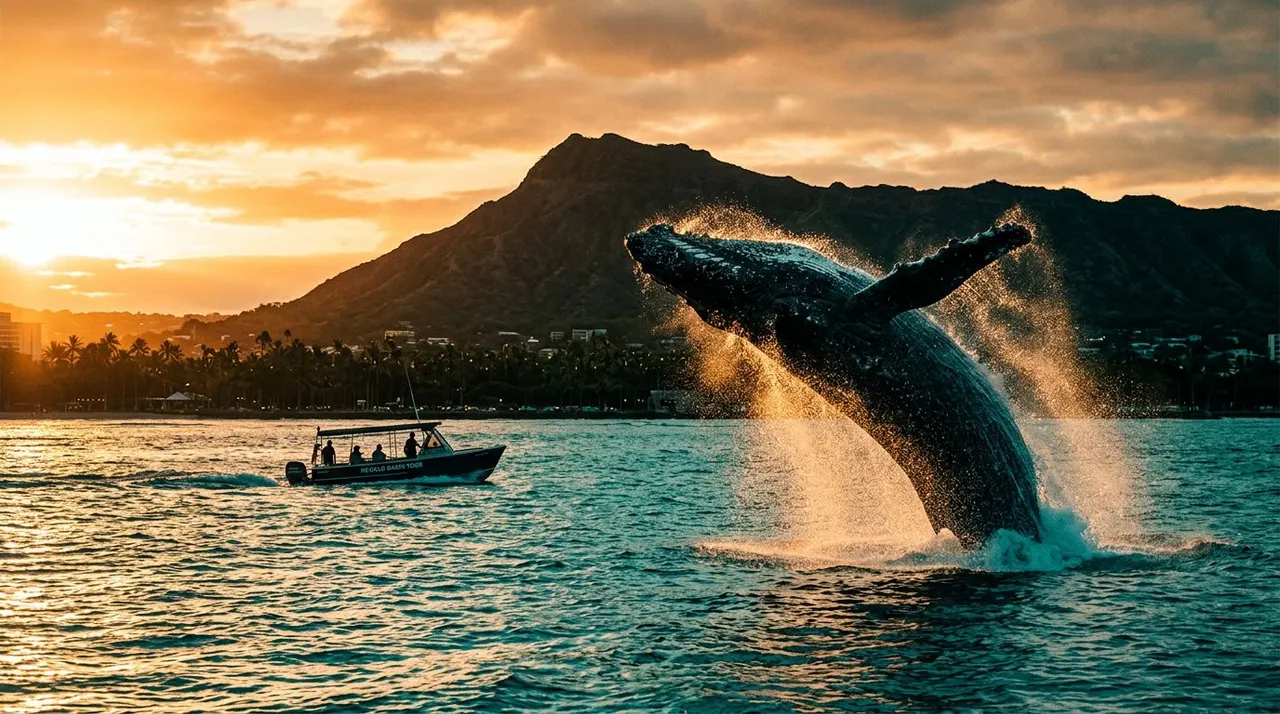
The first time you go whale watching Honolulu style, the ocean can seem calm and empty, then a plume of spray breaks the horizon and changes everything. If you visit in winter, you’re not just looking for a sighting, you’re stepping into the middle of a migration that brings humpbacks back to Hawaiian waters for courtship and calving.
Living Ocean Tours runs seasonal whale watching trips from Kewalo Basin Boat Harbor, just minutes from Waikiki, so you can get on the water fast and stay close to the action. You’ll also notice the crew knows the ocean well, because Living Ocean Tours is the only tour company with professional snorkel guides, which matters when you want clear, safe guidance on the water.
Why humpbacks choose Hawaiian waters
Humpback whales travel a long way to reach Hawaii. They spend their feeding season in colder North Pacific waters, then move south to warm, sheltered breeding grounds when winter arrives. In Honolulu, that means your best chance to see them usually falls between January and March, when the whales are most active near Oahu.
The warm water is not about comfort in the human sense. It gives mothers and calves a safer place to move, rest, and build strength. It also gives adult whales room for courtship without the pressure of feeding. When you watch from a boat near Waikiki, you’re seeing part of a much larger Pacific migration, not just a local animal outing.
That’s what makes whale watching here feel different. The whales are not passing through as a novelty. They’re using Hawaiian waters as a seasonal home.
If you want to compare different ocean outings that leave from the same area, you can browse ocean tours departing from Waikiki and see how the season changes the kind of trip you plan.
The mystery of the humpback song
Humpback songs are one of the most unusual sounds in the ocean. Male humpbacks are the main singers, and scientists believe the songs play a role in courtship and competition. The exact purpose is still studied, but the pattern is clear, these songs matter in the breeding season.
A humpback song is not random noise. It has phrases, themes, and repeating structures that can stretch on for hours. Even more interesting, the song changes over time. Whales in the same region often share similar versions, then the sound gradually shifts across the season.
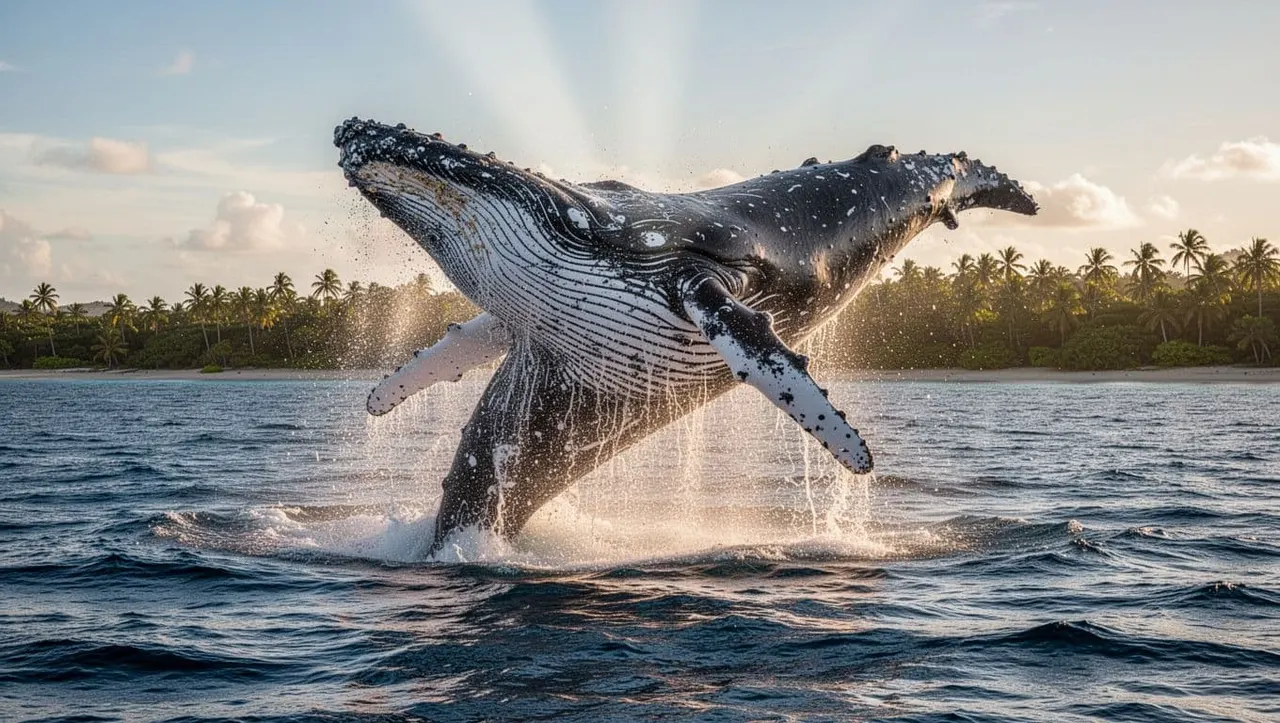
Because sound travels so well underwater, a song can move far beyond the whale that made it. That makes the ocean feel bigger and more alive than it looks on the surface. You may spot a breach, a tail slap, or a blow, yet the real drama can be happening below you the whole time.
Humpback songs are part signal, part competition, and part mystery, which is why they still draw so much attention.
The setting in Hawaii matters too. The whales are gathered in a breeding ground, so the soundscape fills with behavior you won’t hear in feeding areas. When you’re out on the water, the songs turn a simple boat ride into something that feels like a live field recording.
What whale watching in Honolulu feels like on the water
On a good whale watch, you’re not staring at the ocean in silence for long. You’re scanning for spouts, watching for dark shapes just under the surface, and listening for the call from the crew when a whale surfaces off the bow. A breach can happen fast, so the best trips keep you comfortable, alert, and ready.
That’s where a well-run boat matters. Living Ocean Tours operates Coast Guard-inspected, custom-built double-decker vessels, including the Coral Kai and the Lokahi. Those boats are designed for open viewing, shaded seating, restrooms, and smoother rides, and the Lokahi includes SeaKeeper stabilization to help reduce roll. If you’re sensitive to motion, that kind of stability can make the difference between spending the trip inside and enjoying the view out on deck.
You also want a crew that respects the animals. A whale watch should never feel like a chase. The goal is to let the whales stay in control while you get a clear, respectful look at what they’re doing.
If you’re planning your winter outing, this is the right time to check dates and weather windows. Seasonal whale watching in Honolulu can move with ocean conditions, so it helps to book early. You can also tap CHECK AVAILABILITY when you’re ready to lock in a trip.
How to watch whales without crowding them
Good whale watching starts with patience. You’ll see more when you slow down and let the ocean set the pace. That means you should watch for behavior, not just big moments.
A few habits make the trip better for you and safer for the whales:
- Keep your eyes on the horizon because spouts often show before the body does.
- Listen to the crew when they point out movement, since a trained eye spots more than a casual glance.
- Stay calm after a sighting so you can catch the next surfacing instead of only the first one.
- Respect distance because the best encounters happen when the whale doesn’t feel pressured.
- Observe, don’t touch if you’re lucky enough to get close enough to feel the moment.
That approach protects the animals and gives you a better experience. A whale that stays relaxed is more likely to surface naturally, roll, tail slap, or breach again.
This is also why choosing an eco-conscious operator matters. You want a crew that knows the water, knows the rules, and treats the whales like wild animals, not props for a photo.
Why Honolulu gives you a special view of humpbacks
Honolulu puts you close to one of the most scenic whale watching corridors in Hawaii. You get open water, island backdrops, and winter light that can turn every sighting into a postcard. Yet the real value is not the view alone. It’s the chance to see a species that crosses thousands of miles, then sings in a place shaped by quiet, protected water.
Living Ocean Tours fits that setting well because the company combines comfort, marine knowledge, and a family-friendly style that works for beginners and experienced ocean lovers alike. If you want a winter outing that feels smooth, guided, and close to Waikiki, a Honolulu whale watch gives you that mix without making the day complicated.
Conclusion
When you head out for whale watching Honolulu style, you’re not just hoping for a breach. You’re stepping into a season when humpbacks return to Hawaii to sing, compete, and raise calves in calmer waters.
That song is part of the reason the trip stays with you. You see the surface, but you’re also aware of the life moving below it, just out of sight. If you want the best version of that experience, choose a crew that respects the whales, knows the water, and lets the ocean set the pace.


