
Whale Diving Hawaii: Rules, Seasons and Where to Watch
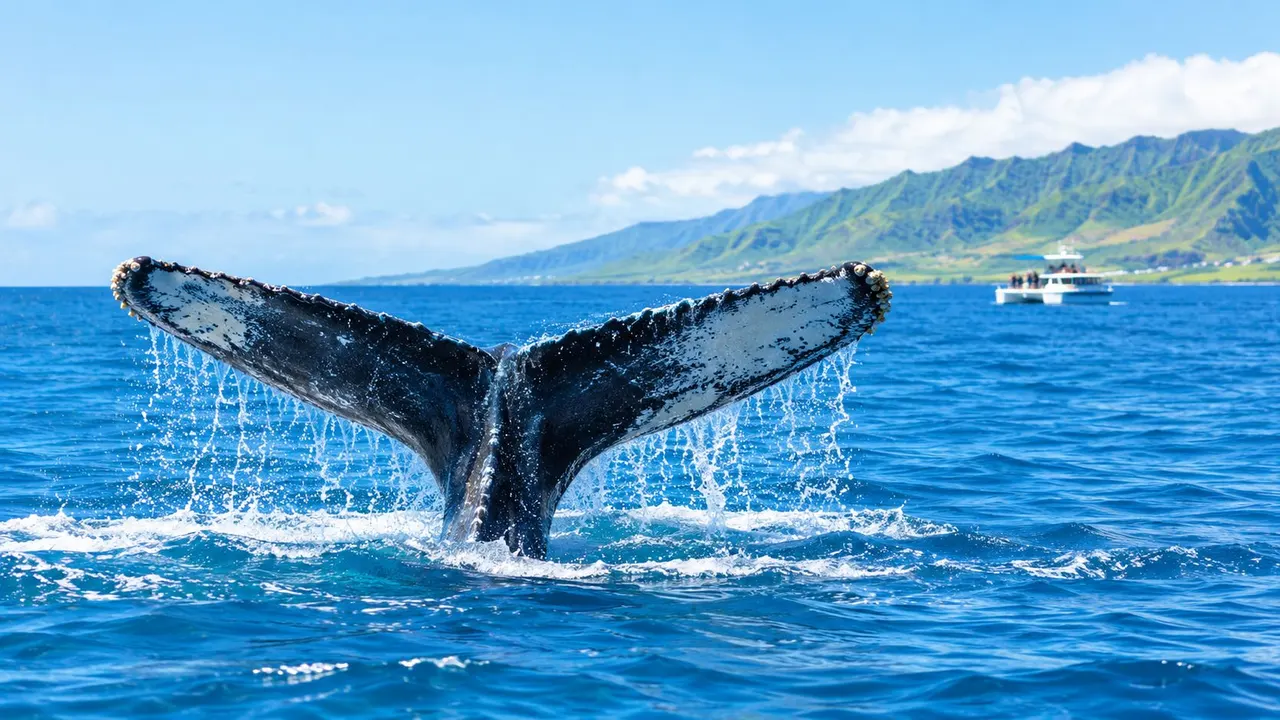
Swimming, snorkeling, or scuba diving with humpback whales is illegal in Hawaii, where federal law requires people to stay at least 100 yards away. In practice, “whale diving” means watching from a boat while the whales do the diving themselves.
That may sound like a correction to the advice you were hoping to find, but it points to a better kind of encounter. You can watch a whale lift its flukes, vanish into blue water, and surface somewhere along the horizon without putting yourself or the animal at risk. The whale sets the pace, and your job is to notice what it's showing you.
What Whale Diving in Hawaii Actually Means
The phrase whale diving in Hawaii can mean two different things. Some people use it to describe the whales' own dives beneath the surface. Others mean getting into the water to swim, snorkel, or scuba dive beside a whale. The first is a fascinating behavior to observe. The second is prohibited for recreational visitors.
Federal rules prohibit approaching a humpback within 100 yards by any means, including swimming, snorkeling, diving, kayaking, boating, or using a drone. The restriction applies throughout Hawaiian waters, so a guided boat trip is not permission to get in the water near whales. The closest responsible experience is a whale watch where the crew follows the rules and lets the animals decide whether to surface nearby. NOAA's Hawaii sanctuary regulations explain what to do if a whale unexpectedly approaches: remain still, put a motorized vessel in neutral, and wait for the whale to move away.
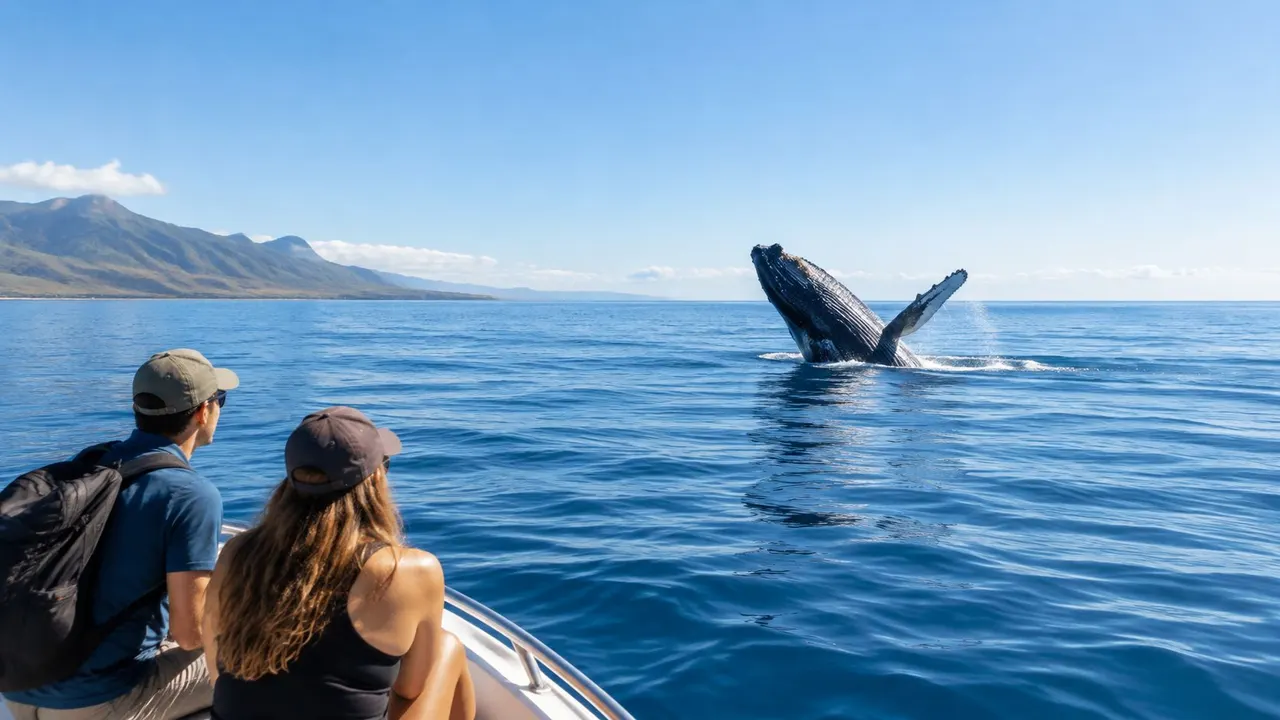
A breach or a close pass can feel personal even when the boat maintains a lawful distance. Binoculars, a camera with a zoom lens, and a guide who explains what you're seeing help turn that distance into a front-row view. From the deck, you may spot a blow, watch a fluke rise, or catch a breach without entering the whale's space.
Distance isn't a limitation. It's what lets the whale choose the encounter.
A handful of interactions may take place under official authorization or in specific circumstances, but that doesn't create a recreational swim-with-whales activity for visitors. If an outing is advertised as an invitation to enter the water and approach Hawaiian humpbacks, treat that claim as a warning sign, not a booking opportunity.
How Humpback Whales Actually Dive
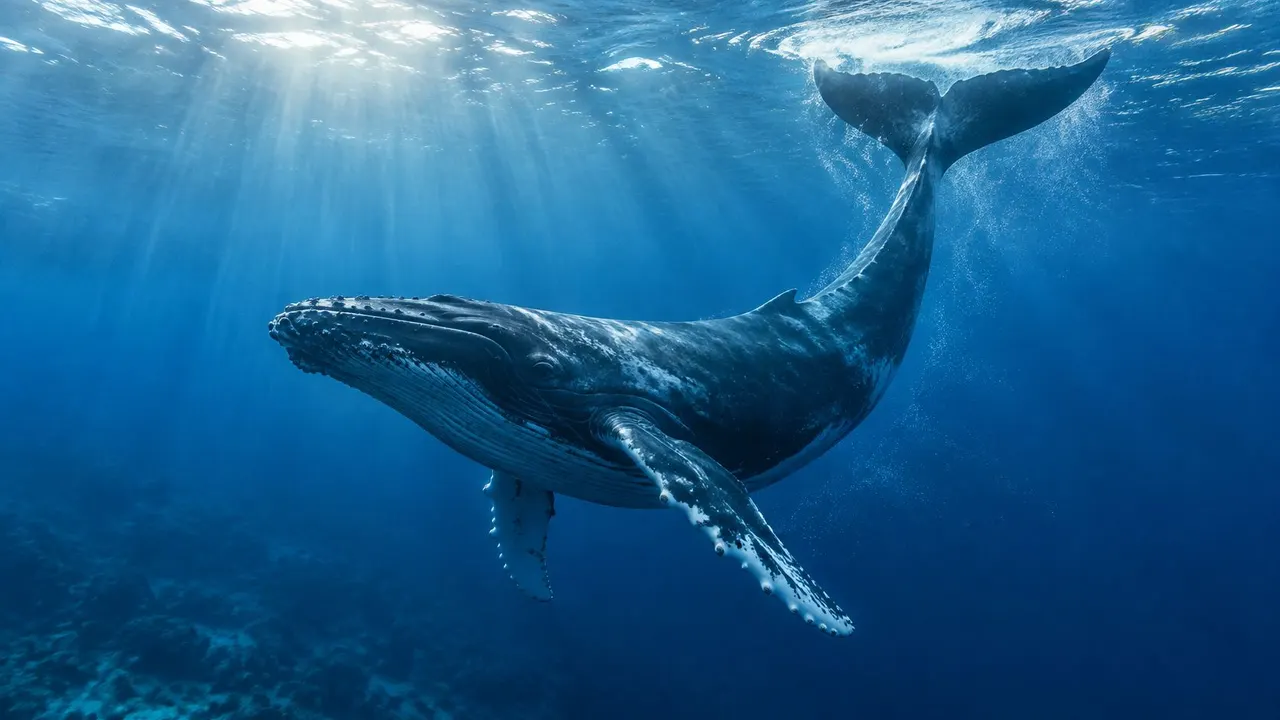
Humpbacks don't follow a predictable underwater route after a visible dive. In Hawaiian bank habitat, research reports dives reaching about 200 feet (61 meters), with occasional dives documented to 240 meters. Adults commonly surface every 7–15 minutes, but a dive can last as long as 45 minutes. Calves typically surface every 3–5 minutes. NOAA-linked information on humpback behavior helps explain why a whale's next appearance can't be predicted from its last one.
A fluke-up dive is a useful clue that the whale is going underwater, not a promise it'll resurface in the same spot. It might travel below the surface, change direction, or stay down longer than you expect. That's why experienced crews scan widely rather than steering toward the precise place where the tail disappeared. Pursuing or trying to intercept a whale can be unsafe and unlawful.
Read the surface, not just the splash
Start by watching the whole waterline. A blow can reveal where a whale has surfaced; a tail or fluke display may come before a dive; a breach or tail slap is a dramatic surface behavior, but it doesn't tell you exactly where the animal will go next. If you're with a guide, listen for descriptions of repeated surfacings and watch how the crew tracks more than one point on the horizon.
Calves often surface more frequently than adults, so a mother and calf may appear at the surface at shorter intervals. That doesn't make them easier to follow or a suitable target for a closer approach. Give the pair room and let the crew interpret what you're seeing.
For a practical overview of what to expect while whale watching on Oahu, keep in mind that patient observation is more useful than guessing where a whale will appear. The next surfacing may be a distance away, and the wait is part of watching a wild animal rather than a performance on a schedule.
Hawaii Humpback Whale Season and the Great Migration
Hawaiian waters are a winter destination in a much larger migration. Humpbacks travel from feeding areas in high-latitude waters to the islands between approximately November and May. Here, they breed, give birth, and nurse calves rather than feed. That seasonal purpose helps explain why visitors often see mothers and calves nearshore, and why respectful viewing matters.
NOAA estimates that up to 12,000 whales, more than half of the North Pacific humpback population, return to Hawaiian waters during this period. The Hawaiian Islands Humpback Whale National Marine Sanctuary protects 1,370 square miles of state and federal waters around the main Hawaiian Islands. Congress designated the sanctuary on November 4, 1992, to protect humpbacks and their breeding, calving, and nursing habitat.
From depletion to recovery
The seasonal gathering is also a conservation story. NOAA historical assessments estimate that the North Pacific population may have numbered roughly 15,000 before large-scale twentieth-century whaling, then fallen to approximately 1,000–1,400 after commercial whaling ended in 1966. Surveys from 1990 to 1993 estimated about 6,000 humpbacks in the North Pacific, including approximately 4,000 associated with Hawaii.
Later research estimated the North Pacific population at roughly 20,000 and found that more than half wintered in Hawaiian waters. NOAA's assessment of sanctuary conditions and recovery also records the sanctuary's creation and the removal of the Hawaii population from the U.S. endangered-species list in 2016. Those milestones help explain why today's winter whale watching is possible, and why visitors should treat these waters as a nursery, not just a viewing venue.
The Laws That Keep Whales and People Safe
The central rule is straightforward: stay at least 100 yards (91 meters) from a humpback whale in Hawaiian waters. The restriction applies whether you're in a boat, kayak, or other watercraft, or in the water swimming, snorkeling, or diving. It also covers drones approaching from the water or used to get close views. NOAA's humpback whale management guidance explains that the rule also prohibits placing a person or vessel in a whale's path so that it surfaces within the restricted distance, or disrupting its normal behavior.
Keep the airspace clear, too
Aircraft, including helicopters, airplanes, and drones operated as aircraft, must remain at least 1,000 feet (333 yards) from humpback whales in Hawaii. This is a separate requirement from the distance rule on the water. Only narrow exceptions apply, such as official government duties, emergency avoidance, or activities authorized by a National Marine Fisheries Service permit. See NOAA's marine-life viewing distances before planning aerial filming or sightseeing.
If a whale comes close to your boat on its own, don't try to turn the moment into a close-up. Stay calm, and if you're operating a motorized vessel, put it in neutral. Remain stationary and wait for the whale to move away. Don't maneuver into its path or follow it when it leaves.
If you see an injured or entangled whale, don't approach it or try to intervene. Note what you can observe from a safe distance and report the situation to the appropriate authorities. These Oahu whale-watching rules are useful to review before heading out, whether you're joining a tour or spending time on the water independently.
When and Where to See Whales in Hawaii
Humpback season generally runs from November through May, though whales may arrive as early as September and remain into late May. The usual peak is January through March, with Hawaii's Department of Land and Natural Resources naming January and February as peak months. NOAA's Hawaii boating guidance also notes that Oahu has regular sightings, though they're generally less frequent there than at some other Hawaiian locations.
Set expectations by timing
- Early season: Whales may begin arriving, but a sighting on a particular trip isn't guaranteed.
- Peak winter: January through March is the usual high-activity window, and January and February are especially popular planning months.
- Late season: Sightings can continue through May, but the number and behavior of whales vary.
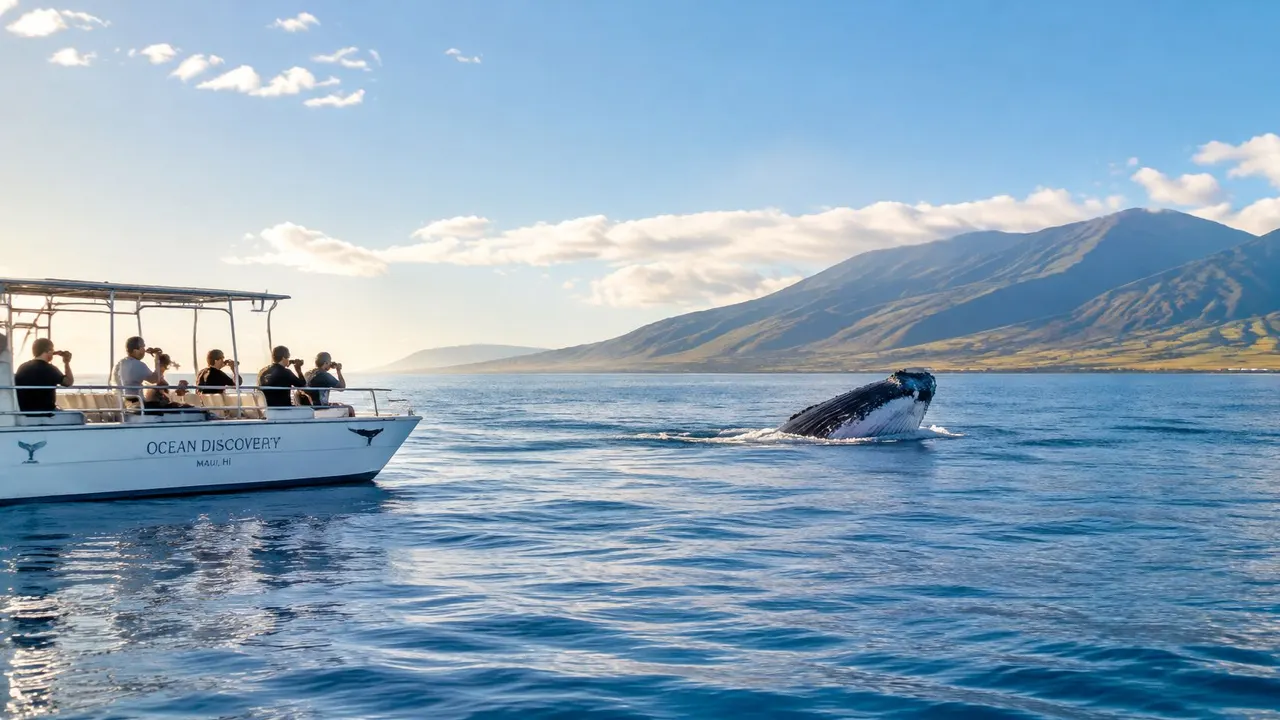
Oahu's Waikiki coastline offers regular whale sightings during the season, but wildlife doesn't follow a booking calendar. Sea conditions, the whales' movements, and how much time observers spend scanning all affect what guests see. Morning departures may suit visitors who prefer getting out on the water earlier, but don't treat a particular departure time as a promise of a sighting or a close pass.
A whale watch is wildlife observation, not a guaranteed encounter. A breach at a distance, a blow on the horizon, or the brief appearance of a fluke can all make a memorable trip. For whale watching options on Oahu, choose a trip with clear wildlife-viewing practices and prepare to watch patiently.
Comparing the Best Ways to Experience Whales
Choosing between these outings comes down to one question: do you want the whole trip built around whales, or would you rather have whales as one possibility on a wider ocean day? Every legal option keeps you on a boat or on shore, so the main difference is where you sit, how long you watch, and what else fills the day.
| Method | How Close You Get | What You Actually See | Best For |
|---|---|---|---|
| Guided boat whale watch | From a boat that maintains the required distance | Blows, dives, flukes, and possibly breaches or tail slaps | Families who want to focus on humpbacks |
| Snorkel and wildlife cruise | Snorkeling takes place separately from whale viewing | Reef and ocean wildlife, with seasonal whale viewing from the boat | Visitors who want a mixed ocean outing |
| Shoreline viewing | From land, with whales offshore | Distant blows, breaches, or surface activity when visible | Travelers who prefer a flexible, low-key option |
| Big Island scuba diving | Underwater with dive guides, but not alongside humpbacks | Scuba sites and underwater marine life; humpbacks may be observed from the surface during the season | Divers whose priority is scuba, not whale contact |
A dedicated whale watch keeps the focus on finding whales and reading their surface behavior, and the crew's time goes toward scanning the horizon rather than splitting attention between activities. On Oahu, Living Ocean Tours runs seasonal Waikiki whale watching departures from Kewalo Basin near Waikiki Beach. Visitors can review its seasonal whale-watch tour and Google Reviews as they compare options.
A snorkel cruise suits guests who want time in the water over a reef, with any whale viewing happening from the boat on the way there or back. Oahu visitors can compare the Waikiki snorkel and waterslide cruise. For travelers heading to the Big Island to scuba dive, Kona Honu Divers is a Kona-based dive operator; its diving tours are scuba experiences, not in-water humpback encounters.
For more help weighing local choices, browse this Oahu whale-watching tour comparison. Whatever you choose, the measure of a good encounter isn't how close you get. It's what you can observe without changing the whale's behavior.
Planning Tips, Itineraries and Whale Diving FAQs
A simple Waikiki winter plan can leave room for both wildlife and other ocean activities. Book a morning whale watch during the peak season if that fits your schedule, set aside a different day for snorkeling or a sunset cruise, and keep a shoreline viewpoint as a backup if the sea is rough or you'd rather stay on land. Bring binoculars, a zoom lens, reef-safe sun protection, and a light layer for the boat.
January and February are peak months, so reserve ahead if your travel dates are fixed. Keep expectations flexible: even a carefully planned trip can't control where wild whales surface.
Common questions
Can I legally swim with humpback whales in Hawaii? No. Visitors can't enter the water to approach them. Watch from a lawful distance instead.
Is whale watching suitable for toddlers and grandparents? It can be a good multigenerational outing, but choose a boat and departure that fit your group's comfort and mobility needs. Ask the operator about seating, boarding, and sea conditions before booking.
What if the boat doesn't see a whale? A sighting isn't guaranteed. You'll still be out on the water, but it's wise to choose a trip with clear policies and avoid treating a whale appearance as a promised feature.
How is this different from “dive with whales” trips elsewhere? Hawaii's rules don't allow visitors to enter the water and approach humpbacks. Here, the legal experience is boat-based observation, with the whales free to dive, surface, and move away.
Choose your winter dates, check the operator's wildlife-viewing practices, and reserve a whale watch before your preferred departure fills.
Living Ocean Tours offers seasonal Waikiki whale watching from Kewalo Basin, along with guided snorkel trips and sunset cruises. For a lawful way to watch humpbacks from the water, explore Living Ocean Tours and plan a winter outing that lets the whales set the distance.


