
Snorkeling Excursions In Oahu: Test a Waterproof Phone Case
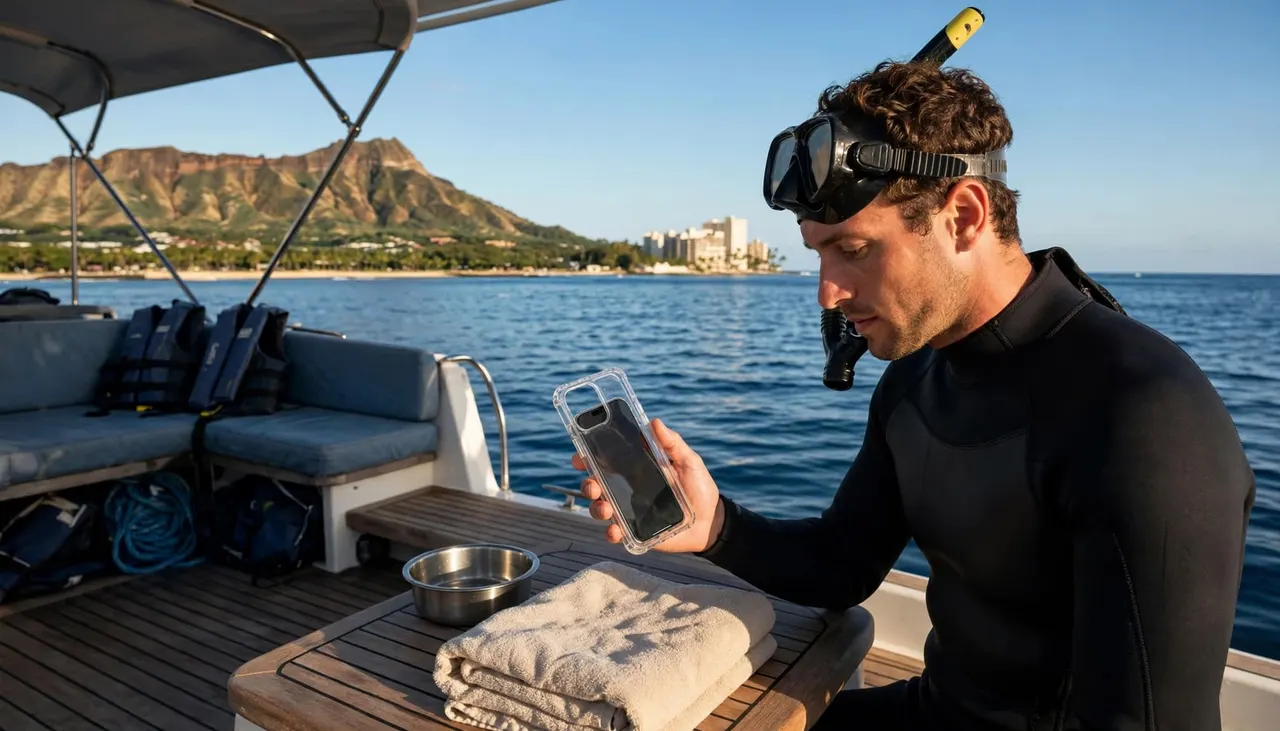
Saltwater, boat spray, and wet hands can turn one loose case seal into an expensive mistake. Before you leave the harbor, a waterproof phone case needs a real test, not a quick glance at the clasp.
Snorkeling excursions in Oahu put your phone near spray, sunscreen, sand, and changing ocean conditions. A few careful minutes on land can protect your photos and let you focus on the reef.
Key Takeaways for Phone Protection at Sea
- Test an empty case with dry tissue inside before your phone goes near water.
- Check the seal after every opening, because hair, sand, and sunscreen can break the closure.
- Treat a phone’s built-in water resistance as backup protection, not a snorkeling plan.
- Keep the phone secured with a wrist lanyard or float, then use a separate dry-storage option on the boat.
- Photograph turtles and fish from a respectful distance. Your best photo never requires touching wildlife or coral.
Why a Waterproof Phone Case Needs a Real Test
A waterproof pouch or hard-shell case only works when its seal is clean, fully closed, and rated for the activity you have planned. Ocean water adds movement and salt, which are harder on gear than a dry countertop test.
Water-resistant phones still need protection
Many modern phones can handle an accidental splash, but water resistance doesn’t mean you should take them snorkeling without a case. Apple advises against swimming or bathing with an iPhone, even on models that have water-resistance ratings. Review Apple’s water-exposure precautions before assuming your phone can handle a full ocean swim.
Saltwater can also remain in ports, buttons, and seams after the case comes off. Apple recommends waiting until a wet iPhone is fully dry before charging it, and its guidance on wet iPhones says to wait at least five hours before charging by Lightning or USB-C cable.
What IP ratings do and do not promise
An IP rating measures how an enclosure resists intrusion from solids and liquids under defined test conditions. The IEC 60529 IP-rating guidance explains the standard behind those numbers.
That rating doesn’t cover every situation you may face on an Oahu snorkeling trip. It doesn’t promise protection after a scratched lens window, a worn gasket, an improperly locked latch, or a case opened on a wet boat deck. Read the case maker’s depth and time limits, then stay well inside them.
A case that performs well in a bowl can still fail when sand or a twisted seal gets trapped in the closure.
Choose a Case That Fits Your Snorkel Plan
The right case should fit both your phone and your comfort in the water. A poorly sized pouch can press buttons, blur the camera, or make the touchscreen hard to use.
Soft pouches work for simple surface photos
A clear soft pouch is lightweight and easy to pack. Choose one with a secure closure, a clear camera area, and a lanyard rated to hold your phone’s weight. Test whether you can open the camera before departure, since face recognition and wet touchscreens can be unreliable.
Keep the pouch at the surface if that matches its stated rating. Snorkeling near the surface already gives you plenty of color, movement, and reef detail without testing a case beyond its limits.
Hard cases offer more structure
A hard-shell case can protect your phone from bumps around ladders, rails, and storage bins. Look for an intact O-ring or gasket, firm locking tabs, and a lens cover without cracks.
Before you buy, inspect the return policy and replacement seals. A case with a replaceable gasket makes more sense for frequent ocean days than one damaged by a single grain of sand.
How to Test a Waterproof Phone Case Before Departure
Do this test the day before your trip, then repeat it after the case has been opened or packed. You should never make your first seal check with your phone inside.
Start with tissue, not your phone
Place a small piece of dry tissue inside the empty case. Close it slowly and inspect every edge. On a pouch, run your fingers along the locking track. On a hard case, confirm every latch is fully engaged.
Submerge the empty case in a sink or basin of fresh water. Hold it below the surface and press lightly around the seams without forcing the closure. Turn it over, then remove it and dry the outside completely.
Open it only after the exterior is dry. If the tissue has any dampness, don’t use that case in the ocean. Clean the seal, inspect it for damage, and repeat the test.
Repeat the test after movement and reopening
A case may pass one test and fail after its lanyard twists, its latch catches on a bag, or a small amount of sunscreen lands on the gasket. Close the empty case again, shake it gently, and repeat the water test.
Once it passes, insert your phone with dry hands in a dry area. Avoid stuffing cards, keys, or a portable battery inside the same case. Extra items can press against the seal and create a leak path.
Pack Your Phone for a Waikiki Boat Day
Your phone case is only one part of your plan. A small dry pouch for your room key, medication, portable battery, and cash keeps essentials together if conditions change or you need to leave the shoreline quickly.
Keep a dry backup on board
Use your tested case for the water, then place it in dry storage when you are not taking photos. Don’t leave it loose on a towel or bench where it can slide, get stepped on, or collect sand.
A charged phone and portable battery are helpful, but keep both dry. Bring footwear with grip for boarding because wet decks and harbor walkways can be slippery.
Open the case only when conditions allow
Wait until you are seated in a dry, stable spot before opening the case. Wind-driven spray can reach farther than you expect, especially near a swim step or open rail.
After snorkeling, rinse the outside of the sealed case with fresh water if the crew provides it. Then dry it before opening. Never charge a phone that feels damp or has moisture near the port. Liquid damage isn’t covered by Apple’s One-Year Limited Warranty.
Take Better Photos Without Distracting From Safety
Your first job in the water is to stay calm, comfortable, and aware of your surroundings. Take a few photos, then put the phone down and enjoy the view with your own eyes.
Stay near the surface and watch your position
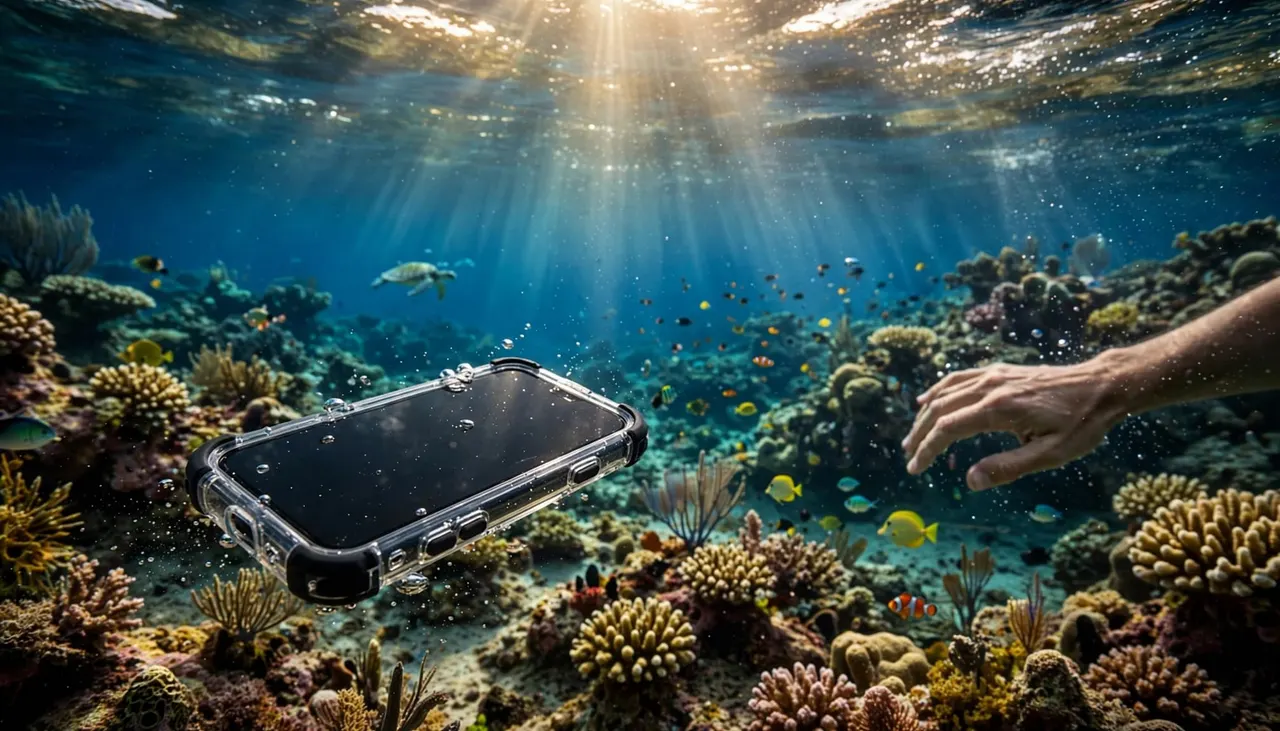
Hold your phone with a wrist lanyard, but don’t rely on a lanyard alone. Keep a relaxed grip and stay aware of the boat, other swimmers, and the reef below.
If you need to adjust your mask, clear water from your snorkel, or rest, secure the phone first. A good photo isn’t worth drifting away from your buddy or the group’s route.
Give turtles and coral plenty of room
Hawaiian green sea turtles can appear calm while resting or feeding, but they need clear space to move. Stay at least 10 feet away, and never touch, feed, chase, block, or surround one for a photo.
Keep your body horizontal, use slow fin kicks, and never stand on coral or marine growth. A professional guide can help you find a viewing position that protects the reef and gives you a better angle.
Snorkel With Living Ocean Tours Near Waikiki
Living Ocean Tours departs from Kewalo Basin Boat Harbor, minutes from Waikiki. Its Coast Guard-inspected double-decker boats offer shaded seating, onboard restrooms, dry storage, and sturdy ladders that make water entry easier.
You also get the only tour company with professional snorkel guides. That in-water support helps first-time snorkelers settle their gear, stay aware of conditions, and enjoy wildlife without turning the experience into a photo chase. Explore the available Oahu ocean tours from Honolulu before choosing your day on the water.
Choose Turtle Canyons for guided reef time
The Turtle Canyons Snorkel Excursion brings you to Waikiki’s natural turtle cleaning station. Living Ocean Tours reports a 95% turtle-sighting rate, although every wildlife encounter depends on conditions and the animals’ behavior.
Your guides provide instruction and gear support, so you can spend less time fussing with a leaking mask or phone case. When your waterproof phone case has passed its test, you can carry it confidently while keeping your hands and fins clear of wildlife.
Book the turtle-focused outing when you want a morning built around reef life and guided support: CHECK AVAILABILITY.
Pick the deluxe cruise for extra family time
The Deluxe Waikiki Snorkeling and Wildlife Cruise visits a less-crowded reef and adds a boat-mounted water slide, water trampoline, and floating lily pad. The Lokahi has a SeaKeeper stabilization system that reduces boat roll, which can make the ride more comfortable if you are prone to seasickness.
Keep your phone secured during the onboard activities, then use dry storage before climbing a ladder or joining the slide. For a longer family outing with snorkeling and time to play, CHECK AVAILABILITY.
Frequently Asked Questions
Can you test a phone case in saltwater?
Start with fresh water, because it lets you spot a leak without leaving salt residue on the case. Once the empty case passes, follow the manufacturer’s instructions for use in saltwater and rinse the closed exterior with fresh water after snorkeling.
Should you bring your phone snorkeling?
Bring it if you have tested the case, secured it with a lanyard or float, and can carry it without losing awareness of your surroundings. Leave it in dry storage if you are nervous, tired, or need both hands for your mask, snorkel, or flotation device.
Protect Your Phone, Then Enjoy the Reef
A tested waterproof phone case gives you a better chance of bringing home clear ocean photos, but no case makes saltwater risk disappear. Check the seal, protect the phone on deck, and dry it fully before charging.
The best Oahu snorkeling memories come from relaxed time in the water, respectful wildlife viewing, and a crew that helps you feel comfortable from the first mask check to the final ladder climb.


