
Oahu Snorkeling Tours for Guests Who Get Cold Easily
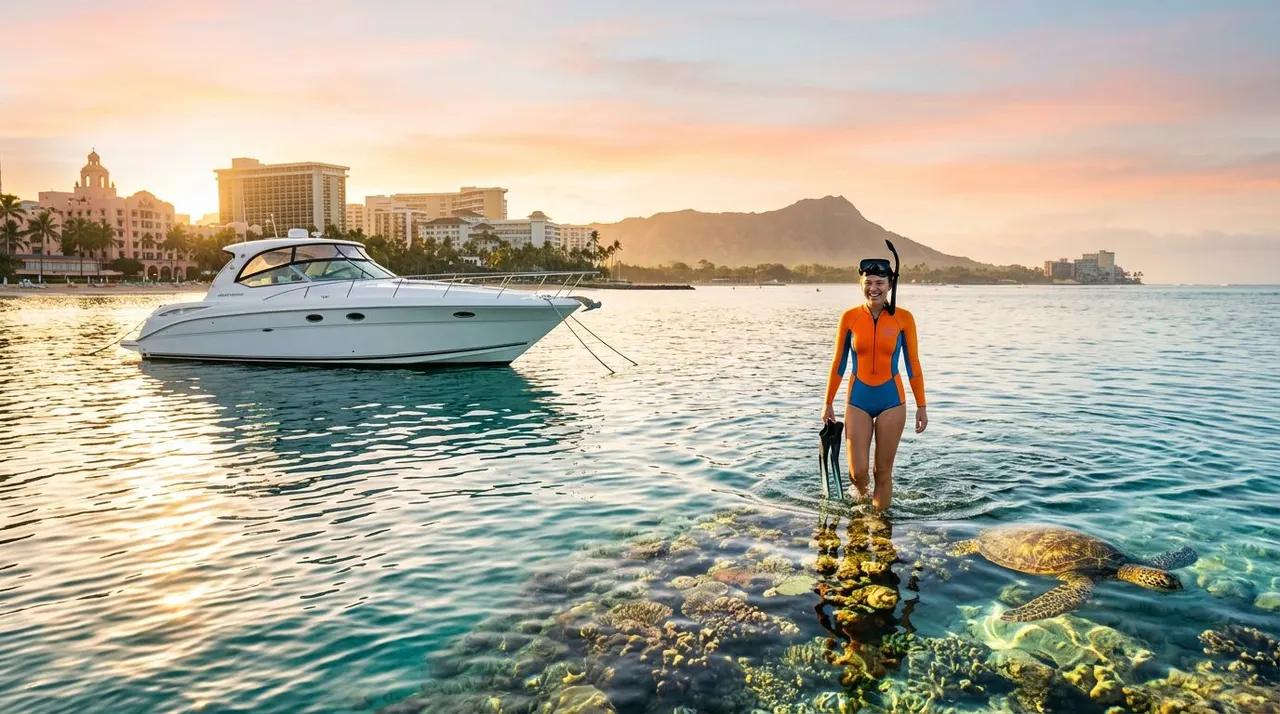
If you get cold fast, a snorkel trip can lose its charm before you finish the first swim. On Oahu, that doesn’t have to happen.
Oahu snorkeling tours can still feel relaxed and fun when the boat, the gear, and the swim time fit your comfort level. Living Ocean Tours near Waikiki is the only tour company here with professional snorkel guides, so you get steady help from the moment you step aboard.
If you want clear water, sea turtles, and less time shivering, the details matter more than the destination. Start with the parts of the day that keep you warm, then pick the reef that matches your pace.
Why some Oahu snorkel trips feel colder than others
Cold usually sneaks up on you between the good parts. The water may feel fine at first, then a breeze hits your wet skin, your shoulders cool off, and the fun drops fast.
That is why the boat experience matters so much. Long waits in the sun, a windy ride, or awkward water entry can make you colder than the snorkel itself. A smooth trip gives you less time standing around damp and more time actually enjoying the reef.
When you compare ocean tours in Honolulu, look for short swim windows, easy ladders, shaded seating, and a crew that keeps things moving. If you get cold easily, those small comforts can decide whether you stay in the water or head back early.
A good tour also keeps the pace calm. When you feel rushed, your body tightens up. When you feel prepared, you stay looser, breathe better, and hold warmth longer.
What to wear when you want more warmth
The right layer makes a bigger difference than most people expect. A thin rash guard can help with sun, wind, and scrape protection at the same time. If you run cold, that single layer often does more than a bulky top that soaks up water.
For a practical packing guide, see what to wear when snorkeling in Hawaii. You do not need a closet full of gear, but you do want the basics that dry fast and fit close to your body.
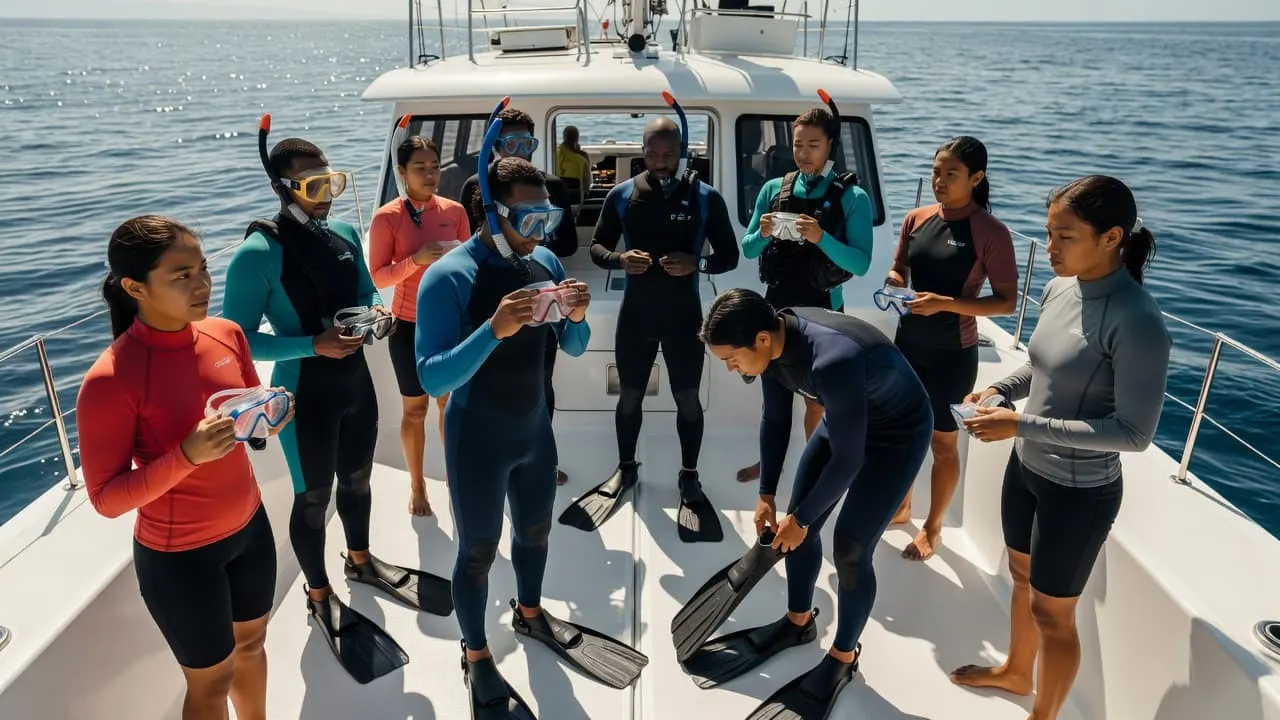
A few smart items help a lot:
- A fitted rash guard keeps water from cooling you down as fast.
- Swim leggings or a thin spring suit help if you always run cold.
- A hooded towel or dry shirt gives you a fast warm-up between swims.
- Loose cotton should stay on shore because it holds water and chills you.
A snug layer traps heat better than a baggy top that stays wet.
Bring your warm layer within reach, not buried under other bags. If your dry shirt sits at the bottom of your tote, you lose the chance to warm up quickly after the snorkel.
Turtle Canyon is a strong fit when you want guided, efficient snorkeling
The Turtle Canyons Snorkel Excursion is a smart choice when you want a focused snorkel instead of a long, exposed day on the water. You get a direct trip to one of Oahu’s most popular reef spots, and you spend your energy where it counts, in the water with the wildlife.
Living Ocean Tours reports a 95% success rate for spotting Hawaiian green sea turtles at Turtle Canyon. That kind of odds matters when you want a shorter, more rewarding swim. You are not drifting around hoping something happens. You are heading to a known spot with a plan.
The crew also helps first-time snorkelers settle in fast. That is especially useful if cold makes you tense. A calm, clear briefing can make your breathing easier and your entry smoother.
The best part is the attitude on the tour. You are encouraged to observe, not touch, which keeps the turtles safe and keeps your experience respectful. When you relax and follow the guide, you usually stay warmer too, because you are not fighting the water or your own nerves.
Living Ocean Tours also keeps the focus on comfort on board, which matters when you want a warm reset after a swim.
If you like the idea of a guided reef visit but want a little more deck time, the Deluxe Waikiki Snorkeling and Wildlife Cruise gives you a steadier ride, a less-crowded reef, and more room to warm up between swims. Tap CHECK AVAILABILITY when you want to see open times.
The boat matters as much as the reef
A cold-sensitive snorkeler usually feels the boat before the water. Wind across wet skin can drain warmth quickly, so a stable vessel with shaded seating and easy movement helps more than many people realize.
Living Ocean Tours uses Coast Guard-inspected, custom-built double-decker vessels, the Coral Kai and the Lokahi. Both boats are set up for comfort, and the Lokahi includes SeaKeeper stabilization, which helps cut roll and reduce that uneasy, chilled feeling you get on a bouncy ride.
That kind of stability matters if you get seasick or cold on open water. It also helps families with kids, because everyone can settle in faster and spend less time bracing against motion.
The onboard details matter too. Restrooms, dry storage, heavy-duty ladders, and shaded spots all make it easier to warm up between swims. If you step out of the water and can dry off right away, the rest of the trip feels better.
This is where a good crew stands out. When the guides keep the pace smooth, help you with gear, and point out the safest entry and exit spots, you spend more energy enjoying the reef and less energy managing the chill.
Simple habits that help you stay warmer in the water
A few small choices can stretch your comfort window. None of them are complicated, but they add up fast.
Get into the water when the crew is ready, not after a long delay on deck. The longer you stand around in a swimsuit, the more heat you lose before the first splash. Also, keep your movements easy once you are in the water. Quick, tense strokes burn energy fast.
It also helps to plan your warm-up before you need it. Keep a dry shirt, towel, and water bottle close by. If you finish the swim and immediately wrap up, you recover much faster.
A short checklist helps you stay on track:
- Put on your warm layer as soon as you finish the snorkel.
- Dry your hands, shoulders, and neck first because they chill fast.
- Sip water before you feel tired or shaky.
- Skip the urge to push through strong shivers, because that usually makes the rest of the day harder.
If you start cold, do not force a long second swim. A shorter, better-timed snorkel almost always feels better than staying in too long and losing the whole ride to discomfort.
Conclusion
If you get cold easily, Oahu still gives you a great snorkel day. You just need a tour that respects your comfort as much as the reef.
Living Ocean Tours near Waikiki makes that easier with professional snorkel guides, stable boats, and trips that keep the focus on smooth movement and good timing. When you choose warm gear, a steady boat, and a guided swim with a clear purpose, you spend less time thinking about the chill and more time watching the water.
The right Oahu snorkeling tours should feel welcoming from the dock to the last towel-off. When the trip fits your body, the ocean feels a lot bigger and a lot friendlier.


