
Waimea Bay snorkeling: Your Summer Oahu Guide
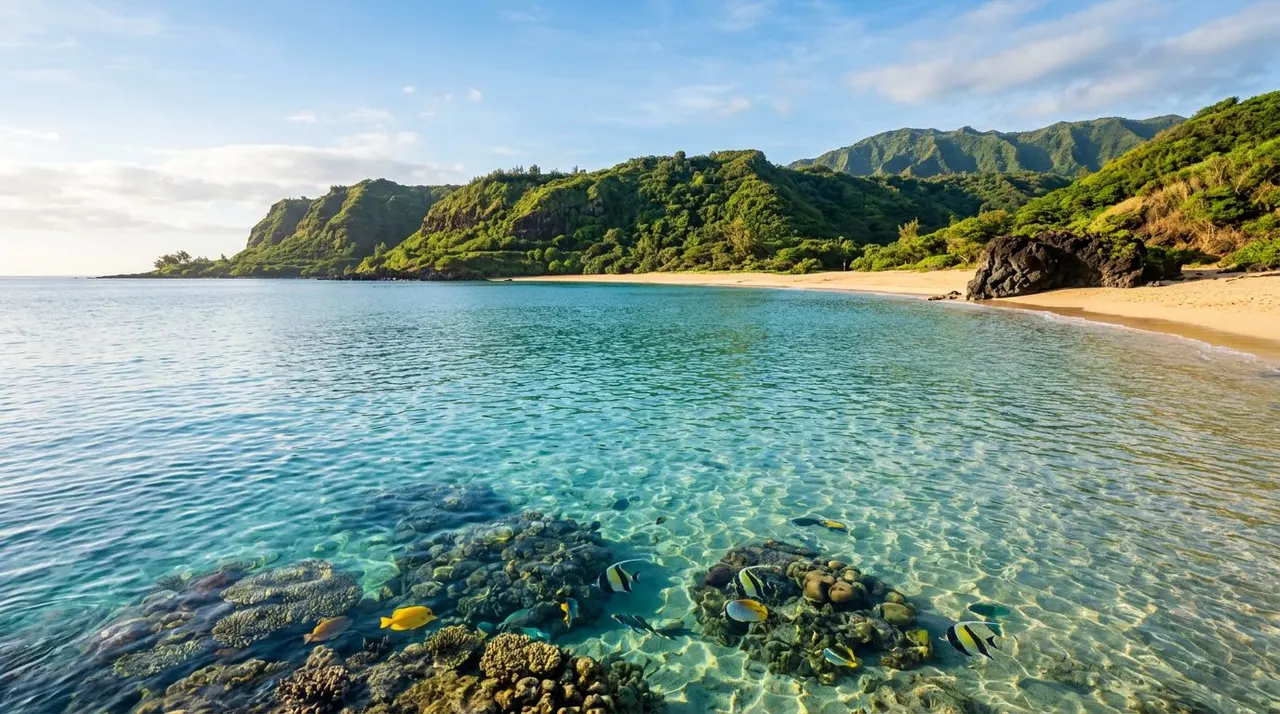
When the North Shore settles into its calm summer pattern, Waimea Bay snorkeling gives you clear water, colorful fish, and a memorable beach setting. The experience depends on timing, though. Even in summer, you should enter only when the bay is calm and lifeguards approve conditions.
If you prefer professional guidance near Waikiki, Living Ocean Tours offers a convenient alternative with trained crew, comfortable boats, and beginner-friendly snorkeling. First, learn what makes Waimea Bay special and how to plan your visit safely.
Why Waimea Bay snorkeling is best in summer
Waimea Bay changes with the seasons. During winter, powerful surf can make the beach hazardous. In summer, the North Shore usually enjoys calmer water, lighter shorebreak, and better visibility for swimming and snorkeling.
The most reliable season runs from May through September, with June through August often offering the clearest conditions. Water temperatures can reach about 79 to 80 degrees Fahrenheit in July, so you can spend more time in the water without feeling chilled.
Morning is usually your best window. Trade winds and beach crowds often build later in the day, while early water can stay smoother and clearer. On a calm morning, visibility may reach 40 to 60 feet, although conditions can change quickly.
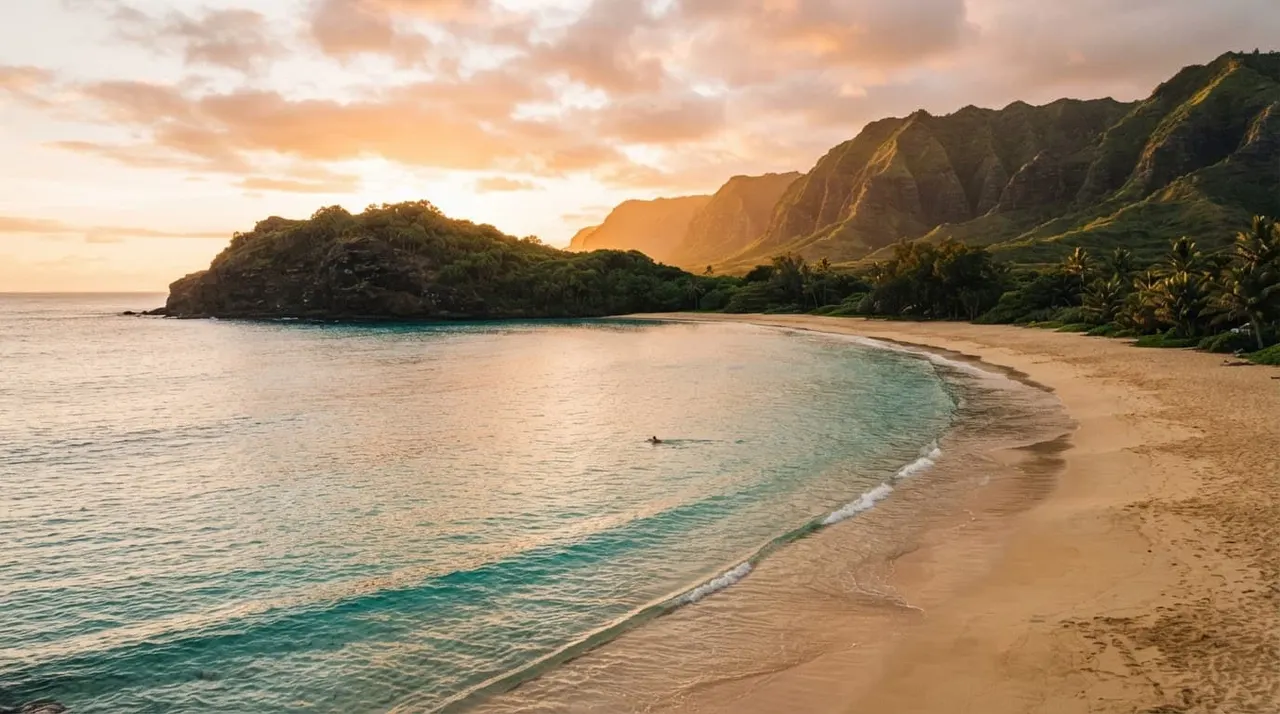
Waimea Bay is broad and sandy, but the best snorkeling usually sits near the rocky sides rather than in the middle. The center has a sandy bottom that reaches about 30 feet, with fewer reef features to attract fish.
Before you go, check the surf forecast and lifeguard warnings. A summer Waimea Bay snorkeling guide also warns that surge and currents can strengthen around the outer rocks.
Where to enter and what you can see
For the best chance of finding marine life, look toward the rocky edges of the bay. The south side, including the southwest corner, is often recommended because submerged rocks create places for fish to feed and shelter.
The north side can also offer rewarding views when the water is calm. Stay close to the shoreline at first, then move only as far as your comfort and the conditions allow. You don’t need to swim far offshore to see plenty of activity.
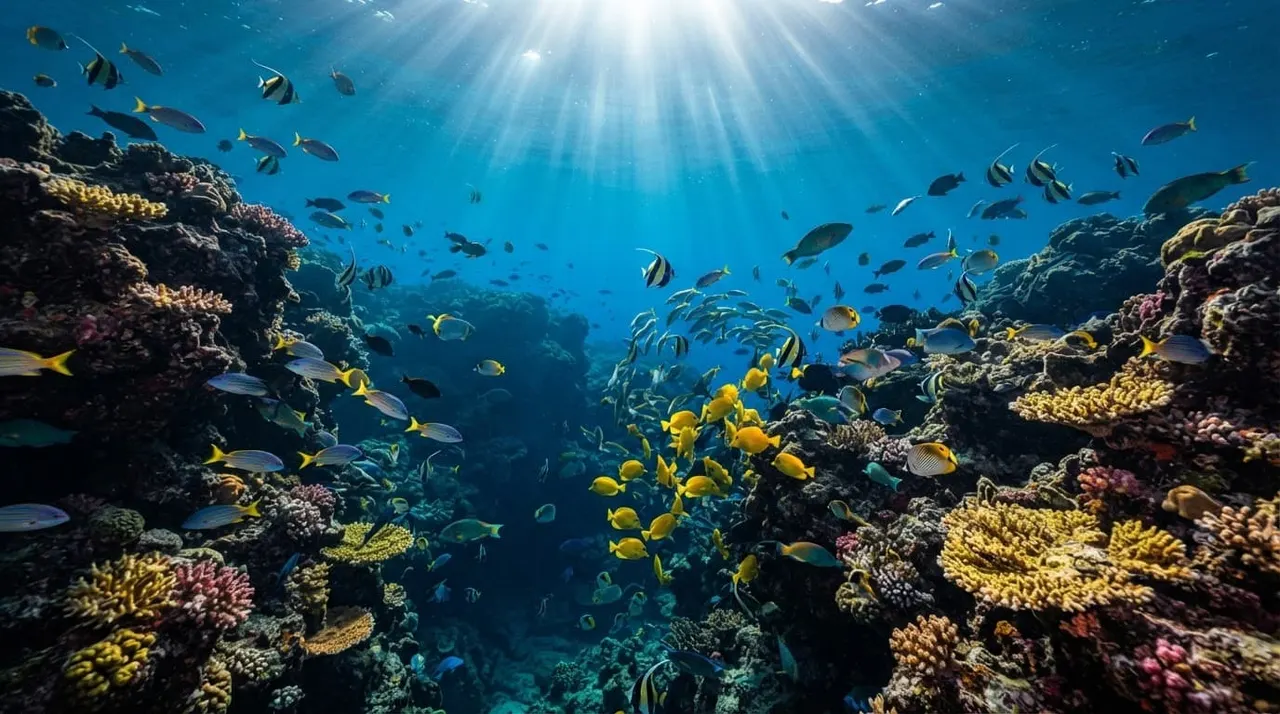
Tropical reef fish are the most common sight. You may see butterflyfish, sergeant fish, trunkfish, hawkfish, and schools of smaller silver fish moving above the rocks. Look slowly rather than swimming quickly across the reef. Fish often appear when you pause and let your eyes adjust.
Hawaiian green sea turtles are possible around the rocky areas. If one appears, give it plenty of space and allow it to swim freely. You should never touch, chase, feed, or block a turtle’s path to the surface.
Spinner dolphins are occasionally reported in or near the bay, especially during morning hours. They are wild animals, so watch from a distance and never swim toward them.
How to plan a smooth Waimea Bay snorkeling morning
Arrive early if you want easier parking and a quieter stretch of sand. Waimea Bay Beach Park has restrooms, picnic areas, and lifeguards, but popular summer mornings can fill quickly.
Plan to bring your own mask, snorkel, and fins, or arrange your equipment before reaching the North Shore. There isn’t a dependable snorkel rental shop directly on the beach, so arriving without gear can limit your options.
Pack for a full beach morning, even if you plan to snorkel for only an hour. You should bring:
- A well-fitting mask that seals around your eyes without pinching.
- Fins that stay secure without rubbing your heels.
- A rash guard, towel, drinking water, and a dry change of clothes.
- Reef-safe sunscreen for areas away from the eyes and mouth.
Use a waterproof phone pouch or leave valuables locked safely in your vehicle. Never leave wallets, cameras, or car keys exposed on the sand.
Check the water again when you arrive. A forecast from the night before cannot tell you everything about the current shorebreak. The Waimea Bay entry advice recommends avoiding the water when waves break heavily, sets rise above waist height, or lifeguards post red flags and warnings.
Read the water before you swim
Waimea Bay snorkeling is appropriate only when the water looks calm enough for your ability. Clear water doesn’t always mean safe water. Currents can move around rocky points, and a gentle-looking surface can hide surge near the reef.
Watch the waves for several minutes before entering. If the shorebreak repeatedly knocks swimmers off balance, wait or choose another activity. Ask the lifeguard about current conditions, entry points, and areas to avoid.
Enter through the sandy section and keep your fins on until you reach water deep enough to kick safely. Avoid standing on submerged rocks or coral. They can injure your feet, and contact damages living marine habitat.
Stay with your group and keep a comfortable distance from the shoreline. If you feel tired, cold, dizzy, or pulled by current, return to shore immediately. Strong swimmers should use the same caution because ocean conditions can change within minutes.
The safest summer visit is the one where you let the water decide. Calm flags and clear visibility matter more than a fixed itinerary.
Respecting wildlife is part of responsible snorkeling in Hawaii. Observe animals without touching them, keep your hands off coral, and take every item you bring back to shore.
A guided Waikiki alternative with Living Ocean Tours
Waimea Bay is a self-guided beach experience on Oahu’s North Shore. If you’re staying in Waikiki or traveling with young children, a guided boat tour can make snorkeling easier to organize.
Living Ocean Tours departs from Kewalo Basin Boat Harbor, only minutes from Waikiki Beach. The company is the only tour company with professional snorkel guides, giving first-time snorkelers and families direct support in the water.
The Turtle Canyons Snorkel Excursion focuses on a natural underwater cleaning station where Hawaiian green sea turtles are frequently seen. Living Ocean Tours reports a 95% turtle-spotting success rate for this excursion. Guides explain how to enter the water, use your equipment, and observe turtles without disturbing them.
For families who want more activity, the Deluxe Waikiki Snorkeling and Wildlife Cruise visits a less-crowded reef and includes a boat-mounted waterslide, water trampoline, and floating lily pad. The Coast Guard-inspected Coral Kai and Lokahi provide shaded seating, restrooms, dry storage, and sturdy ladders for water entry. Lokahi also has a SeaKeeper stabilization system that helps reduce rolling and seasickness.
You can browse Oahu marine adventures to compare the available options. Beginners receive guidance, while experienced swimmers still have time to enjoy the reef at their own pace.
When you want a turtle-focused outing, you can CHECK AVAILABILITY for the Turtle Canyons experience.
The Deluxe Waikiki Snorkeling and Wildlife Cruise is another option when you want reef time, boat comfort, and activities for different ages. You can CHECK AVAILABILITY before your preferred date fills.
Choose the right Oahu snorkeling experience
Choose Waimea Bay when you want a scenic North Shore beach day and you’re comfortable checking conditions before entering the ocean. Summer mornings can provide excellent visibility, colorful reef fish, and the chance to see turtles near the rocks.
A guided Waikiki tour is a better fit when you don’t want to carry gear, drive to the North Shore, or make your own decisions about reef entry. It also helps when your group includes beginners, children, or guests who want a crew nearby.
Either way, keep your expectations tied to the ocean. No responsible operator or beach guide can promise wildlife on a schedule. The best encounters happen when you give animals room and let the water stay in charge.
Make your summer snorkel day count
Waimea Bay snorkeling can be one of Oahu’s most rewarding summer water activities when you choose a calm morning and stay near the rocky edges. Check the flags, watch the shorebreak, bring your equipment, and enter only when the conditions match your ability.
If you want professional guidance and easy access from Waikiki, Living Ocean Tours gives you a comfortable alternative at Turtle Canyons and nearby reefs. Whether you swim from the sand or join a boat, respectful observation will help keep Hawaii’s ocean healthy for your next visit.


