

The usual moment goes like this. You’re standing in Waikiki, looking at that stretch of blue water, wondering whether swimming with a Hawaiian green sea turtle is realistic or just one of those vacation ideas that sounds better on Instagram than in real life.
It’s realistic. The trick is doing it the right way.
A good waikiki turtle snorkel isn’t about randomly swimming off a crowded beach and hoping a turtle appears. It’s about choosing the right boat, the right crew, the right time of day, and showing up prepared enough that you can relax once you hit the water. That’s what turns the outing from stressful to memorable.
Your Dream of Swimming with Turtles in Waikiki
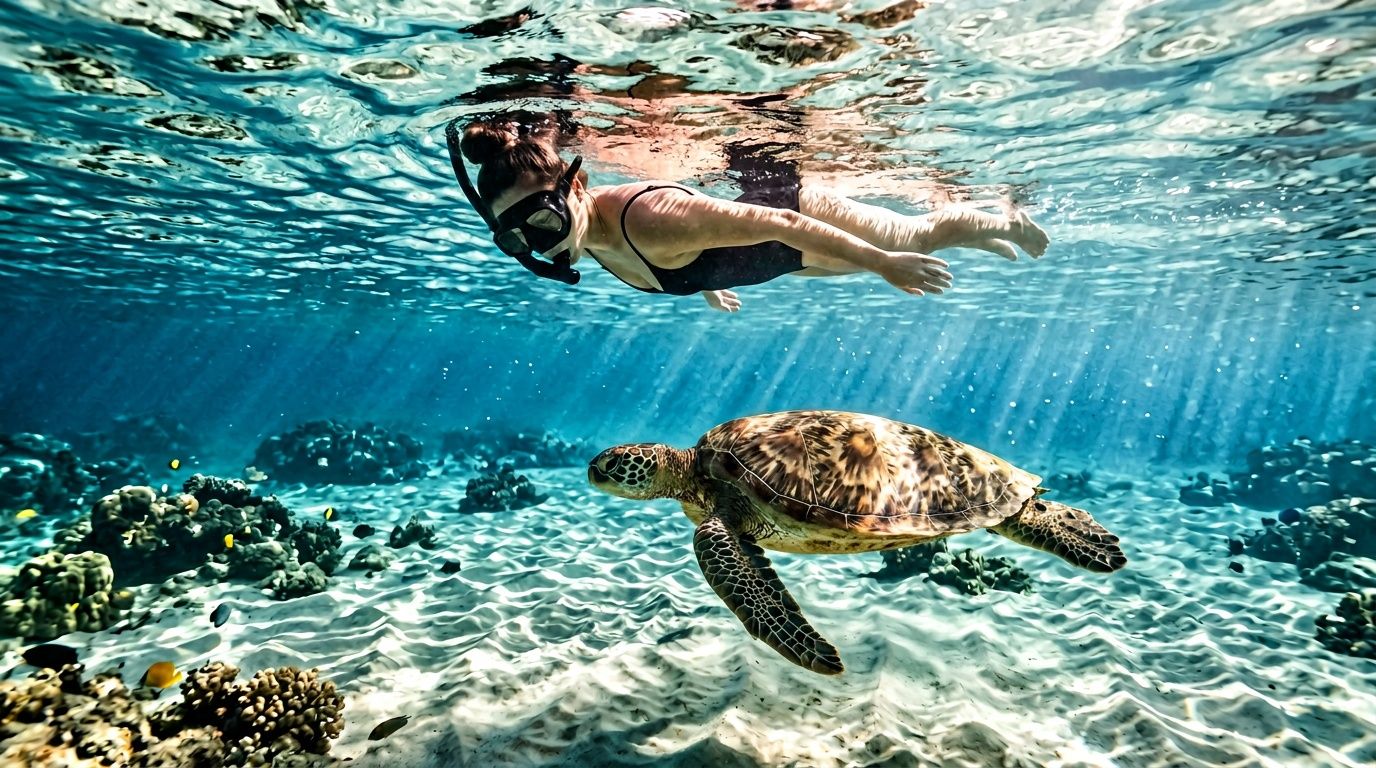
There’s a reason people fixate on this experience. You slip into warm water, put your face in, and the noise from shore disappears. A few kicks later, you’re floating over reef, watching reef fish flicker below, and then a honu glides into view with that calm, unhurried motion turtles have.
That moment lands differently in Hawaii.
The honu carries cultural meaning here, and most visitors feel it right away even if they can’t quite explain it. Seeing one in the wild doesn’t feel like checking off an activity. It feels like being allowed into a place that was already alive and working long before you arrived.
What the good version looks like
The best trips are quiet and simple from the guest side.
You get a clear briefing. Your mask fits. The boat ride is short enough that you don’t waste half the outing in transit. Once you’re in the water, a guide helps you settle in instead of letting you flail around burning energy in the first five minutes.
Then the turtles show up doing exactly what turtles do. Feeding, cruising, or hanging around the cleaning station while reef fish work over their shells.
A strong turtle snorkel feels easy to the guest because the crew handled the hard parts before you ever got in.
What first-timers usually get wrong
Most anxiety comes from imagining the wrong version of snorkeling.
People think they’ll have to dive deep, swim fast, or chase wildlife. You won’t. On a well-run guided outing, the whole point is to float, breathe slowly, and observe. You’re not there to hunt for a turtle. You’re there to position yourself properly so nature can unfold in front of you.
That’s why Waikiki works so well for families, casual swimmers, and people trying snorkeling for the first time. The dream version is attainable. You just need a practical plan.
Finding Your Perfect Waikiki Turtle Snorkel Tour
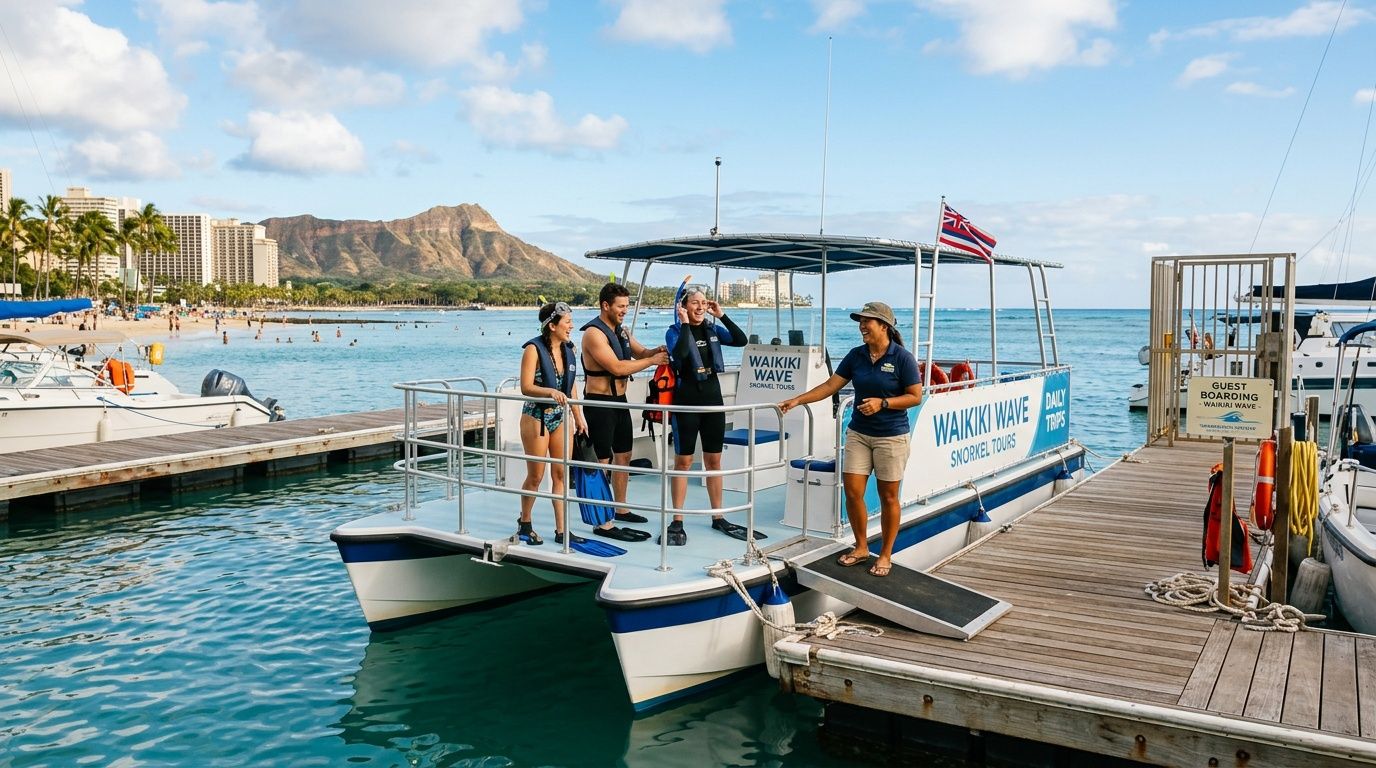
If you want the straight captain’s answer, take a guided boat tour.
Shore snorkeling from Waikiki sounds convenient, but it often gives beginners the worst mix of problems. More people, more guesswork, more time spent figuring out where to go, and less support if your mask leaks or you get nervous in open water.
Boat tours solve the biggest issues before they become your issues.
Why the boat option usually wins
Turtle Canyon has become the main target for guided outings because nearly every visitor on guided tours sees honu there, with reports describing almost 100% observation rates on guided trips and a 95% sighting success rate from operators departing daily from Kewalo Basin (hawaiioceancharters.com on Waikiki snorkeling turtles).
That matters for one simple reason. Reliability changes behavior.
When guests know turtles commonly appear at the site, they don’t need to chase, dive on, or crowd animals. They can float, listen to the guide, and let the encounter happen naturally.
What to compare before you book
Not all turtle tours are built the same. Check the basics first.
- Departure point: Kewalo Basin is convenient for many Waikiki visitors and cuts down on wasted vacation time.
- Crew support: Beginners do better when the crew helps with mask fitting, entry, and in-water spotting.
- Included gear: A proper tour should include what you need so you’re not scrambling for rentals.
- Trip style: Some outings focus tightly on turtles. Others are broader family snorkel cruises with extra water activities.
A dedicated turtle-focused option is the Turtle Canyons snorkel excursion. If your group wants a broader day on the water, the Waikiki snorkel waterslide tour is a different fit.
For a closer look at one operator format, this guide to the best Turtle Canyon snorkel tour lays out what that experience includes.
One operator many travelers consider
Living Ocean Tours is often mentioned by visitors looking for a heavily reviewed Waikiki snorkel company on Oahu. For travelers who want social proof before booking, seeing current guest feedback can help.
Practical rule: Don’t book based on boat photos alone. Book based on how the crew runs the water time.
What to Pack for Your Day on the Water
Many visitors overpack for a waikiki turtle snorkel.
You’re not moving onto the boat for the week. You need a small, sensible kit that keeps you comfortable before and after the snorkel without turning your bag into a junk drawer.
Bring the items that change comfort
Start with what you’ll use.
- Swimwear you can move in: Wear it to the harbor if you can. That makes the check-in smoother.
- Towel and dry clothes: You’ll appreciate both on the ride back.
- Sun protection: Reef-safe sunscreen makes sense here because what you wear in the water affects the same marine environment you came to enjoy.
- Hat and sunglasses for the boat: Deck glare gets people fast.
- Waterproof phone pouch if you already trust yours: If you don’t trust it on land, don’t trust it at sea.
Most reputable tours provide the snorkel gear, which is exactly what you want. Rental scavenger hunts on vacation are rarely worth it. If you want a fuller pre-trip checklist, this Waikiki snorkeling packing list covers the basics well.
Leave these behind
A few things cause more trouble than they solve.
- Bulky valuables: Watches, jewelry, and anything that’ll ruin your mood if it goes missing.
- Single-use clutter: Extra packaging and disposable items turn into deck mess quickly.
- Too many snacks: Bring what you need for your group, but don’t assume more is better on a moving boat.
If anyone in your group is nervous or needs extra support
This matters more than people think.
For guests with mobility limitations, pregnancy-related concerns, or marine anxiety, ask direct questions before booking. A useful benchmark is whether the operator discusses life vests, pre-tour health screening, adaptive equipment, and individualized guidance for anxious swimmers, which has been identified as an important need for vulnerable populations (hawaiioceancharters.com snorkeling guidance).
Ask the awkward question before the trip, not on the swim step. Good crews would rather answer it early.
A little planning makes the whole morning easier.
Snorkeling 101 A Beginners Guide
Beginners don’t need hype. They need a simple method.
The big secret is that snorkeling goes well when you slow everything down. Fast kicks, rushed breathing, and fidgeting with gear create most first-timer problems.
Get the mask right first
If the mask doesn’t fit, nothing else feels good.
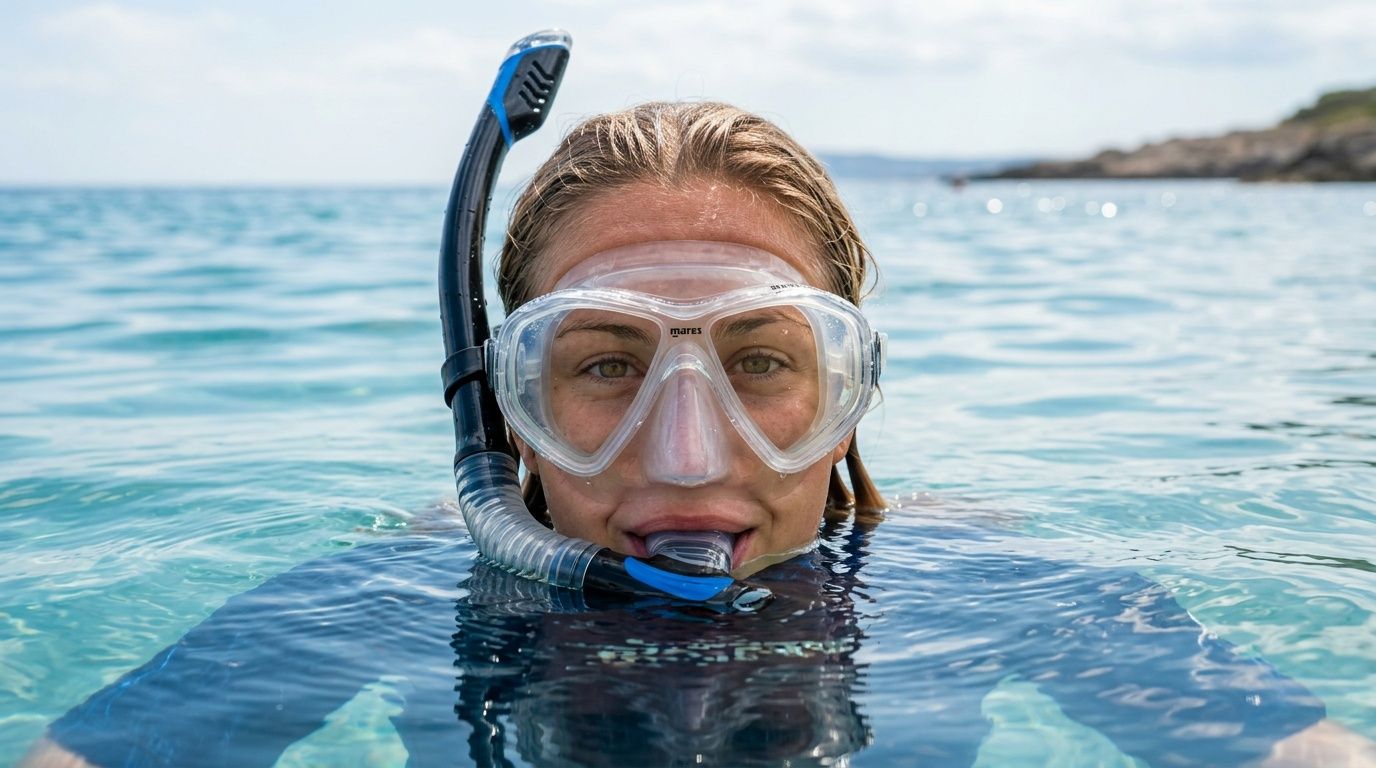
Set the mask on your face without the strap first. Inhale gently through your nose. If it seals briefly without effort, you’re in good shape. Once the strap goes on, keep it snug, not cranked down.
Fogging annoys beginners more than almost anything else. Use the anti-fog method the crew recommends and rinse only as instructed. Then avoid touching the inside of the lens.
Breathe like you’re floating, not racing
The snorkel itself is usually easier than people expect.
Take a few slow breaths while holding the rail or floating device if one is available. Keep your face down and let the breathing settle into a rhythm. If water gets into the snorkel, don’t panic. Lift your head, clear it, and reset.
Your first five calm breaths matter more than your next fifty.
Use fins gently
Most tired beginners aren’t out of shape. They’re overkicking.
Use small, relaxed kicks from the hips. Big bicycle motions waste energy and stir up the water. The less commotion you make, the easier it is to spot turtles and reef life.
Professional tours use a structured approach for this part of the day. That includes a pre-departure briefing, a 20 to 30 minute transit, and a 45 to 60 minute in-water phase, with guides working at a 1:6 ratio to help guests avoid common mistakes like over-exertion and splashy entries that can scare wildlife (Living Ocean Tours on turtle snorkeling in Waikiki).
Let the guides do their job
A beginner’s best move is to accept help early.
Good guides can usually tell within a minute whether your mask needs adjustment, whether you need flotation, or whether you’d do better easing in more slowly. That’s normal. It’s not a personal failure. It’s just part of getting comfortable in the ocean.
If you want a more detailed walkthrough before the trip, this guide to beginner snorkeling in Oahu is useful.
How to Be a Responsible Turtle Viewer
The best turtle encounter is the one where the turtle never has to change its behavior because you showed up.
That’s the standard. Not getting close. Not getting a dramatic video. Not being the first swimmer over a turtle’s head.
The rules that matter most
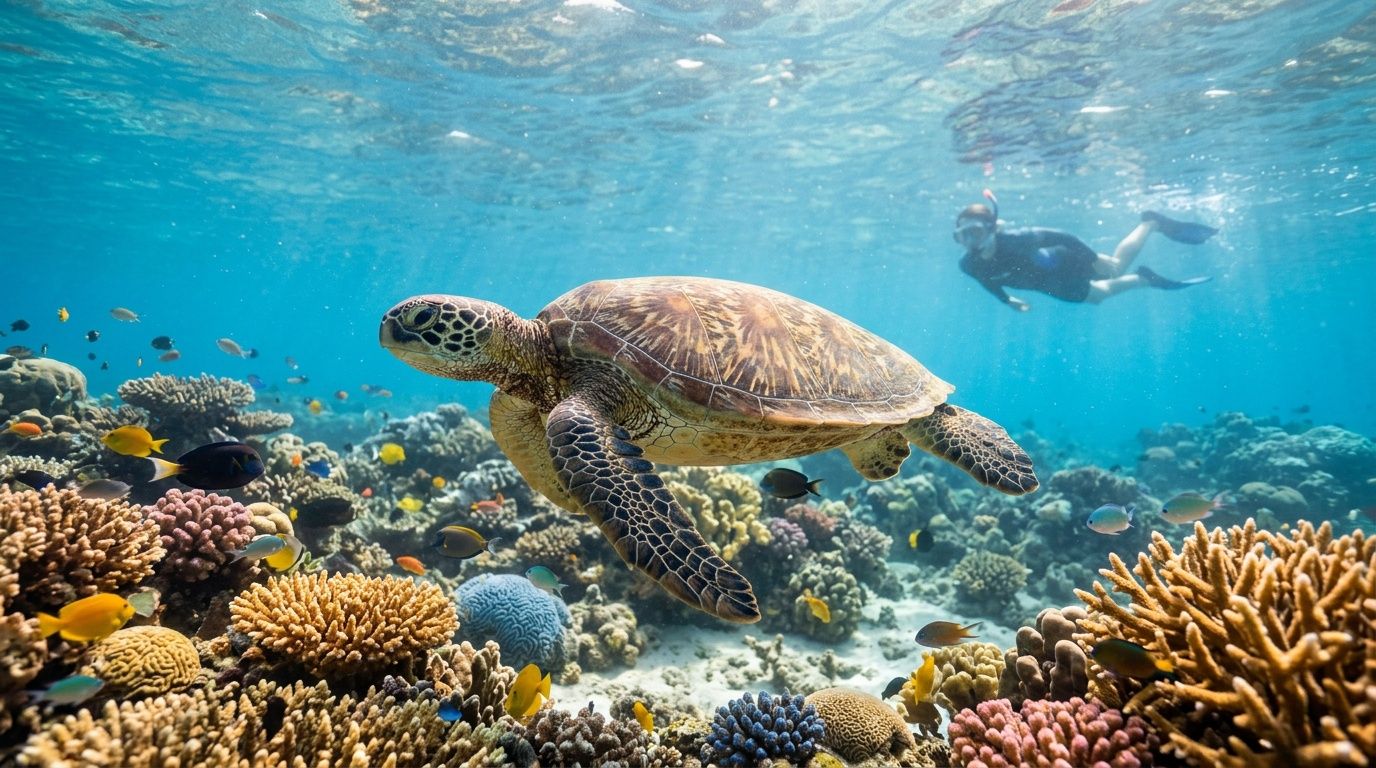
At Turtle Canyon, the setup helps. It’s a natural feeding and cleaning station where turtles gather year-round, and guided tours report a 95% turtle sighting rate, which makes it easier to observe turtles naturally without pursuing them (Living Ocean Tours on Turtle Canyon Oahu).
That reliability should make you calmer, not bolder.
- Keep your distance: The guidance used on professional tours is a 10-foot minimum distance.
- Never touch: Not the shell, not a fin, not even if the turtle swims near you.
- Don’t swim overhead: Turtles need clear access to the surface to breathe.
- Don’t chase for a better angle: If you have to pursue it, you’re doing it wrong.
What respectful snorkeling looks like in the water
The cleanest approach is passive.
Float. Watch. Let the current and your guide’s positioning do the work. If a turtle changes direction, let it. If it descends, stay high and wide. If it surfaces, don’t cut across its path.
Good wildlife viewing feels almost boring in your body and amazing in your eyes.
That’s kuleana in practice. You’re a guest in the turtle’s habitat.
For a clear rundown of visitor expectations, review these Turtle Canyon snorkeling rules.
More Ways to Enjoy the Waikiki Coastline
Not every group wants the exact same day on the water.
Some families need a trip where the snorkeling is only part of the fun. Some couples want an evening sail with skyline views and none of the gear. That’s where it helps to compare experiences instead of forcing one outing to do every job.
Which trip fits your group
| Experience | Best fit | What stands out |
|---|---|---|
| Deluxe Waikiki Snorkel & Wildlife Cruise | Families, mixed-age groups, guests who want more than snorkeling | Waterslide and added play value on the water |
| Turtle-focused snorkel trip | Travelers mainly interested in honu and reef viewing | Shorter, more focused marine-life experience |
| Sunset cruise | Couples, friend groups, celebration nights | Relaxed evening atmosphere and Waikiki views |
If your crew includes kids or people who want extra activity after the snorkel, the Deluxe trip often makes more sense than a strict turtle-only outing.
When a sunset cruise is the better call
A sunset cruise works well when your group wants ocean time without swim logistics.
That’s especially true after a long sightseeing day, for grandparents who’d rather stay dry, or for couples looking for a softer pace. The Waikiki sunset cruise is one option, and sunsetcruisewaikiki.com is another useful place to compare evening outings. If you want details on the harbor departure and what that style of trip feels like, this page on the Waikiki sunset cruise from Kewalo Basin helps.
A lot of visitors end up happiest when they separate the trip goals. Snorkel one day. Sunset sail another. Nobody has to compromise.
Your Waikiki Turtle Snorkel Questions Answered
What if I’m not a strong swimmer
That’s common, and it’s exactly why guided tours work better than winging it from shore. Ask in advance about flotation, in-water support, and how the crew helps anxious guests enter the water. If you know you’re nervous, say it early. Crews can work with that.
Is seeing a turtle guaranteed
No honest captain should promise wildlife on command.
What you can look for is a site and tour format with a strong track record. Turtle Canyon is popular because guided outings there are known for very consistent turtle encounters, which gives you a much better shot than random shore snorkeling.
Is morning or afternoon better
Morning often suits first-timers because conditions can feel calmer and the day starts fresher. Afternoon can be a good fit for slower vacation schedules and people who prefer warmer air. The right answer depends on your group’s energy, comfort level, and how packed the rest of your day is.
Can children go on a waikiki turtle snorkel
Many families bring children, but the right trip depends on age, confidence in the water, and patience for boat time. Some kids love a focused turtle outing. Others do better on a broader family snorkel cruise with extra features and more room for play.
If you’re ready to turn the idea into a real plan, Living Ocean Tours offers guided Waikiki ocean experiences including turtle snorkeling, family-friendly snorkel cruises, and sunset sails from Kewalo Basin. Pick the trip that matches your group, ask questions before you book, and give yourself the kind of morning on the water that feels easy once you’re out there.


