
Waikiki Sunset Cruise: Why the Pacific Turns Copper
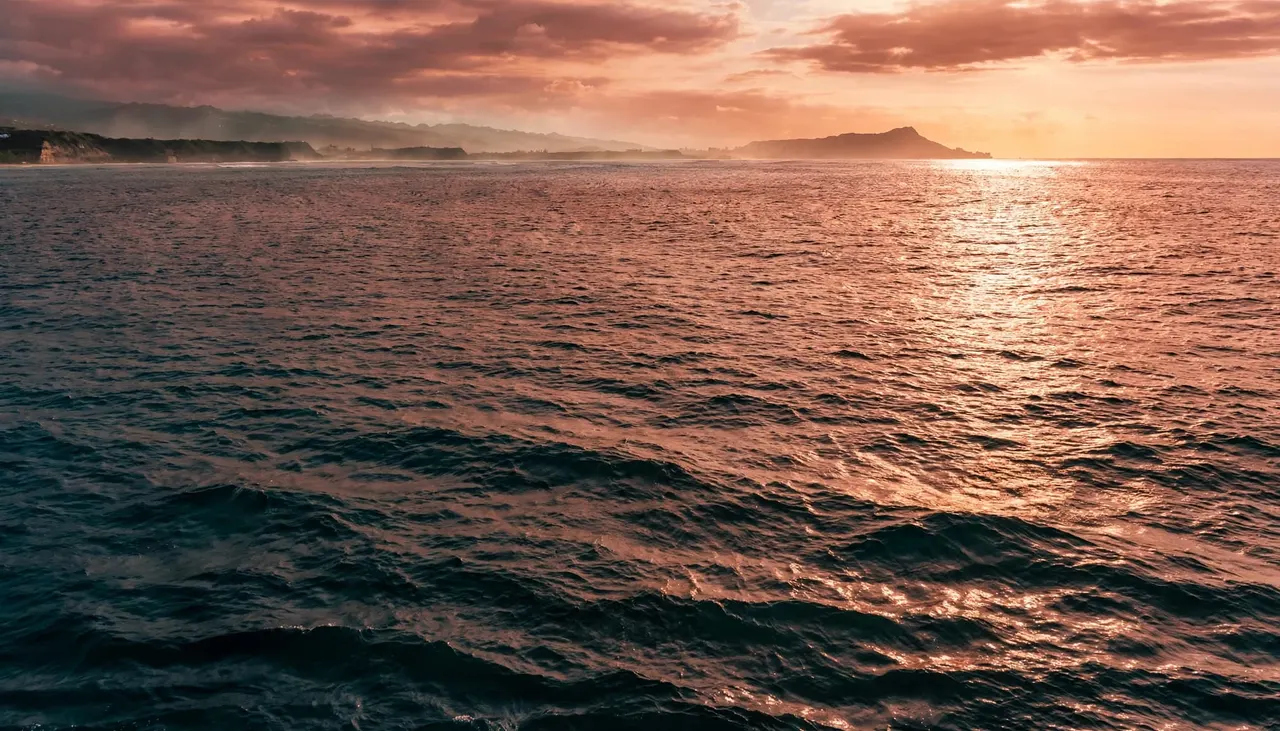
During a Waikiki sunset cruise, the Pacific can look copper because low sunlight takes on warmer tones and reflects off moving waves. The color you see is a combination of sunlight, atmosphere, and water, not a change in the ocean itself.
At Living Ocean Tours, we love watching guests discover how quickly that view can change. A little knowledge of the light makes an evening on the water even more rewarding.
Why Sunset Light Turns Warm
Sunlight contains many colors, even though it often looks white. As the sun sinks toward the horizon, its light travels through more of Earth’s atmosphere before reaching you. That longer path helps change the balance of colors in the direct sunlight.
Blue Light Scatters More Readily
Air molecules scatter shorter wavelengths of light, including blue, more strongly than longer wavelengths. During the day, that scattered blue light reaches your eyes from many directions, which helps explain the blue sky.
Near sunset, more blue light scatters out of the direct path between the sun and your eyes. The remaining direct light can look yellow, orange, or red. You can find a clear explanation of the process in NASA’s guide to sky color.
Copper Is a Blend of Light and Reflection
Copper isn’t a single wavelength. It describes the warm mix of orange, red, brown, and gold you may see across the water.
The exact shade depends on the light reaching the surface and the conditions around you. A bright golden sunset can produce a different reflection than a muted orange one. And when clouds block the low sun, the ocean may stay gray or blue instead.
Why the Ocean Reflects a Path of Light
Water both absorbs and reflects light. At sunset, the reflection of the warm sky and sun can become especially noticeable, particularly when you look toward the brightest part of the horizon.
Waves Act Like Many Small Mirrors
The sea isn’t one flat mirror. Each ripple has a slightly different angle, so different patches reflect sunlight toward your eyes as the surface moves.
Together, those bright patches form a shimmering path across the water. Some wave faces flash gold or copper, while others reflect darker parts of the sky. On a moving boat, the pattern changes as both the waves and your viewing angle shift.
The Color Depends on Where You Look
Turn away from the sun and you may see a different ocean. Water reflecting a blue patch of sky can look cooler than the copper-colored water in the sun’s direction. Near the coast, shadows and reflected shoreline colors add further variation.
The water itself also affects what reaches your eyes. Some light enters the sea rather than bouncing back at the surface, and the water absorbs and scatters part of it. At sunset, though, the warm surface reflection often dominates the view toward the sun.
How Clouds and Haze Change the Color
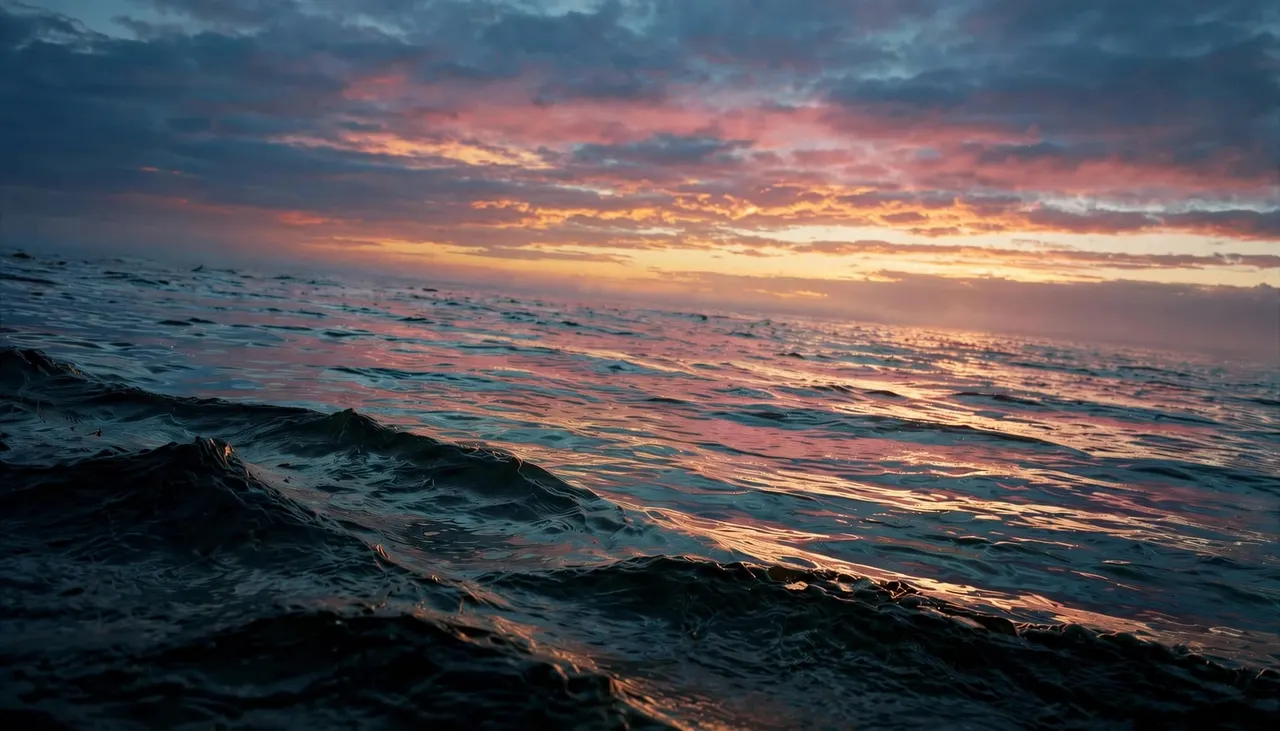
Clouds can give sunset light more surfaces to illuminate, but their position matters. A dark cloud bank near the horizon can hide the sun, while scattered clouds may catch warm light on their undersides.
Clouds Can Carry Color Across the Sky
When low sunlight reaches clouds, they can appear pink, orange, or red. The color may spread beyond the area immediately around the sun, giving the water more warm sky to reflect.
According to NOAA’s explanation of cloud color, haze and dust can influence those colors as light passes through the atmosphere. Clear gaps matter, too: sunlight needs a path to reach the clouds and ocean.
Haze Changes More Than Brightness
Small particles in the air scatter light differently than air molecules. Depending on their size and concentration, they can soften the horizon or make the scene look less saturated. NOAA’s Global Monitoring Laboratory explains how aerosols and molecules affect light in different ways.
That means a hazy evening won’t always produce a stronger sunset. Sometimes the most noticeable effect is a softer view, with less contrast between the sea and sky.
Why a Waikiki Sunset Cruise Changes Your View
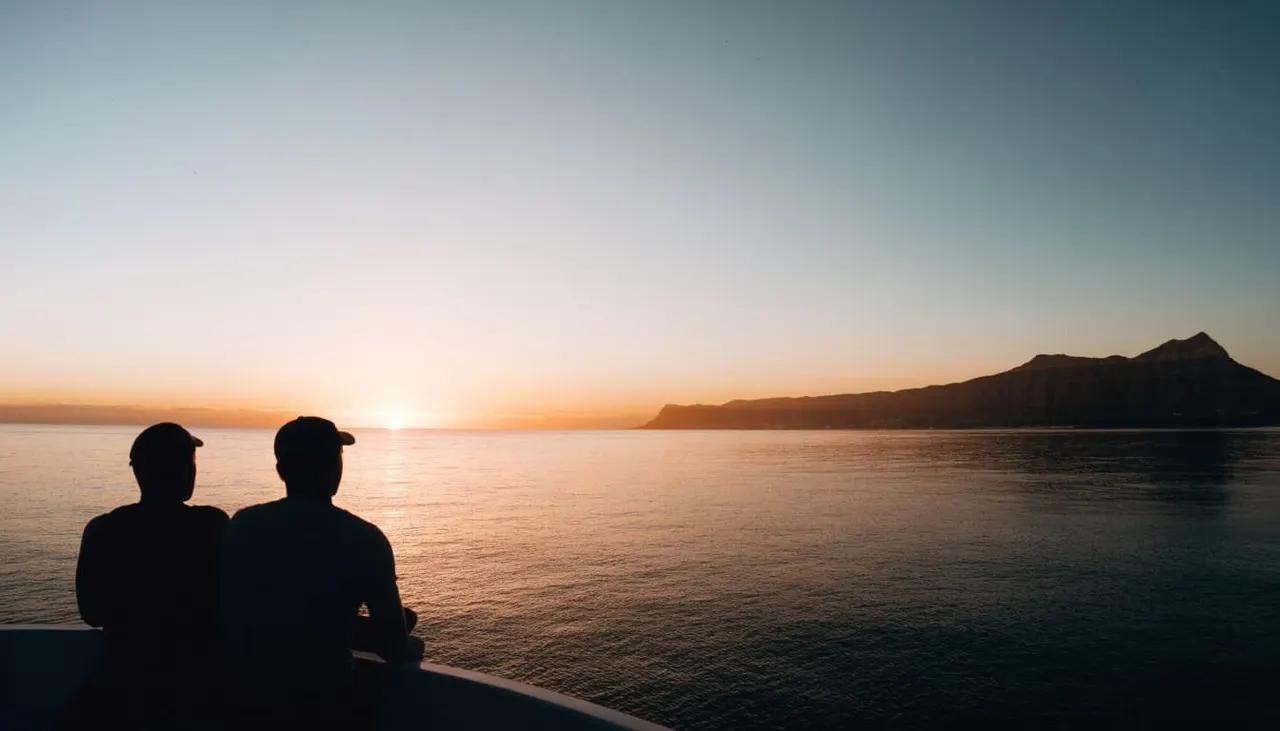
From the beach, your view is framed by the shoreline. On the water, you have room to look toward the open horizon and then turn back toward Waikiki. The same evening light falls on two very different scenes.
Facing the sunset, you may see a bright trail across the Pacific. Looking toward land, you can watch buildings and ridgelines grow darker against the sky. Diamond Head, known in Hawaiian as Leahi, becomes a distinct silhouette as the light fades.
The boat’s movement also changes the view. Reflections shift across the waves as your position changes, and a small turn of your head can reveal colors you missed a moment earlier.
For couples, that open-water perspective makes an easy setting for an evening together. Families can enjoy the coastline without needing to swim or bring snorkel equipment. Everyone gets to watch the same sunset while noticing something different.
Watch the Light Change Throughout the Evening
A Waikiki sunset cruise offers more than one moment to enjoy. Pay attention before the sun nears the horizon, then keep looking around as the available light changes.
Before the Sun Reaches the Horizon
Early in the outing, sunlight may still be bright enough to make you reach for sunglasses. The ocean can look blue farther from the reflection, with gold appearing where waves catch the low sun.
Look at the coast as well as the water. Buildings may take on a warmer tone, and shadows can make the shape of Diamond Head easier to pick out. This is a good time to photograph your group while there’s still plenty of light.
After the Sun Drops Out of Sight
If you’re aboard after sunset, don’t put your camera away immediately. The sky can hold pink or orange color after the sun disappears, while the water becomes darker and more reflective in patches.
Turn toward Honolulu as well. City lights may begin to stand out against the fading coast. The strongest color and its timing vary with the weather, so enjoy the changing view rather than waiting for one guaranteed shade.
How to Photograph Copper Water
Your phone can capture the scene, but the bright sky and darker boat can make exposure tricky. A few small adjustments help preserve the color without making the whole image too dark.
Set Exposure for the Highlights
Tap the brightest part of the water or sky on your phone screen, then lower the exposure slightly if the highlights look washed out. On many phones, you can do that by sliding the small brightness control beside the focus box.
Take another photo with a brighter exposure, too. You’ll have options if one image preserves the sky but loses too much detail in the coastline. Avoid pointing the camera directly at the sun for an extended time, and don’t look directly at the sun.
Include the Coast or a Person for Scale
A stretch of copper water is beautiful on its own, but a little context can make the photograph more personal. Include the outline of Diamond Head, a section of the boat, or someone watching the horizon.
Keep your phone secure with a wrist strap or lanyard, especially near the rail. Then put it away for a few minutes. The color changes continuously, and you don’t need a photo of every stage to appreciate it.
What to Bring for an Evening on the Water
You don’t need much for a sightseeing cruise. A light jacket or sweater is useful once the ocean breeze feels cooler. Sunglasses help during the brighter part of the trip, while secure shoes make moving around the boat more comfortable.
Bring a small bag for your belongings and a charged phone if you plan to take pictures. If you’ve chosen a BYOB departure, a compact cooler can keep your drinks together without taking up much space.
Plan to reach Kewalo Basin about 30 minutes before departure. That gives you time to settle in and listen to the crew’s safety guidance. Leave room after the cruise for disembarking and traveling to dinner or back to your hotel.
If you see marine wildlife during the ride, enjoy it from a respectful distance. Observing without touching helps protect the animals and the ocean environment you came to experience.
Join Our Waikiki Sunset Cruise
Our Waikiki Sunset Cruise departs daily from Kewalo Basin Boat Harbor and lasts 90 minutes. You can take in the coast toward Diamond Head and enjoy the changing light on the return to the harbor.
We offer BYOB and cash-bar options on different departures. Our boats have onboard restrooms and shaded seating, and guests ages 3 and up are welcome. For another day on the water, our snorkeling trips also include professional snorkel guides.
Because sunset timing and weather change, the sun’s position and colors won’t look the same on every cruise. You’ll still have an open-water view of Waikiki and the Pacific as the afternoon light softens.
You can CHECK AVAILABILITY for a sunset outing that fits your plans.
You can also browse availability for our other ocean outings.
See the Pacific in a Different Light
The copper color you may see on a Waikiki sunset cruise begins with sunlight passing through the atmosphere. Waves then reflect that warm light toward you, creating a moving pattern across the Pacific.
Clouds, haze, and your position on the boat give each evening its own look. Take time to watch the horizon and the coast, and you’ll see how much can change during one ride.


