
Waikiki sunset cruise: Photograph Moonlit Water
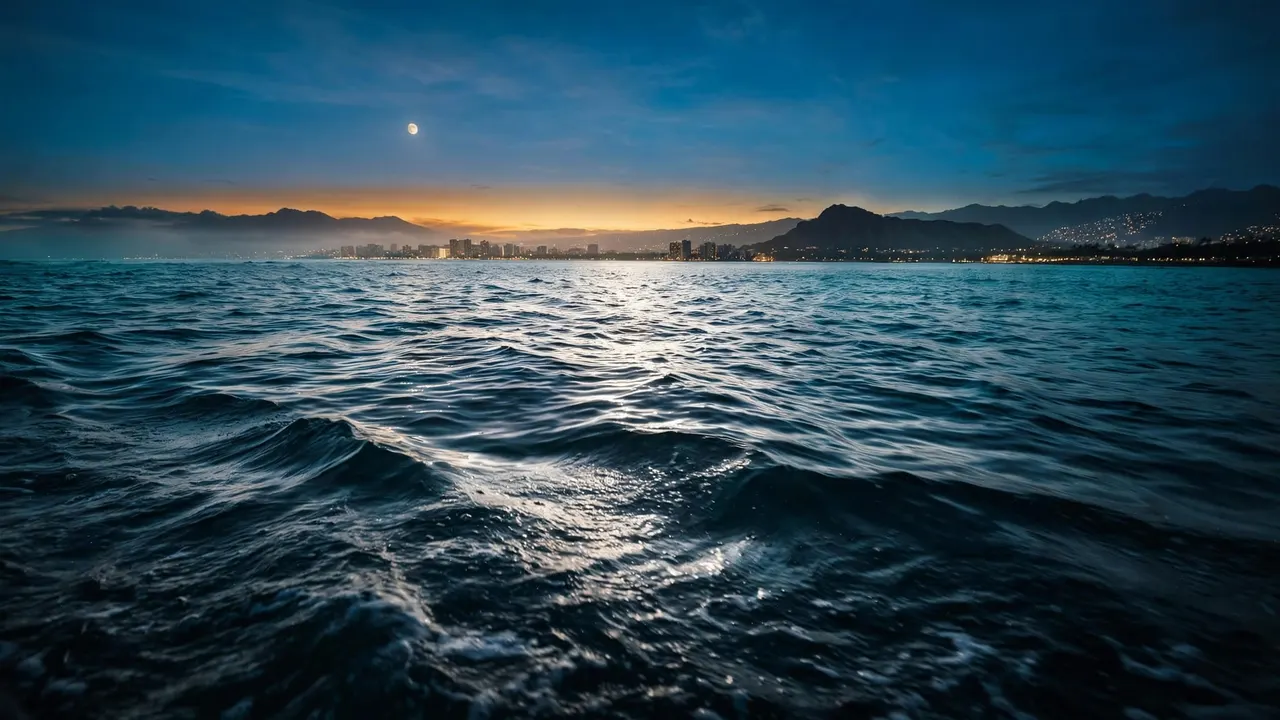
On a Waikiki sunset cruise, you can photograph moonlit water by composing around the reflection and taking several separate frames as the boat moves. Your strongest subject is often the shimmer across the water, rather than a detailed close-up of the moon.
At Living Ocean Tours, our Honolulu ocean tours bring you close to the changing coastal scenery. Moonlight depends on the lunar phase, clouds, and the evening’s timing, so begin by understanding when that silver reflection can appear.
Key Takeaways for Moonlit Boat Photos
- Choose an evening when the moon can share the sky with sunset, while keeping expectations flexible about clouds.
- Give the reflection room in your composition, and include enough shoreline or horizon to establish the setting.
- Clean your lens, secure your equipment, and take separate attempts instead of relying on one photograph.
- Photograph your companions while daylight remains, then turn toward silhouettes, water patterns, and coastal lights.
Plan Your Waikiki Sunset Cruise Around Moonlight
Understand what the moon phase changes
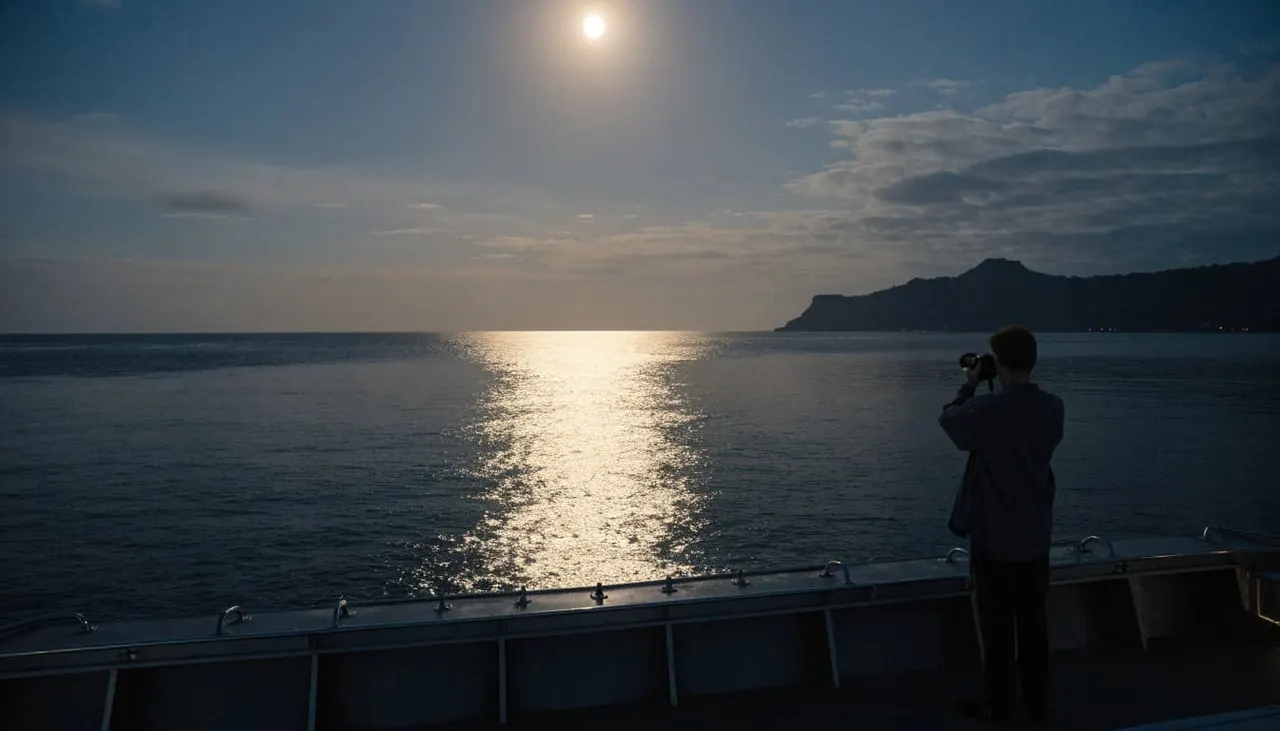
A full moon rises around sunset and sets around sunrise, according to NASA’s explanation of moon phases. That makes the full-moon period useful for combining evening scenery with a moon above the horizon.
However, a sunset outing doesn’t guarantee a visible moon or a bright reflection. Clouds can hide it, and surrounding terrain can interrupt your view near the horizon.
Moonlight is reflected sunlight. The illuminated portion you see changes through the lunar cycle, so a thin crescent creates a different photographic opportunity than a full moon.
Let twilight remain part of the picture
You don’t need a completely black sky. Remaining twilight can reveal the coastline while the water begins catching moonlight.
Because the sky and sea darken at different rates, keep watching the whole scene. A photograph with blue water, a dark headland, and a modest silver shimmer can feel more complete than an isolated bright disk.
If the moon stays hidden, shift toward reflected city lights or the last color above the horizon. Those subjects preserve the evening’s atmosphere without forcing a photograph the conditions won’t support.
Compose the Reflection Before Chasing the Moon
Give the bright water somewhere to lead
The moon’s reflection appears as scattered highlights across differently angled waves. As the water changes, those highlights rearrange themselves.
On your Waikiki sunset cruise, leave room between the horizon and the bottom of the frame. That foreground space lets the bright patches form a visual path.
Try placing the reflection slightly off-center. Then include a stretch of dark water beside it so the shimmer remains easy to see.
Avoid filling the entire frame with brightness. Darker areas give the reflection its shape and help the viewer understand the surface of the sea.
Use the coast to establish Waikiki
When Diamond Head or the Waikiki skyline enters your view, include it as context rather than squeezing everything into one photograph.
A wide composition can show the relationship between moonlight, ocean, and coast. A tighter frame can emphasize the reflection’s broken texture.
Keep your horizon level, and leave a little space around the shoreline for later cropping. Boat movement can shift your framing between the moment you compose and the moment you capture.
The reflection changes faster than the coastline. Keep a simple composition ready, then take another frame when the bright patches form a pleasing pattern.
Prepare Your Camera Without Overcomplicating It
Start with a clean lens and simple gear
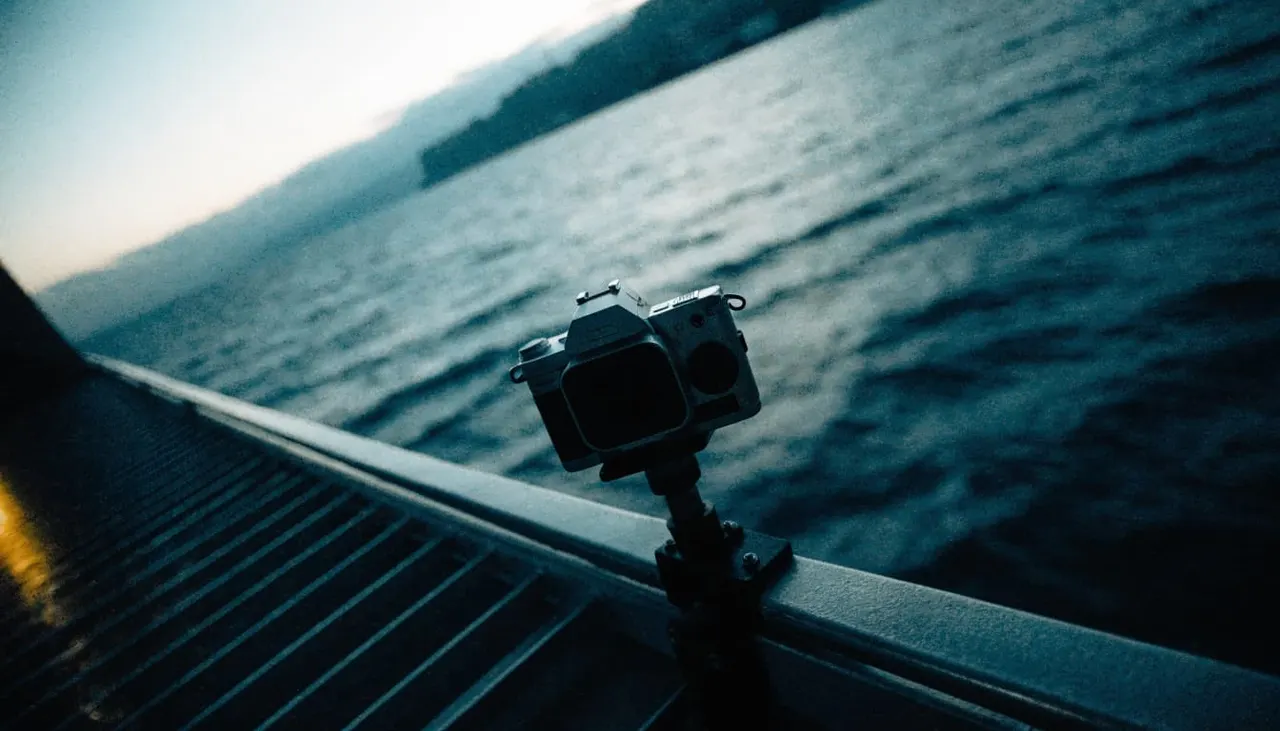
Wipe your phone or camera lens before boarding. Salt spray and fingerprints can turn small highlights into haze, which becomes more noticeable against dark water.
Bring a clean microfiber cloth in a dry pouch. If spray reaches your equipment, step away from the rail before handling it.
For a Waikiki sunset cruise, equipment you can manage comfortably is more useful than a crowded bag. Keep spare items stowed so you aren’t juggling accessories as the scenery changes.
Also, charge your device beforehand and leave enough storage for several attempts.
Judge the whole photograph
Review an early frame while you have comfortable footing. Look for a tilted horizon, unwanted deck lights, or a reflection cut off at the bottom.
Then make one compositional change at a time. A small shift in framing often helps more than repeatedly photographing the same arrangement.
Avoid judging every image by how large the moon appears. In a wide ocean photograph, a small moon can provide context while the water carries the picture.
Afterward, straighten the horizon and crop distracting edges. Keep the water’s natural texture rather than smoothing away every ripple.
Keep Your Footing and Share the View
Your position should let you enjoy a Waikiki sunset cruise without concentrating on balance every second. Choose a comfortable place within the guest areas, and follow our crew’s directions whenever you move.
Keep your camera tucked away on stairs. When you’re ready to photograph, stop walking before raising it.
A wrist strap adds security, but it doesn’t replace safe handling. Keep yourself and your equipment inside the rail, and avoid stepping backward while looking through a screen.
If motion makes you uncomfortable, lower the camera and look toward the coastline. Tell our crew early rather than waiting until you feel worse.
Families can take turns photographing while another adult stays attentive to children. Couples can make a few frames together, then step aside so other guests have room.
Wildlife deserves the same consideration. Observe without touching, feeding, or trying to draw animals closer for a picture.
Build a Small Photo Sequence as the Light Changes
You can tell the evening’s story with a few different photographs. A simple sequence also keeps you from spending the whole outing behind a screen.
- Begin with the setting. Photograph the coast and open water while you can still see their detail. Include enough sky to show the evening’s color.
- Photograph your companions next. Use the remaining daylight for faces. Once detail fades, a clear silhouette may work better than an indistinct portrait.
- Turn toward reflected light. Watch for moonlit ripples, a wake catching brightness, or shoreline lights stretching across the surface.
- Pause between attempts. Lower your camera and notice what changes before choosing the next composition.
Clouds can contribute to memorable sunsets, as the National Park Service’s photography feature notes. Keep some attention on the sky even when the moon is your main subject.
Finally, save a few moments for looking without photographing. You’ll notice patterns more easily when you aren’t reviewing the previous frame.
Enjoy the Evening With Our Living Ocean Tours Crew
Our Waikiki sunset cruise experience gives couples and families a scenic outing departing from Kewalo Basin Boat Harbor, close to Waikiki. Our double-decker vessels offer space to enjoy the coast as daylight fades.
Choose the evening for the ocean experience first. A photograph is a welcome bonus, while clouds and lunar timing give each outing its own character.
You can explore the impressions other guests have shared below.
We’re also the only tour company with professional snorkel guides. For this sightseeing evening, you can leave swim gear behind and enjoy the view.
For an evening dedicated to changing coastal light, explore our sunset cruise options. You can CHECK AVAILABILITY when you’re ready to choose your outing.
Frequently Asked Questions
Can you photograph moonlit water with a phone?
Yes. A phone can capture the overall scene, especially while some twilight remains. Begin with a wide composition that includes water and coastline. A small moon still belongs in the picture, so you don’t need to enlarge it until the surrounding scene disappears.
Will every Waikiki sunset cruise have moonlight?
No. The lunar phase affects when the moon appears, while clouds and the horizon affect visibility. Treat moonlight as one possible subject. Twilight color, silhouettes, and coastal lights offer other ways to photograph the evening when a silver reflection doesn’t develop.
Why does the reflection look broken?
Each moving wave presents a different angle to the moon and your camera. You see bright pieces where the surface reflects light toward you. That creates a shifting pattern rather than a solid stripe. Use the broken highlights as texture instead of expecting a perfectly smooth path.
Should you include people in moonlight photos?
You can, but photograph recognizable faces before daylight disappears. Later, silhouettes can suit the scene better. Keep outlines separated, leave room around heads and shoulders, and choose a comfortable position. Nobody needs to lean beyond the rail for an ocean backdrop.
Bring Home the Shimmer and Enjoy the View
Your strongest Waikiki sunset cruise photographs will come from noticing how light moves across the water. Give the reflection room, include coastal context, and keep your equipment simple.
Above all, protect your time enjoying the evening. Take a few thoughtful frames, share the view, and let the changing ocean hold your attention beyond the screen.


