
Waikiki sunset cruise: Full Moon or New Moon?
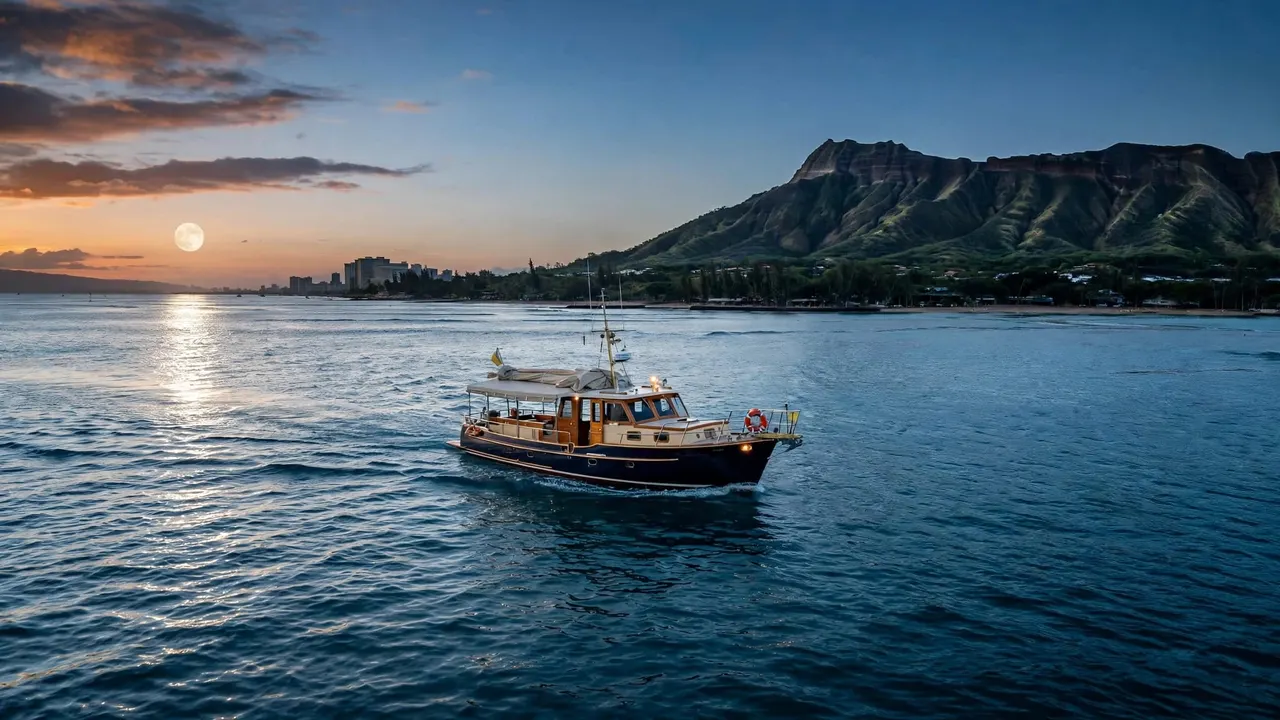
Your moon phase choice changes the sky after sunset more than the sunset itself. For a Waikiki sunset cruise, choose a full moon if you want the possibility of moonlit water, or a new moon if a darker evening sky appeals to you.
At Living Ocean Tours, our Waikiki sunset cruise puts the coastline, changing light, and shared time on the water first. The best fit depends on what you want to enjoy once daylight starts fading.
Key takeaways for choosing your evening
Both moon phases can suit a scenic cruise. Your decision comes down to the evening atmosphere you prefer, rather than which phase produces better sunset colors.
- A full moon rises around sunset, so it can become part of your evening view when clouds and the horizon allow.
- A new moon doesn’t provide a visible illuminated lunar disk, but you’ll still experience sunset and twilight.
- Neither phase predicts calm water, clear skies, or comfortable boating conditions.
The U.S. Naval Observatory’s moon phase explanation separates the Moon’s illuminated appearance from its position in the sky. That distinction matters because a bright lunar phase doesn’t promise an unobstructed view.
If sunset scenery is your main reason for booking, either phase works. Give more weight to a relaxed vacation schedule than to finding one exact lunar date.
What a full moon adds to your sunset cruise
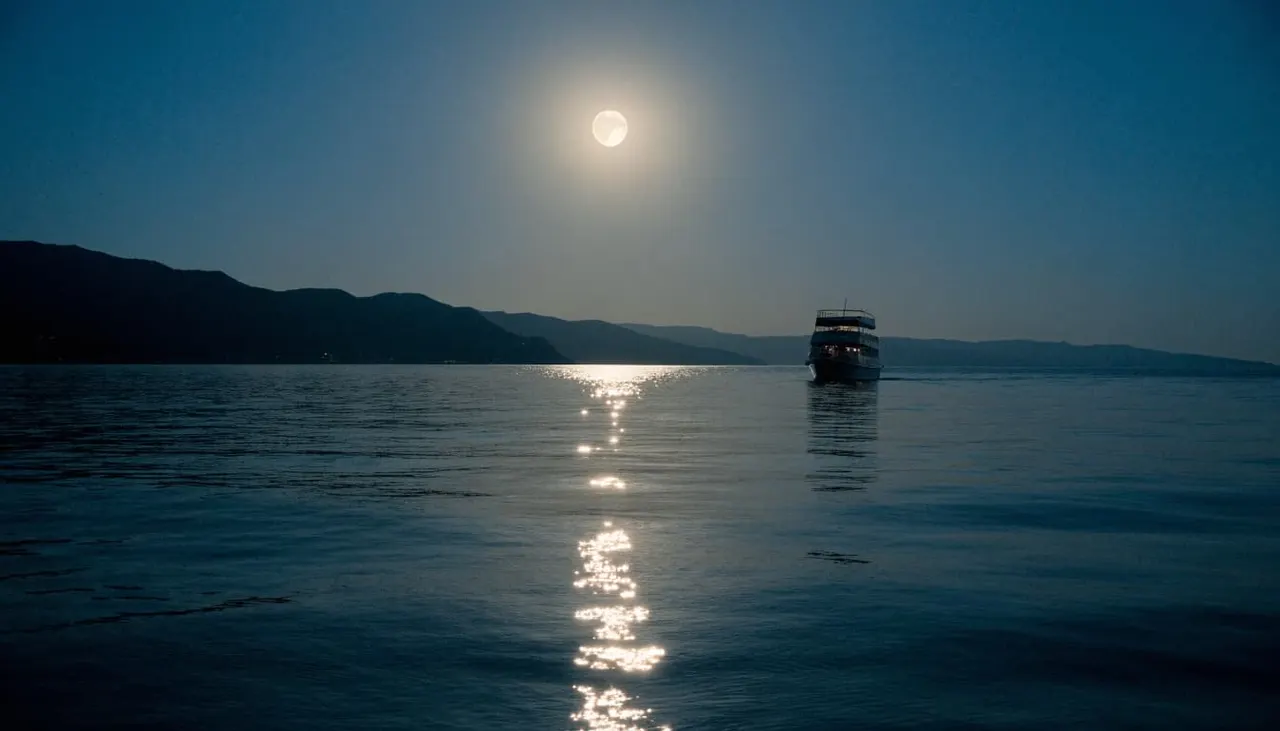
Moonrise can share the evening with sunset
According to NASA’s guide to moon phases, a full moon rises at sunset. That gives you a reason to look beyond the fading western sky.
Around the full moon, your Waikiki sunset cruise can offer two different views: the remaining sunset light and the Moon appearing in the opposite part of the sky. However, clouds and the island’s terrain can block that first appearance.
Because the Moon starts low, don’t expect it to sit high above the boat immediately. Enjoy the coastline while the evening develops, rather than waiting for one particular photograph.
Moonlight becomes more noticeable as daylight fades
Moonlight is reflected sunlight. Once twilight dims, a visible full moon can add reflections across the water and another focal point above Honolulu’s shoreline.
For couples, that extra light may suit the atmosphere you’re hoping for. You can spend the evening watching the scenery without needing a busy itinerary.
Still, a full-moon cruise isn’t a promise of a bright ocean scene throughout the trip. Early twilight can overpower lunar light, while cloud cover can hide the Moon entirely. Think of moonlight as a possible addition to the sunset experience.
What a new-moon evening feels like
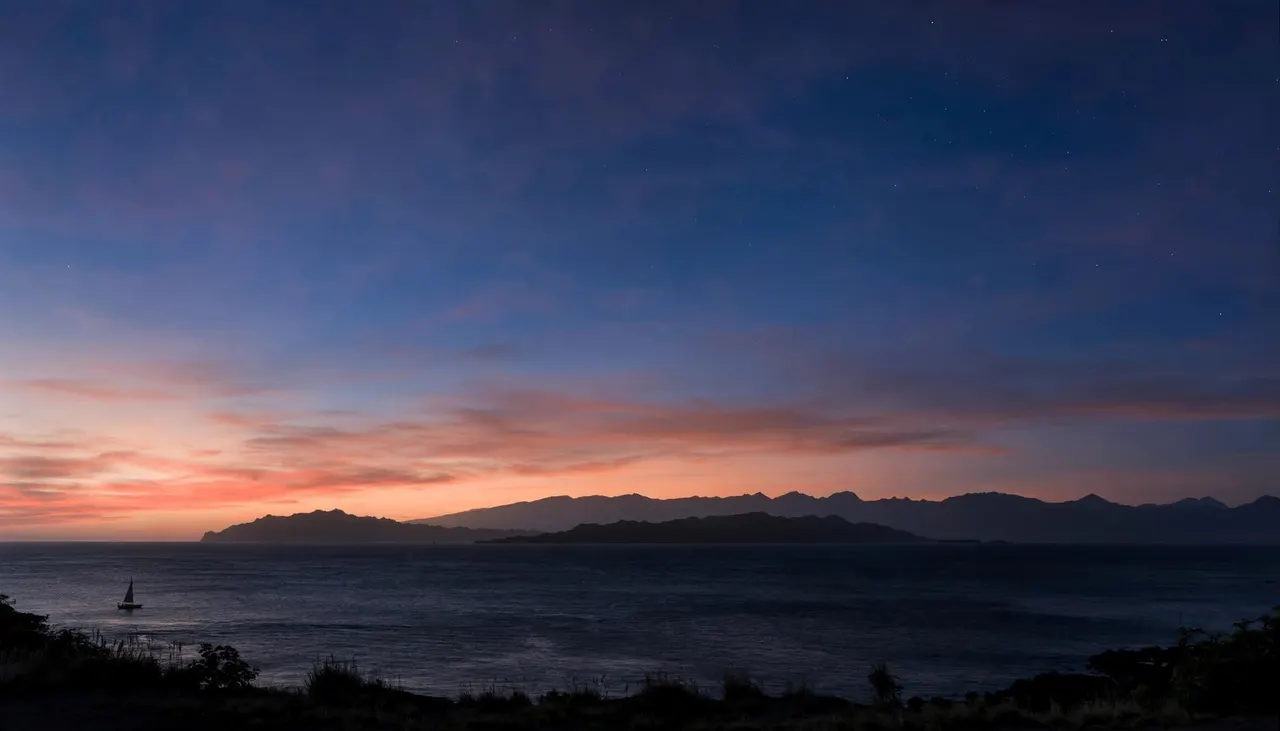
Sunset colors don’t depend on seeing the Moon
During a new moon, the side facing Earth is dark, as NASA’s explanation of lunar illumination describes. You won’t have a bright lunar disk competing for your attention.
That doesn’t diminish the sunset. The low sun, clouds, and atmospheric conditions still shape the colors you see over the Pacific.
A new-moon Waikiki sunset cruise suits you if your priorities are golden-hour coastline views and the transition into evening. Diamond Head remains part of the scenery, while Waikiki’s buildings become more noticeable as their lights contrast with the darkening surroundings.
You also avoid building the evening around a moonrise appearance. Your attention can stay on the changing view from the boat.
Darker skies aren’t a stargazing guarantee
Without moonlight, stars have less lunar glare to compete with. However, a cruise beside Honolulu isn’t the same experience as visiting a remote dark-sky location.
City lights, deck lighting, clouds, and lingering twilight all affect visibility. A sunset departure may also return before the sky becomes fully dark.
Choose the new moon because you like a moonless evening atmosphere. If you see stars as the sky darkens, enjoy them as an extra. Keep your expectations centered on coastal sightseeing rather than a dedicated astronomy outing.
Match the moon phase to your kind of evening
Your priorities make the choice easier.
| Your priority | Better starting choice | What to expect |
|---|---|---|
| Seeing the Moon during the evening | Full moon | A possible moonrise view near sunset |
| Less lunar glare | New moon | No bright illuminated lunar disk |
| Sunset colors and coastline photos | Either | Weather and daylight matter more |
| A comfortable family outing | Either | Timing and onboard comfort matter more |
Use the phase to choose the atmosphere, then build a practical evening around it.
For couples, decide what deserves your attention
If seeing the Moon together is part of your date-night plan, a full-moon evening is the natural choice. It gives you another feature to watch after the strongest sunset colors fade.
If you prefer the shoreline lights and a darker sky, choose the new moon. Either way, a Waikiki sunset cruise leaves room for dinner afterward without making the meal part of the boat trip.
Our sunset cruise versus dinner cruise comparison helps you decide how much of your evening you want to spend aboard.
For families, put energy levels before astronomy
A lunar calendar won’t tell you whether your children will enjoy an outing after a long flight or busy beach day. Choose an evening when everyone has enough energy to appreciate the ride.
Younger guests can enjoy watching the changing sky without waiting for darkness. Meanwhile, older children may find the difference between sunset and moonrise interesting.
A comfortable, unhurried departure usually matters more than landing on the exact full or new moon.
Full moon or new moon doesn’t predict smooth water
Both phases affect tides. Neither gives you a reliable shortcut for predicting how the boat will feel.
NOAA’s explanation of spring and neap tides describes spring tides around new and full moons. During these periods, the alignment of the Sun, Earth, and Moon contributes to a greater difference between high and low tides.
“Spring” refers to the tide’s movement, not the season. These tidal patterns occur throughout the year.
However, tides and waves are different. Wind and swell affect surface conditions, while tides describe the rise and fall of water levels. A new moon doesn’t automatically produce flat water, and a full moon doesn’t automatically make a cruise rough.
That distinction matters if you’re sensitive to motion. Don’t choose your Waikiki sunset cruise date on the assumption that one lunar phase prevents seasickness.
Instead, keep your comfort plan practical. Rest beforehand, avoid arriving overheated, and follow the crew’s guidance aboard. If motion sickness is a concern, ask a healthcare professional about prevention suitable for you.
The same approach applies to families: plan around everyone’s comfort, not a supposed connection between moon brightness and boat stability.
Your evening aboard Living Ocean Tours
Our cruises depart from Kewalo Basin Boat Harbor, a short ride from Waikiki. You get a 90-minute coastal outing with time to enjoy the light changing around Honolulu and Diamond Head.
Our double-decker boats have shaded seating and onboard restrooms. Those details make the evening easier when you’re traveling with children or want a relaxed date without spending several hours at sea.
You can explore the setting in our Kewalo Basin departure guide. The harbor departure gives you an ocean-level perspective on the coast rather than another view from the beach.
Our Waikiki sunset cruise departures offer BYOB and cash-bar options, so you can choose the format that suits your evening. You don’t need to swim to enjoy the coastline.
If your vacation also includes time underwater, we’re the only tour company with professional snorkel guides. That guided support belongs to our snorkeling experiences; your sunset outing focuses on scenery and relaxation.
For your evening on the water, CHECK AVAILABILITY and choose a date that leaves breathing room in your itinerary.
Enjoy the changing light without overplanning
Take your people photos while daylight remains
For easy phone photos, use the softer light before sunset and during early twilight. Faces are easier to capture before the sky becomes dark.
On a full-moon evening, include the Moon as part of a wider scene instead of expecting a detailed close-up. A bright lunar disk and a dark foreground can exceed what your phone captures well in one exposure.
Meanwhile, a moving boat makes long night exposures difficult. Hold your phone steady, take several frames, and avoid flash when photographing the distant coast. Flash won’t illuminate Diamond Head or the Moon.
Pack for the return ride, too
Bring sunglasses for the low sun and a light layer for the ocean breeze. Secure footwear also makes moving around the boat more comfortable.
Keep your bag compact, protect your phone, and leave room in your evening for the journey back from the harbor. If you’re choosing BYOB, our BYOB sunset cruise guide explains that departure style.
Most importantly, spend part of the cruise looking up rather than through a screen. Sunset colors can change quickly, and the shoreline looks different as daylight fades.
You don’t need a perfectly timed moon photograph to come away with a memorable evening together.
Choose the sky you want, then enjoy the coast
Choose a full moon when seeing the Moon is part of your evening’s appeal. Choose a new moon when you prefer less lunar glare.
For your Waikiki sunset cruise, comfortable timing matters more than finding a supposedly perfect phase. Both choices let you enjoy the coastline as the day fades.
Leave yourself time to arrive without rushing, settle aboard, and share the view. The Moon adds one detail to an evening whose main attraction is already around you.


