
Waikiki Sunset Cruise: Why the Sun Looks So Large
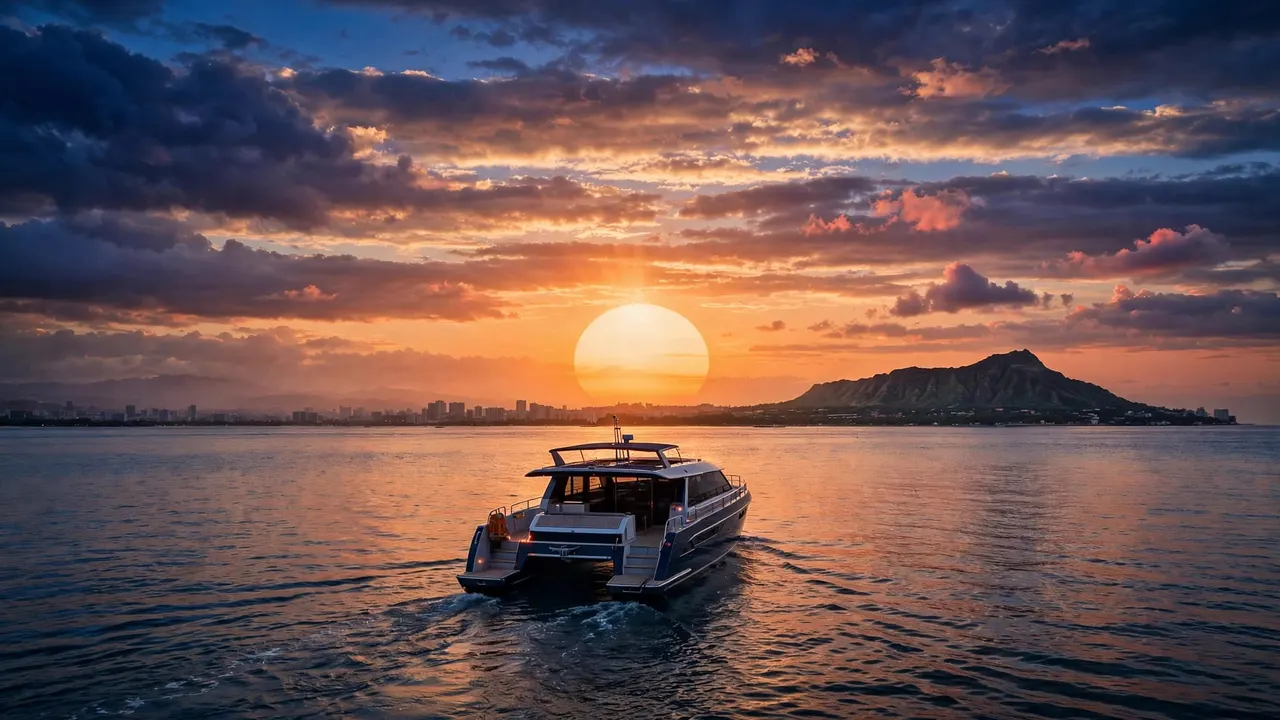
The Sun doesn’t grow as it nears the water, but your eyes will swear that it does. A Waikiki sunset cruise gives you a front-row view of this striking illusion, with the Pacific horizon, distant shoreline, and changing sky all shaping what you see.
Living Ocean Tours, Oahu’s top-rated and most reviewed sunset cruise company, departs from Kewalo Basin Boat Harbor, minutes from Waikiki. You get fresh ocean air, a wide view of the coast, and time to watch daylight shift without rushing through a beach crowd.
Key Takeaways
- The Sun’s apparent increase in size near the horizon is mostly a perception effect, not physical enlargement.
- Your brain uses the ocean, shoreline, clouds, and distant buildings as scale references, which makes the low Sun seem huge.
- Atmospheric refraction can reshape the setting Sun and make it look flattened, but it doesn’t create the main large-Sun illusion.
- A Waikiki sunset cruise gives you clear sightlines and enough time to watch the colors continue after the Sun disappears.
- Sunglasses, a light layer, and a spot away from busy walkways help you enjoy the evening more comfortably.
Why the Waikiki sunset cruise Sun Looks Larger
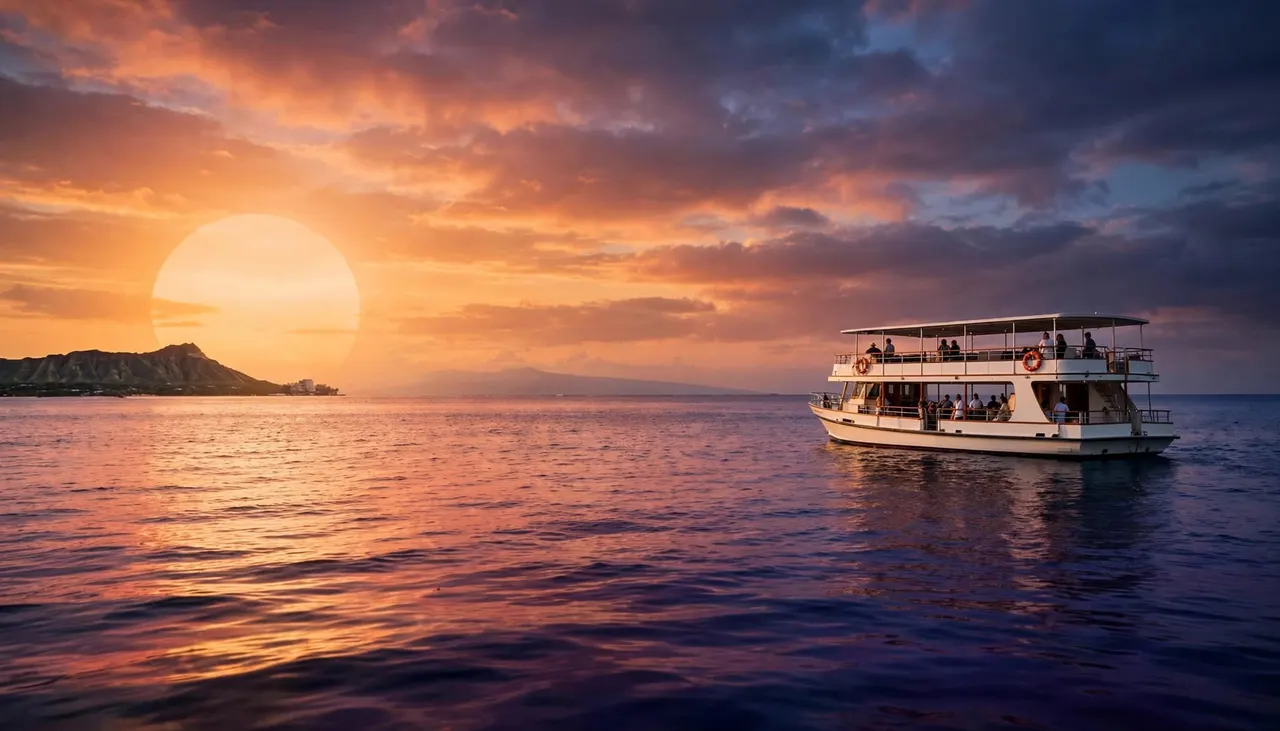
The Sun’s actual size doesn’t suddenly change during sunset. However, when it sits close to the horizon, it appears much larger than when it hangs high in a clear afternoon sky.
That effect feels especially dramatic from the water. The uninterrupted horizon gives you a clean view, while Waikiki’s shoreline and Diamond Head create a sense of distance.
Your brain compares the Sun with familiar objects
High overhead, the Sun floats in a mostly empty sky. There are few nearby visual clues to help your brain judge its scale.
Near the horizon, the view changes. You may see boats, clouds, buildings, mountains, and a long line where sea meets sky. Your mind compares the Sun against those elements, even when it doesn’t realize it is doing so.
Because the horizon looks far away, the Sun can feel enormous. The ocean turns that distant view into a broad stage, and the low Sun becomes the brightest object on it.
The horizon makes distance feel deeper
Perspective also plays a part. The ocean surface stretches toward the horizon, and waves become smaller as they recede. Your eyes read that pattern as deep distance.
A setting Sun occupies the same sky as those distance cues. As a result, it can look larger than an identical Sun seen higher overhead. The effect is visual, personal, and often more impressive than photographs can show.
The horizon illusion is a real perception effect
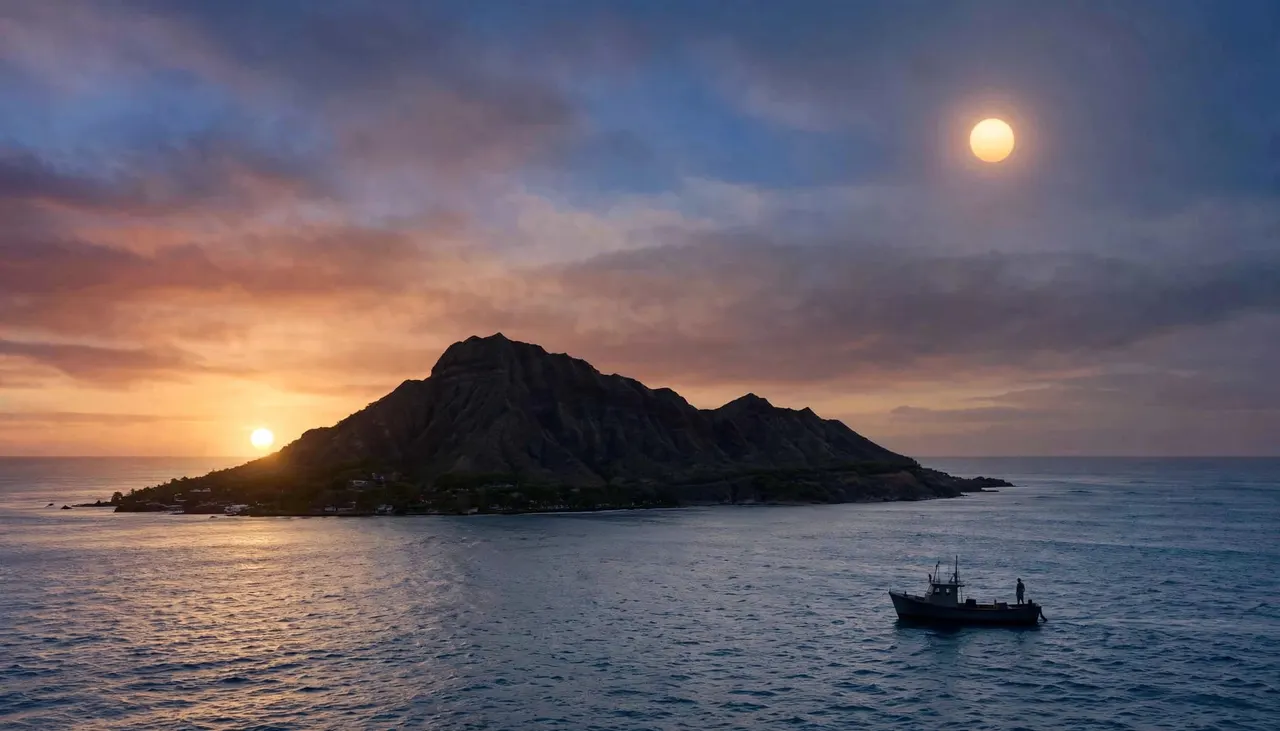
Scientists often explain the giant sunset effect by comparing it with the Moon illusion. NASA’s explanation of the Moon illusion notes that photographs show the Moon stays the same width near the horizon as it does higher in the sky, even though it looks much bigger when low.
The Sun and Moon aren’t identical viewing experiences, yet the same lesson applies: your visual system doesn’t judge size with a ruler.
Context changes what your eyes report
A large-looking sunset comes from context. The low Sun shares its view with real-world objects, while the high Sun has little around it.
On a boat, that context gets stronger. The wake points toward the horizon, the coastline sits at a distance, and the boat itself gives you a stable frame of reference. Your brain combines those signals and assigns the low Sun more visual weight.
This is why a clear sunset over open water can feel so memorable. You are watching an ordinary astronomical event through an extraordinary set of visual cues.
Photos can flatten the experience
A phone camera can capture color and silhouette, but it may not preserve the full sense of scale you felt in person. Wide-angle lenses often make a distant Sun look small, while zoom lenses can compress the scene and make it look closer to the shoreline.
Take a few photos early, then lower your phone. The color after sunset often becomes richer, and your memory will hold more than one carefully framed image.
What atmospheric refraction changes at sunset
The atmosphere does affect the Sun’s appearance near the horizon. Light travels through more air when the Sun is low, and layers of air bend that light before it reaches your eyes.
That bending is called atmospheric refraction. It can change the outline of the Sun, especially in the final minutes before it disappears.
Refraction can flatten the Sun’s disk
Near the horizon, the lower edge of the Sun’s light passes through denser air than the upper edge. The result can make the disk look oval or compressed vertically.
You can see the same effect on clear evenings when the Sun seems squashed against the horizon. Research on atmospheric refraction and the flattened Sun describes how refraction can reduce the Sun’s observed vertical diameter.
Flattening is different from enlargement
Refraction changes shape, but it doesn’t create the main impression that the Sun has become huge. The large-Sun feeling comes mostly from how your brain reads the scene around it.
Refraction can alter the Sun’s outline, but it does not cause the main giant-Sun impression.
Cloud layers, humidity, and haze can soften the Sun’s edges as well. Those changing conditions make every evening look a little different, even when the horizon illusion remains familiar.
Watching sunset from the water
A Waikiki sunset cruise gives you room to experience the horizon illusion without balancing on crowded sand or searching for an unobstructed overlook. Living Ocean Tours offers daily sunset departures with BYOB and cash-bar options, so you can choose the evening that fits your plans.
The company operates family-friendly Honolulu ocean outings from Kewalo Basin. It is also the only tour company with professional snorkel guides, bringing a practiced, safety-minded crew culture to every trip.
Pick a view without blocking the deck
Arrive early enough to settle into a comfortable seat. Couples may prefer an open rail for a few photos, while families often appreciate shade, easy restroom access, and a stable place for children to sit.
Move aside after you take your pictures. Everyone aboard deserves time at the rail, especially as the Sun touches the horizon. If the crew asks guests to shift position, follow directions promptly because they are managing safe movement and clear sightlines.
You can browse Waikiki snorkeling and sunset cruises when you want to pair a scenic evening with other time on the water.
Pack for light, wind, and movement
Wear comfortable clothes and secure footwear. Sunglasses help when the Sun is still bright, while a light jacket or wrap can make the ride back more pleasant after twilight settles in.
Keep your bag small and store it safely. Use railings when moving between decks, and keep your phone tucked away while you walk. A boat remains an active marine environment, even during a relaxed sunset outing.
Make the most of the changing light
The moment the Sun disappears isn’t the end of the show. Color often lingers and shifts across the water as the sky deepens from gold to coral, violet, and blue.
Give yourself time to watch the full transition instead of leaving the rail the second the last edge of the Sun slips away.
Watch the water as much as the sky
The Pacific reflects the sky in broken bands of color. Small waves catch the remaining light, while the wake may turn silver, blue, or pink behind the boat.
Look back toward Waikiki, too. Hotel lights begin to glow, and the coastline takes on a completely different mood after daylight fades. This contrast between city lights and open water is part of what makes an evening cruise feel distinct from a beach sunset.
Treat wildlife as a welcome bonus
You may spot seabirds, fish, or distant marine life during an evening on the water. Keep expectations centered on the scenery, since wildlife sightings always depend on the animals and the conditions.
Watch patiently and give animals space. Don’t toss food overboard or reach toward wildlife that comes near the boat. Respectful viewing protects Hawaii’s ocean life and gives everyone aboard a better experience.
Frequently asked questions
Does the Sun really become bigger at sunset?
No. The Sun mainly appears larger because your brain compares it with the horizon, ocean, clouds, and distant land. Atmospheric conditions can reshape the disk, but they do not make the Sun physically expand.
Is a Waikiki sunset cruise good if you don’t swim?
Yes. You stay dry while enjoying the breeze, coastline, and changing color over the Pacific. It is a strong choice when you want an ocean experience without packing snorkeling gear or planning time to shower afterward.
What should you bring for a sunset cruise?
Bring sunglasses, secure footwear, a light layer, and a small bag you can store safely. You may also want a camera, but take a few pictures and leave time to watch the view without a screen between you and the horizon.
Can children enjoy a sunset cruise?
Yes, especially if your family wants a calmer outing than a swim-focused boat trip. Choose seats near shade and restrooms, keep walkways clear, and follow crew instructions when the boat is underway.
See the illusion, then enjoy the evening
A Waikiki sunset cruise puts you in the right place to see one of the sky’s most convincing visual effects. The Sun only appears larger near the horizon, yet the ocean, shoreline, and evening light make that illusion feel completely real.
Bring a light layer, share the rail, and give yourself a few phone-free minutes. The view becomes more memorable when you let it unfold at its own pace.


