
Waikiki Snorkeling Without Fins: When It Makes Sense
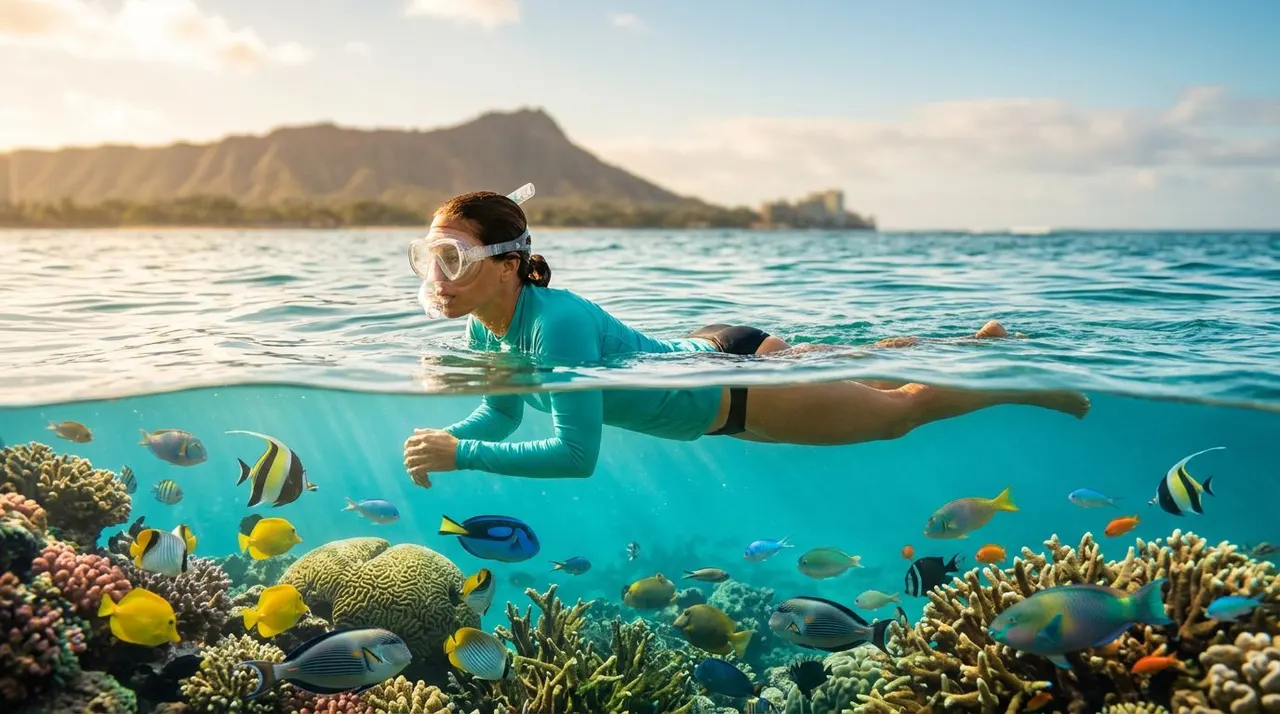
Fins help you move through the ocean, but they aren’t required for every snorkeling experience. In calm, shallow water, Waikiki snorkeling without fins can feel easier, more natural, and less intimidating for beginners.
The right choice depends on water conditions, swimming ability, distance, and how comfortable you feel wearing snorkeling gear. If you understand when fins help and when they create extra hassle, you can choose equipment that keeps your outing safe and enjoyable.
When snorkeling without fins works well
Going fin-free makes the most sense when you stay in calm water and don’t need to swim far. A protected shoreline area with light current lets you move at your own pace. You can float, look down at the reef, and use a relaxed breaststroke or gentle flutter kick when you need to reposition.
Many first-time snorkelers prefer this approach. Fins can feel bulky on land, and some people find the larger foot pockets uncomfortable. If your fins pinch, slip, or feel too stiff, they can distract you from the fish and coral below.
Without fins, you also have better control while standing in a shallow sandy area. That matters when you are adjusting your mask, clearing your snorkel, or helping a child get comfortable. You can keep your feet underneath you instead of trying to balance with long blades attached to your feet.
However, you should never stand on coral or chase marine life. If you need to stop, move toward a sandy patch or hold a designated flotation aid. Hawaiian coral grows slowly, and even a single careless step can break living reef.
A fin-free swim can work especially well when:
- You stay close to shore or a boat ladder.
- The water is calm, with little current or surge.
- You are comfortable swimming short distances.
- You use a flotation device when you need extra support.
- Your guide or lifeguard confirms that conditions are suitable.
Waikiki conditions can change during the day. A calm surface near the beach doesn’t always mean the water feels calm farther offshore. Check the conditions before entering, and follow instructions from lifeguards or your boat crew.
When fins are the safer, smarter choice
Fins become more useful when you need to cover distance, swim against a current, or keep up with a group. They turn each kick into more forward movement, so you use less energy while traveling across the surface.
That extra propulsion matters on a boat-based snorkel tour. You may leave the vessel using a ladder, swim around a reef area, and return to the boat after viewing fish or sea turtles. Fins help you reach the viewing area and return without exhausting yourself.
They also improve control in moving water. A strong kick helps you face the current, maintain your position, and move away from a rocky area. Without fins, you may use your arms more, which can tire your shoulders quickly.
If you feel yourself working hard to stay in one place, put on fins or return to the boat ladder.
Fins can also help you stay with your family or guide. A group moves more smoothly when everyone has similar swimming ability and equipment. If you choose to go without fins, tell your guide before entering the water. The crew can help you decide whether the plan fits your comfort level.
You should generally wear fins when the route includes open water, deeper water, a noticeable current, or a longer swim. They are also helpful if you aren’t a strong swimmer, because efficient movement gives you more energy to focus on breathing and awareness.
Fins don’t replace a life jacket, flotation aid, or competent supervision. They also don’t make rough water safe. If the ocean feels beyond your ability, stay out of the water or remain close to the vessel with crew support.
How to snorkel comfortably without fins
You don’t need a powerful kick to snorkel without fins. Smooth body position and calm breathing matter more than speed.
Start by floating on your stomach with your face in the water. Keep your legs relaxed and use small kicks only when you need to turn. Large, fast kicks burn energy and can stir up sand, which reduces visibility.
Your arms should stay relaxed. Use a slow breaststroke to move short distances, then return to a comfortable floating position. Avoid frantic paddling because it raises your breathing rate and makes the mask and snorkel feel harder to manage.
A properly fitted mask is essential. Press the mask gently against your face without using the strap, inhale through your nose, and check whether it stays in place. The skirt should seal around your eyes and nose without painful pressure. If water leaks in, ask for another size before entering the ocean.
Your snorkel should sit comfortably beside your head. Practice breathing through it in shallow water or while holding the boat ladder. Slow breaths reduce the urge to lift your head suddenly.
A flotation vest or noodle can make fin-free snorkeling easier for children, nervous swimmers, and anyone who tires quickly. You can use support while observing the reef, then practice floating without it when you feel ready.
Wear a rash guard if you want more sun protection and comfort. Apply mineral sunscreen to exposed skin, and keep your hands away from coral and wildlife. Your goal is to observe marine life without touching, feeding, or following it too closely.
Choosing a Waikiki tour when you don’t want fins
A guided boat tour can be a good fit if you want support while deciding whether to wear fins. Living Ocean Tours departs from Kewalo Basin Boat Harbor, a short distance from Waikiki Beach. Its crew provides professional snorkel guides, and the company is the only tour operator offering professional snorkel guides in this setting.
That guidance helps when conditions shift or your comfort level changes. You can tell the crew that you prefer to snorkel without fins, ask for flotation support, and get advice before entering the water. The boats also have shaded seating, restrooms, dry storage, and sturdy ladders for returning from the ocean.
The Turtle Canyons Snorkel Excursion is a natural option for guests who want a focused reef experience. The tour visits Turtle Canyons, where Hawaiian green sea turtles often rest at an underwater cleaning station. Living Ocean Tours reports a 95% success rate for turtle sightings, although wildlife encounters can never be guaranteed.
You may decide to use fins for the swim out and remove them once you reach a comfortable viewing area. Another option is to keep them on while staying near the guide. Either way, maintain a respectful distance and let turtles choose where they swim.
The Deluxe Waikiki Snorkeling and Wildlife Cruise suits families and active groups. It visits a less-crowded reef and includes a boat-mounted water slide, water trampoline, and floating lily pad. You can spend time in the water, return to the vessel for a break, and choose your equipment again before swimming.
Because the Lokahi includes a SeaKeeper stabilization system, the boat stays steadier on the water. That can make gear changes and water entry more comfortable for guests who worry about motion sickness. The crew can also help you use the heavy-duty ladders safely.
Fins, water entry, and reef etiquette
Your entry method affects how comfortable you feel more than the fins themselves. On a boat tour, listen to the crew’s instructions and use the ladder rather than jumping in without guidance. Hold the rails, keep the ladder clear, and give the person ahead of you room to exit.
If you enter without fins, move away from the ladder only after checking that the area is clear. Stay where your guide can see you. When you need a break, signal the crew or return to the vessel instead of drifting away from the group.
Fins require extra awareness around other swimmers. Keep your legs low and kick gently so you don’t strike someone behind you. Avoid kicking near coral, rocks, or a turtle resting on the bottom.
Marine life deserves space. Hawaiian green sea turtles are protected animals, and touching, riding, blocking, or pursuing them can cause stress and may violate wildlife protection rules. Watch their movements, allow them to pass, and never try to steer them toward your camera.
The same care applies to coral. Don’t stand on the reef, drag equipment across it, or grab branches for balance. If you need stability, use a flotation aid or ask your guide for help.
Quick decision guide for your snorkeling day
Use the table below as a starting point, then follow the crew’s advice at the actual site.
| Your situation | Better choice |
|---|---|
| Calm, shallow water near shore | Fins optional |
| Short swim with frequent breaks | Fins optional |
| Open-water reef tour | Wear fins |
| Noticeable current or surge | Wear fins |
| You tire easily while swimming | Wear fins and use flotation |
| You feel nervous in the water | Ask for a flotation aid and guide support |
| You have painful or loose rental fins | Request a different size before entering |
The most comfortable setup may change during the same outing. You could begin with fins, remove them near a calm viewing area, and put them back on before returning to the boat. Ask rather than guessing.
The right choice keeps your attention on the ocean
You can enjoy Waikiki snorkeling without fins when the water is calm, the distance is short, and you feel in control. Fins make more sense when you face current, open water, longer swims, or a group pace you need to match.
Choose equipment based on the conditions, not on what looks easiest at the dock. With professional guidance, proper flotation, and respectful reef habits, you can spend less time worrying about your feet and more time watching Hawaii’s ocean life.


