
Waikiki Snorkeling: Keep Your Valuables Safe on Shore
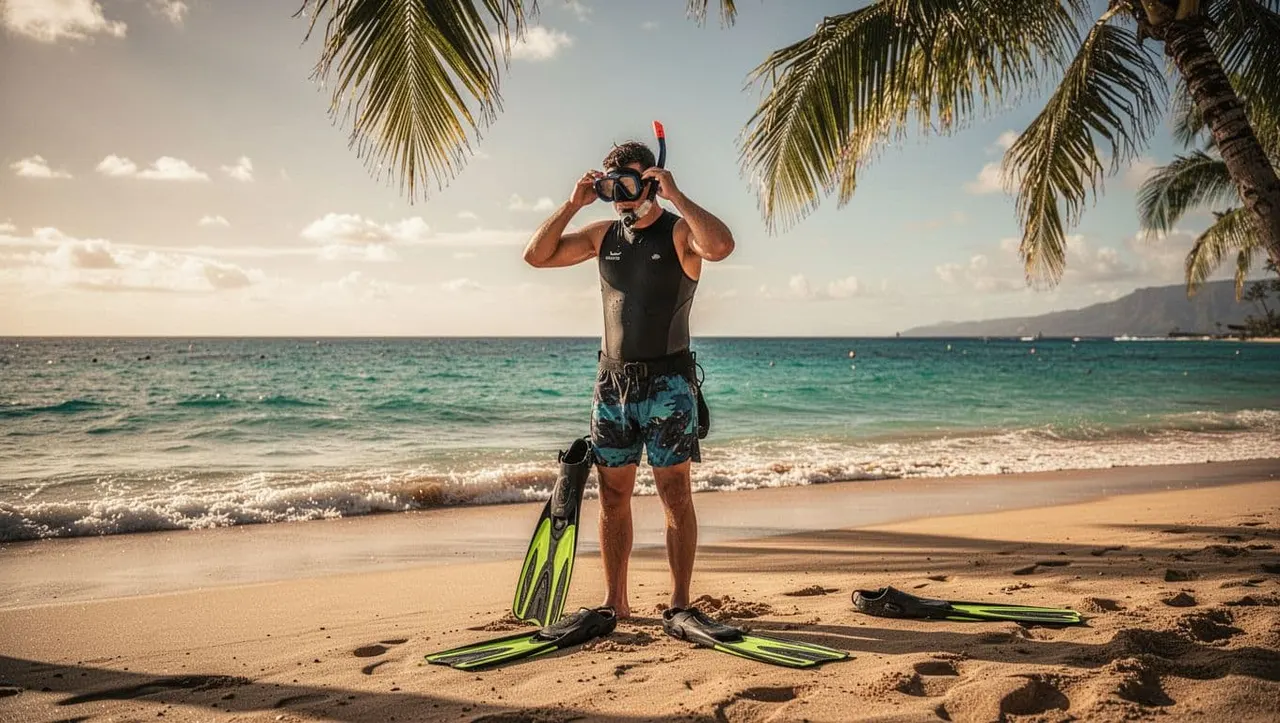
A forgotten phone or car key can turn a beautiful beach day into a stressful search. When you plan Waikiki snorkeling, decide where your valuables will go before you walk into the water.
Living Ocean Tours offers a simple alternative to leaving important items unattended on the sand. Its boats depart from Kewalo Basin Boat Harbor, only minutes from Waikiki Beach, with dry storage, shaded seating, restrooms, and professional snorkel guides. If you’re swimming from shore, these practical steps will help protect your belongings.
Key Takeaways
- Bring only the essentials, and leave passports, extra cards, and expensive jewelry at your hotel.
- Never hide valuables under a towel, chair, or beach bag.
- Use a tested waterproof pouch for items you must carry near the water.
- Keep car keys and wallets with a trusted adult or in secure storage whenever possible.
- A guided boat tour can reduce the need to leave belongings unattended on the beach.
Waikiki snorkeling starts with a valuables plan
Shore swims are convenient because you can walk straight from the beach into the water. That convenience also creates a common problem: someone must stay behind to watch your belongings, or you must leave them onshore while everyone swims.
A towel is not a security system. Neither is a beach bag tucked behind a chair. Waikiki beaches can be busy, and people move in and out of the water throughout the day. Even if you only plan to swim for a few minutes, you can’t see your belongings while your face is underwater.
Your best plan begins at the hotel. Carry only what you need for the outing. Leave passports, extra credit cards, large amounts of cash, and sentimental jewelry in your room safe. Take one payment card, a small amount of cash, identification if needed, and the key or access method required to return to your room.
Car keys deserve special attention. A modern key fob can stop working after water exposure, and replacing one can cost far more than a basic waterproof pouch. If your hotel provides a pool or beach locker, check its size and locking system before relying on it.
A hidden wallet is still unattended. The safest beach setup contains as little value as possible.
What to bring, store, or leave behind
You can make your shore-swim kit smaller in a few minutes. Start by removing anything you won’t use during the swim.
Leave these items at your hotel whenever possible:
- Your passport and backup identification
- Extra cash and unused credit cards
- Expensive watches, rings, and necklaces
- Electronics that don’t support underwater use
- Spare keys and nonessential medication
Keep your beach essentials together in one small pouch. That makes it easier to check your belongings before and after the swim. It also prevents you from spreading items across towels, shoes, and clothing.
If you need your phone for directions, transportation, or an emergency call, use a waterproof case that closes securely. Test it at home with a dry paper towel inside before placing your phone in it. Submerge the empty case in a sink or bathtub, then inspect the paper towel for moisture.
A water-resistant phone is not automatically safe for snorkeling. Water resistance ratings depend on testing conditions, depth, time, and the device’s condition. Cracks, worn seals, and previous repairs can reduce protection.
A roll-top dry pouch or waterproof snorkeling bag can hold a phone, room key, card, and cash. This waterproof snorkeling bag guide offers another look at the type of storage commonly used around the water. Choose a pouch with a secure closure and a strap that you can wear comfortably without restricting your movement.
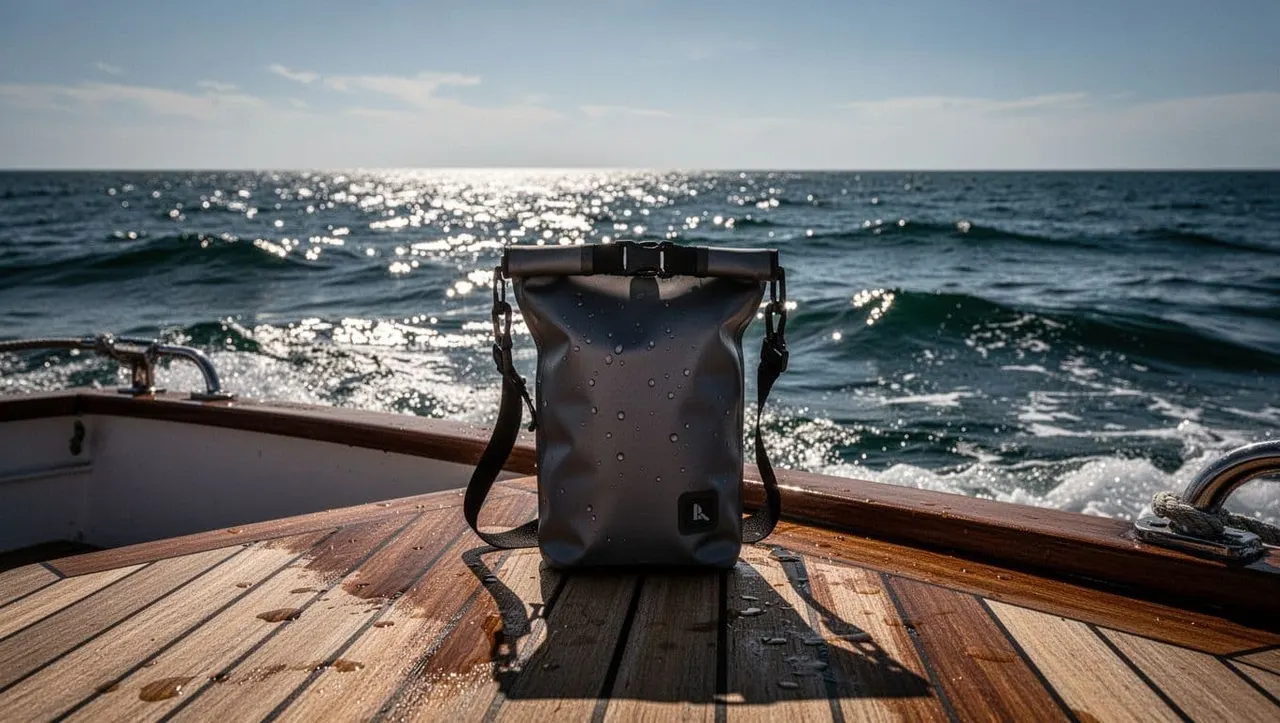
Don’t rely on a pouch until you’ve tested it. Place a paper towel inside, close it according to the manufacturer’s instructions, and leave it submerged for several minutes. Check the towel afterward. Repeat the test after the pouch has been used several times or shows any wear.
Choose storage based on your swim plan
The right choice depends on whether you are staying in shallow water, swimming far from shore, or joining a boat excursion. Use this quick comparison before you leave your hotel.
| Your plan | Best valuables strategy | What to avoid |
|---|---|---|
| Short swim near shore | Leave valuables with a trusted adult | Hiding them under a towel |
| Solo shore swim | Carry only a tested waterproof pouch | Leaving your phone and wallet unattended |
| Family beach day | Designate one adult to remain with the bag | Everyone entering the water together |
| Guided boat snorkeling | Use the vessel’s dry storage | Bringing unnecessary valuables |
| Long swim or open-water session | Carry the minimum in secure waterproof storage | Loose items in swimsuit pockets |
For a family, one person can stay with the beach bag while others swim. Rotate the responsibility so one adult doesn’t miss the entire experience. Keep the bag within arm’s reach, rather than placing it beside a crowded walkway.
If you swim alone, the safest option is to reduce what you carry. A room key, one card, and a small amount of cash may be enough. Some travelers use a waterproof waist pouch, but it must fit securely and stay closed during movement. Test the pouch before the beach, and don’t let a dangling strap interfere with your mask, fins, or breathing.
Avoid putting a room key inside a shoe or under a rock. These hiding spots are easy to forget and can expose the key to sand, heat, or seawater. If your hotel offers a wearable key or mobile access, confirm that it works without your phone if your phone will remain in storage.
Why a guided boat can simplify Waikiki snorkeling
A boat trip changes the valuables problem because you don’t need to leave your belongings on a public beach while you swim. Living Ocean Tours operates from Kewalo Basin Boat Harbor and provides dry storage aboard its Coast Guard-inspected double-decker vessels, the Coral Kai and the Lokahi.
The boats also have shaded seating, restrooms, heavy-duty ladders, and space to organize your gear before entering the water. The Lokahi includes a SeaKeeper stabilization system that helps keep the vessel steady, which can make the ride more comfortable if you’re concerned about motion.
Living Ocean Tours is the only tour company with professional snorkel guides. Those guides help first-time swimmers understand the equipment, entry process, and proper behavior around marine life. You can ask where to store your phone and keys before you enter the water, instead of making a rushed decision on the beach.
The Turtle Canyon Snorkel Excursion visits a natural cleaning station where Hawaiian green sea turtles are often spotted. The company reports a 95% success rate for turtle sightings. You still need to follow the crew’s instructions and observe wildlife without touching, chasing, or blocking its path.
You can review the full selection of Living Ocean Tours in Honolulu before choosing an outing that fits your group. For families and active swimmers, the Deluxe Waikiki Snorkeling and Wildlife Cruise includes access to a less-crowded reef, a boat-mounted waterslide, a water trampoline, and a floating lily pad.
The same approach works when you book other Living Ocean Tours experiences. Store only what you need, tell the crew about any sensitive items, and keep your focus on the water.
Protect valuables during the swim itself
Before entering the water, complete a quick check. Confirm that your pouch is closed, your mask fits, and your fins won’t loosen. Ask your beach partner to confirm where the bag is located if someone will remain on shore.
Don’t carry loose items in a swimsuit pocket. A wave can pull out a phone, card, or key before you notice. Even a zipped pocket can open during a strong swim stroke or body-surfing session.
If you wear a waterproof pouch, keep it close to your body. A floating pouch may stay visible, but it can still swing into your mask or snag on equipment. A non-bulky design worn under a rash guard or secured around your waist usually creates less distraction.
Your phone also affects the experience. You may want underwater photos, but handling a device can reduce your awareness of other swimmers, coral, and wildlife. If you join a guided Waikiki snorkeling trip, ask whether the crew has photography options before bringing your own phone into the water.
When you return to shore, check your pouch before opening it. Dry your hands first, and open the closure away from splashing water. Then confirm that your room key, card, and phone are present before packing your gear.
A simple beach routine for couples and families
Use the same routine each time you swim:
- Remove valuables you don’t need and leave them in your hotel safe.
- Place essential items in one tested waterproof pouch or secure storage area.
- Assign one adult to watch the beach bag if your group swims from shore.
- Keep the bag away from walkways and within clear view.
- Check every pocket, pouch, and key holder before leaving the beach.
Couples can take turns swimming so both people get time in the water. Families can establish one meeting point and keep the beach bag there. Children should know not to move the bag, even if they want a towel or snack.
A guided boat trip offers a different routine. You board with the items you need, place them in the vessel’s dry storage, and follow the crew’s instructions for water entry. That arrangement lets your entire group snorkel together without leaving a phone or wallet beside a public beach.
Conclusion
A safe Waikiki snorkeling day starts before you reach the water. Leave unnecessary valuables at your hotel, test your waterproof pouch, and never depend on a towel or hidden hiding spot for security.
If you swim from shore, keep one trusted adult with the bag. If you want everyone in the water together, a guided Living Ocean Tours excursion offers professional snorkel guides, onboard dry storage, and easy water access. Your valuables should take minutes to manage, so the rest of your day can stay focused on Hawaii’s clear water and marine life.


