
Waikiki Snorkeling Trips: A Complete 2026 Guide
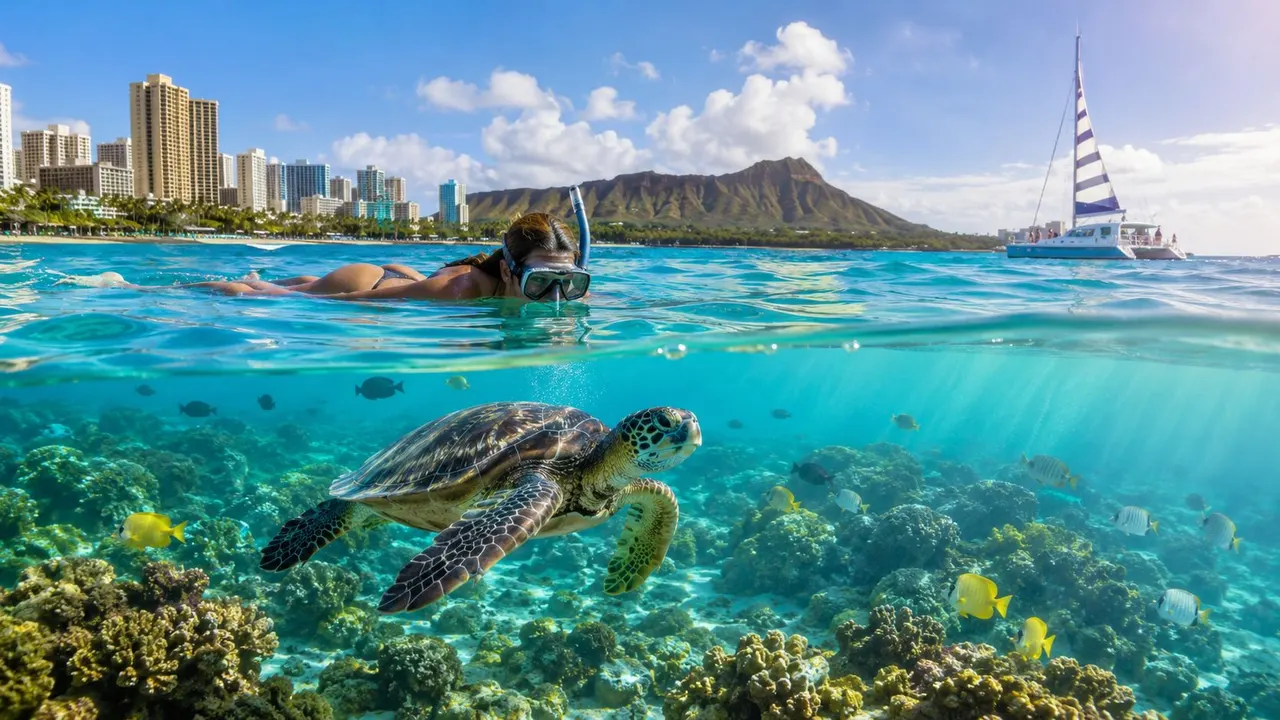
You're probably in Waikiki right now, looking at gorgeous water, a busy beach, and a line of catamarans offshore, wondering where the reef photos come from. From the sand, Waikiki looks like it should be easy snorkeling. In practice, first-timers often find that the most memorable underwater spots aren't right in front of the hotels.
That's why Waikiki snorkeling trips make more sense once you understand the layout of this coast. The shoreline is convenient. The better marine life encounters, cleaner offshore water, and more structured beginner support are usually a short boat ride away. If you're traveling with kids, grandparents, or anyone who's a little unsure in the ocean, that difference matters.
The good news is that Waikiki is one of the easiest places in Hawaii to book a guided snorkel day without turning it into a whole expedition. You can stay in the middle of town, walk to breakfast, and still be on a boat headed toward turtles and reef fish soon after.
Welcome to Waikiki Where Is the Best Snorkeling
Stand on Waikiki Beach for ten minutes and you'll see the puzzle. The water near shore is full of swimmers, surf learners, paddleboards, and beach traffic. Then you look out farther and notice boats stopping offshore in the same general zone again and again. That's not random.
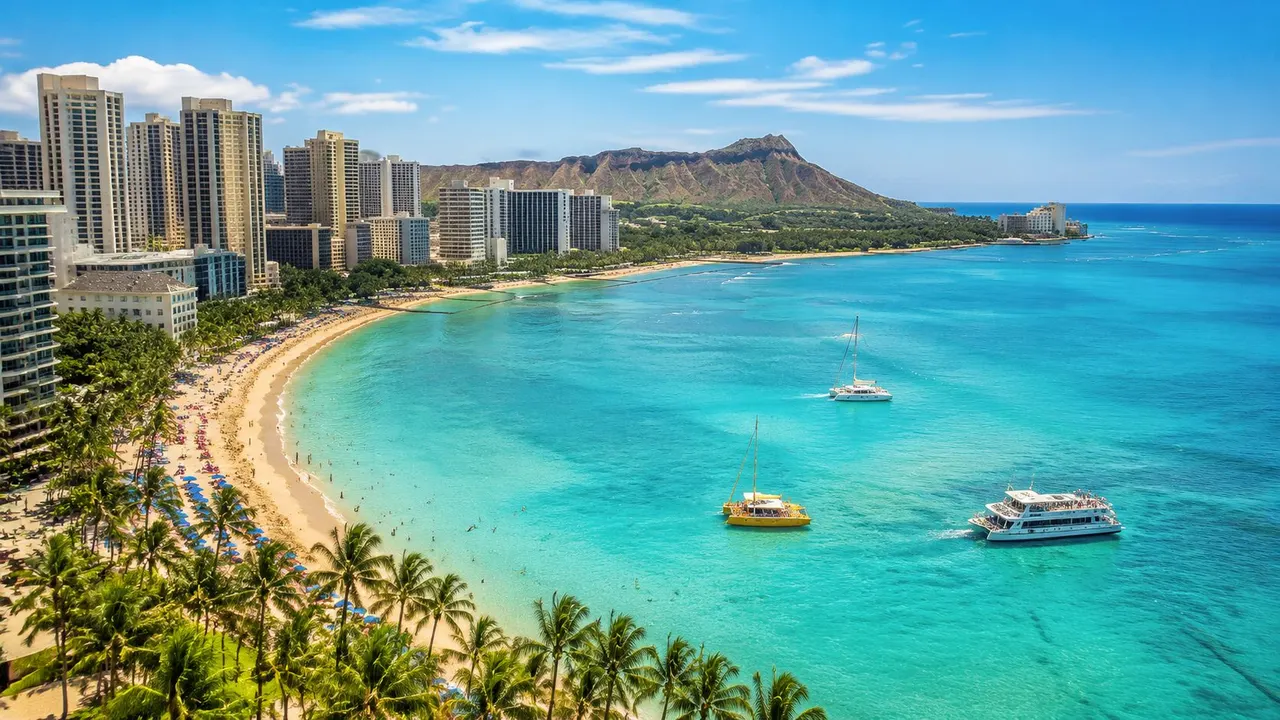
The short version is simple. Shore snorkeling in Waikiki can be pleasant, especially if you just want a casual dip. But the kind of snorkeling most visitors are hoping for, clearer water, healthier reef structure, and a better chance of seeing turtles, usually happens away from the busiest beach edge.
A good Waikiki snorkeling map helps make sense of this fast. Once you see where the reef zones, moorings, and offshore sites sit in relation to the beach, the tour boat pattern starts to click.
Most first-time visitors don't need more beach access. They need better site access.
That's the fundamental change. Waikiki is easy to enjoy from shore, but the stronger snorkel experience usually starts when you leave the shoreline behind and let a crew take you to a purpose-picked spot offshore. For families, that often means less guesswork. For beginners, it often means a calmer start. For anyone who wants to see the underwater side of Oahu instead of just floating in front of a hotel, it's usually the better call.
Why a Boat Tour Beats Shore Snorkeling in Waikiki
A guided boat trip wins on three things that matter most to first-time snorkelers: safety, water quality, and access.
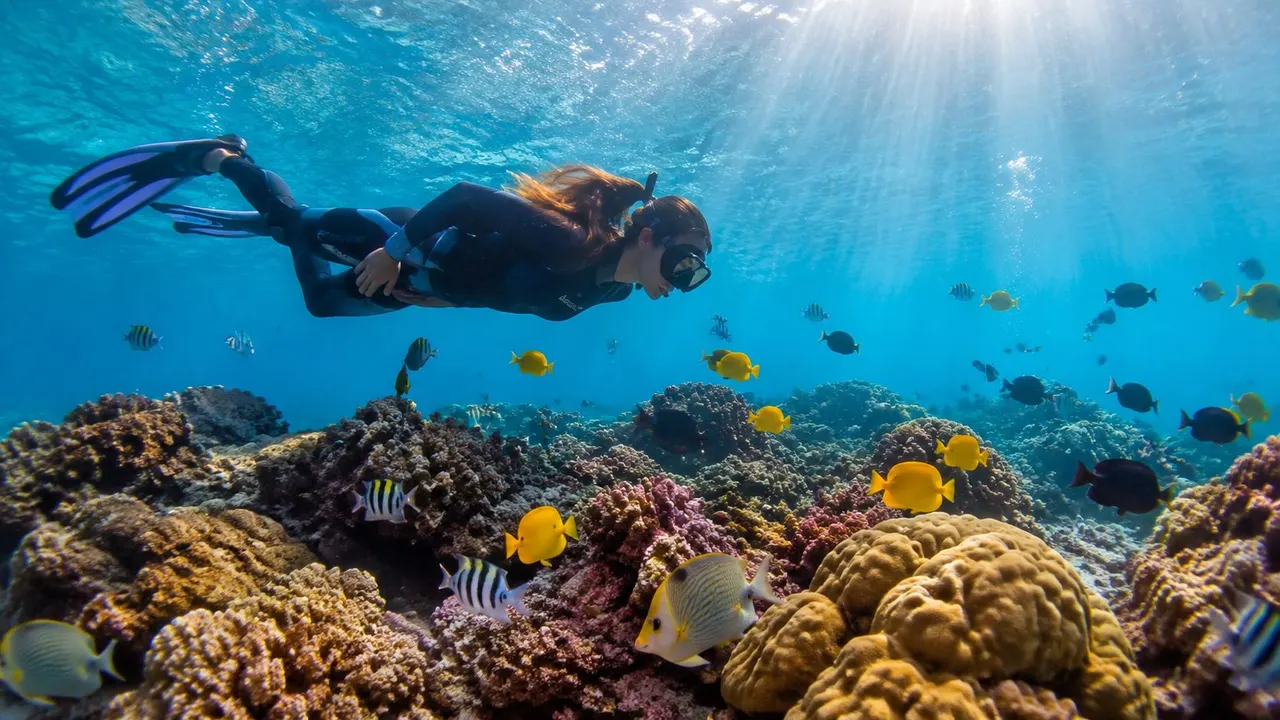
Safety comes first
The biggest reason isn't glamorous, but it's the one experienced crews care about most. Hawaii recorded an average of 45 tourist drownings per year between 2019 and 2023, with snorkeling as the leading cause, according to this Waikiki snorkeling safety overview. That's why guided trips matter. They typically provide flotation, supervision, instruction, and access to water away from some of the problems that catch people off guard near shore.
A lot of visitors assume beach entry is safer because land is right there. That's not always how it works. Near shore, people often deal with scattered swimmers, sandy entry, uneven confidence, and the temptation to push out farther than they should.
Offshore sites solve the right problems
The other reason boat tours work better is visibility. Beach-adjacent water gets churned up more easily. Offshore spots are chosen because operators know where the conditions are usually better for actual snorkeling, not just swimming.
That means:
- Less guesswork: The captain isn't dropping you in at random. The boat goes where the day makes sense.
- Better viewing: Offshore reef areas are often cleaner and more rewarding than crowded beach water.
- More support: You get a briefing before you enter instead of trying to sort out mask issues while already in the surf.
If you want a clear explanation of the trade-off, this comparison of Turtle Canyon vs Waikiki snorkeling is useful.
Practical rule: If someone in your group says, “I'm not a strong swimmer, but I still want to snorkel,” book the boat trip.
That doesn't mean shore snorkeling has no place. It can be fine for confident swimmers who already know how to use their gear and stay relaxed in open water. But for most vacationers, especially on a short trip, a guided boat excursion is the faster path to a safer and more satisfying day.
Discovering Turtle Canyons Oahu's Famous Snorkel Spot
If you're researching Waikiki snorkeling trips, this is likely the site you're asking about. Turtle Canyon is the name you hear over and over because it offers something rare in ocean activities: a wildlife encounter that's based on repeatable animal behavior, not just luck.
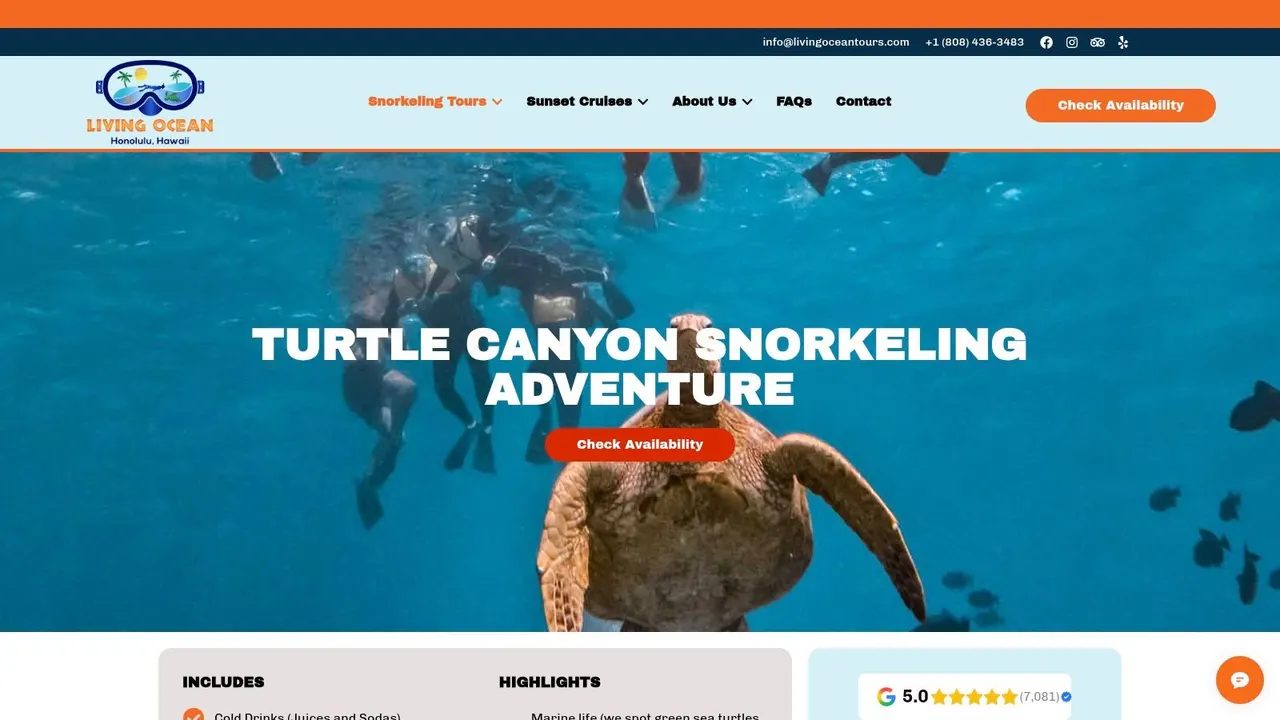
Why turtles gather here
Turtle Canyon is a shallow offshore reef where Hawaiian green sea turtles gather to have algae and parasites removed by reef fish. That cleaning-station behavior is what creates the reliable, concentrated turtle sightings visitors associate with the site, as described in this Turtle Canyon overview.
That matters because not all reef areas behave the same way. A generic reef may have fish and occasional turtle traffic. A cleaning station attracts turtles for a specific purpose. When you understand that, the value of a targeted boat trip becomes obvious.
A helpful local read on the site itself is this Turtle Canyon guide.
What the experience feels like
When conditions line up, the rhythm is pretty consistent. The boat ride out is short, the briefing sets the tone, and then you enter the water knowing what to watch for. Instead of kicking hard and hunting for marine life, the smarter move is to settle down, float well, and let the site work.
You're usually looking down into a shallow reef zone where turtles move in a calm, deliberate way. Reef fish circle the cleaning area. Snorkelers who stay relaxed tend to enjoy more because they're not chasing the encounter. They're observing it.
What works at Turtle Canyon:
- Floating first: Calm bodies see more than frantic swimmers.
- Soft kicking: Big splashes push you around and make it harder to hold your line.
- Listening to the guide: Positioning matters more here than effort.
What doesn't work:
- Trying to swim after a turtle
- Diving down for a closer photo
- Treating the site like a race to the front
The core product in this market is built around this exact kind of stop. Public Waikiki snorkel tours commonly package it as a 2-hour excursion, and one major listing shows a maximum group size of 25 with 93% of reviewers giving the tour 4 stars or higher, according to this Waikiki snorkel tour listing.
If turtle snorkeling is the main reason you're booking, a dedicated Turtle Canyons Snorkel Excursion is the format that makes the most sense.
Your Guide to Different Waikiki Boat Tours
Not every boat trip out of Waikiki is trying to do the same job. Some are built around turtle snorkeling. Some are better for families who want more onboard fun. Some are really about the cruise itself, with snorkeling as only part of the day.
Waikiki tour types at a glance
| Tour Type | Best For | Primary Activity | Typical Duration |
|---|---|---|---|
| Turtle Canyon snorkel tour | First-timers, turtle seekers, shorter outings | Guided snorkeling at Turtle Canyon | 2-hour standard format |
| Deluxe snorkel and wildlife cruise | Families, mixed ages, active kids | Snorkeling plus onboard water play | Varies by operator |
| Sunset cruise | Couples, groups, non-snorkelers | Scenic coastline cruise | Varies by operator |
| Whale watch | Winter visitors | Offshore wildlife viewing | Varies by operator |
How the common tour formats differ
The dedicated turtle snorkel trip is the cleanest option if your group has one main goal. Get on the boat, reach the reef, get instruction, snorkel, head back. That simplicity works well for visitors who don't want a long outing or too many moving parts.
The family-style wildlife cruise makes more sense when snorkeling is only one part of the fun. If you've got kids or a mixed-skill group, extra features can take pressure off the snorkel portion of the day. Someone can slide in, float, watch from the deck, or ease into the water instead of feeling like the whole outing depends on mask confidence.
For general Waikiki snorkeling trips, one option in that category is the Waikiki Snorkel Waterslide tour, which combines guided ocean time with more family-friendly onboard activity.
Living Ocean Tours is often mentioned by visitors looking for a broad range of Waikiki water excursions, including snorkeling, sunset cruises, and seasonal whale watching. The company operates from near Waikiki and offers both turtle-focused and family-oriented snorkel formats.
If your group wants social proof before booking, reviews matter a lot in this category because the experience depends on crew judgment, guest handling, and how smoothly beginners are brought into the water. In the broader Waikiki snorkel market, one major listing reports 93% of reviewers gave the tour 4 stars or higher, which is a strong sign that the standard public-tour format works well when the operation is run properly.
A few practical distinctions help:
- Choose turtle-focused tours if your priority is marine life and a shorter outing.
- Choose deluxe snorkel cruises if your group includes kids who need variety.
- Choose a sunset cruise if half your party doesn't care about snorkeling.
- Choose whale watching in season if your trip falls in winter and wildlife viewing matters more than getting in the water.
For sunset-focused visitors, you can compare the standard Waikiki sunset cruise with this Waikiki sunset cruise alternative.
How to Choose the Right Snorkel Trip for You
The right boat trip depends less on price or boat style and more on how your group behaves in the water. That's the part people skip. A family with two confident teens needs a different trip than grandparents traveling with nervous first-timers.
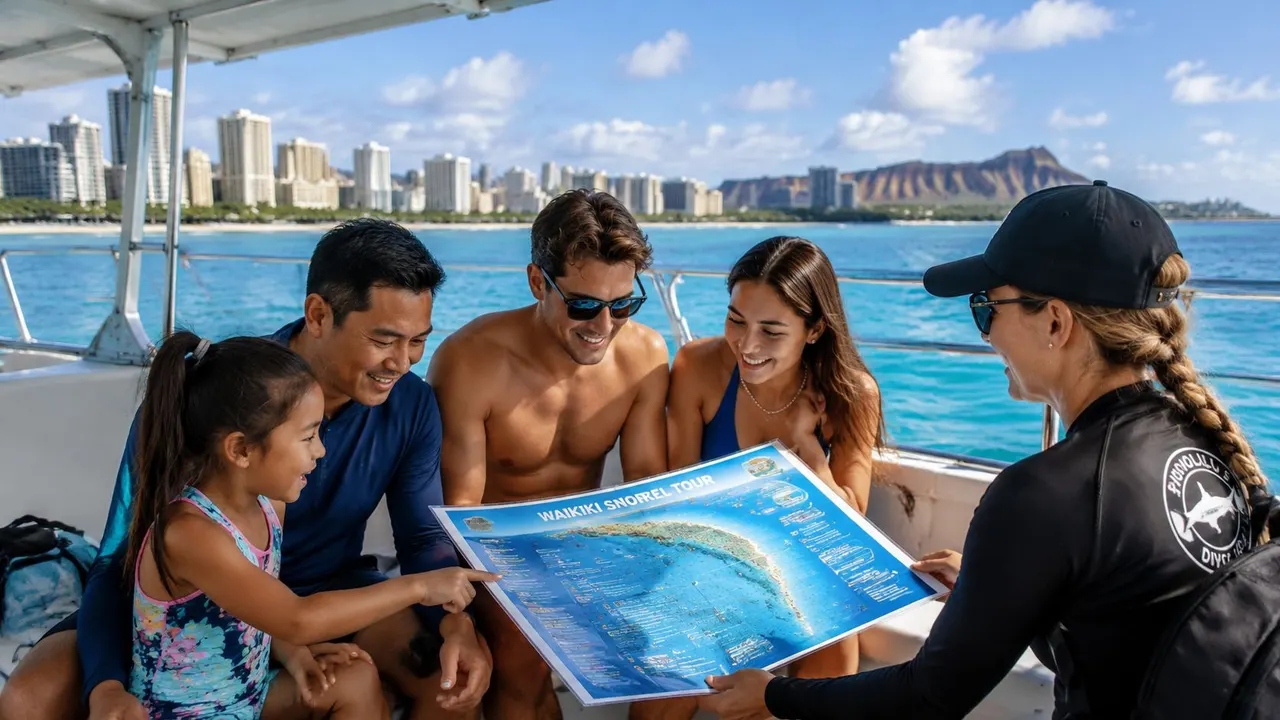
Families and mixed ages
If you've got kids, parents, and maybe one relative who prefers staying dry until they're sure, book a tour with flexibility. The best family outings give people different ways to participate. Some guests want to snorkel right away. Others need time on deck, a flotation aid, or a less serious atmosphere before they commit.
A broader Waikiki boat tour guide can help if you're comparing options beyond snorkeling.
Nervous beginners and non-swimmers
This group benefits the most from professional handling. Strong operators use a 1:6 guide-to-guest ratio on more supported trips and a float first technique so guests can settle into the water and maintain the required 10–15 foot distance from turtles without panic. That approach matters because beginners usually struggle less with breathing than with body position and anxiety.
If you can float calmly, you can usually enjoy the reef. If you panic and start chasing balance, everything gets harder.
That's why I usually steer nervous guests away from self-directed shore attempts. On a proper tour, the guide can correct small problems early, foggy mask, rushed breathing, stiff kicking, before they turn into a bad experience.
Couples and marine life fans
Couples often split into two categories. Some want the dedicated turtle snorkel because the wildlife encounter is the point. Others want a scenic ocean outing with a lighter activity feel, which makes sunset cruising the better choice.
For serious marine life fans, go with the trip that focuses the day around the reef stop instead of trying to do a little of everything. Focus usually beats variety when wildlife is your main reason for booking.
A simple way to decide:
- Book a turtle snorkel if the question is “Will we see turtles?”
- Book a deluxe wildlife cruise if the question is “Will the whole family stay entertained?”
- Book a sunset cruise if the question is “Do we want ocean views more than ocean time?”
Snorkeling Safely and Respectfully in Hawaii
Good snorkeling in Hawaii isn't just about what you see. It's about how you move through the water while you're seeing it. A calm, respectful snorkeler gets a better experience and leaves less impact behind.
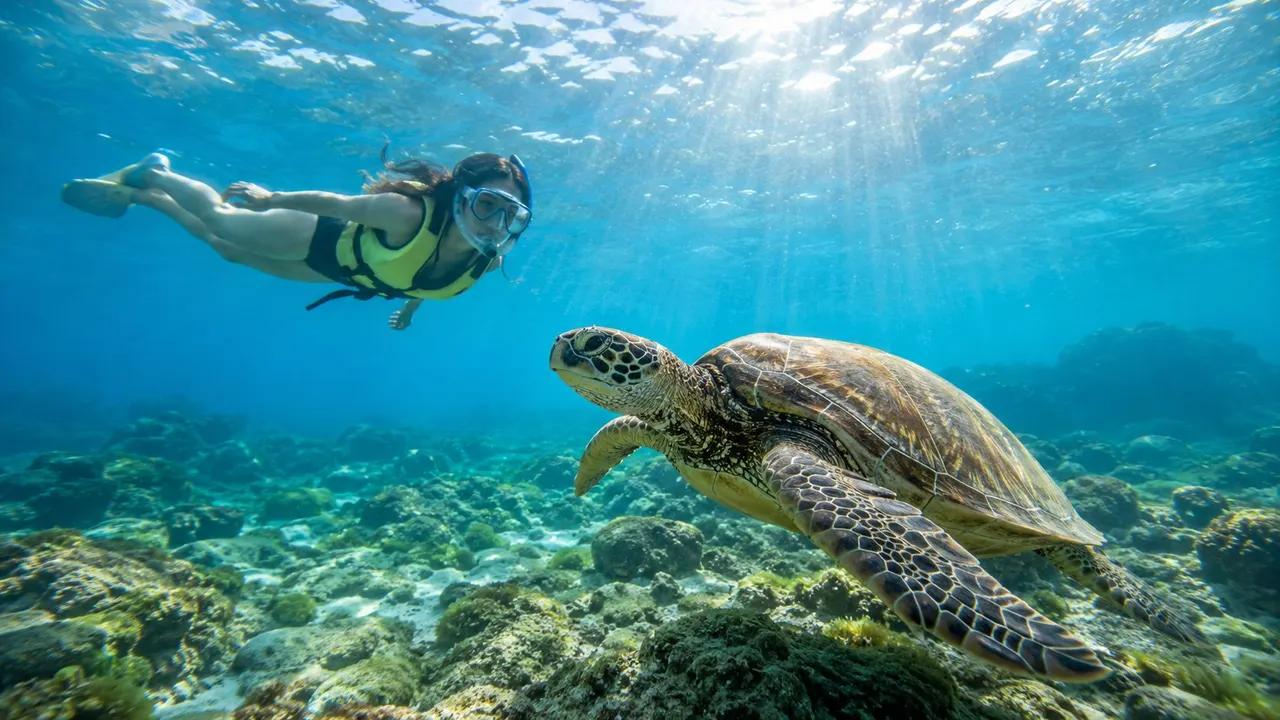
How to hold position near turtles
The rule that matters most for beginners is maintaining 10–15 feet of distance from Hawaiian green sea turtles. Many understand “don't touch.” Fewer know how to avoid drifting too close.
The trick is mechanical, not philosophical:
- Use your flotation aid: Let it support you before you start kicking.
- Face down and breathe slowly: Fast breathing often leads to rushed movement.
- Keep your fins or feet quiet: Hard kicks push you forward at the exact wrong moment.
- Stop early: If you think you're approaching too much, pause before the turtle has to react.
A thoughtful guide to Oahu reef etiquette is worth reading before you go.
Stay still more than you swim. That's how you avoid crowding wildlife and how you notice more.
Simple reef etiquette that matters
Respect in the water is mostly about restraint.
- Don't touch coral: Even light contact can damage it.
- Don't chase marine life: If you have to pursue it, you're already too close.
- Use reef-safe sunscreen: Protect your skin without adding unnecessary harm to the reef.
- Listen during the briefing: The small instructions are usually the ones that prevent trouble later.
Visitors sometimes think eco-rules make the trip feel restrictive. In practice, they make the experience calmer. People who float, observe, and give wildlife space usually leave the water happier than the guests who spend the whole snorkel trying to force the perfect encounter.
Your Trip Planner Booking Timing and Packing
Book the right time of day
If Turtle Canyon is your target, the most useful booking tip is time of day. The best window is between 8:30 AM and 10:30 AM, when conditions typically offer the calmest seas and 30–50 feet of visibility before afternoon trade winds build, based on the verified operator guidance provided in the brief.
That's the slot I'd give first-timers, families, and anyone who wants the easiest water to read. Afternoon outings can still be enjoyable, but morning usually gives you a better shot at the cleaner, calmer version of the site people hope for.
If you're visiting in winter and would rather stay dry while looking for larger wildlife, a Waikiki whale watching tour is the right seasonal pivot.
What to bring and what to leave behind
Keep your packing simple:
- Bring sun protection: Hat, cover-up, sunglasses, reef-safe sunscreen.
- Bring a towel and dry clothes: The ride back is better when you can warm up.
- Bring any personal medication: Especially if you know boats affect you.
- Bring a waterproof phone pouch only if you'll use it: Too much gear becomes clutter fast.
Leave valuables behind if you don't need them. On snorkel days, simple is better.
If you want one place to start, browse Living Ocean Tours for Waikiki snorkeling, turtle trips, sunset cruises, and seasonal whale watching. The right trip usually comes down to one question: do you want the easiest first snorkel, the most turtle-focused outing, or a boat day that keeps the whole family happy.


