
Waikiki Snorkeling Trips: Your 2026 Insider’s Guide
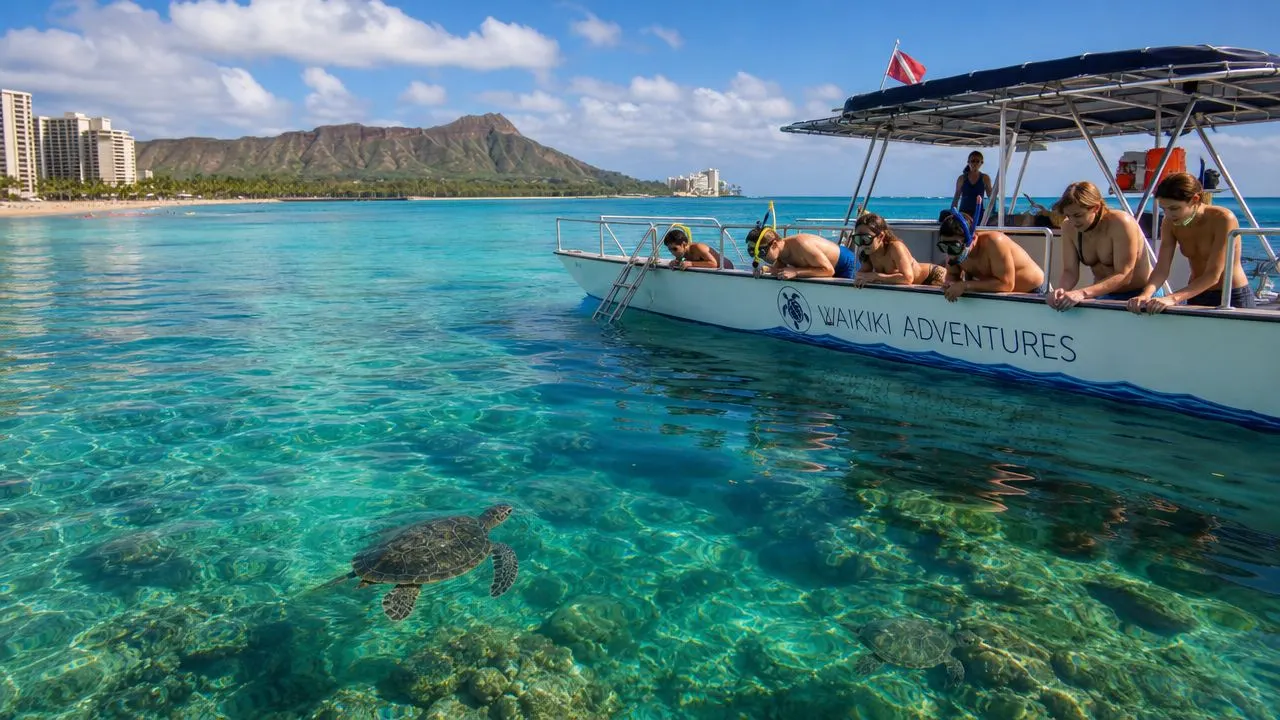
You're probably doing what a lot of Waikiki visitors do on day one. You stand on the beach, look out past the surf line, see Diamond Head in the distance, and wonder if the water out there is as good as it looks from shore. Then the practical questions show up fast. Is it safe for kids? What if someone in your group isn't a strong swimmer? Will you see turtles, or just spend the morning bobbing around offshore?
That's where Waikiki snorkeling trips make sense. The shoreline is beautiful, but the most reliable marine-life encounters off Waikiki happen at boat-access spots that crews return to again and again for a reason. If you want a feel for how the coast lays out before you book, this Waikiki snorkeling map helps connect the beach view with what's happening offshore.
A good guided trip does more than take you out to the reef. It cuts out guesswork, puts you with people who know the local conditions, and makes the whole experience much easier for first-timers, older family members, and nervous swimmers. That's the difference between hoping for a good day and setting yourself up for one.
An Ocean of Adventure Awaits in Waikiki
Waikiki has two versions of the ocean. There's the one everyone sees from the sand, with calm mornings, surf lessons, and postcard views. Then there's the offshore version, where the water opens up, the city drops behind you, and the reef feels like its own world.
That second version is often what travelers seek when searching for Waikiki snorkeling trips. They don't just want to get wet. They want to see something worth remembering, and they want to do it without spending the whole outing wondering if they picked the wrong spot.
For families, that usually means avoiding the trial-and-error approach. Loading up gear, finding a public access point, dealing with crowded nearshore water, and hoping everyone feels comfortable can turn into a lot of effort before the fun even starts. A boat trip changes the setup. Crew members handle the site selection, explain what's going on in the water, and keep the group focused on the experience instead of the logistics.
Why boat access changes the day
The biggest advantage isn't just convenience. It's precision.
Guides don't head offshore at random. They work around known reef zones, typical water movement, and the kinds of conditions that make snorkeling enjoyable for mixed-ability groups. That matters if you've got one child who can't wait to jump in, one adult who's nervous, and one grandparent who wants a smooth ride and clear instructions.
Practical rule: The easiest snorkel days usually come from the least complicated plan. Let the crew handle the reef. Save your energy for the water.
The result is simple. You spend less time figuring things out and more time seeing why Waikiki remains one of the island's easiest places to start an ocean day.
How to Choose Your Perfect Waikiki Boat Trip
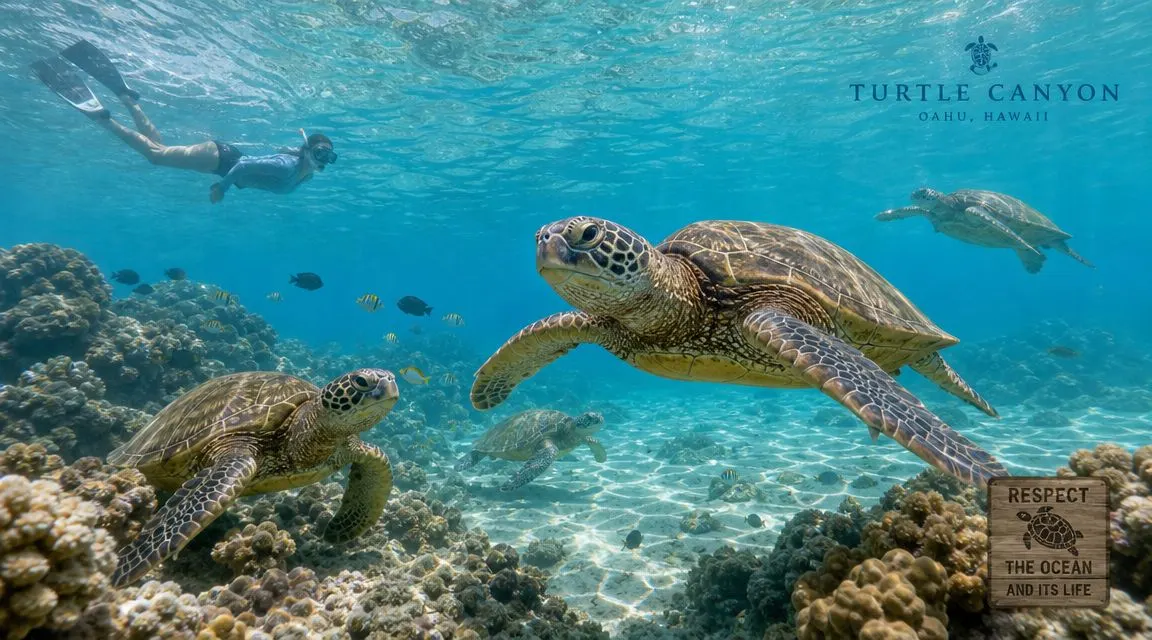
A family of five steps aboard with three different goals. One person wants turtles. One child wants something fun the whole time, not just during the swim. One adult is already worried about getting in the water.
That is usually how real trip planning works.
The right choice starts with comfort level, not brochure language. If you want a broad comparison first, this guide to boat tours in Waikiki gives a helpful overview. After that, narrow the options by asking two practical questions. How much time does your group want in the water, and how much support will the least-confident person need?
What each trip is really for
Here's the useful breakdown:
| Trip type | Best for | What stands out |
|---|---|---|
| Turtle-focused snorkel trip | First-timers, turtle-focused visitors, families who want a simple plan | Clear marine-life focus and a straightforward snorkel format |
| Deluxe snorkel cruise with extra onboard features | Families, mixed-age groups, guests who want more than one activity | Snorkeling plus built-in entertainment for kids and non-snorkelers |
| Sunset cruise | Couples, friend groups, visitors who want scenery over swim time | Relaxed pace, coastline views, no swim setup |
| Waikiki sunset cruise alternative | Travelers comparing sunset-only options | Another dedicated evening option |
| Private charter | Birthdays, reunions, company outings, groups wanting privacy | More control over pace, guest list, and overall feel |
For anxious first-timers, the biggest difference is whether the trip expects you to already feel confident in the water. Some outings are geared toward guests who want to jump right in and explore. Others give more room for a slower start, more crew guidance, and a better setup for families managing different comfort levels.
We tell guests to choose based on the person who is most hesitant, not the strongest swimmer in the group.
A quick way to decide
Pick the turtle-focused snorkel trip if your main goal is marine life and your group wants a shorter, more direct outing.
Pick the deluxe snorkel cruise if you have kids, mixed ages, or anyone who may snorkel for a bit and then want another way to enjoy the boat. That format often works better for families because the day does not depend on every person loving snorkeling equally.
Pick the sunset cruise if your group wants ocean time without masks, fins, or swim nerves. After a full beach day, that lower-effort option can be the smarter call.
Private charters make sense when your group wants flexibility. They also help if you have grandparents, small kids, or a special occasion and want the pace to match your group instead of a standard departure.
Some groups book the wrong trip because they focus on the destination and ignore the onboard experience. A better question is, “Will everyone in our group feel relaxed enough to enjoy this version of the day?”
A Deep Dive into Turtle Canyon Oahu's Premier Snorkel Spot
A lot of guests step on the boat excited to see turtles, then ask the question they were holding back. Will I be able to do this if I am nervous in the water?
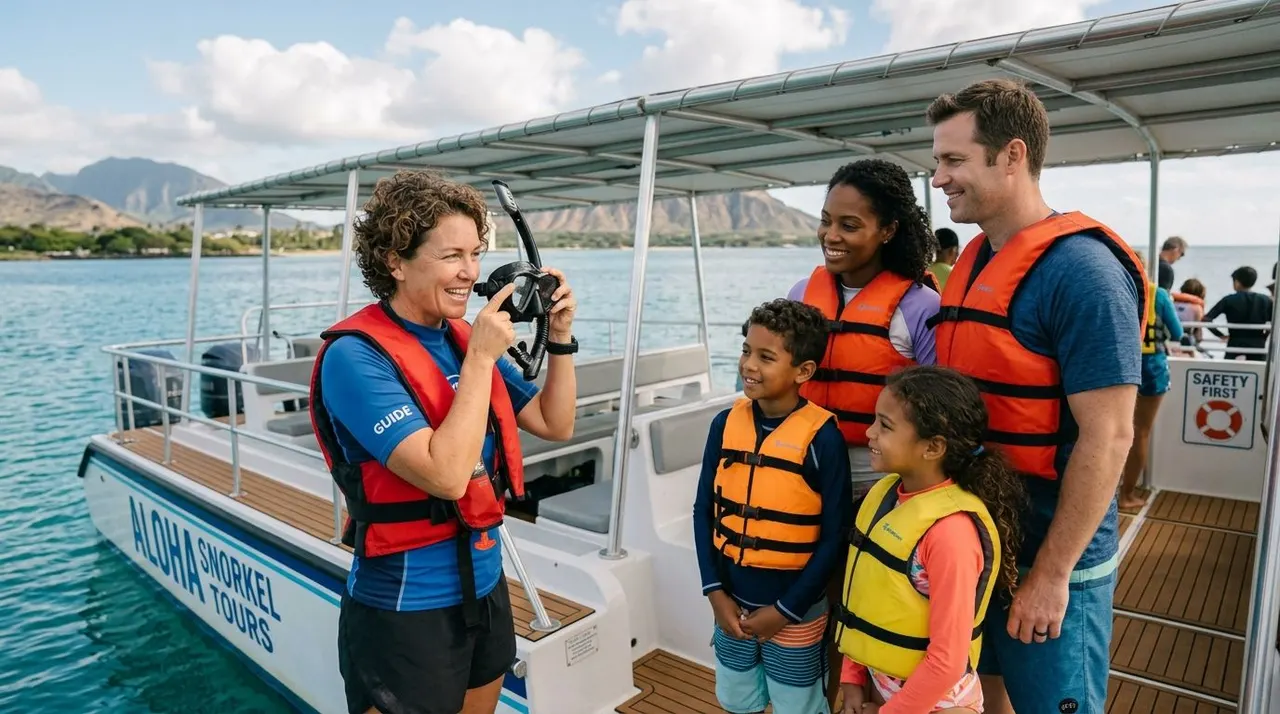
Turtle Canyon works well for that kind of guest because the site itself helps simplify the experience. It is a natural turtle cleaning station where Hawaiian green sea turtles gather while reef fish pick algae and parasites from their shells. That repeat animal behavior is why crews keep returning here, and why snorkelers often get a better viewing experience than they would over a random stretch of reef. Water visibility is often good enough to clearly see the activity below, which helps first-timers relax because they can understand what they are looking at instead of staring into open blue water. For a local site-specific overview, see this guide to Turtle Canyon on Oahu.
The practical advantage is predictability.
From a captain's point of view, Turtle Canyon gives guides a defined area to brief, monitor, and support. Guests are not being sent out to cover distance or chase wildlife. They can stay near the group, get comfortable with the mask and snorkel, and still have a real chance to see turtles below them. For families, that matters. One parent can focus on a child or hesitant swimmer without feeling like the whole group has to keep moving.
Why Turtle Canyon is such a strong beginner spot
Anxious first-timers usually do better in places with a clear objective and visible structure. Turtle Canyon provides both.
- Turtles use the area regularly. The site is known for turtle activity, so the trip feels purposeful from the start.
- The reef gives people something to look at right away. That helps calm the common fear of floating over water that feels too deep or empty.
- Guides can keep the group tighter. A more contained snorkel zone is easier for crew to supervise and easier for beginners to follow.
- Shorter boat access helps families. Less transit time often means less waiting around for kids and less buildup of nerves for adults.
That does not mean every guest instantly feels confident. Some people need extra time at the ladder. Some need flotation support and a slower start. A good Turtle Canyon trip accounts for that instead of assuming everyone is ready the second they hit the water.
What the experience usually feels like
The run from Waikiki is typically short, which helps set the tone. Guests get oriented on the boat, ask questions, and see the snorkel area before getting in. Once they enter the water, they are usually looking down at a reef environment with fish movement, coral structure, and often turtles passing through below.
For non-swimmers and cautious snorkelers, that visual feedback matters more than people realize. Seeing the reef beneath you can make floating feel more controlled. It gives your brain a reference point. We have watched plenty of hesitant guests go from gripping the flotation hard for the first minute to calmly watching turtles by the end of the stop.
That is why Turtle Canyon has become the signature snorkel site for so many Waikiki visitors. It is not just about what lives there. It is about how accessible the experience can feel when the location, crew support, and group pacing all work together.
Your Guide to a Safe and Fun Snorkel Adventure
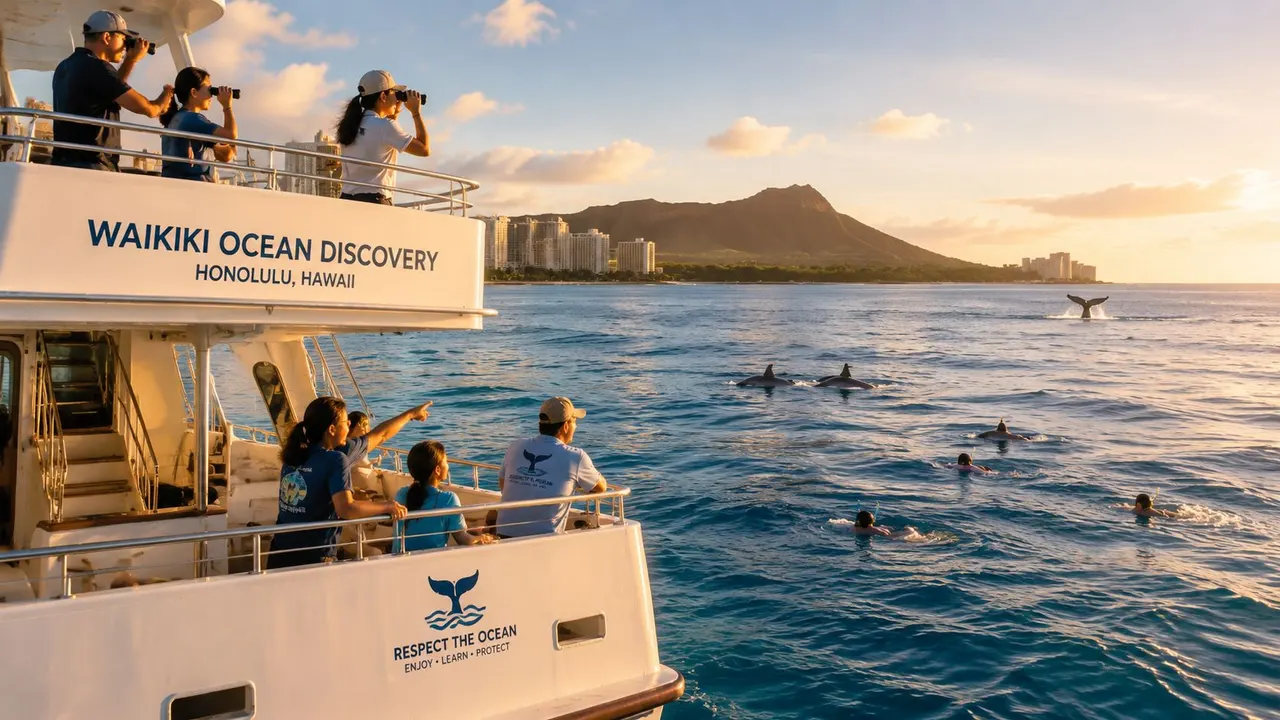
The biggest mistake anxious first-timers make is thinking snorkeling starts when you jump in. It starts earlier, with setup. If your mask fits, your body is floating comfortably, and you know the first few steps, the ocean feels a lot friendlier.
We see this all the time with families. The strong swimmer in the group thinks everyone will be fine. The nervous person smiles on the boat and then freezes at the ladder. That doesn't mean they can't do it. It means they need a better entry process.
The method that helps beginners settle in
For beginners and non-swimmers, structured support matters more than bravado. The approach we rely on is simple: float first, then breathe, then look down. That progression, along with guide support, proper mask fit, and buoyancy, is what helps first-timers manage anxiety and enjoy the experience instead of fighting it (non-swimmer snorkeling guidance).
Here's how that works in plain terms:
- Float first
Don't rush the face-in-water part. Hold position, feel the flotation support, and let your body settle. - Then breathe
Take slow breaths through the snorkel before you try moving anywhere. Most panic starts when people try to swim before they trust the breathing rhythm. - Then look down
Once breathing feels normal, lower your gaze and start taking in the reef. That's usually the moment nerves drop.
Start with comfort, not performance. Nobody wins a prize for being first in the water.
Gear choices that matter
The best snorkel gear for beginners isn't the flashiest gear. It's the gear that fits.
A leaky mask can ruin confidence in two minutes. A properly fitted mask can make a shaky guest feel capable almost immediately. That's why mask fitting matters so much on guided trips. The same goes for flotation devices. They aren't just for weak swimmers. They let people conserve energy, relax their kicking, and stay focused on what they came to see.
One question we get often is about full-face masks. The practical answer is no. Standard mask-and-snorkel setups are the better choice when guides are helping people learn in a controlled way. They're easier to fit correctly, easier to coach, and easier to troubleshoot if someone feels uncertain.
Simple habits that make the water easier
Once you're floating well, small technique changes do more than big effort. Keep these in mind:
- Use short kicks: Big splashing kicks waste energy and make people feel out of control.
- Keep your head steady: Looking around too fast can break the seal on your mask.
- Pause when needed: If you feel rushed, stop moving and reset your breathing.
- Stay near the guide: New snorkelers do better when they have a nearby reference point.
For families, the smartest move is to frame the snorkel as a calm float with fish, not a swim workout. Kids usually follow the emotional tone of the adults. If the adults act relaxed, the whole group settles faster.
Respect for the reef is part of safety too. Good habits in the water protect both your group and the animals you came to see. This guide to Oahu reef etiquette is worth reading before your trip.
Best Times to Go and Respectful Wildlife Viewing
Timing your trip
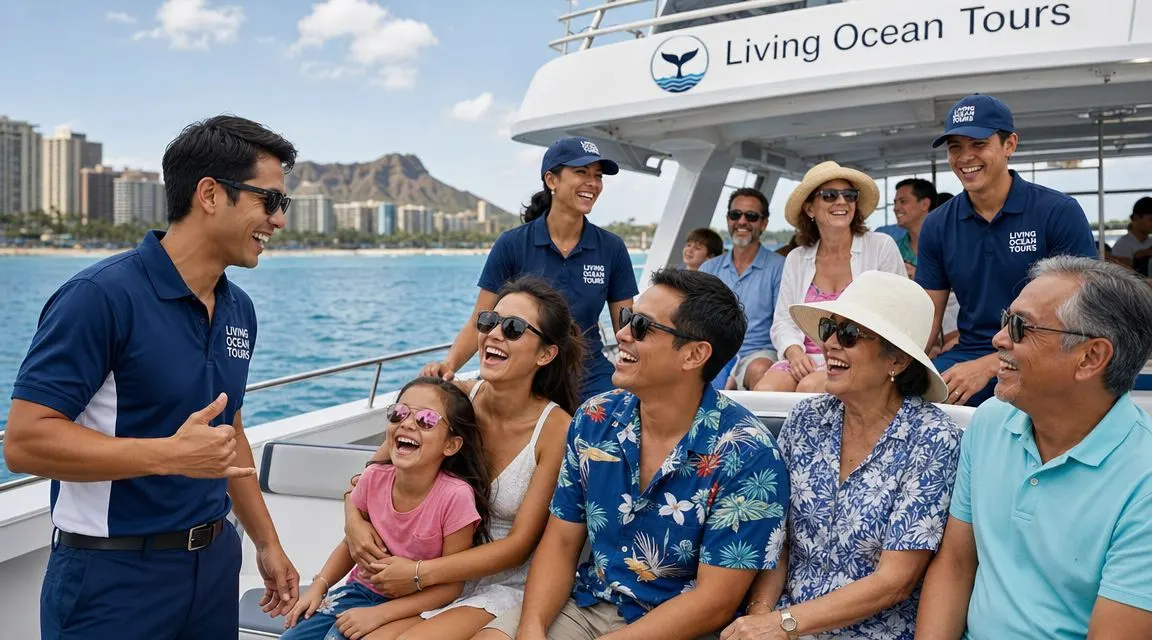
A good day for snorkeling usually starts before anyone gets in the water. Families with young kids and first-timers tend to do better on morning trips, when people are fresh, the boat ride feels easier, and the group has time to learn the gear without feeling rushed. If someone in your group is nervous, booking earlier in the day also leaves room to relax afterward instead of squeezing the trip between other plans.
Waikiki makes trip planning easier than a destination with a short snorkel season. Guided tours run regularly, so visitors can choose a day that fits their comfort level and schedule instead of forcing the whole vacation around one narrow window.
Winter adds one more factor. Humpback whales pass through Hawaii in season, so a boat trip can occasionally include more than just reef life. If your main goal is whale watching rather than snorkeling, the dedicated Waikiki whale watch tour is the better fit.
How to watch wildlife the right way
The calmest guests usually get the best turtle sightings.
Sea turtles are used to sharing the water with people at Turtle Canyon, but that does not mean they want company up close. The right approach is simple. Float, watch, and let the animal set the distance. On our trips, we remind guests that chasing a turtle almost always ruins the encounter. It stresses the animal, scatters the group, and usually gives you a worse view anyway.
A guide helps a lot here, especially for non-swimmers and anxious snorkelers. Instead of worrying about where to go, you can keep your body still, breathe slowly, and follow clear direction while we manage spacing around the wildlife.
Use these rules in the water:
- Look without reaching: Touching turtles or reef life is off limits.
- Stay out of their lane: Give turtles room to surface, turn, and swim past.
- Keep your kicks small: Controlled finning protects the reef and the people around you.
- Follow guide instructions right away: Wildlife movement changes quickly, and spacing matters.
For families, this is often the difference between a chaotic first snorkel and a calm one. Kids usually mirror what the adults do. If the adults stay patient and quiet in the water, the wildlife stays closer and the whole experience feels easier.
Before your trip, read our guide to respectful Turtle Canyon wildlife viewing. It explains the local rules and the small habits that help protect turtles while giving your group a better experience.
Why Living Ocean Tours Is Oahu's Top Choice
A lot of guests reach this point with the same concern. They are not asking which boat sounds flashy. They want to know who will help their kid get comfortable in a mask, who will stay calm with a nervous swimmer, and who will keep the morning organized once the shoreline drops away behind them.
That is the difference between operators.
Living Ocean Tours has earned a large base of positive guest reviews over time, but reviews only matter if they reflect the parts that shape your day on the water. Clear safety briefings. Crew members who can explain snorkeling in plain language. A trip plan that works for first-timers instead of assuming everyone already knows what to do.
What visitors usually need
Families and anxious beginners usually do better on a trip with a simple plan. Short boat ride. Clear instructions. Good support in the water. Enough structure that nobody feels rushed or left behind.
We see that play out all the time. Confident swimmers want freedom, but new snorkelers usually need a crew that sets expectations before anyone steps off the boat. That includes how to wear the gear, how to breathe through the snorkel without panicking, where to enter, and when to stay with a float instead of trying to swim independently right away.
Living Ocean Tours offers two different trip styles for that reason. One centers the day on turtle snorkeling. The other gives families more of a mixed boat day with extra onboard fun. Neither is automatically better. The better choice depends on whether your group wants a focused snorkel session or more variety between time in the water.
Choosing the trip that fits your group
A turtle-focused snorkel works well for guests who want one main objective and a crew-led experience from start to finish. That setup is often the easiest choice for first-timers because the day stays simple.
A broader family snorkel cruise works better for groups with mixed attention spans. Kids who are excited about the boat itself, or adults who want some swim time without making snorkeling the whole event, usually enjoy that format more.
If someone in your group is anxious, keep the decision practical. Pick the trip with the least pressure, the clearest coaching, and the fewest moving parts. That usually leads to a better first experience than booking the busiest option and hoping everyone adjusts on the fly.
Living Ocean Tours is a strong place to start if your goal is a Waikiki ocean day that feels well-run, approachable, and realistic for beginners. For families, that often matters more than any sales pitch. A calm crew, clear instruction, and the right pace can turn a hesitant first snorkel into the part of the trip everyone talks about later.


