
Waikiki Snorkeling: What to Do If a Fin Slips Off
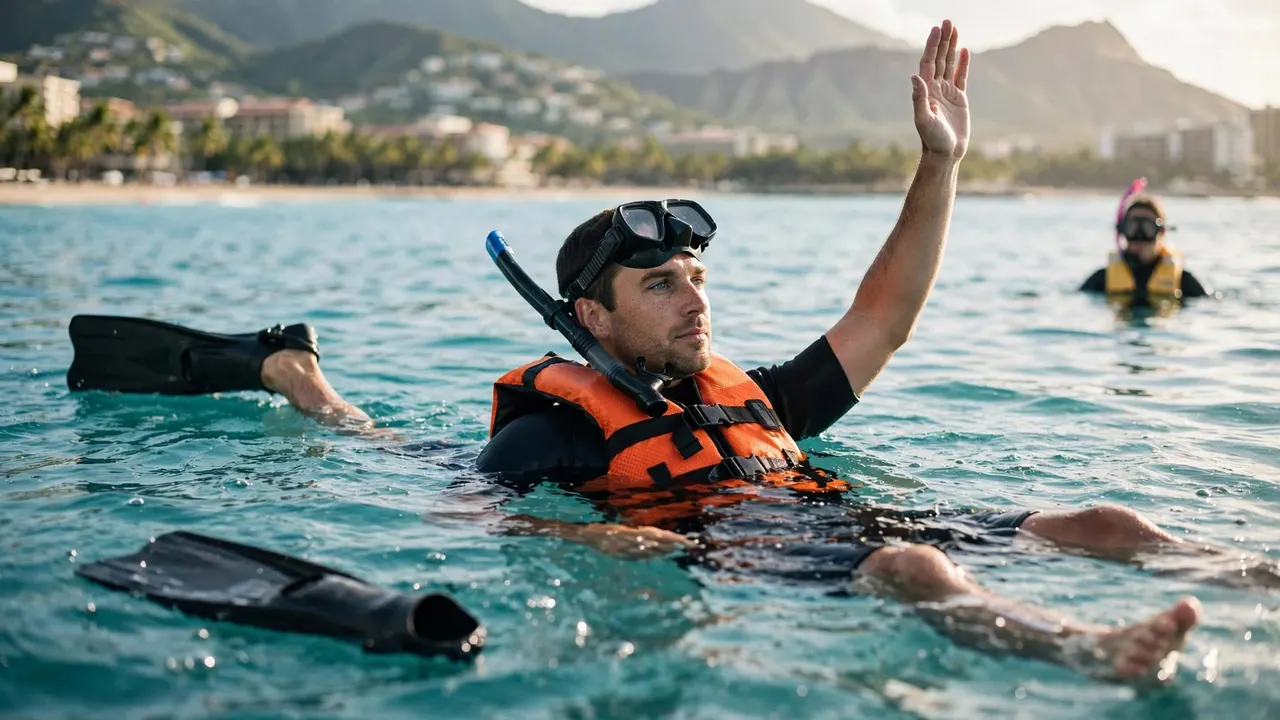
If a fin slips off during Waikiki snorkeling, stop chasing it, keep your airway clear, and signal your buddy or guide. Your safety comes before the equipment.
At Living Ocean Tours, we want you to feel comfortable asking for help, even when a problem seems small. A lost fin can interrupt your swim, but a calm response gives you time to get support and return safely.
What to Do First When a Fin Comes Off
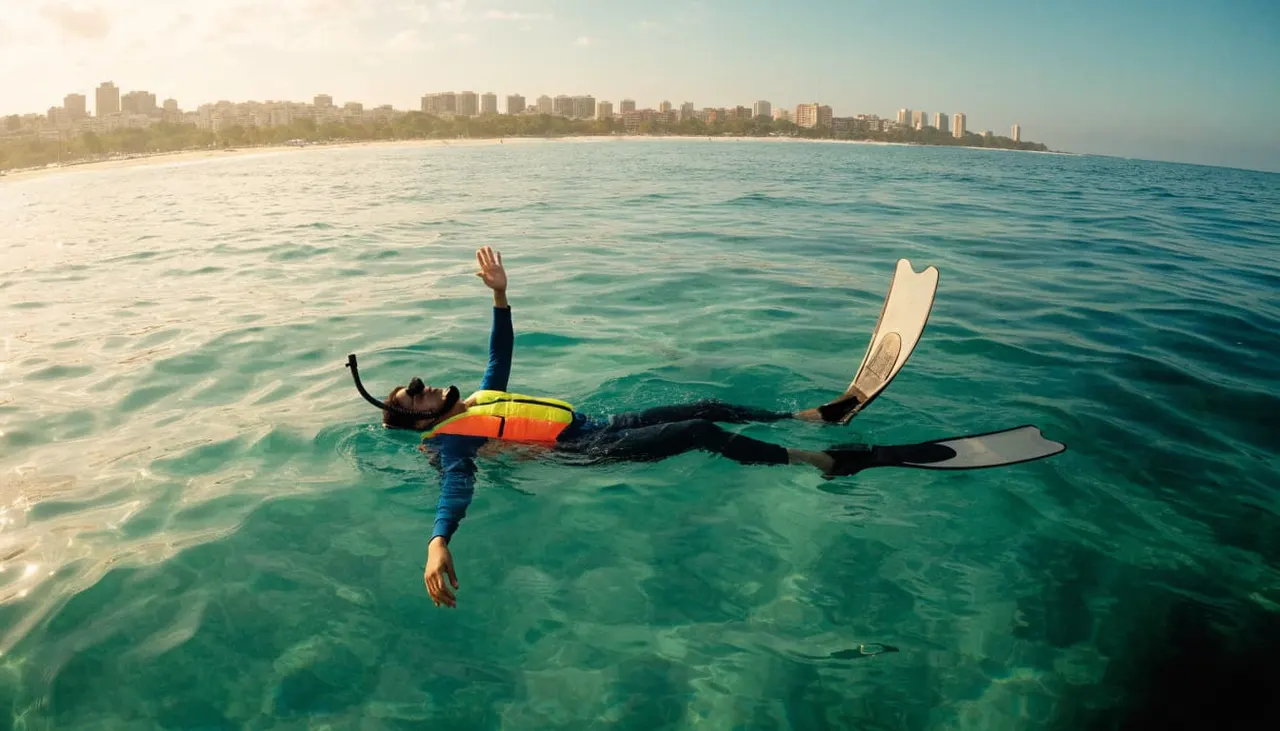
Pause and keep your face above water
Stop snorkeling and take your mouthpiece out so you can breathe normally. Use your flotation support as instructed, or float on your back if you can do so comfortably.
Take a moment to locate your buddy, guide, and the boat or shore. Avoid frantic kicking, which can tire you and make it harder to communicate.
If you can’t stay afloat comfortably, call out and signal for help immediately. You don’t need to wait until the situation feels serious.
Get someone’s attention
Tell your buddy or guide that your fin has come off. Use the help signal explained before your swim, and call out if you need to. If you haven’t agreed on a signal, raise an arm and wave when you’re able.
Stay with your buddy while you wait for assistance. Your buddy can alert the crew or a lifeguard without leaving you alone.
Hawaii Ocean Safety’s snorkeling guidance recommends preparing your equipment and always snorkeling with a buddy. Both habits matter when you need help away from the entry point.
Should You Go After the Lost Fin?
Leave it if you would have to chase it
A drifting fin can move farther away while you’re deciding what to do. Don’t swim after it, dive for it, or separate from your buddy to retrieve it. Ask for help instead.
If the fin remains within easy reach and you’re stable at the surface, you can tell your guide where it is. Let the guide decide what happens next. A fin is replaceable; your energy and attention belong to your safe return.
Skip adjustments when you feel unsteady
Even if your fin is close by, trying to manage it while you feel tired or anxious can distract you from breathing and staying afloat. Keep your face clear of the water and ask for assistance.
Waves, other swimmers, and shallow reef can make a seemingly simple adjustment harder. You can deal with equipment once you’re in a suitable place with help nearby.
Return to the Boat or Shore With Help
Follow your guide’s instructions
On a boat trip, tell the in-water guide or crew that you need help returning. Follow their directions rather than setting off on your own. They can account for your position and direct you toward the appropriate exit.
Keep the boat and your buddy in view while you wait. If you become tired, cold, or uncomfortable, say so. An update helps the crew respond to what you need at that moment.
Once you reach the boat, follow the crew’s ladder instructions and wait until it’s your turn to board. If you need assistance getting out of the water, ask before you approach the ladder.
At the beach, alert a lifeguard
If you’re snorkeling from shore, ask your buddy to alert a lifeguard where one is available. Tell the lifeguard where you are and whether you’re having trouble staying afloat.
Don’t assume every section of beach has a lifeguard on duty. Before entering, identify your exit and look for a staffed lifeguard station. Queen’s Health Systems’ water safety advice recommends snorkeling at a lifeguarded beach and staying within arm’s reach of your buddy.
If you’re drifting, struggling, or unsure how to return, call for help rather than making an exhausting attempt to reach shore.
Know When a Lost Fin Is an Emergency
Breathing trouble needs prompt attention
A loose fin is an equipment problem. Breathing difficulty, chest discomfort, dizziness, or unusual fatigue requires a more urgent response.
Stop snorkeling, keep your airway above water, and signal for help. Leave the water with assistance and seek immediate medical help for persistent coughing, chest discomfort, or unusual shortness of breath. In an emergency, have someone call 911.
Don’t return to the water after unexplained breathing trouble. If you have a heart or lung condition, discuss snorkeling with your clinician before your trip.
Help a buddy without creating another emergency
If your buddy loses a fin, stay close enough to communicate and alert the guide, crew, or lifeguard. Reassure your buddy and encourage them to keep their face above water.
Avoid attempting a rescue beyond your ability. If you can’t assist without putting yourself at risk, call for trained help and direct responders to your buddy’s location. Keep watching them while help arrives.
A child or nervous swimmer may need support sooner than an experienced adult. Tell the crew as soon as you notice a problem rather than waiting for your buddy to ask.
Keep Your Distance From Coral and Wildlife
A lost fin can draw your attention away from what’s below you. During Waikiki snorkeling, stay aware of the reef while you pause and wait for help.
Don’t stand on coral or grab it for balance. Coral is living habitat, and contact can harm it. If the water becomes too shallow, tell your guide and follow their directions toward an appropriate route.
Give Hawaiian green sea turtles and other wildlife room to move. Watch without touching, chasing, or blocking them. A fin or a wildlife sighting is never a reason to leave your buddy or move into water that feels unsafe.
Prevent a Fin From Slipping Off
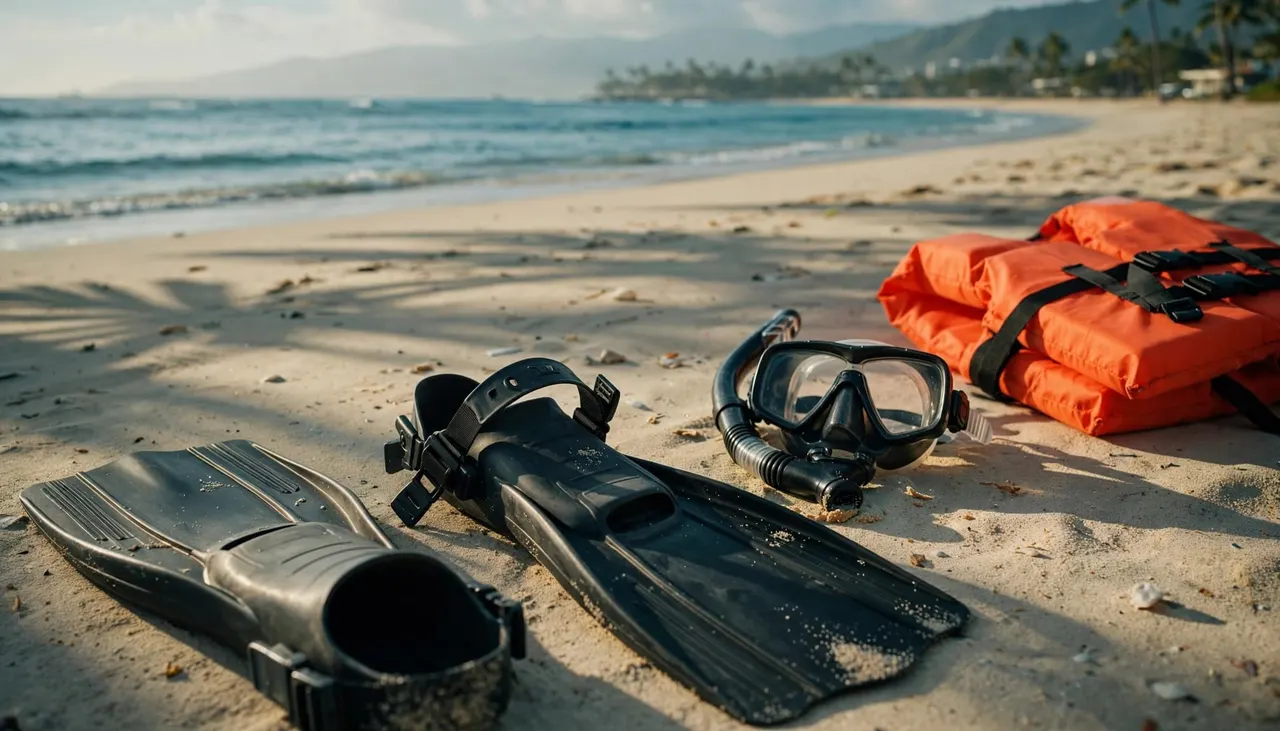
Find a comfortable fit before entry
Try both fins before you get in. They should feel secure without painfully squeezing your feet. If a fin slips at your heel or rubs, ask for another size rather than accepting discomfort for the whole swim.
If you’re using adjustable fins, ask the crew to show you how the straps work. Take a moment to familiarize yourself with the buckles while you’re still aboard or on shore.
Parents can help children test their fit before entering. A child who feels uncomfortable in their gear should tell an adult or guide right away.
Look over your equipment
Inspect fin straps and blades for visible damage, and ask for different equipment if something doesn’t feel right. Sand inside a foot pocket can also make a fin uncomfortable, so rinse it out before your swim.
Check your mask and snorkel at the same time. If you’re unfamiliar with any piece of gear, request a demonstration. You can use flotation support as directed, but it doesn’t replace swimming ability or remove ocean hazards.
Make a Plan Before Your Waikiki Snorkeling Swim
A brief conversation with your buddy can make an equipment problem easier to handle. Agree to stay close, identify your entry and exit, and decide how you’ll get each other’s attention.
On a boat, listen to the briefing about swimming boundaries, help signals, and the return ladder. Tell the crew if you’re new to snorkeling, concerned about your fin fit, or unsure about the day’s conditions.
For a shore swim, choose conditions that match your ability. If you can’t judge the water confidently or can’t identify a comfortable exit, postpone your swim or ask a lifeguard for guidance.
Keep some energy in reserve and return before you’re tired. You can also end your swim whenever you feel uncomfortable, even if everyone else wants to stay in longer.
Get In-Water Support With Living Ocean Tours
Our guided Waikiki snorkeling trips depart from Kewalo Basin Boat Harbor near Waikiki. We’re the only Waikiki tour company with professional snorkel guides, including guides in the water with you.
You can ask our crew for help with equipment, flotation, or a nervous first float. We provide instruction and snorkeling gear, and you can tell a guide whenever something doesn’t feel right.
On our Turtle Canyon Snorkel Tour, you’ll visit a reef area known for Hawaiian green sea turtles. The trip lasts approximately two hours, with about one hour of snorkeling time. You can also enjoy the view from the boat if you decide not to enter the water.
To plan your turtle snorkeling outing, CHECK AVAILABILITY.
Common Questions About Losing a Snorkel Fin
Can you keep snorkeling after a fin comes off?
Pause your swim and tell your buddy or guide first. If you feel tired, anxious, or unsteady, return with assistance rather than continuing. Your guide can help you decide what to do with the equipment once you’re in a suitable place.
What if your fin sinks near the reef?
Leave it where it is and alert your guide. Don’t dive after it or touch coral while trying to reach it. Your safe return takes priority over retrieving gear.
Should you signal for help if you aren’t in immediate danger?
Yes. Asking early gives your buddy or guide time to assist before you become tired or separated. You never need to be embarrassed about reporting a loose fin, an uncomfortable mask, or a swim that no longer feels manageable.
Put Your Safety Before Your Fin
A missing fin doesn’t have to spoil your Waikiki snorkeling outing. Pause, keep your airway clear, and let your buddy or guide know what happened.
Your best next step is to ask for help early and follow the return instructions. You can enjoy the ocean more comfortably when you know you don’t have to handle a problem alone.


