
Waikiki snorkeling: How Reefs Reduce Wave Energy
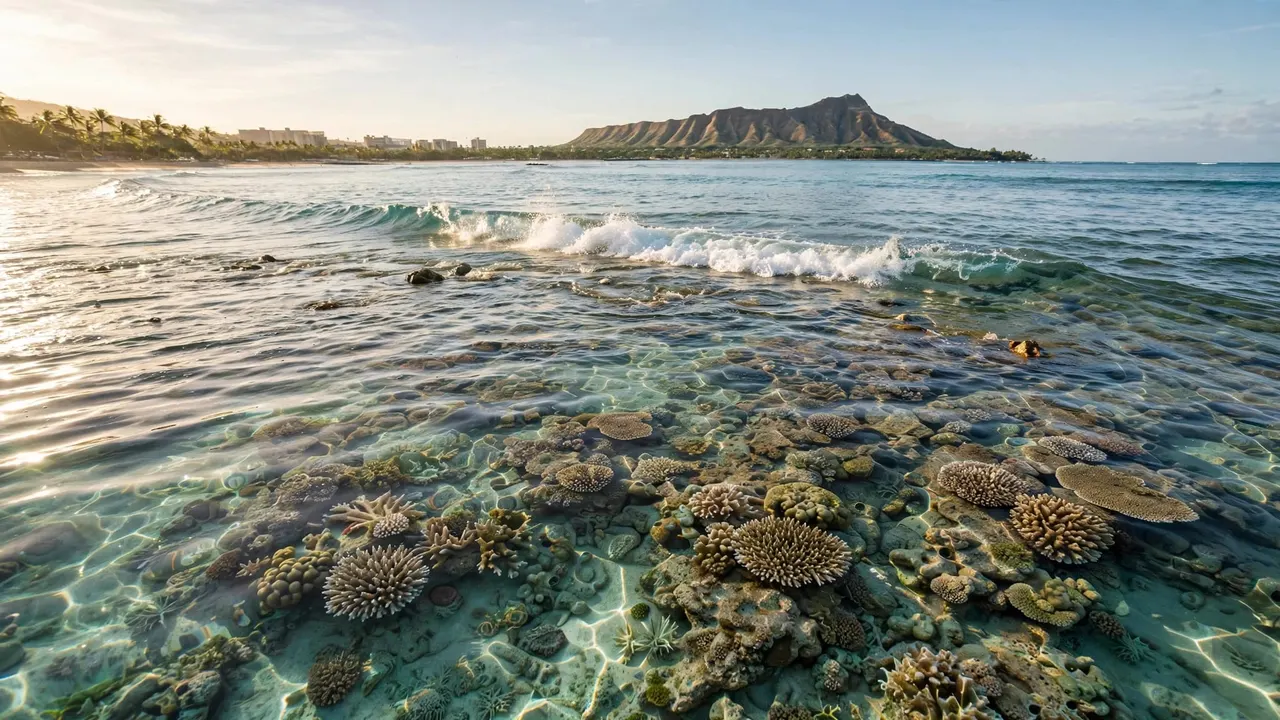
Waikiki snorkeling brings you above a natural coastal defense: shallow reefs make waves break and dissipate energy before they reach the beach. Their wave-buffering role helps explain why water closer to shore can feel gentler, even while surfers ride breaking waves farther out.
However, reduced wave energy doesn’t mean current-free water or guaranteed visibility. Before your ocean adventure with Living Ocean Tours, understanding how reefs shape the water helps you appreciate the scenery and recognize conditions that deserve caution.
Key Takeaways
- Shallow reef crests trigger wave breaking, while rough reef surfaces dissipate additional energy through friction.
- Reef depth, shape, and condition influence coastal protection, so every snorkeling location responds differently to incoming swell.
- During Waikiki snorkeling, calm-looking water still requires good judgment, a buddy, and plenty of space above coral.
How Reefs Shape Your Waikiki snorkeling Conditions
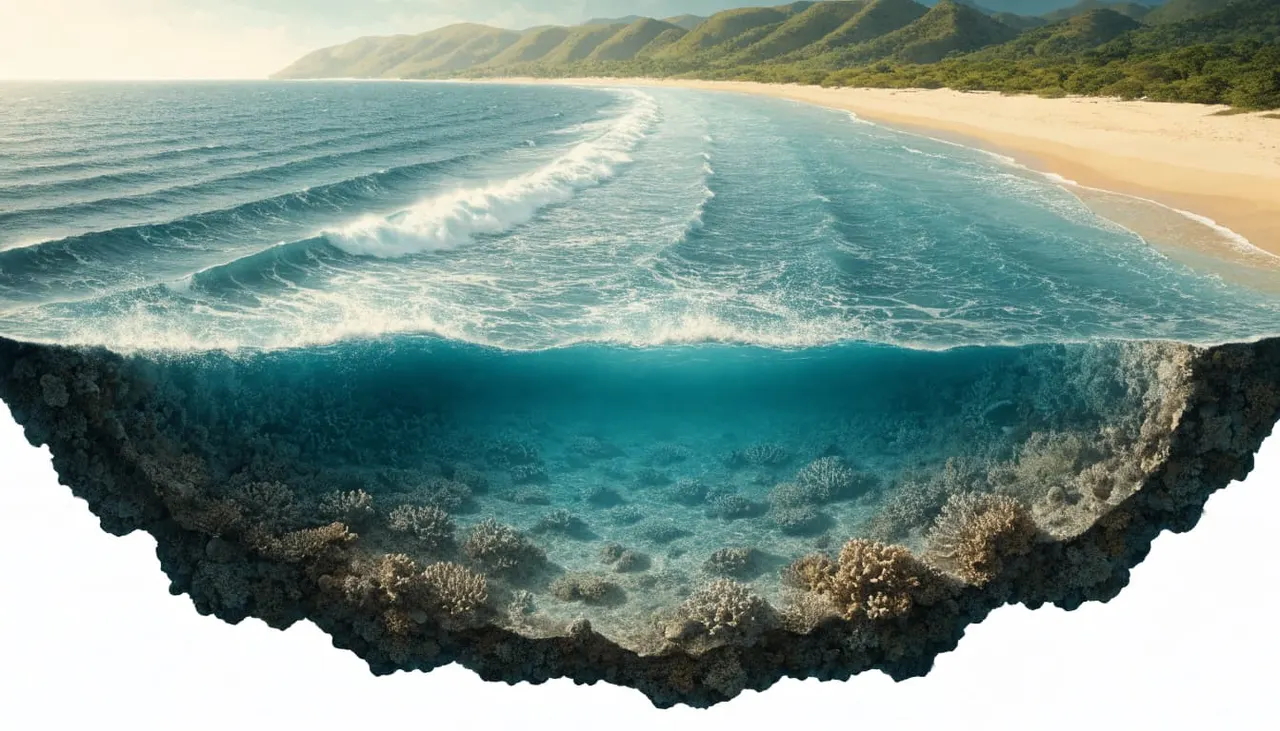
Shallow reef crests make waves break
As an ocean wave reaches shallower water, its interaction with the bottom changes. The wave slows, steepens, and can break over the reef crest.
That breaking releases part of the wave’s organized energy as turbulence. Consequently, less energy continues toward the shoreline as unbroken waves.
NOAA describes shallow reefs as natural submerged breakwaters. Unlike a solid seawall, a reef spreads this effect across an underwater surface with varying depths and contours.
From the beach, you may notice whitewater along an offshore reef while smaller waves reach the sand. That visible contrast is one expression of wave-energy loss.
Rough reef surfaces add friction
Wave breaking does much of the work, but the reef’s texture also matters. Moving water encounters coral formations, rocky ridges, and uneven surfaces.
These obstacles create friction and turbulence, which dissipate more energy. A broad, shallow reef gives water more bottom surface to interact with before reaching shore.
However, the reef doesn’t stop the ocean. Water continues moving over and around it, and channels can concentrate that flow.
For your snorkeling experience, the useful distinction is between smaller waves and still water. A reef can produce the first without providing the second.
Why Reef Shape and Health Matter
Depth changes how much protection you receive
A reef’s effect depends partly on the amount of water above it. At higher water levels, waves can cross sections that would cause more breaking in shallower conditions.
Meanwhile, incoming wave height and direction determine where the strongest breaking occurs. Therefore, the same stretch of coastline can feel different across tides and swell events.
Your view from shore captures only part of that system. A sheltered-looking patch may sit beside a channel where water moves more quickly.
Reef width matters too. A wider shallow area gives waves more distance over which to lose energy through breaking and bottom friction.
Structural complexity supports coastal protection
Healthy reef structure contributes more than scenery for your underwater photos. Its uneven surface helps resist moving water.
A 2018 reef-structure study found that structural complexity provides important coastal protection. Continued reef degradation can allow larger waves to reach coastlines and increase erosion.
Living coral helps build and maintain reef structure over time. Yet losing living coral and losing the physical reef framework aren’t identical events.
That distinction matters: ecological damage can weaken the reef’s future even before its underwater shape visibly changes. Protecting coral today supports the structure that future visitors and coastal communities will depend on.
What Smaller Waves Mean for Your Snorkel
Gentler surface motion can improve comfort
When a reef reduces incoming wave energy, you may find it easier to float, breathe through your snorkel, and watch fish.
Less surface movement can also make keeping your mask clear more comfortable. For beginners, that breathing room helps you focus on technique rather than reacting to every splash.
Still, visibility depends on more than wave size. Sand, runoff, sunlight, and plankton can change what you see underwater.
As a result, a quiet surface doesn’t promise clear views. Likewise, a sunny day doesn’t tell you how much sediment is suspended below it.
Currents can remain strong behind breaking waves
Water crossing a reef must continue moving somewhere. It can flow alongshore or return offshore through gaps and channels.
Those movements explain why you shouldn’t use the absence of breaking waves as your only safety test.
A reef can reduce wave energy while a nearby channel carries water offshore. Smaller waves don’t tell you which direction you’ll drift.
During Waikiki snorkeling, stay within your planned swimming area and remain aware of your position. If you’re on a guided outing, follow the crew’s boundaries rather than pursuing fish beyond the group.
Separate Natural Reefs From Waikiki’s Breakwaters
Some sheltered water along Waikiki owes part of its calm appearance to built structures. Kuhio Beach’s enclosed swimming areas, for example, have offshore walls that interrupt incoming waves.
A natural reef and an engineered breakwater can both reduce wave action, but they work differently. Reef habitat extends across an uneven living and rocky surface. A constructed wall presents a more concentrated barrier.
This difference matters when choosing your experience. A protected swimming enclosure isn’t automatically a coral-rich snorkeling destination, and an offshore reef isn’t automatically sheltered.
Near Kaimana Beach and Queen’s Beach, shore access puts you close to reef habitat. However, your entry, exit, and swimming route still depend on the actual ocean conditions.
Boat-access sites offer a different approach because you enter from a vessel near the selected reef. You still swim in open water, but you don’t have to cross an unfamiliar shoreline entry to reach the habitat.
For families, match the outing to swimming confidence rather than choosing solely by proximity to your hotel.
Recognize Conditions That Call for Staying Dry
A good Waikiki snorkeling day starts with suitable water, not a fixed clock time. Mornings can have lighter winds, but an early departure doesn’t cancel a swell or runoff event.
Stay out when you see strong shorebreak, repeated whitewater across your intended swimming area, or brown water entering the ocean. Heavy rainfall can reduce visibility and carry contaminants into coastal water.
A simple waiting period after rain doesn’t establish that the ocean is suitable again. Water clarity and runoff effects vary with the storm and location.
If you enter from shore, use a sandy route and identify your exit before swimming away. Avoid climbing across living coral or entering through a channel with obvious moving water.
On a boat trip, follow the crew’s decision about where and when to enter. Their assessment includes the reef, boat traffic, and the group’s abilities.
Also, speak up early if your mask leaks or you feel tired, cold, or anxious. Comfortable equipment and timely help are more useful than pushing through discomfort.
Protect the Reef That Protects the Coast
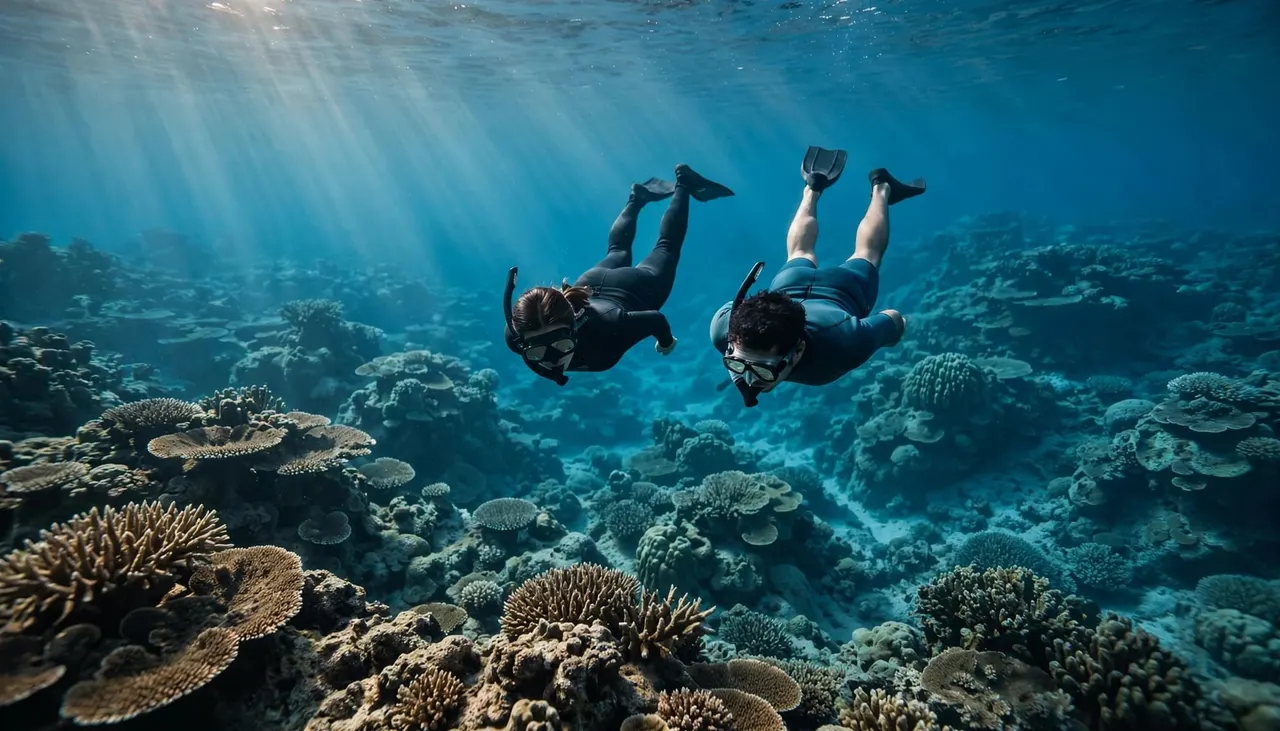
Keep enough clearance that your fins won’t strike coral when a wave passes. If the water feels too shallow, move toward your designated swimming area instead of standing on the reef.
Although coral looks like rock, its living surface can suffer damage from contact. Resting your weight on it also risks cuts and lost balance.
A rash guard reduces exposed skin and how much sunscreen you need. However, a sunscreen label doesn’t replace careful behavior around coral.
When wildlife appears, let it choose the distance. NOAA’s Hawaii wildlife-viewing guidelines advise observing from a distance and never touching, chasing, or feeding marine animals.
At a turtle cleaning station, give turtles room to surface and return to the reef. Avoid surrounding them for a photograph.
Meanwhile, look beyond the largest animals. Watching one reef patch for 20 to 30 seconds can reveal small fish tucked beside ledges. Stay aware of your group while you pause.
Explore With Our Professional Snorkel Guides
At Living Ocean Tours, we’re the only tour company with professional snorkel guides. You receive guidance during your Waikiki snorkeling experience, with gear and support that help first-time snorkelers feel more comfortable.
We depart from Kewalo Basin Boat Harbor, minutes from Waikiki. Our guided snorkeling tours let you explore offshore habitat without planning an unfamiliar beach entry yourself.
For a turtle-focused outing, our Turtle Canyon Snorkel Tour visits a natural cleaning-station area. Small reef fish clean Hawaiian green sea turtles while you observe without touching or interrupting them.
The two-hour excursion welcomes guests ages 3 and older. However, participation still depends on suitable conditions and following crew instructions.
When you’re ready to plan your turtle outing, CHECK AVAILABILITY for your preferred date.
Frequently Asked Questions
Do reefs make Waikiki snorkeling safe for beginners?
Reefs can reduce wave energy, but they don’t remove currents, changing weather, or equipment problems. As a beginner, you benefit from suitable conditions, well-fitting gear, a buddy, and professional guidance. Tell your guide about your swimming confidence before entering.
Does clearer water mean weaker currents?
No. Visibility describes how well you can see underwater, not how quickly water moves. Clear water can still have strong flow, while murky water may hide hazards. Judge clarity and water movement separately rather than treating one as proof of the other.
Can you stand on the reef to rest?
You shouldn’t stand on coral. Contact can damage living tissue and cause injuries. Instead, use your provided flotation as instructed, signal your guide, or return to the designated exit when you need a break.
Enjoy the Reef With Greater Awareness
Your Waikiki snorkeling experience becomes richer when you recognize the reef’s coastal protection role. The same underwater structure that shelters fish also helps dissipate incoming wave energy.
Choose suitable conditions, respect your swimming limits, and keep clear of coral and wildlife. You can explore our ocean tour options with that understanding, ready to appreciate both the marine life and the reef beneath you.


