
Waikiki Snorkeling Without Crowded Swim Zones
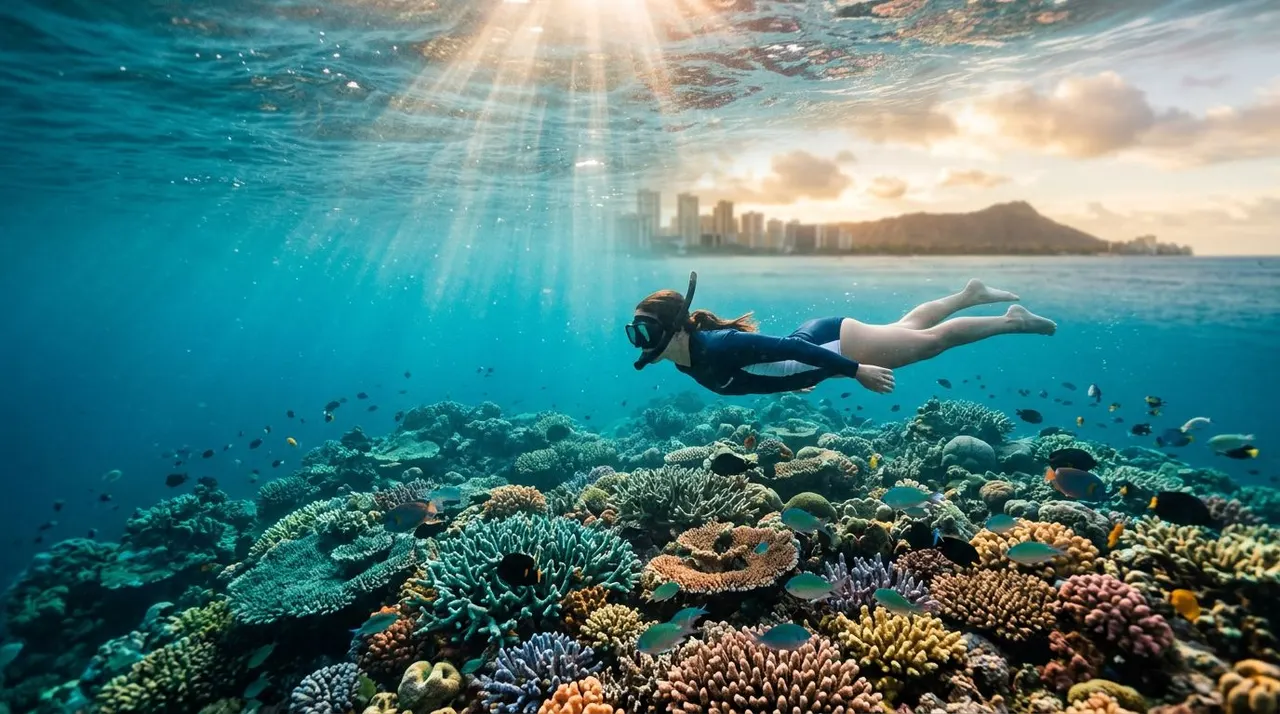
A busy shoreline can make Waikiki snorkeling feel more like navigating a pool than exploring the Pacific. You can avoid much of that congestion by choosing the right time, entering the water carefully, and booking a boat that reaches reefs beyond the busiest beach areas.
The best experience depends on more than finding clear water. You also need safe conditions, enough space to move comfortably, and guides who understand local marine life. Start by learning where crowds gather and when they are easiest to avoid.
Why Waikiki’s Swim Zones Get Crowded
Waikiki’s shoreline attracts swimmers, paddleboarders, surfers, families, and snorkelers throughout the day. Popular beach entrances concentrate people in the same shallow areas, especially when visitors want easy access from the sand.
Beach access brings more swimmers
Central Waikiki is convenient, so many visitors begin snorkeling directly from the beach. That convenience also creates crowding around shoreline entry points, rental kiosks, ladders, and marked swimming areas.
You may encounter limited visibility when swimmers stir the sand. Fins and floating devices can also make a shallow swim zone feel tight. Stay outside marked boat channels and follow posted instructions from lifeguards. If you need to walk through a crowded area, carry your fins until you reach deeper water.
The busiest hours are usually predictable
Crowds often build after breakfast and continue through the afternoon. Families arrive for a full beach day, while hotel guests make their way to the water after morning activities.
Early starts can give you more room and calmer surface conditions. Weekdays may also feel less congested than weekends, although weather and tour schedules affect the water each day. Check the forecast before leaving your hotel, and remember that low crowd levels don’t replace good judgment about waves, current, or visibility.
How to Plan Waikiki Snorkeling Around Crowds
A small change to your schedule can make a noticeable difference. Plan your water time before the beach fills, or choose a guided departure that takes you away from the shoreline traffic.
Start early when conditions allow
Morning snorkeling often gives you better space around the beach and less activity in the shallows. You can also enjoy a cooler walk to the water before the strongest midday sun.
Bring your mask, fins, water, and reef-conscious sunscreen before you leave. Preparing on the sand helps you spend less time blocking a busy entry point. Once you reach the water, move steadily to your chosen area rather than stopping in a narrow channel.
Early access isn’t a guarantee of perfect visibility. Rain, wind, swell, and recent beach activity can change conditions. Ask a lifeguard or local guide whether the area is suitable before you enter.
Avoid peak days at heavily visited sites
Hanauma Bay is a well-known snorkeling destination, but it has its own reservation system and visitor limits. The official Hanauma Bay reservation information explains that admission reservations can open two days before your visit.
That system can help manage visitors, but it doesn’t mean the bay will feel private. If your priority is avoiding a packed swim zone, compare the expected beach traffic with a boat-based trip from Honolulu Harbor. You may prefer a reef experience where your group isn’t sharing a narrow shoreline entry.
Choose a Better Place to Enter the Water
The right access point depends on your swimming ability, the day’s conditions, and how much space you want around your group. Shore snorkeling can work well when you stay near lifeguarded areas and accept that conditions may change. A boat provides more flexibility and removes the need to compete for room at the beach.
Shore snorkeling requires extra awareness
When you snorkel from Waikiki Beach, stay in shallow water only if you can manage the conditions comfortably. Waves can push you toward coral, rocks, or other swimmers. A flotation device can help beginners conserve energy, but you still need to understand how to move safely through the water.
Keep your group together without forming a wide line across the swim area. Leave room for swimmers and paddlers, and don’t rest on a reef when you need a break. Move to sand or return to shore instead.
If water entry feels difficult, choose a guided trip with a stable boarding ladder and crew support. Beginners shouldn’t have to guess where to enter or how to find the reef.
A boat can take you beyond the beach crowd
A Waikiki snorkeling boat lets you bypass packed shoreline access and reach a selected reef by water. Your crew can assess the conditions, explain the entry point, and help you enter without rushing.
This option also gives you more room to spread out. You can focus on floating calmly, watching fish, and looking for turtles instead of monitoring every nearby swimmer. A professional guide can point out wildlife while helping your group maintain a respectful distance.
Waikiki snorkeling with Living Ocean Tours
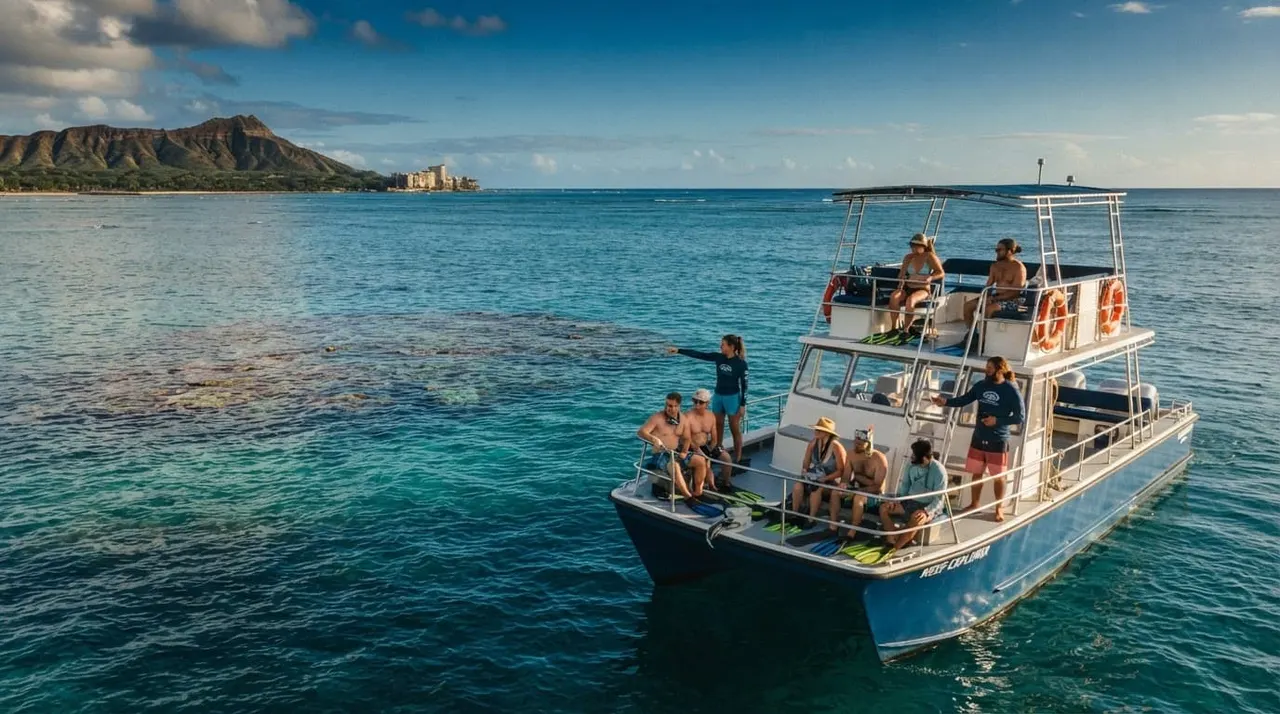
Living Ocean Tours departs from Kewalo Basin Boat Harbor, just minutes from Waikiki Beach in Honolulu. The location gives you a convenient starting point without adding a long drive to the North Shore or another island coastline.
Living Ocean Tours is the only tour company with professional snorkel guides. The crew helps first-time snorkelers, families, and confident swimmers enjoy the water with clear instructions and personal support.
The Coast Guard-inspected fleet includes the Coral Kai and Lokahi, custom-built double-decker vessels with shaded seating, restrooms, dry storage, and sturdy ladders. The Lokahi also has a SeaKeeper stabilization system, which helps reduce rolling and makes the ride more comfortable for guests who are concerned about seasickness.
You can browse Living Ocean Tours excursions to compare snorkeling and wildlife experiences along the Waikiki coast.
Visit Turtle Canyons with professional guidance
The Turtle Canyons Snorkel Excursion takes you to a natural underwater cleaning station known for Hawaiian green sea turtle sightings. Living Ocean Tours reports a 95% success rate for spotting turtles on this experience, although wildlife sightings can never be guaranteed.
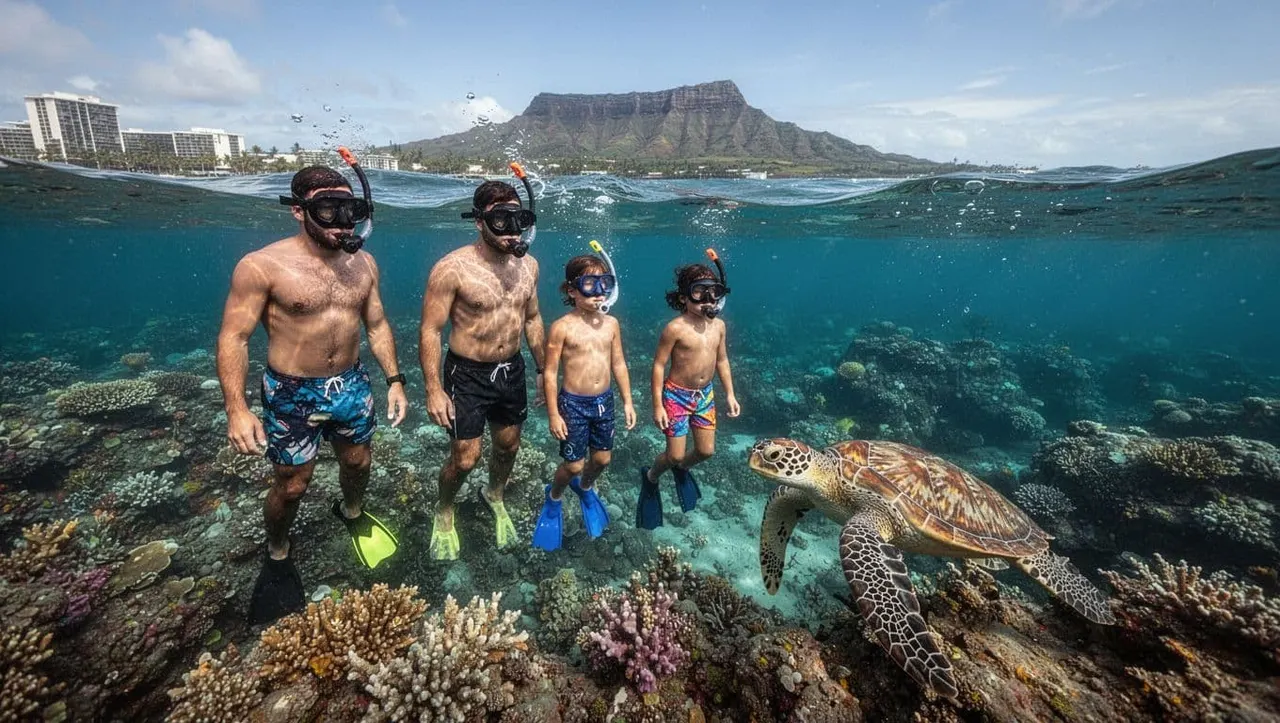
A guided visit also helps you avoid crowding around a single animal. Your snorkel guide can explain where to position yourself, keep the group moving safely, and remind everyone to observe rather than touch. NOAA recommends staying at least 10 feet, or 3 meters, away from sea turtles in Hawaii. Follow that distance even when a turtle swims closer to you.
The excursion suits beginners and experienced swimmers. Crew members provide equipment and safety guidance, so you can spend less time worrying about logistics and more time enjoying the reef.
Pick the deluxe cruise for more room and activities
The Deluxe Waikiki Snorkeling and Wildlife Cruise is a strong choice when you want snorkeling without staying in a busy beach swim area. The boat reaches a less-crowded reef and adds a waterslide, water trampoline, and floating lily pad.
Families can choose how they spend their time. You might snorkel with a guide, relax in the shade, or enjoy the water features between reef sessions. The vessel’s stabilization system adds comfort for guests who prefer a steadier ride.
Because the crew handles the route and water entry, you don’t need to organize your day around a crowded beach. You can check the deluxe Waikiki wildlife cruise when you know your preferred date.
Protect the reef while you avoid the crowds
A quieter snorkeling spot only stays healthy when visitors treat it carefully. Keep your hands off coral and marine animals. Don’t stand on the reef, even if the water seems shallow enough to support you.
Hawaii’s Department of Land and Natural Resources advises visitors to stand on sand and use reef-safe sunscreen. Apply sunscreen before entering the water, and choose a mineral formula that follows current reef-conscious guidance.
NOAA’s marine life viewing guidelines provide practical distances for viewing turtles and other animals. Your guide can help you follow those rules while keeping your group together.
Keep your group calm and compact
Crowded snorkeling often gets worse when swimmers chase wildlife or spread out across the reef. Move slowly, keep your fins below the surface, and avoid kicking near another person’s face.
Children should stay close to an adult or guide. If someone feels tired, signal the crew and rest in a safe area. A calm group makes less noise, disturbs fewer animals, and gets a better view.
Choose observation over contact
Sea turtles need space to feed, rest, and surface. Fish and coral also react to sudden movement and contact. You can take photos without touching, blocking, or following an animal too closely.
That approach protects the reef and gives you a more natural encounter. Wildlife behaves more normally when swimmers remain quiet and predictable.
Plan your uncrowded ocean day
For the best Waikiki snorkeling experience, decide what matters most before you book. Early shore access may suit confident swimmers who want flexibility. A guided boat trip is often better when you want more space, professional instruction, and a reef away from the busiest beach zones.
Check the ocean forecast, ask about the day’s conditions, and choose equipment that fits securely. If you are traveling with children or first-time snorkelers, prioritize a stable boat, an easy ladder, and a crew that stays in the water with you.
Conclusion
You don’t need to accept a packed swim zone to enjoy Waikiki snorkeling. An early start, careful shoreline habits, or a guided boat trip can give you more room and a calmer view of Oahu’s marine life.
Living Ocean Tours combines professional snorkel guides, stable vessels, and access to less-crowded reefs near Waikiki. When you keep your distance from turtles and protect the coral, you help preserve the clear, living ocean you came to see.


