
Waikiki Snorkeling: Reef Surge Versus Current
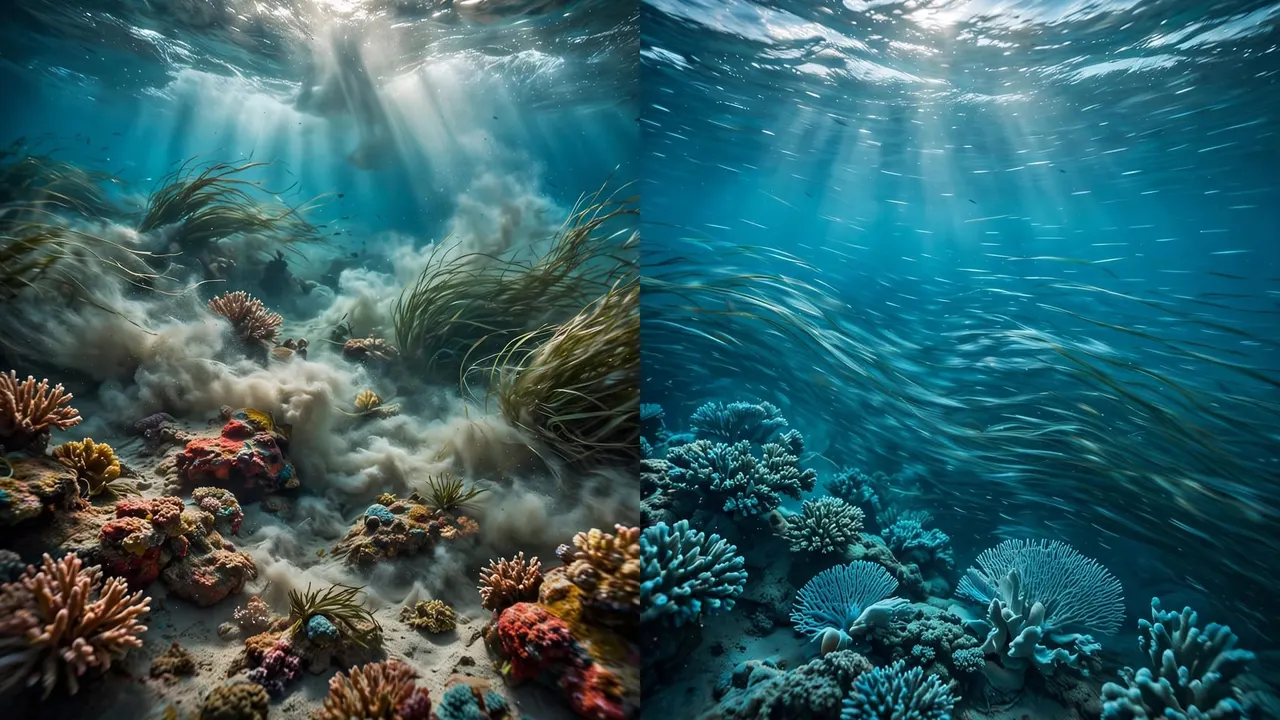
Waikiki snorkeling can feel effortless one day and surprisingly demanding the next. Before you enter the water, knowing the difference between reef surge and a current helps you choose a safer, more enjoyable first swim.
Living Ocean Tours offers guided reef outings from Kewalo Basin Boat Harbor, minutes from Waikiki. The company is Oahu’s top-rated and most-reviewed snorkel company, and it is the only tour company with professional snorkel guides in the water with guests.
Reef Surge Versus Current in Waikiki Snorkeling
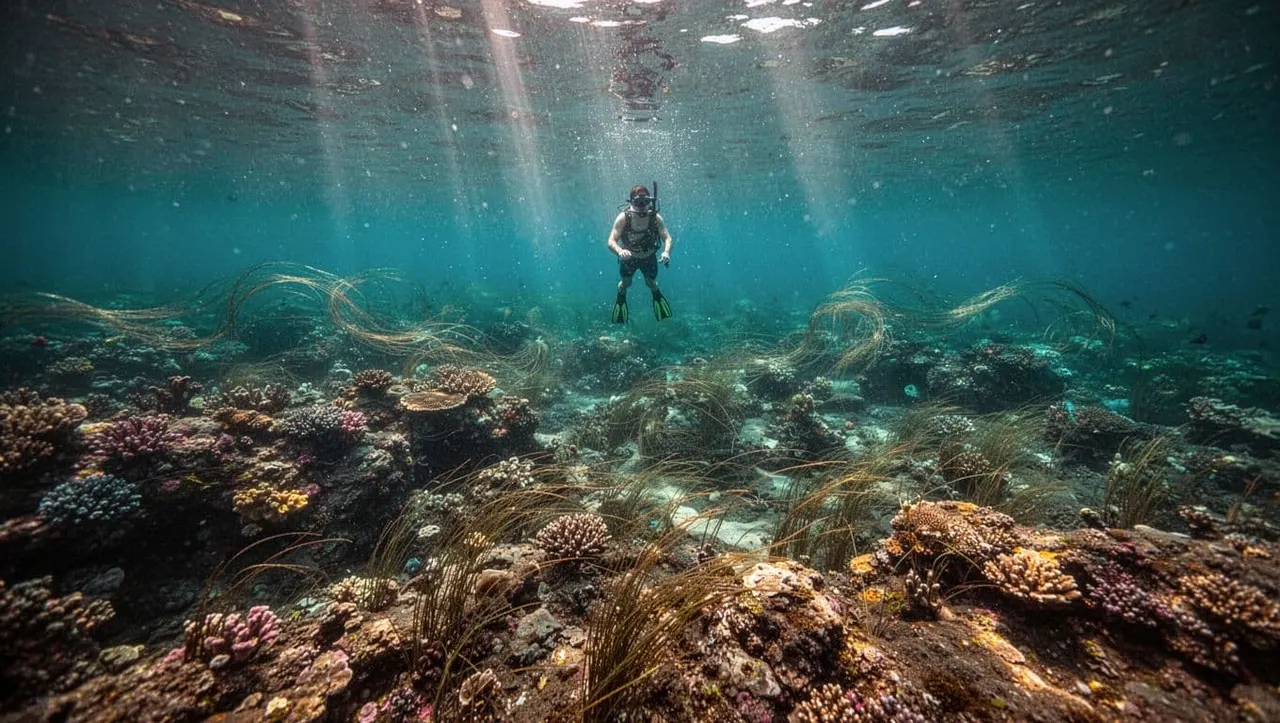
Reef surge and currents both move water, yet they affect your swim in different ways. If you can recognize the pattern early, you can avoid wasting energy or drifting into shallow coral.
Reef surge moves you back and forth
Reef surge is the rhythmic push and pull created by waves passing over a shallow reef. You may drift a few feet forward, then slide back toward where you started. Sea grass, sand, and suspended particles often sway in the same direction as the water.
Surge can feel stronger near coral heads, rocky edges, and shallow channels. It doesn’t always mean you are being pulled away from shore. However, it can make mask clearing, floating, and photography harder if you are tense.
Keep your body horizontal, take slow breaths, and use gentle fin kicks. Never stand on coral to steady yourself. If the surge feels too strong, move toward deeper water away from the reef or return to the boat.
A current carries you in one direction
A current has a more consistent path. Instead of moving back and forth, it steadily carries you along the reef, toward open water, or parallel to shore. Watch bubbles, floating debris, or another snorkeler’s position for a few moments before entering.
Rip currents are narrow channels of fast-moving water that flow away from shore through the surf zone. The National Weather Service surf forecast warns that rip-current strength can increase as surf grows.
Back-and-forth movement is often surge. Steady movement that keeps carrying you away from your starting point deserves immediate attention.
Check Conditions Before You Get Wet
A bright Waikiki morning is not a guarantee of gentle water. Wind, swell, rainfall, tide, and boat traffic can change the experience within hours.
Look past the weather app
Start with the ocean itself. Whitewater repeatedly breaking over the reef, heavy shorebreak, brown runoff, and wind-driven surface chop are strong reasons to postpone snorkeling.
Hawaii Ocean Safety’s snorkeling guidance lists high surf, high winds, heavy shorebreak, and strong currents as poor snorkeling conditions. If you are new to open-water swimming, treat those warnings as a firm stop sign.
Morning can bring lighter winds and quieter beaches. Still, no time of day promises clear water. Rain near urban shorelines can reduce visibility, and murky water can hide coral, rocks, and other swimmers.
Ask a lifeguard about the day
At a beach, posted warnings and lifeguard advice matter more than your itinerary. Use the list of lifeguarded beaches to find supervised Waikiki locations when you want to practice near shore.
Tell the lifeguard you are snorkeling for the first time. Ask about shorebreak, changing currents, visibility, and the safest part of the beach for your comfort level.
If the water looks unsettled, choose a beach walk, paddle-free afternoon, or coastal lunch instead. The reef will still be there when conditions improve.
How to Respond When Water Starts Moving You
You do not need to prove your confidence by pushing through uncomfortable water. Respond early, while you still have energy and a clear head.
Pause before you fight the water
If you feel water carrying you away from your group or the boat, stop hard kicking. Rapid, panicked swimming can exhaust you quickly.
Roll onto your back if you need air, inflate or hold your flotation device, and signal for help. Look for a fixed reference point, such as the boat, shoreline, or a guide’s raised arm. That tells you whether the movement is surge or a continuing current.
On a guided trip, stay close enough to hear instructions. Professional snorkel guides can direct you toward calmer water and help you return before fatigue builds.
Move across a rip current, not against it
If a current pulls you offshore from a beach, do not try to swim straight back through the strongest flow. Float or tread water, signal for assistance, and move parallel to shore when you can do so safely.
NOAA explains why rip-current hazard forecasting matters: rip currents are a serious surf-zone danger. Your goal is to get out of the narrow moving channel, not to win a race against it.
Once you are free of the pull, let waves and your own calm strokes help you make progress toward shore. If you cannot escape, keep floating and continue signaling.
Choose Guided Support for Your First Reef Swim
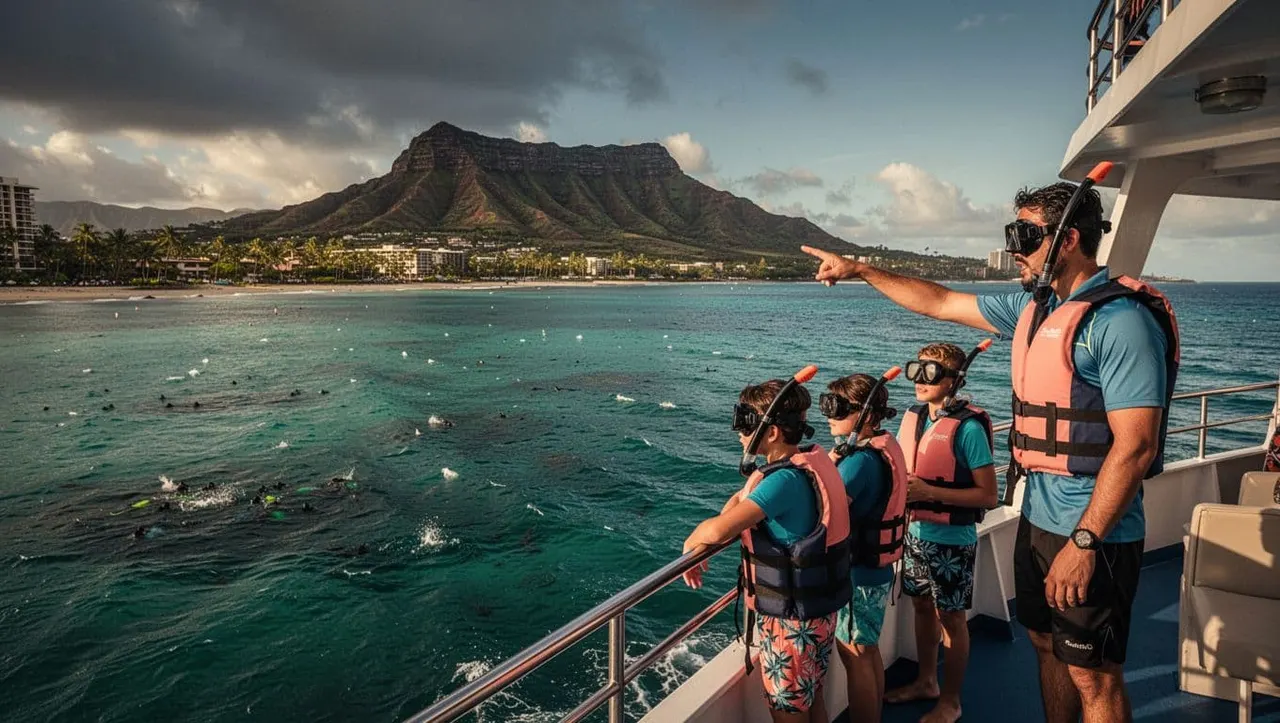
A boat-based trip gives you an organized entry plan, gear help, and a crew watching conditions at the reef. That structure lets you spend less time worrying about logistics.
Turtle Canyons keeps the focus on wildlife
The Turtle Canyon snorkeling excursion is a focused choice when Hawaiian green sea turtles are high on your Waikiki wish list. Turtle Canyons is a boat-accessible reef area where turtles may visit natural cleaning stations, although wildlife sightings always depend on nature and conditions.
Living Ocean Tours provides snorkeling gear, instruction, flotation support, shaded seating, dry storage, onboard restrooms, and sturdy ladders. Tell the crew about motion sickness, nervousness in open water, a leaking mask, or a child who needs extra reassurance before entry.
If a turtle-centered reef outing fits your plans, CHECK AVAILABILITY.
A deluxe cruise suits mixed-interest groups
The Deluxe Waikiki snorkeling and wildlife cruise visits Rainbow Reef and adds a waterslide, water trampoline, and floating lily pad. It is a strong match when your family wants reef time but also wants room for play and sightseeing.
The Lokahi has a SeaKeeper stabilization system designed to reduce boat roll. That can make the ride more comfortable if you are prone to seasickness, although no vessel can remove all motion on the Pacific.
For a longer water-focused family outing, CHECK AVAILABILITY.
Use Gear That Helps You Stay Relaxed
Expensive equipment will not fix poor conditions. A comfortable fit and a calm pace matter far more on your first Waikiki snorkeling outing.
Test your mask before entry
Press the mask lightly to dry skin without using the strap, then breathe in through your nose. It should hold briefly against your face. Ask for help if it leaks, fogs, pinches, or pulls your hair.
Use flotation if it helps you settle into a relaxed surface position. You can float above the reef without constantly kicking, which protects your energy and keeps fins farther from coral.
A rash guard reduces sun exposure and can reduce how much sunscreen you need. Bring drinking water, a towel, a dry cover-up, and footwear with grip for wet decks.
Leave the water before fatigue takes over
Cold, dizziness, shortness of breath, cramped legs, or rising anxiety are reasons to stop. Tell your guide early instead of waiting until you feel overwhelmed.
Returning to the boat is not quitting. You can rest, warm up, drink water, and enjoy the Waikiki coastline from the deck. A shorter, comfortable swim is far better than one difficult final lap.
Protect the Reef and Hawaiian Green Sea Turtles
The best reef encounters happen when you give marine life room to behave naturally. Your distance protects animals, coral, and your own safety.
Keep your fins clear of living coral
Coral is animal habitat, not a footrest. Stay buoyant and scan below you before kicking. In shallow water, use a sandy channel or move farther from the reef rather than standing up.
Avoid grabbing rocks, coral, or a guide’s gear. If you need a break, hold your flotation device or return to the boat. Even a brief touch can break fragile coral or stir up sand that lowers visibility for everyone.
Let turtles choose the encounter
Hawaiian green sea turtles, often called honu, may rest, surface, or glide through the reef without notice. Watch from a respectful distance, never touch them, and do not chase one for a photo.
A turtle that swims near you has made that choice. Stay still, breathe slowly, and let it pass. You will get a better view while protecting the wildlife that makes Waikiki snorkeling memorable.
Key Takeaways
- Reef surge moves you back and forth, while a current steadily carries you in one direction.
- Check water color, shorebreak, wind, warnings, and lifeguard advice before you enter.
- If a current carries you offshore, float, signal, and move parallel to shore when possible.
- Guided trips provide gear help, a planned entry, and professional snorkel guides for beginners.
- Keep your body and fins off coral, and observe turtles without touching or pursuing them.
Frequently Asked Questions
Is Waikiki snorkeling suitable for first-time visitors?
It can be, when you choose calm conditions, have basic swimming ability, and use flotation support when needed. A guided boat trip can feel more manageable because the crew helps with mask fit, equipment, entry, and return to the boat.
You should still assess the water honestly. Skip the swim if conditions exceed your comfort level.
Does a calm-looking surface mean there is no current?
No. Surface water can look quiet while movement continues around a reef, channel, or shoreline opening. Watch the water for several minutes and check your position against a fixed point.
Ask a lifeguard at the beach, or follow the captain and crew’s decision on a charter. Conditions at one part of Waikiki may differ from conditions a short distance away.
Can you count on seeing sea turtles at Turtle Canyons?
No wildlife encounter is guaranteed. Turtles can arrive, feed, rest, and leave on their own schedule. A guided turtle-focused trip improves your chance of visiting suitable habitat, but the ocean sets the terms of every sighting.
Make Your First Reef Day a Good One
Your strongest first Waikiki snorkeling memory will come from feeling calm enough to watch the reef, rather than fighting water or equipment. Learn the movement around you, follow local safety guidance, and choose support that matches your experience.
When the ocean is right, float slowly, keep your distance, and let Hawaii’s reef life set the pace.


