
Waikiki Snorkeling: Watch Dolphins Without Chasing Them
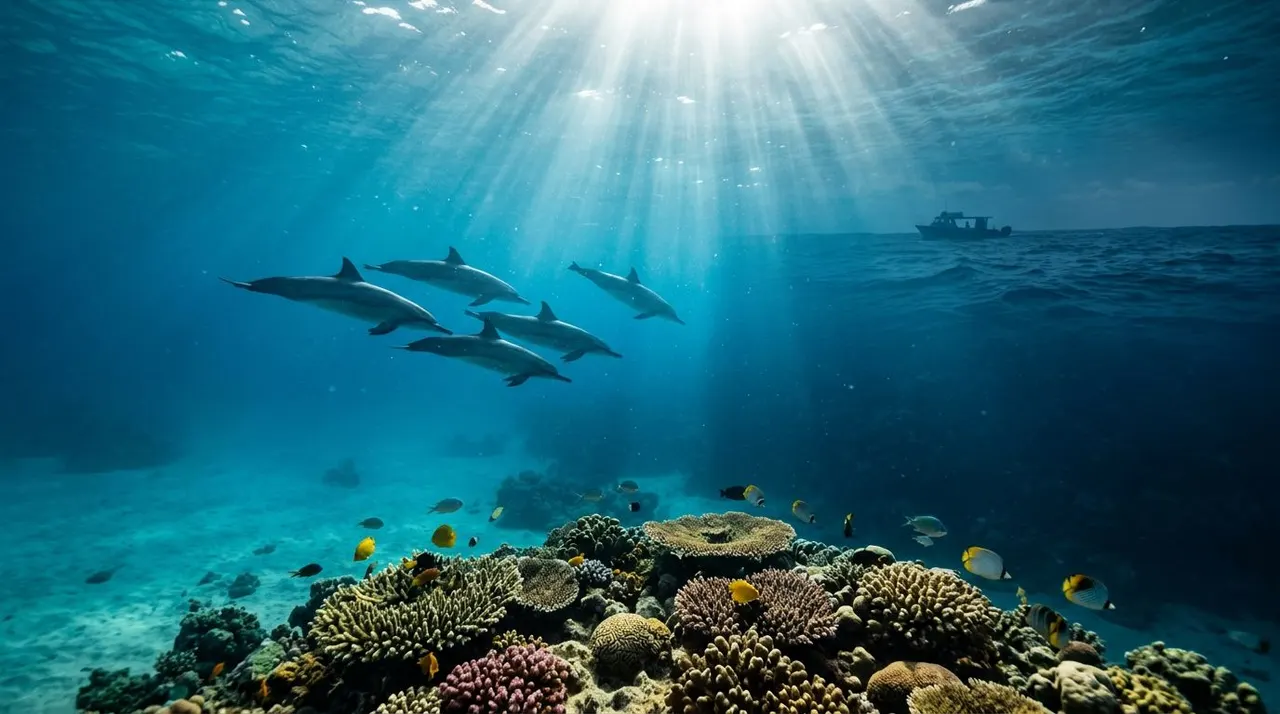
Living Ocean Tours helps you enjoy Waikiki snorkeling while keeping wild dolphins wild. Seeing a pod off Oahu can become a treasured travel memory, but swimming toward the animals turns a peaceful sighting into stress for the dolphins and a legal problem for you.
The responsible approach is simple: snorkel the reef, watch dolphins from a safe distance, and let the animals decide where they go. Before you book your ocean adventure, learn how to separate a great underwater experience from an unsafe wildlife encounter.
Why Dolphins Need Space
Hawaiian spinner dolphins are quick, social animals that can change direction without warning. A pod may surface briefly, dive beneath the boat, or move away before you get a clear photograph.
That unpredictability is part of the experience. You aren’t watching trained performers follow instructions. You’re observing wild animals that need room to travel, rest, feed, and communicate.
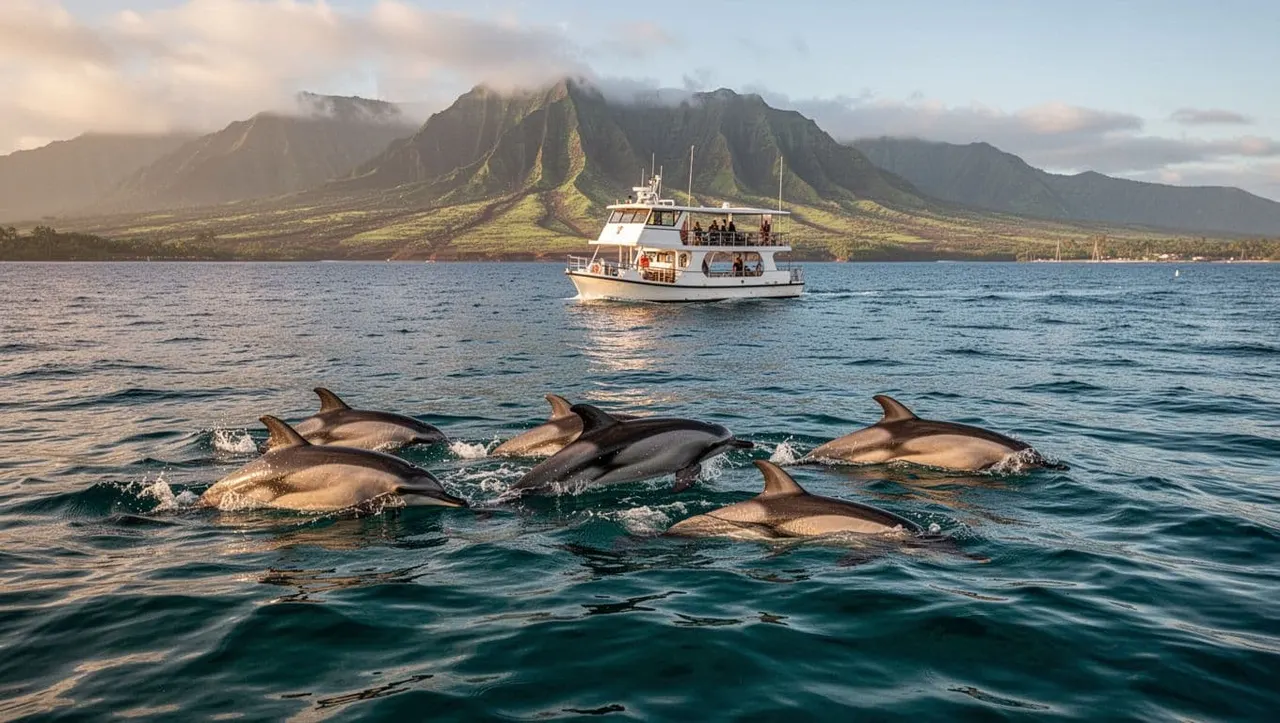
NOAA’s marine wildlife viewing guidelines advise you to avoid chasing, surrounding, touching, or swimming with dolphins. A respectful distance also gives you a better view because the animals can behave naturally instead of reacting to swimmers and boats.
When you keep your distance, you may see surfacing, coordinated movement, or playful activity without becoming part of the pod’s problem. The best encounter often feels unplanned because it is.
What the 50-Yard Dolphin Rule Means
Federal regulations protect Hawaiian spinner dolphins in waters within two nautical miles of the main Hawaiian Islands. The rule applies to people, boats, paddleboards, drones, and other objects in the water.
The 50-yard distance is a minimum
You must stay at least 50 yards, or 45.7 meters, from Hawaiian spinner dolphins. Federal law prohibits swimming with them, approaching them, or remaining within that distance.
The rule also prohibits interception. You can’t position your boat ahead of a pod, cut across its path, or repeatedly move around the animals so they have to pass close to you. This behavior is sometimes called leapfrogging.
Read NOAA’s official spinner dolphin rule questions and answers before your trip. The guidance explains the distance, exceptions, and what to do if dolphins approach you.
If a dolphin comes toward you
Wildlife can behave unpredictably. If a dolphin approaches your boat or swimmer position, don’t reach toward it, call to it, follow it, or enter the water for a closer look.
Instead, stop any effort to engage and move away as soon as you can do so safely. A vessel already underway may continue normal navigation if the crew makes no effort to pursue or interact with the dolphin.
The legal distance isn’t a target to reach. It is the minimum space you must protect.
Your guide should make this decision for the group. You shouldn’t have to estimate 50 yards while managing a mask, snorkel, fins, and ocean conditions.
Waikiki Snorkeling and Dolphin Watching Are Different
Waikiki snorkeling usually focuses on reef habitat. Dolphin watching focuses on open-water observation. Keeping these activities separate protects wildlife and makes your day easier to plan.
Turtle Canyon is a reef snorkeling destination
Turtle Canyon is known for Hawaiian green sea turtles, tropical reef fish, and a natural underwater cleaning station. The turtles may visit the area while small fish remove algae and other debris from their shells.
Living Ocean Tours reports a 95% success rate for spotting Hawaiian green sea turtles on its Turtle Canyon Snorkel Excursion. Wildlife sightings can never be guaranteed, but professional guides know how to help you observe without touching, blocking, or crowding the animals.
You can review the Turtle Canyon snorkel excursion details before choosing your departure. The tour includes gear and guidance, which helps first-time snorkelers feel prepared.
Dolphins belong in open-water viewing
A dolphin sighting may happen while you’re traveling offshore, but you shouldn’t treat dolphins as a snorkeling stop. If a pod appears, stay aboard unless your crew gives a clear instruction for a different activity that follows all wildlife regulations. For spinner dolphins, that means no swimming with them.
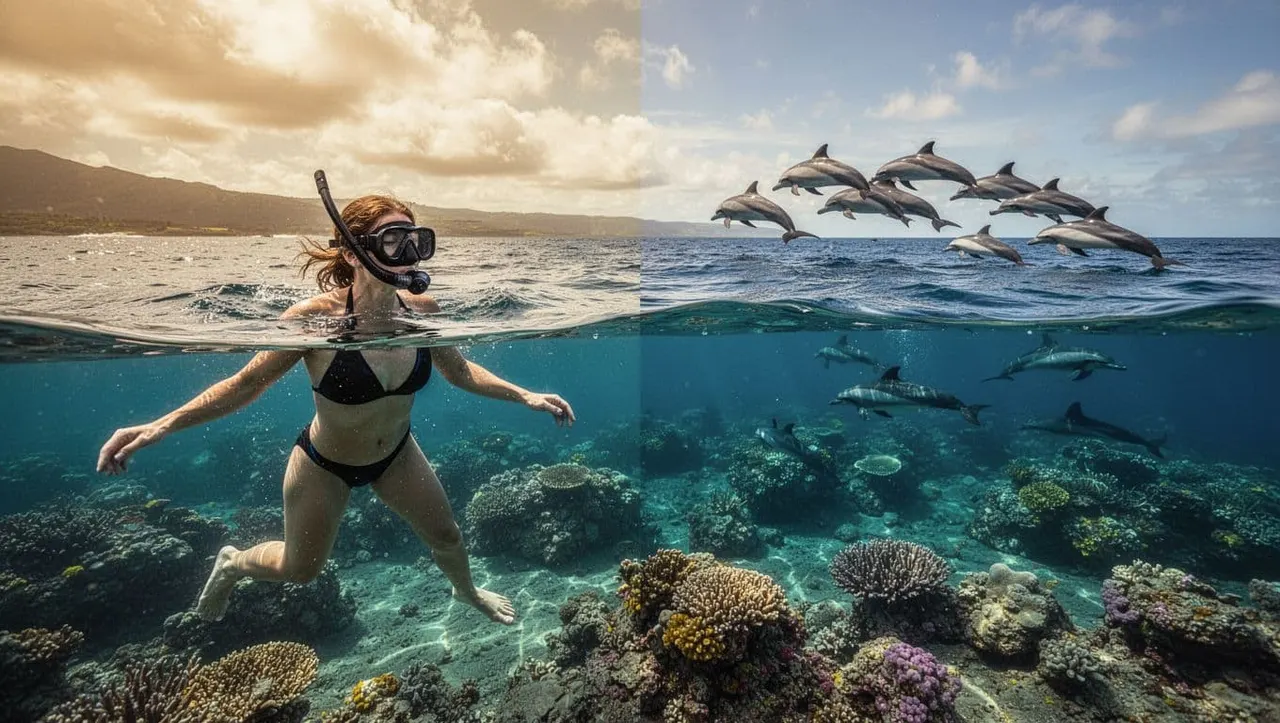
You can still enjoy an exciting encounter. Watch for dorsal fins, listen for surfacing breaths, and let your guide point out movement across the water. NOAA has also documented cases where snorkelers were fined for pursuing Hawaiian spinner dolphins, so close contact is never a harmless shortcut to a better view. Its report on snorkelers fined for pursuing dolphins shows why the rule matters.
How to Choose a Responsible Waikiki Tour
A responsible operator should make wildlife conduct clear before you leave the harbor. You should know what happens if dolphins appear, where snorkeling takes place, and who supervises guests in the water.
Look for professional snorkel guides
Living Ocean Tours is the only tour company with professional snorkel guides. That matters when you’re new to snorkeling or traveling with children.
Your guide can explain how to clear your mask, use your fins, enter the water safely, and conserve energy while floating. Just as importantly, the guide can help you identify turtles and reef fish without encouraging you to touch or chase them.
Families benefit from direct instruction because young swimmers often get excited when an animal appears. A calm guide keeps the group together and protects the wildlife encounter at the same time.
Check the boat and departure location
Living Ocean Tours departs from Kewalo Basin Boat Harbor, a few minutes from Waikiki Beach. The location is convenient when you want to spend less time traveling across Honolulu before getting on the water.
The company operates Coast Guard-inspected, custom-built double-decker vessels called the Coral Kai and the Lokahi. Both boats have shaded seating, restrooms, dry storage, and heavy-duty ladders for water entry.
The Lokahi also has a SeaKeeper stabilization system, which reduces side-to-side rolling. That feature can help if you are concerned about seasickness, especially on a day with a noticeable ocean swell.
You can compare Waikiki ocean tours and cruises to find the experience that fits your group. A good tour should give you comfort, clear instructions, and enough room to make safe choices.
Living Ocean Tours Options for Your Oahu Day
Living Ocean Tours combines guided reef snorkeling with comfortable boat travel along the Waikiki coastline. The company welcomes beginners, families with children ages 3 and older, and experienced swimmers who want a well-organized outing.
A review widget is available below for recent guest feedback.
Turtle Canyon Snorkel Excursion
Choose the Turtle Canyon Snorkel Excursion when your main goal is seeing Hawaiian green sea turtles in their reef habitat. You receive snorkeling equipment, safety guidance, and support from professional snorkel guides.
The trip is a strong fit for couples who want a focused reef experience and families who prefer a clear, manageable itinerary. Your guide can help you stay relaxed on the surface while you watch marine life below.
Dolphins aren’t the target of this tour. That distinction is a positive feature because you can focus on responsible turtle viewing instead of hoping for a close wildlife encounter that shouldn’t happen.
When your plans are set, use the Turtle Canyon tour booking link or check the button below.
Deluxe Waikiki Snorkeling and Wildlife Cruise
The Deluxe Waikiki Snorkeling and Wildlife Cruise gives your group more ways to enjoy the boat. After traveling to a less-crowded reef, you can snorkel before enjoying a boat-mounted waterslide, water trampoline, and floating lily pad.
This option works well for families with different comfort levels. Strong swimmers can spend more time in the water, while younger guests can enjoy the boat’s features under crew supervision.
The Deluxe Waikiki snorkeling and wildlife cruise may also provide opportunities to observe marine life during the cruise. If dolphins appear, your crew should maintain the required distance and never encourage guests to enter the water after them.
Book through the Deluxe cruise availability link when you’re ready to choose a date.
How to Prepare for Responsible Wildlife Viewing
Your behavior starts before you board. Pack a rash guard, reef-friendly sun protection that follows current Hawaii rules, a reusable water bottle, and dry clothes for the ride back to shore.
If you get motion sickness, take your usual preventive medication according to its directions and tell the crew before departure. The Lokahi’s stabilization system can make the ride more comfortable, but no boat can remove every effect of wind and swell.
Follow your guide’s instructions in the water
Stay with your group and keep your movements slow. Splashing, rapid kicking, and underwater chasing can disturb turtles and fish, even when you don’t intend to get close.
Never touch a turtle, coral, or any other marine animal. Keep your fins away from the reef, and use the ladder instead of standing on coral or rocks.
If dolphins appear while you’re snorkeling, don’t swim after them. Signal your guide, move away calmly, and return your attention to the designated reef area.
Keep your camera secondary
A phone or underwater camera can distract you from changing conditions. Secure it with a strap, but don’t extend a selfie stick toward wildlife or ask the boat to reposition repeatedly for one photograph.
You may get only a few seconds to see a dolphin’s dorsal fin. That’s enough. A respectful image taken from a distance is better than a close picture that records harmful behavior.
The formal federal spinner dolphin regulations provide the legal foundation for this approach. Your guide’s job is to keep the experience enjoyable without treating wildlife as a guaranteed attraction.
Common Mistakes to Avoid Around Dolphins
Several tempting actions can quickly become unsafe:
- Don’t enter the water because a pod passes near the boat.
- Don’t ask the captain to cut across the animals’ path.
- Don’t follow dolphins after they change direction.
- Don’t use a paddleboard, drone, or kayak to get closer.
- Don’t feed, touch, call to, or surround wild dolphins.
- Don’t assume a brief approach gives you permission to interact.
The same standard applies when you watch from shore. Stay back, avoid blocking the animals’ route, and leave if the dolphins show signs of disturbance.
A responsible operator won’t promise that you can swim with dolphins. Instead, you’ll receive honest guidance about what you may see and how to respond when nature provides an unexpected moment.
Make Your Dolphin Sighting Count
The most respectful Waikiki snorkeling plan gives each activity its proper place. Snorkel Turtle Canyon for sea turtles and reef life, then watch for dolphins from a safe distance if they appear offshore.
With Living Ocean Tours, you get professional snorkel guides, comfortable vessels, and clear support for responsible wildlife viewing. When you let dolphins choose the distance, your encounter protects the animals and leaves you with a memory you can feel good about.


