
Boat Tour Waikiki in February: A Winter Visitor’s Guide
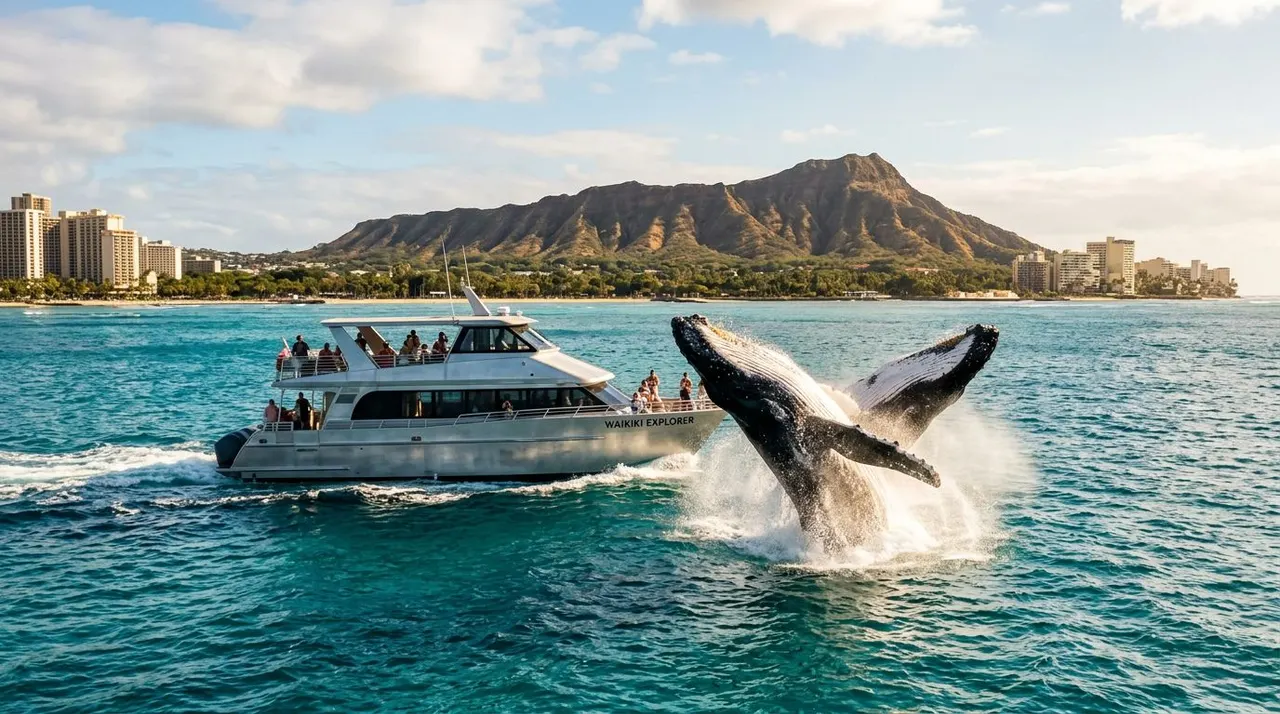
February gives you warm Honolulu days, comfortable ocean outings, and one major seasonal bonus: humpback whales may be traveling through Hawaiian waters. If you want to see Waikiki from the water, a boat tour gives you views of Diamond Head, the shoreline, reefs, and marine life that you can’t experience from the beach.
Living Ocean Tours operates from Kewalo Basin Boat Harbor, just minutes from Waikiki Beach. You can choose a guided snorkel trip, wildlife cruise, whale watch, sunset cruise, or Friday night fireworks outing. The right choice depends on your priorities, swimming comfort, and the kind of February memory you want to take home.
Why February Is a Smart Time for a Waikiki Boat Tour
Winter visitors often plan their days around beach weather, but February adds another reason to get offshore. Humpback whales visit Hawaiian waters during the seasonal window from January through March, so you may have a chance to spot blows, breaches, tail slaps, or traveling whales during a dedicated whale-watching trip.
Wildlife sightings are never guaranteed because whales move freely through the ocean. Still, February falls within the season when Living Ocean Tours runs its whale-watching excursions. You can learn more about the questions visitors ask before a mid-February whale trip in this Hawaii whale-watching discussion.
February also works well for snorkeling. You get bright tropical scenery, clear views along the Waikiki coast, and water activities that break up sightseeing around Honolulu. A morning snorkel can fit before lunch, while an afternoon cruise leaves space for shopping, Diamond Head, or a relaxed beach visit.
The month is popular with winter travelers, so you should reserve your preferred departure early. This matters most if your trip includes a weekend, Valentine’s Day, or a Friday night fireworks cruise.
February Weather and Ocean Conditions Around Waikiki
You can expect warm daytime weather in Honolulu during February, although evenings and boat rides may feel cooler than the beach. Wind, cloud cover, and passing showers can change conditions during the day. Pack for sun, but bring a light layer for the ride back to the harbor.
Ocean conditions also vary. A calm morning may become breezier later, while a cloudy start can clear during your trip. Your captain and crew monitor the conditions and decide whether the planned route and activity are appropriate.
| What you may notice | How to plan |
|---|---|
| Warm sunshine | Wear reef-safe sunscreen and bring sunglasses |
| Cooler wind offshore | Pack a light sweatshirt or windbreaker |
| Changing cloud cover | Keep a flexible mindset for photography |
| Variable ocean movement | Choose a stabilized vessel if you get seasick |
| Seasonal whale activity | Book whale watching if wildlife is your priority |
Living Ocean Tours uses Coast Guard-inspected, custom-built double-decker vessels named the Coral Kai and the Lokahi. The boats include shaded seating, restrooms, dry storage, and sturdy ladders for water entry. The Lokahi also has a SeaKeeper stabilization system, which reduces rolling and can make the ride more comfortable for guests who worry about seasickness.
If you tend to feel motion on boats, sit near the center of the vessel and look toward the horizon. Eat a light meal before boarding, drink water, and avoid spending the entire ride below deck. You can also ask the crew where to sit when you check in.
February is warm enough for ocean adventures, but a light layer can make your return ride much more comfortable.
Choose the Right February Boat Tour
Your best choice depends on whether you want to swim, watch wildlife, enjoy scenery, or plan a romantic evening. Living Ocean Tours offers several ways to experience the Waikiki coastline.
Turtle Canyons Snorkel Excursion
The Turtle Canyons Snorkel Excursion is a strong choice if swimming with Hawaiian green sea turtles is at the top of your list. The trip visits a natural underwater cleaning station near Waikiki, where turtles may gather while reef fish clean their shells.
Living Ocean Tours reports a 95% success rate for spotting Hawaiian green sea turtles on this excursion. Since turtles are wild animals, the crew can’t promise a sighting on every departure. However, your professional snorkel guides know the area and help you look safely while protecting the reef.
You don’t need advanced snorkeling experience. Guides explain how to use the equipment, help you enter the water, and stay nearby during the snorkel. Families and first-time snorkelers can ask for support at any point.
Choose an early departure if you want the rest of the day free. Morning light also gives you excellent visibility for fish, coral, and underwater photography.
Read the details for the Turtle Canyons Snorkel Tour before you select your date.
Deluxe Waikiki Snorkeling and Wildlife Cruise
The Deluxe Waikiki Snorkeling and Wildlife Cruise gives you more time to enjoy the boat as well as the water. You snorkel at a less-crowded reef, then return aboard for features designed for families and active travelers.
The Lokahi includes an upper-deck waterslide, a water trampoline, and a floating lily pad. You can swim, relax in the shade, or enjoy the views without treating the trip as a single-purpose snorkel outing. That flexibility helps when your group includes strong swimmers, beginners, and children.
Professional snorkel guides lead the water portion and explain how to observe marine life without touching it. The crew also helps you use the ladders and equipment. Children must meet the tour’s age and safety requirements, so check the current details before booking.
February’s comfortable daytime weather makes this cruise a practical choice for families who want a full ocean day. You can bring a change of clothes for the ride home, especially if you plan to continue sightseeing after the cruise.
See the Deluxe Waikiki snorkeling cruise for current trip information.
Waikiki Whale-Watching Tour
February is one of the strongest months to consider a whale-watching tour in Hawaii because it falls inside Living Ocean Tours’ seasonal humpback whale-watching period. You may spot whales surfacing beyond the reef, especially when the captain reaches areas with better viewing opportunities.
Bring binoculars if you have them, but you can still enjoy the trip without specialized equipment. Keep your camera ready, because a whale may appear for only a few seconds. Your captain and crew can also point out activity that you might miss while scanning the water alone.
The experience suits couples, families, and visitors who prefer sightseeing without getting wet. It also gives you a different perspective of Diamond Head and the Honolulu coastline. Whale behavior changes daily, so patience matters. A quiet stretch of water can change quickly when a whale surfaces nearby.
For more seasonal planning ideas, you can compare visitor conversations in this Hawaii whale-watching group. Book your trip with realistic expectations, because marine wildlife remains unpredictable.
Visit the Waikiki whale-watching tour page for available dates.
Waikiki Sunset Cruise
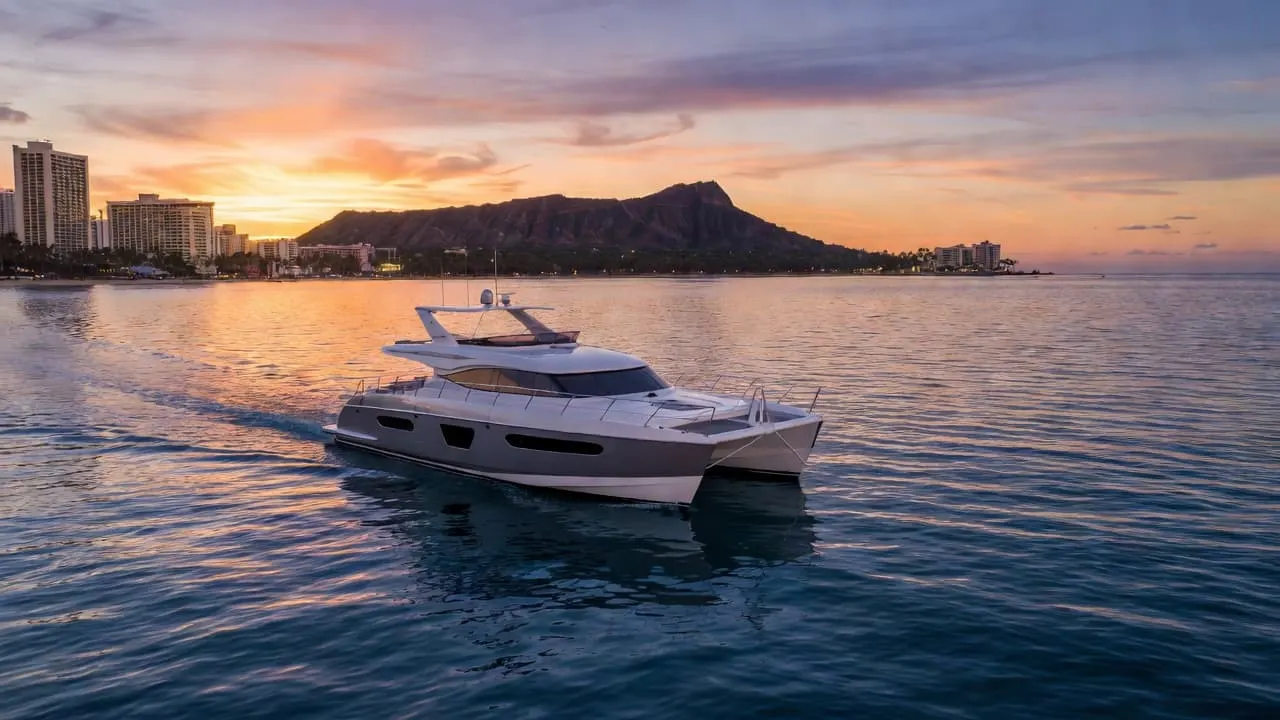
A sunset cruise fits February evenings when you want ocean views without scheduling a strenuous activity. As the sun lowers, you can watch the light change across Waikiki, Diamond Head, and the surrounding mountains.
Living Ocean Tours offers sunset cruise options with BYOB or cash-bar arrangements, depending on the departure. Check the current booking details so you know which option applies to your trip. Couples often choose this experience for a quieter evening, while families can enjoy the open deck and changing coastal scenery.
Bring a light layer because the wind usually feels cooler after sunset. Arrive with enough time to check in at Kewalo Basin Boat Harbor, then settle into a shaded or open-air seat before departure.
The Waikiki Sunset Cruise is a natural fit for a date night or a relaxed final activity after a day in Honolulu.
Friday Night Waikiki Fireworks Cruise
If your February itinerary includes a Friday, a fireworks cruise gives you a memorable way to spend the evening. You can view the display from the water instead of searching for a crowded spot along the beach.
The Friday Night Waikiki Fireworks Cruise combines an evening boat ride with a view of the show. Check the schedule before booking, since fireworks cruises depend on the event calendar and weather conditions.
Arrive early, wear comfortable shoes, and carry a light jacket. Keep your phone or camera secure while the boat moves, and follow crew instructions when you position yourself on the deck.
What to Pack for a February Boat Ride
You don’t need a large beach bag for a Waikiki boat tour. A few practical items will keep you comfortable without cluttering your seat.
Pack reef-safe sunscreen, sunglasses with a secure strap, a hat, and a refillable water bottle. Bring a swimsuit and a towel for snorkeling trips. A waterproof phone pouch protects your phone during water activities, but store valuables in the vessel’s dry storage when possible.
For sunset, whale-watching, and fireworks cruises, replace the swimsuit with a light jacket or long-sleeve layer. Non-slip footwear helps you move around the deck safely. Avoid bulky luggage because boats have limited personal space.
If you wear prescription glasses, use a retaining strap. Contact lens wearers may want sunglasses that block wind and spray. Families should bring any needed medication, motion-sickness supplies, and a spare outfit for children.
You should also plan your clothing around the activity. Quick-drying fabrics work well for snorkel trips. Darker clothing can reduce glare in evening photos, while a brimmed hat helps during bright daytime departures.
Before leaving your hotel, confirm the meeting location and check-in time. Living Ocean Tours departs from Kewalo Basin Boat Harbor near Ala Moana Boulevard, which is close to Waikiki but still requires travel time during busy traffic.
How to Plan Your February Ocean Day
Start by choosing the experience rather than selecting a random departure time. If sea turtles are your priority, book the Turtle Canyons excursion. If you want water activities for different ages, the deluxe snorkeling and wildlife cruise offers more ways to enjoy the vessel. Whale watching works best when seasonal wildlife is your main goal.
Next, look at your wider Honolulu schedule. Place a snorkel tour on a day when you can stay flexible afterward. A sunset or fireworks cruise can fit more easily after shopping, sightseeing, or a beach morning.
Allow extra time to reach Kewalo Basin Boat Harbor. Traffic around Waikiki and Ala Moana can slow down, especially during busy travel periods. Ride-share vehicles, taxis, and rental cars can all reach the harbor, but you should confirm parking and transportation details before your departure.
Reserve early if your dates are fixed. February brings winter visitors, and popular weekend times can fill before weekday departures. Check the cancellation and weather policies at booking so you understand your options if conditions change.
You can also explore Living Ocean Tours’ Honolulu excursions to compare the available experiences in one place. Review the age requirements, departure times, inclusions, and meeting instructions before you pay.
Snorkel Responsibly Along the Waikiki Coast
Your actions matter when you visit Hawaiian reefs. Observe sea turtles and reef fish without touching, chasing, or blocking their path. Keep your hands off coral because even a small contact can damage a living reef.
Use reef-safe sunscreen and apply it before you board. Follow your professional snorkel guide’s instructions about where to swim and how to enter the water. Staying with the group helps the crew monitor conditions and keeps you away from areas that may be unsafe.
Living Ocean Tours is the only tour company with professional snorkel guides, giving you trained support during the water portion of your experience. That guidance is useful for first-time snorkelers, children, and confident swimmers who want to learn more about the local marine environment.
A good wildlife encounter leaves the animal in control. If a turtle swims away, let it go. You can still enjoy the sighting without reaching toward it or trying to force a closer photograph.
The best turtle encounter is one where you observe the animal, give it space, and leave the reef exactly as you found it.
Why Living Ocean Tours Fits Winter Visitors
Living Ocean Tours combines guided water activities with comfortable sightseeing along the Waikiki coastline. The company operates from Kewalo Basin Boat Harbor, just minutes from Waikiki Beach, so you can reach the departure point without crossing the island.
The Coral Kai offers broad open-deck space for enjoying the sun and coastal views. The Lokahi adds a SeaKeeper stabilization system, a cash bar, an upper-deck waterslide, and water-play features on select cruises. Both boats provide shaded seating, restrooms, dry storage, and heavy-duty ladders.
You can also feel comfortable if you’ve never snorkeled before. The professional guides explain the equipment, stay with you in the water, and help you enter and exit safely. Families with children ages 3 and older can review the requirements for their selected tour before booking.
Living Ocean Tours also emphasizes respectful marine encounters. You get the excitement of seeing turtles, tropical fish, or whales while learning to observe Hawaii’s ocean environment without touching wildlife.
Conclusion
A February boat tour in Waikiki gives you more than a view of the shoreline. You can snorkel with professional guides, look for seasonal humpback whales, watch the sunset, or see fireworks from the water.
Choose the trip that matches your plans, pack for sun and offshore wind, and reserve ahead if your dates are limited. With Living Ocean Tours departing near Waikiki, your winter visit can include a comfortable, well-guided ocean experience that respects the marine life you came to see.


