
Waikiki Boat Tour for Families Traveling With Infants
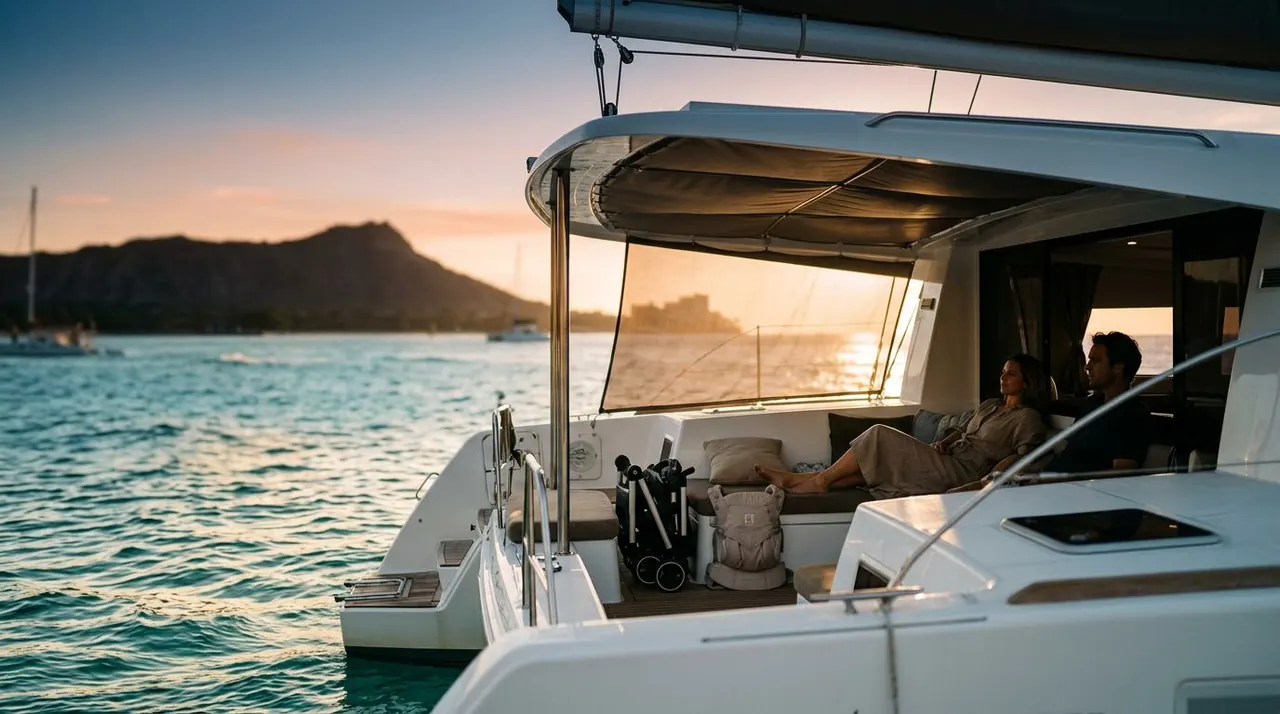
A boat tour can show you Waikiki’s coastline without asking your baby to manage a long beach day, crowded roads, or a full afternoon in the sun. The right Waikiki boat tour gives you shade, seating, restrooms, ocean views, and enough flexibility to keep your infant comfortable.
Living Ocean Tours departs from Kewalo Basin Boat Harbor, only minutes from Waikiki Beach. Before you book, separate two questions: can your infant ride on the boat, and can your child participate in the water activities? Those answers may differ by tour and age.
Key Takeaways
- Confirm the operator’s infant, stroller, car seat, and minimum-age policies before paying.
- Choose a calm daytime cruise or sightseeing outing if your baby follows a regular nap schedule.
- Living Ocean Tours has shaded seating, restrooms, dry storage, ladders, and stabilized boats.
- Infants may remain onboard while older family members snorkel, but water participation depends on age and safety rules.
- Pack sun protection, feeding supplies, a change of clothes, and a familiar comfort item.
Start With Your Baby’s Actual Needs
Your infant’s schedule matters more than the tour description. A baby who sleeps well in a carrier may handle a short morning cruise with ease. Another child may become uncomfortable after an hour in the sun, even with shade and calm water.
Look at the full outing, not only the time spent on the ocean. You may need to drive or walk to the harbor, check in before departure, board using a gangway, and settle into your seat before the boat leaves. Build extra time into your morning so you aren’t rushing with a diaper bag and a tired baby.
The most important question is whether your child can stay safely with an adult while other family members enter the water. An infant won’t use a snorkel, slide, trampoline, or floating mat. If your family wants to snorkel, plan for one parent or trusted adult to remain with the baby unless the operator provides another approved arrangement.
Never assume an infant can sit in a car seat on deck. Boat seating, movement, storage, and safety equipment differ from what you use in a vehicle. Ask where your baby can stay during the cruise and whether you may use a soft carrier. You should also ask about life jackets, as infant and child sizes may be limited.
A short, calm cruise often fits infant travel better than a long snorkeling excursion. Still, boat design makes a difference. Stable footing, shaded areas, an onboard restroom, and easy access to dry storage can reduce the small problems that quickly become big ones with a baby.
Your best choice is the tour that fits your baby’s routine, not the tour with the longest list of activities.
Why Families Consider Living Ocean Tours
Living Ocean Tours operates from Kewalo Basin Boat Harbor, near Waikiki and central Honolulu. Its Coast Guard-inspected fleet includes two custom-built double-decker vessels, the Coral Kai and the Lokahi.
Both boats have shaded seating, onboard restrooms, dry storage, and heavy-duty ladders for water entry. Those features matter when you carry a baby, a diaper bag, towels, and extra clothes. You won’t need to keep every item on your lap throughout the trip.
The Lokahi also has a SeaKeeper vessel stabilization system. This anti-roll technology helps reduce side-to-side movement, which may make the ride more comfortable for your family. No boat can remove every wave or prevent seasickness in every passenger, but a steadier vessel can help.
Living Ocean Tours is the only tour company with professional snorkel guides. The crew gives beginners clear guidance and helps guests use their gear safely. That support is useful when one parent is new to snorkeling and the other parent is caring for an infant.
The company’s approach also respects Hawaii’s marine environment. You should observe sea turtles and other wildlife without touching, chasing, or blocking their path. Guides can help you understand how to enjoy the reef while protecting the animals and coral.
Because policies can change, confirm the current infant age limit, passenger requirements, and water participation rules before booking. Ask about boarding access, stroller storage, and where you can keep bottles or prepared formula during the trip.
Which Waikiki Boat Tour Fits Your Family?
You have several ways to experience the coast with Living Ocean Tours. The best option depends on your baby’s age, your comfort level, and whether your family wants snorkeling or a relaxed sightseeing outing.
Turtle Canyon Snorkel Excursion
The Turtle Canyon Snorkel Excursion is designed around snorkeling near a natural Hawaiian green sea turtle cleaning station. Living Ocean Tours reports a 95% success rate for turtle sightings on this excursion.
That experience suits families with older children who can follow water instructions. It requires more planning with an infant because one adult may need to stay onboard while another family member snorkels. If your baby is under the tour’s minimum age, don’t assume the child can enter the water or use provided equipment.
The professional snorkel guides help first-time swimmers understand mask fit, breathing, and safe movement. You can also ask about the boat’s shaded seating and the best place for a non-swimming adult to stay with a baby. A turtle encounter should never involve touching or approaching an animal. Keep your distance and allow the turtle to move freely.
If your child meets the published age requirements and your family has a clear plan for adult supervision, you can CHECK AVAILABILITY for the Turtle Canyon excursion.
Deluxe Waikiki Snorkeling and Wildlife Cruise
The Deluxe Waikiki Snorkeling and Wildlife Cruise includes a less-crowded reef area and onboard water features. Depending on the current setup, guests can enjoy a boat-mounted water slide, water trampoline, and floating lily pad.
Those activities are for qualified participants, not infants. Your baby can still enjoy the boat ride if the operator confirms that infants are allowed and you follow the required supervision rules. The Lokahi’s stabilization system, shaded seating, restroom, and storage can make this option more manageable for parents.
This cruise works best when your family has at least two adults. One adult can stay with the baby while another joins the water activities, then you can switch if the crew and conditions allow. Do not leave an infant unattended while another family member swims.
A parent who wants to snorkel should also consider how the baby responds to boat noise, wind, and movement. Bring a familiar blanket or carrier if permitted, and choose a departure that doesn’t conflict with your child’s usual sleep period.
For families with an eligible child and a clear supervision plan, you can CHECK AVAILABILITY for the deluxe cruise.
Waikiki Sunset Cruise
A Waikiki Sunset Cruise may be the easiest fit if your family wants ocean views without a snorkeling plan. You can watch the coastline change color, spend time on deck, and enjoy the water without coordinating masks, fins, and swim turns.
Sunset departures can work well for an infant who naps earlier in the day. They can also be difficult if your baby becomes tired at the same time the cruise begins. Check the departure time against your child’s normal routine before you reserve.
Living Ocean Tours offers sunset cruise options with BYOB or a cash bar. If you’re caring for an infant, keep at least one adult fully alert and responsible for the child. Bring a bottle, nursing cover if you use one, and a warm layer because the breeze may feel cooler after sunset.
This cruise can suit couples traveling with a baby who want a quieter outing. It also gives you a chance to see Waikiki from the water without making snorkeling the focus.
You can CHECK AVAILABILITY for current sunset cruise times.
Whale Watching and Friday Fireworks Cruises
Seasonal whale watching cruises run from January through March. The open ocean can feel windy, so dress your infant in layers and bring a secure carrier if allowed. Whale sightings are never guaranteed, and your baby’s comfort should remain the priority.
You can CHECK AVAILABILITY for seasonal whale watching dates.
The Friday Night Waikiki Fireworks Cruise offers a special evening view, but fireworks are loud and the late schedule may disrupt bedtime. Consider this option only if your baby handles noise, bright flashes, and later outings well.
You can CHECK AVAILABILITY for Friday night departures.
Boat Comfort Matters More With a Baby
You can manage many infant needs on a boat when you know what the vessel provides. A restroom is helpful for diaper changes, although you should ask the crew where changing is allowed. Keep wipes, diapers, and a changing pad in a small bag that stays within reach.
Shade protects your baby from direct sun, but it doesn’t replace sunscreen for children old enough to use it or protective clothing. A wide-brimmed hat, lightweight long-sleeve shirt, and a sunshade for your carrier can help. Ask before attaching any item to the boat.
The Coral Kai has open-deck space for ocean views, while the Lokahi includes the SeaKeeper stabilization system. Both boats have shaded seating and dry storage. Store spare clothing in a waterproof bag because spray can reach areas that appear dry.
Boarding deserves attention too. Ask whether you can bring a stroller to the harbor and where it must remain during the cruise. A compact carrier may be more practical, but only use one if the operator approves it and you can keep your baby secure while moving around the vessel.
Avoid placing bottles, toys, or phones on railings. A dropped item can create a safety problem and may harm marine life. Use a closed bag instead.
What to Pack for Your Infant Boat Trip
Pack for the boat, the harbor, and the ride back to your hotel. You may use fewer items than expected, but missing one familiar comfort can make the outing harder.
Bring:
- More diapers and wipes than you expect to use
- Prepared formula, nursing supplies, and a cooler if needed
- A waterproof bag with at least one complete change of clothes
- A sun hat, protective clothing, and a familiar blanket
- A pacifier or comfort item secured inside your bag
- Hand sanitizer and a small changing pad
- Motion-sickness supplies approved by your pediatrician
- A phone with emergency contacts and your hotel information
Feed your baby before boarding when possible, then keep the next feeding easy to reach. Don’t rely on the boat bar or harbor shops for infant supplies. Bring what your child already uses at home.
For older babies eating solid foods, choose tidy snacks that travel well. Avoid loose items that can blow overboard. You should also follow crew directions about eating and drinking near the railings or activity areas.
Dress your baby for wind, not only for Honolulu’s temperature on land. The boat may feel cooler while moving, especially during a sunset or whale watching cruise. At the same time, avoid heavy layers that can make your baby overheat in the harbor.
How to Book With Fewer Surprises
Use these steps before you select a departure:
- Confirm the infant policy. Ask about the minimum age, infant admission, life jackets, and approved carriers.
- Explain your family setup. Tell the crew how many adults will supervise the baby and whether anyone plans to snorkel.
- Ask about the boat. Confirm shade, restrooms, storage, boarding access, and the best seating area for your group.
- Check the schedule. Match the departure with your baby’s nap and feeding routine when possible.
- Review cancellation terms. Ocean conditions and family illness can affect your plans, so understand the policy before booking.
- Arrive early. Give yourself time for parking, check-in, feeding, and a calm boarding process.
Call or message the operator with direct questions rather than relying on assumptions. Ask whether your baby can remain onboard during snorkeling, whether a non-participating adult needs a full fare, and what happens if your child becomes distressed.
You should also review the weather and ocean conditions on the day of your trip. The crew makes the final safety decision, and a schedule change may be better than forcing an uncomfortable ride.
Protect Hawaii’s Marine Life During Your Cruise
Your family can enjoy wildlife encounters without touching the animals. Hawaiian green sea turtles need space to rest, swim, and surface. Keep your hands off the turtle, avoid blocking its path, and follow the guide’s distance instructions.
Don’t feed fish or turtles. Food changes animal behavior and can damage the balance of the reef. Keep sunscreen, wrappers, toys, and other objects out of the water.
Teach older children to watch with their eyes and listen to the guide. Your infant may not understand the rules yet, but you can model respectful behavior while holding your baby near the viewing area.
A responsible boat tour also protects your family’s experience. When everyone follows the crew’s directions, you reduce crowding around wildlife and help keep the water calmer for swimmers.
Conclusion
A Waikiki boat tour can fit your family vacation when you choose around your infant’s routine, safety needs, and comfort level. A sunset cruise may offer the simplest outing, while a snorkeling trip can work when two adults share supervision and every participant meets the age rules.
Living Ocean Tours gives you access to shaded seating, restrooms, dry storage, professional snorkel guides, and stabilized vessels near Waikiki. Pack carefully, confirm the current infant policy, and let your baby’s comfort guide the day. The best ocean memory is one your whole family can enjoy.


