
Waikiki boat tour Wet Clothes Storage After Sailing
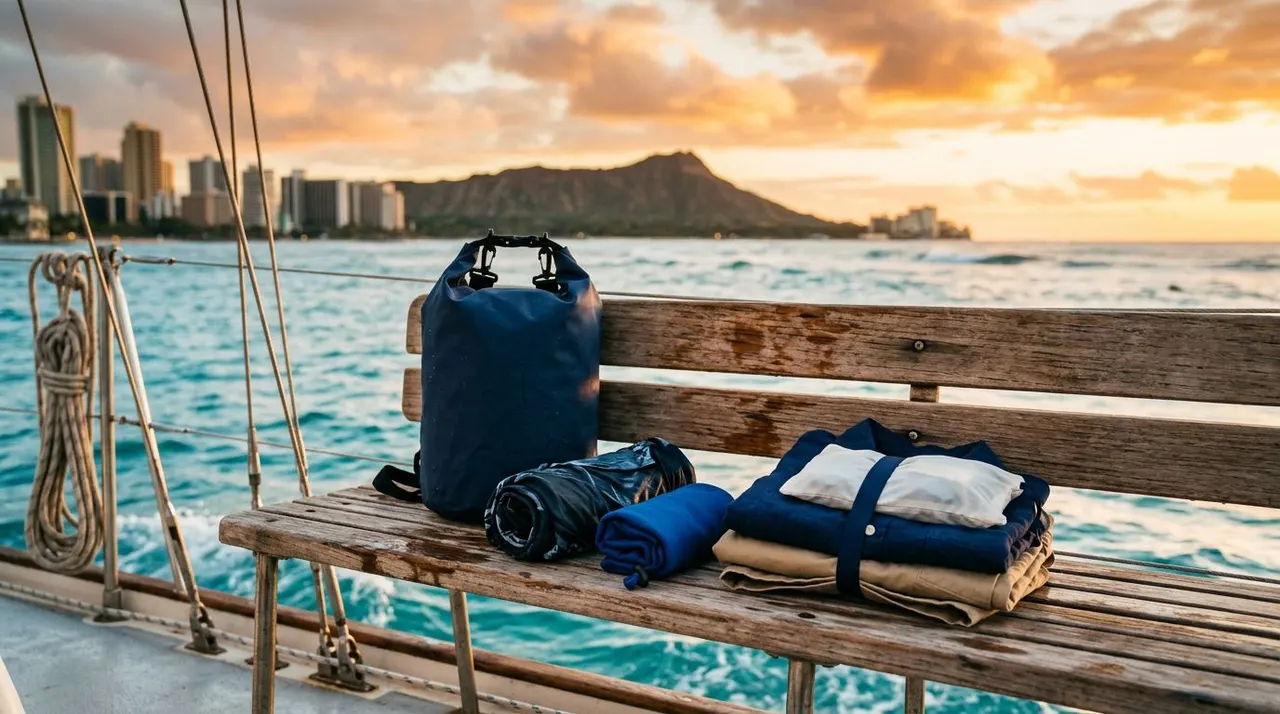
Saltwater, sea spray, and a damp swimsuit can turn the end of a perfect Waikiki boat tour into a luggage problem. If you pack a simple wet-clothes system before leaving your hotel, you can enjoy the ride without soaking your phone, towel, or clean outfit.
You don’t need a large suitcase full of supplies. A waterproof bag, a spare outfit, and a few smart storage habits are enough for most sailing and snorkeling trips. The right plan depends on whether you enter the water, sit near the spray, or spend the evening watching the sunset.
What happens after a Waikiki boat tour?
Wet clothing usually comes from more than swimming. You may get splashed while boarding, catch spray on the open deck, or use a wet ladder after snorkeling. Even a calm cruise can leave a cover-up or towel damp by the time you return to the harbor.
Most tour boats have a dry place for personal belongings, but dry storage doesn’t mean your wet swimsuit should go in the same compartment as your camera. Ask the crew where to place bags before the boat leaves. Keep anything damp inside a separate sealed bag, and place electronics, wallets, and clean clothes in a different dry area.
A short boat ride back to shore is fine for wet gear. Problems begin when you seal saltwater-soaked clothing in a suitcase for several hours. The fabric stays damp, sunscreen transfers to other items, and the bag can develop a strong odor before you reach your hotel.
Plan to carry:
- One waterproof dry bag or roll-top bag for swimsuits and towels.
- One spare outfit, including underwear and a dry shirt.
- A small microfiber towel that dries faster than thick cotton.
- A zippered pouch for sunscreen, jewelry, and other small items.
- A phone pouch or waterproof case if you want to take pictures near the water.
Pack the dry outfit in a separate compartment before you leave. That way, you won’t have to open your main luggage with salty hands or search through damp clothing after docking.
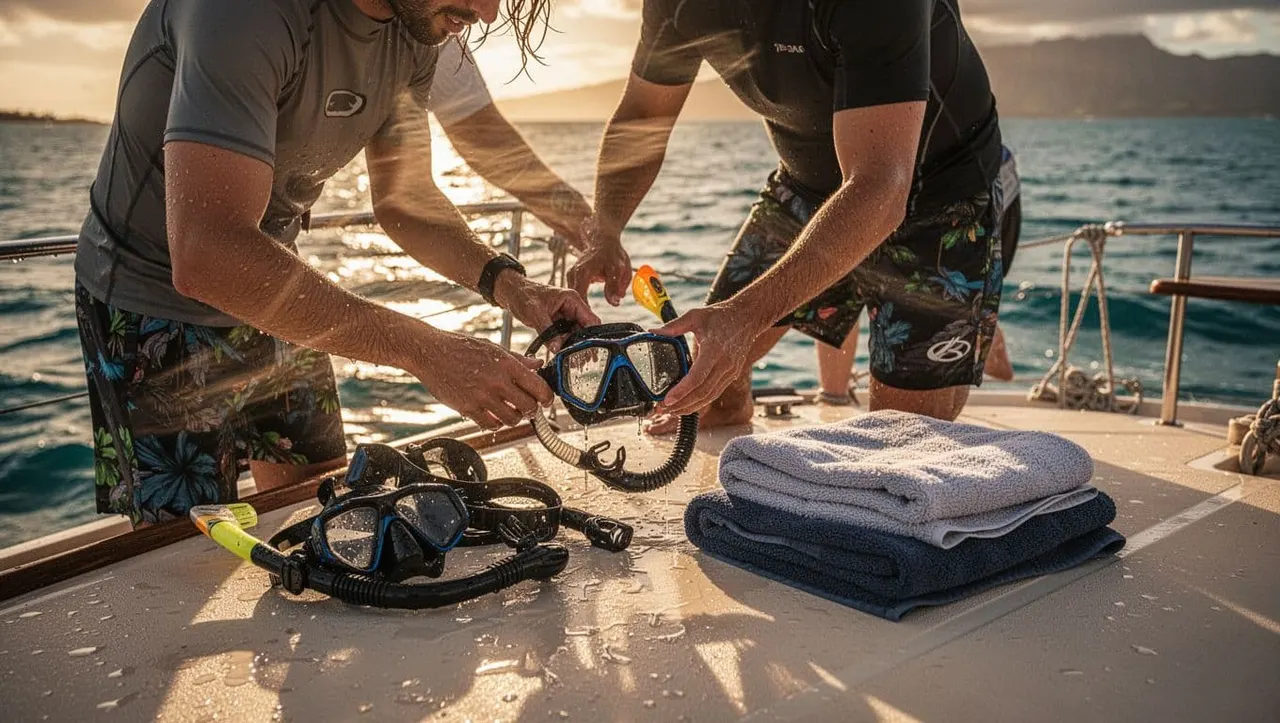
Pack a wet-clothes plan before you leave the hotel
Your best storage system starts before you reach Kewalo Basin. Wear the swimsuit you plan to use, then bring a light cover-up and dry clothes for the ride back to your hotel. A cotton outfit can feel heavy after it absorbs spray, while quick-drying athletic fabric is easier to wear after a snorkeling stop.
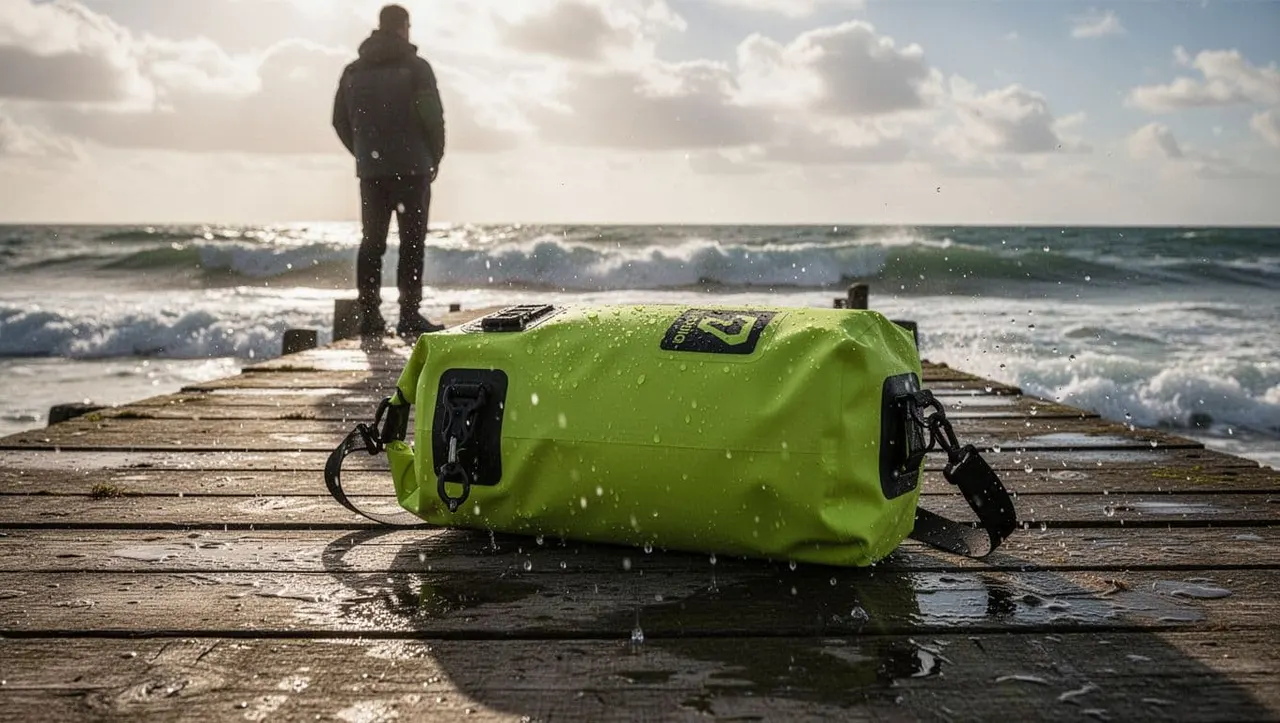
A reusable dry bag is the most useful item for a full-water excursion. Choose a size that fits your swimsuit, towel, and rash guard without forcing the roll-top closure. A small waterproof pouch works for a phone, room key, and cards, but don’t assume every pouch protects your belongings unless it has a secure seal.
A large plastic bag can work for a short trip home, especially if you don’t have a dry bag. However, plastic traps moisture and isn’t a good place to store wet clothing overnight. Use it as temporary wet-laundry storage, then remove the clothes as soon as you return.
General vacation packing advice also favors preparing a specific list instead of relying on memory. You can review this vacation packing guide before your departure, then add a dry bag and spare clothes for your ocean day.
Cruise travelers often use a separate bag for dirty or damp laundry. This cruise packing discussion covers that same basic idea, which works well after a Honolulu sailing trip.
Use three separate storage zones
Think of your belongings as three groups:
- Dry essentials include your phone, wallet, hotel key, camera, and clean clothes.
- Damp gear includes your swimsuit, rash guard, towel, and anything touched by seawater.
- Items that need air include wet shoes, snorkel masks, and clothing you won’t wear again that day.
The first group should stay sealed away from spray. The second belongs in a waterproof bag for the trip back. The third should come out of the bag quickly once you reach your hotel.
Don’t overfill your wet bag. A tightly packed bundle takes longer to dry, and the pressure can push water through a weak zipper or loose closure. Roll the bag carefully, wipe the outside before putting it near clean belongings, and keep it upright when possible.
How to keep wet clothes from soaking everything else
The most common mistake is mixing wet and dry items because the bag looks full. A towel can hold more water than a swimsuit, so wrapping both together may leave the whole bundle damp. If your bag has room, separate the towel from the smaller clothing items with a thin waterproof pouch.
Before storing a swimsuit, squeeze out excess water without twisting it hard. Aggressive twisting can stretch elastic fibers and damage delicate fabric. Roll the swimsuit in a towel, press gently, and place both items in the wet bag.
Sunscreen creates another storage issue. It can leave oily marks on clothing, straps, and bags. Keep sunscreen bottles in a small zippered pouch, and wipe the outside of each container before placing it beside your clean belongings. If a cap feels loose, store the bottle in its own sealed bag.
Saltwater also affects goggles, masks, fins, and other equipment. Follow the crew’s instructions for rinsing and returning rental gear. If fresh water is available, rinse salt and sunscreen away before packing personal equipment. Otherwise, keep wet gear contained until you can wash it properly.
A dry storage compartment protects belongings from spray, but it doesn’t dry a wet swimsuit. Separate containment still matters.
Never hang clothing over railings, ladders, or seats while the boat is moving. Loose items can blow away, block walkways, or create a safety problem for other guests. Ask the crew where you can place a towel or cover-up, and keep walkways open.
A waterproof dry bag is also useful on a boat because it stays closed when the deck gets busy. Choose a bright color so you can find it quickly, but avoid bringing a bag so large that it takes up seating or blocks another guest’s belongings.
Living Ocean Tours makes wet-gear storage easier
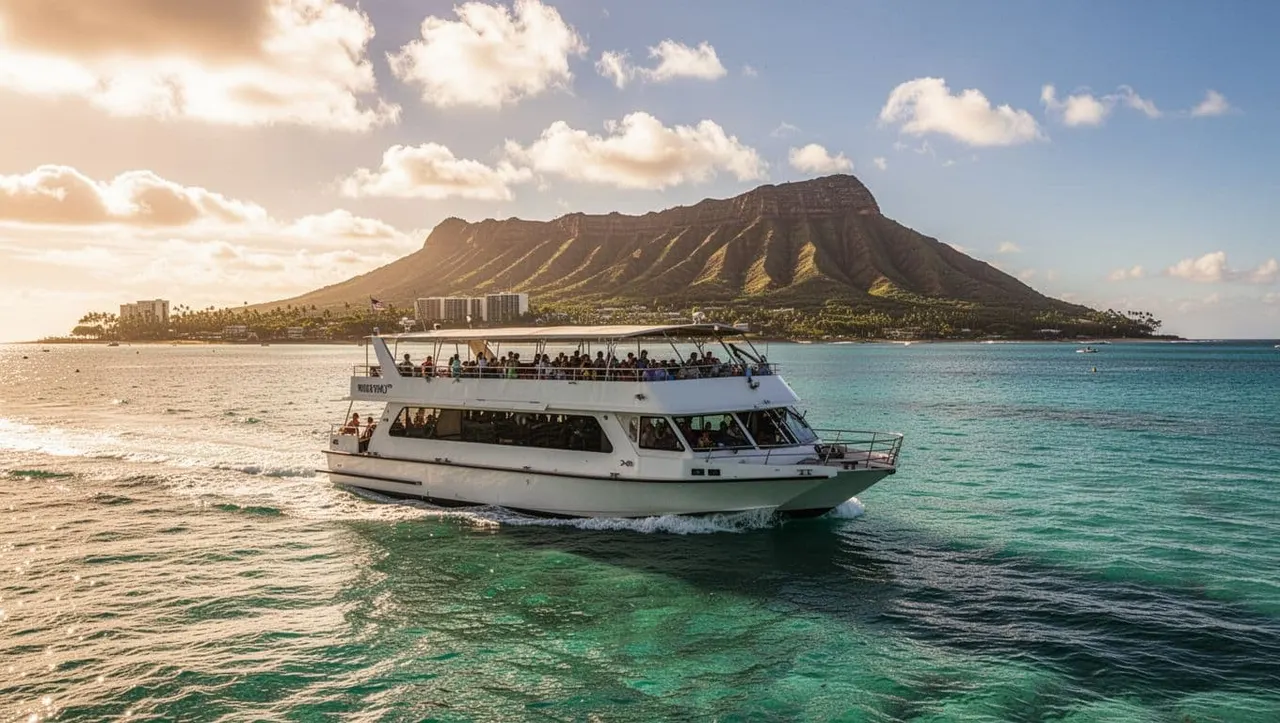
Living Ocean Tours departs from Kewalo Basin Boat Harbor, a short drive from Waikiki Beach. Its Coast Guard-inspected double-decker vessels, the Coral Kai and the Lokahi, include dry storage, shaded seating, onboard restrooms, and heavy-duty ladders for water entry.
That setup helps you manage the transition between the water and the ride home. You can keep personal items in the designated dry area, use the restroom to change if appropriate, and ask the crew about the best place for damp clothing. Bring your own wet bag because storage arrangements can vary by trip and personal items should stay organized.
The Lokahi also has a SeaKeeper stabilization system that limits rolling. That added steadiness is useful when you’re carrying a damp towel, changing layers, or moving back to your seat after snorkeling. The Coral Kai offers expansive open-deck space for guests who want sun and broad views along the Waikiki coastline.
Living Ocean Tours is the only tour company with professional snorkel guides. The crew helps first-time snorkelers with safety instructions, water entry, and responsible wildlife viewing. You can browse the company’s Living Ocean Tours experiences to compare snorkeling, sunset, fireworks, and seasonal whale-watching trips.
When you return to shore, keep your wet bag closed until you’re away from other passengers. Then remove the clothes, rinse them according to the care instructions, and hang them where air can circulate.
Choose a Waikiki boat tour based on how wet you’ll get
Your storage plan should match the activity. Snorkeling trips require a full wet-clothing setup, while a sunset or fireworks cruise usually needs only protection from spray and a spare layer.
| Tour type | Likely wet gear | Best storage plan |
|---|---|---|
| Turtle snorkeling | Swimsuit, towel, rash guard, wet gear | Full-size dry bag and spare outfit |
| Deluxe snorkeling cruise | Swimsuit, towel, water-activity gear | Large dry bag with separate towel space |
| Sunset cruise | Possible spray, light cover-up | Small waterproof pouch and light jacket |
| Whale watching | Little direct water contact | Compact dry bag for wind or spray |
| Friday fireworks cruise | Possible spray and evening breeze | Waterproof pouch plus warm, dry layer |
The following Living Ocean Tours options let you plan your clothing before you arrive.
Turtle Canyon snorkeling
The Turtle Canyon Snorkel Excursion is the wettest option on this list because you enter the water to look for Hawaiian green sea turtles, tropical fish, and reef life. Living Ocean Tours reports a 95% success rate for spotting turtles at a natural underwater cleaning station.
Bring a swimsuit, towel, dry clothes, and a waterproof bag with enough room for everything you wear in the water. Professional snorkel guides provide instruction and help you use the ladder safely, which makes the experience approachable for first-time snorkelers.
Observe wildlife without touching it. Keep your distance from turtles and coral, follow crew directions, and avoid standing on the reef.
Deluxe snorkeling and wildlife cruise
The Deluxe Waikiki Snorkeling and Wildlife Cruise visits a less-crowded reef and adds water activities for families and active travelers. The boat-mounted waterslide, water trampoline, and floating lily pad can leave you wetter than a standard snorkel stop.
Use a larger dry bag for this cruise. Give your towel its own space, and bring a dry shirt for the ride back. Children should have a complete change of clothes, including underwear and comfortable footwear.
The crew can guide you through the water activities, while you help protect the reef by observing marine life without touching it.
Waikiki sunset cruise
The Waikiki Sunset Cruise usually requires less wet-clothing preparation. You may still encounter sea spray, especially on an open deck, and the breeze can feel cooler after the sun drops.
Pack a light layer, a small towel, and a waterproof pouch for your phone. The cruise offers BYOB and cash-bar options, so keep your wallet in a sealed pouch rather than loose in a beach bag. You won’t usually need a full change of clothes unless you plan to sit close to the rail or expect rougher conditions.
Whale watching and Friday fireworks cruises
The seasonal whale-watching tour runs from January through March. You generally stay on board, but wind and spray can still reach the open deck. A compact dry bag protects your phone and camera, while a light jacket keeps you comfortable during longer periods outside.
For a Friday evening, the Friday Night Waikiki Fireworks Cruise calls for a similar plan. Add a dry layer for the ride home, since the breeze often feels stronger after sunset. Keep your phone protected while you take pictures and follow crew instructions around the railings.
What to do during your first hour after docking
Your wet-clothes plan matters most after the boat returns. If you’re heading to dinner, shopping, or another activity, change as soon as practical. Staying in a wet swimsuit under dry clothing can cause chafing and makes the rest of your evening uncomfortable.
Use the following order:
- Remove damp clothes and place them in the wet bag.
- Rinse saltwater from your skin if fresh water is available.
- Change into dry clothes before leaving the harbor.
- Rinse personal swimwear with clean water at your hotel.
- Hang each item separately in a ventilated space.
Don’t leave wet clothing in the bottom of your suitcase, inside a closed car, or in a hotel closet. Heat can intensify odors, while poor airflow slows drying. A bathroom with a fan can work, but spread items over separate hangers instead of folding them over one another.
Wash sunscreen and salt from swimsuits according to the garment label. Avoid high heat unless the care instructions allow it, because elastic fibers can wear out faster. Rinse dry bags as needed and leave them open to dry completely.
If your group includes children, pack one extra outfit beyond what you think you’ll need. Kids may use a slide, trampoline, or lily pad more than once, and a second dry layer can prevent a small splash from ending the day early.
Conclusion
A Waikiki boat tour is easier to enjoy when you decide where wet clothes will go before you board. Keep clean items separate, use a waterproof bag for swimwear and towels, and change soon after docking.
Snorkeling trips require the most preparation, while sunset, whale-watching, and fireworks cruises usually need only protection from spray and a dry layer. With the right storage plan, you can leave the harbor comfortable, organized, and ready for the rest of your Honolulu evening.


