
Waikiki Boat Tour Tips for Travelers With Vertigo
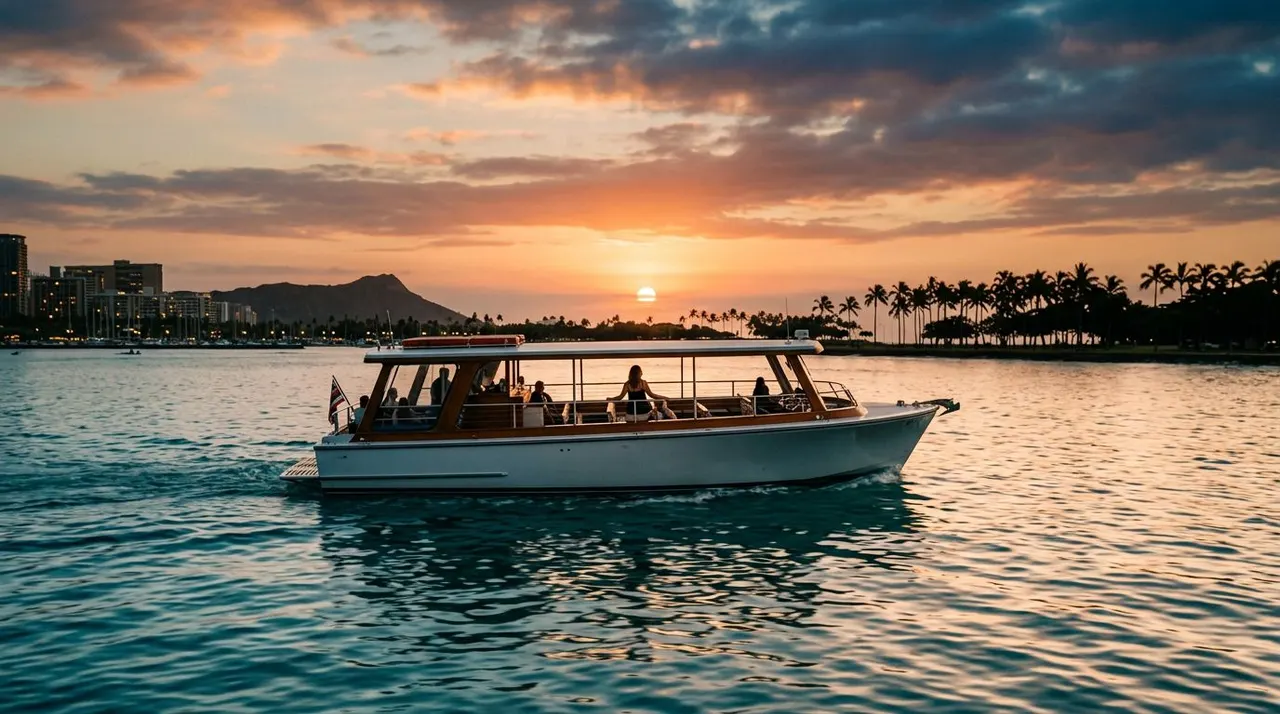
Living Ocean Tours runs near Waikiki, and if you get vertigo, that detail matters as much as the view. A Waikiki boat tour can feel smooth and easy when the boat is steady, the route is predictable, and the crew knows how to guide you. It can feel rough when you sit in the wrong spot or try to ignore early symptoms.
The good news is that you have more control than you think. With the right boat, the right timing, and a few smart habits, you can enjoy the water without spending the whole ride bracing yourself.
Key Takeaways
- Stable boats matter most. A wide hull, a calm route, and sensible seating can make a big difference.
- Sunset cruises and whale watching are often easier choices than more active snorkel trips.
- Where you sit counts. Midship, lower-deck seats usually feel steadier than the bow or stern.
- Preparation helps. Eating lightly, hydrating, and avoiding too much alcohol can reduce the chance of a bad ride.
- Living Ocean Tours offers extra support. The company has professional snorkel guides, stabilized vessels, and beginner-friendly trips.
What Vertigo Feels Like on the Water
The mismatch between your eyes and inner ear
Vertigo on a boat usually starts with a mismatch. Your eyes see one thing, your inner ear feels another, and your body gets mixed signals. A small roll in the boat may not bother your travel partner at all, yet it can make your head feel full, off-balance, or spinning.
That mismatch gets worse when you look down at a phone, turn your head quickly, or sit where the boat moves more. The ends of the boat usually swing more than the middle. The outer edge of the deck can also feel less stable than a seat near the center.
Waikiki water is often calmer than people expect, but calm and motion-free are not the same thing. Even a gentle swell can feel sharp if you are already sensitive.
Vertigo and seasickness are related, but not identical
Motion sickness usually brings nausea first. Vertigo often feels like the room is moving, tilting, or spinning. Sometimes the two show up together, which makes the ride harder.
That matters because a strategy that helps one person may not help you. A candy mint or a fresh breeze might settle a queasy stomach, but if your balance system is the main problem, you need a steadier seat and a calmer plan.
If your vertigo is new, severe, or tied to another symptom like a headache or hearing change, talk with a clinician before you book. If you want general travel habits that help with dizziness, travel tips for travelling with dizziness and Able2Travel’s vertigo guidance both point to the same basics, keep alcohol light, plan ahead, and speak up before symptoms build.
How to Choose the Calmest Waikiki Boat Tour
A good boat choice can change the whole day. Some tours are built for movement and play. Others are better when you want a seated ride, open water views, and a slower pace.
| Tour type | Motion level | Best for you if… | Vertigo-friendly detail |
|---|---|---|---|
| Waikiki Sunset Cruise | Low to moderate | You want a relaxed evening and a softer pace | The ride is usually seated and easy to settle into |
| Whale Watching Tour | Low to moderate | You want open-water sightseeing with less in-and-out movement | You can stay focused on the horizon and stay still more often |
| Friday Night Fireworks Cruise | Low | You want a short outing with a clear beginning and end | The route is predictable and the trip stays compact |
| Turtle Canyon Snorkel Excursion | Moderate | You want guided snorkeling and calm coaching | Professional guides help you move at a comfortable pace |
| Deluxe Waikiki Snorkeling and Wildlife Cruise | Moderate to active | You want onboard fun, including a slide and water trampoline | Great for mild motion sensitivity, less ideal for strong vertigo |
If you want the calmest place to start, a sunset cruise or whale watch is usually the easiest pick. For a low-pressure evening, CHECK AVAILABILITY on the Waikiki Sunset Cruise is a smart first step. If your trip lines up with whale season, CHECK AVAILABILITY for whale watching gives you a quieter kind of ocean time. For a short night outing, the Friday fireworks cruise can work well too.
What Makes a Boat Feel Steadier on the Water
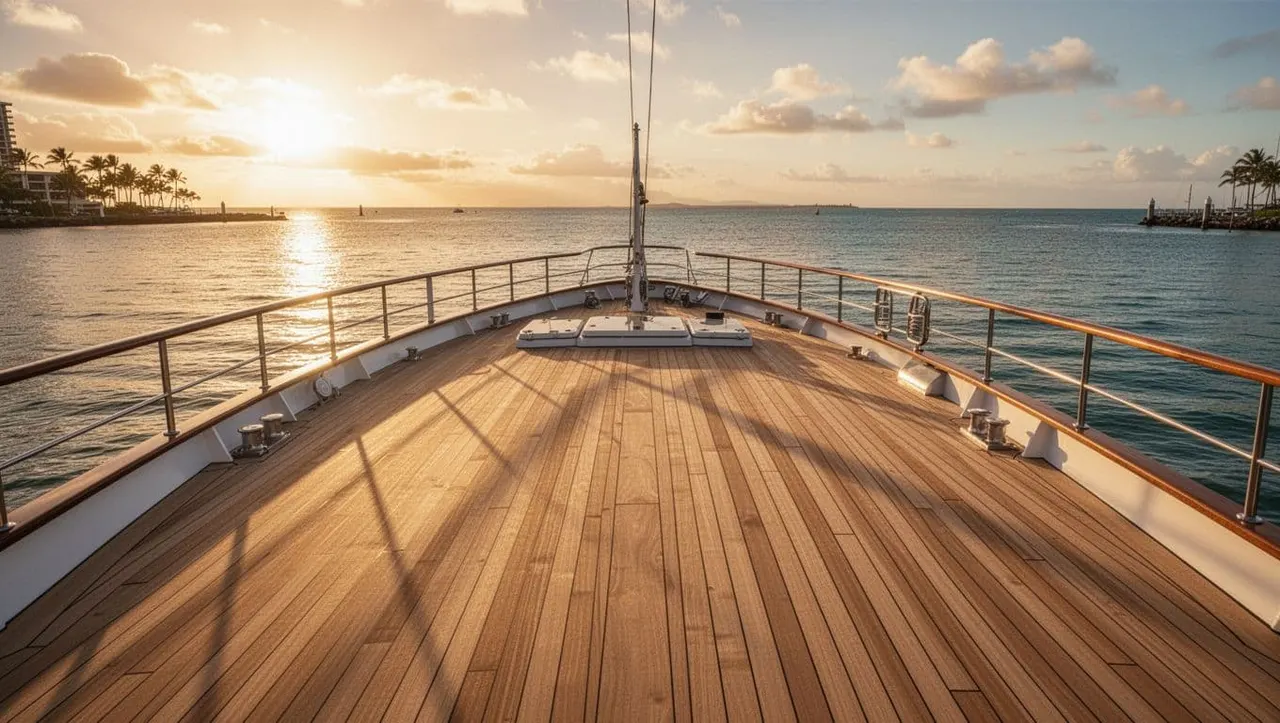
A boat does not have to be huge to feel steady. It does need the right layout, a sensible center of gravity, and a crew that keeps the pace calm.
The best ride for vertigo is usually the one that gives you a steady horizon, a stable seat, and a crew that knows when to slow things down.
Living Ocean Tours uses Coast Guard-inspected, custom-built double-decker vessels, the Coral Kai and the Lokahi. The Lokahi has a state-of-the-art SeaKeeper vessel stabilization system, which helps reduce roll. That matters when you are sensitive to motion because even small side-to-side movement can set off symptoms fast.
The Coral Kai has wide open-deck space, which gives you room to breathe and look toward the horizon. The Lokahi adds shaded seating, a cash bar, a waterslide, restrooms, dry storage, and heavy-duty ladders. Those details sound small until you need them. A restroom close by, a dry place for your bag, and an easy way back on board all cut down on stress.
The crew matters just as much as the hardware. If you know you get dizzy, tell someone before the boat leaves the dock. A good crew can help you choose a seat, explain the route, and keep you from feeling rushed.
How to Prepare Before You Leave the Dock
A smooth boat ride starts before boarding. The small choices you make that morning can help your body stay steady once the engines start.
- Eat lightly. A full greasy meal can make motion feel worse, but boarding hungry can backfire too. A simple breakfast or snack usually works better.
- Hydrate early. Water helps, but avoid chugging a huge amount right before departure. You want comfort, not a sloshing stomach.
- Skip too much alcohol. That matters on any boat. The same habit shows up in general travel advice, and it matters even more when your balance already feels fragile.
- Sit where the motion is smallest. Midship and lower-deck seats usually move less than the front or back of the boat. If you can face forward, even better.
- Keep your eyes on the horizon. Looking outside helps your brain match what your body feels. Phones, books, and quick head turns usually make things worse.
- Tell the crew early. You do not need to wait until you feel sick. A quick heads-up gives the crew a chance to help before the problem builds.
If you already use motion-sickness medicine, wrist bands, or another method that works for you, bring it only if your clinician or pharmacist has said it is safe. You do not want surprises once you are on the water.
Why Living Ocean Tours Fits Vertigo-Prone Travelers
Living Ocean Tours is based at Kewalo Basin Boat Harbor, just minutes from Waikiki Beach in Honolulu. That makes the start of your trip easier because you are not spending half the day getting to the boat.
You can compare the current Living Ocean Tours experiences before you choose the ride that fits your comfort level. The lineup gives you options, which matters when your body does not love surprises.
The boats are built with comfort in mind
The company’s Coral Kai and Lokahi are designed for steady ocean travel. The SeaKeeper system on the Lokahi helps limit roll, and that can make a real difference if your inner ear reacts to even small motion. Shaded seating, restrooms, and dry storage also keep the trip simple.
That kind of setup helps you settle in faster. You are not hunting for space, scrambling for shade, or worrying about where to put your bag.
The crew gives you clear direction
Living Ocean Tours is the only tour company with professional snorkel guides, and that matters if you want calm, clear instruction in the water. If you are nervous about balance, a guided crew can reduce the mental load before you even step off the ladder.
The tone is beginner-friendly, family-friendly, and respectful of the ocean. The crew reminds guests to observe, not touch, which protects Hawaii’s fragile marine life and keeps the pace controlled.
Reviews help you judge the fit
If you want extra reassurance before you book, recent guest feedback can help. You can scan the review widget below and see how other travelers describe the boats, the crew, and the overall experience.
If a calm evening ride sounds like the right place to start, the Waikiki Sunset Cruise is one of the easiest options to picture. When your goal is a smooth first step onto the water, a little structure goes a long way.
When a Snorkel Tour Still Makes Sense
You do not have to rule out snorkeling just because you have vertigo. You do need the right conditions, a steady boat, and a crew that knows how to guide first-timers.
Living Ocean Tours’ Turtle Canyons Snorkel Excursion is built around a natural underwater cleaning station where Hawaiian green sea turtles are often spotted. The company says the trip has a 95% success rate for turtle sightings, which is one reason people keep booking it. The site to check first is CHECK AVAILABILITY if you want to see dates that fit your trip.
A snorkel trip may still work for you if your vertigo is mild and you feel better when you have clear direction. Professional guides help with entry, exit, and pacing. That support reduces the chance that you will feel stuck or rushed.
The Deluxe Waikiki Snorkeling and Wildlife Cruise is more active because it adds a waterslide and a water trampoline. That makes it a fun choice for families and groups, but it is not the first pick if your balance gets shaky easily. If you want to book it anyway, CHECK AVAILABILITY is the place to check current openings.
The key is honesty about your symptoms. If you know a boat slide, a ladder, or a fast turn can set you off, choose the calmer ride. If you know you feel better once you are on stable open water, a guided snorkel trip can still be part of your Waikiki plan.
Conclusion
Vertigo does not have to cancel your time on the water. The right Waikiki boat tour gives you a stable deck, a clear plan, and a crew that knows how to keep the ride manageable.
If you start with the calmest option, sit where the motion is lowest, and prepare before you board, you give your body a much better chance to cooperate. That is how the ocean starts to feel welcoming again instead of overwhelming.


