
How to Read Waikiki Boat Tour Reviews Before Booking
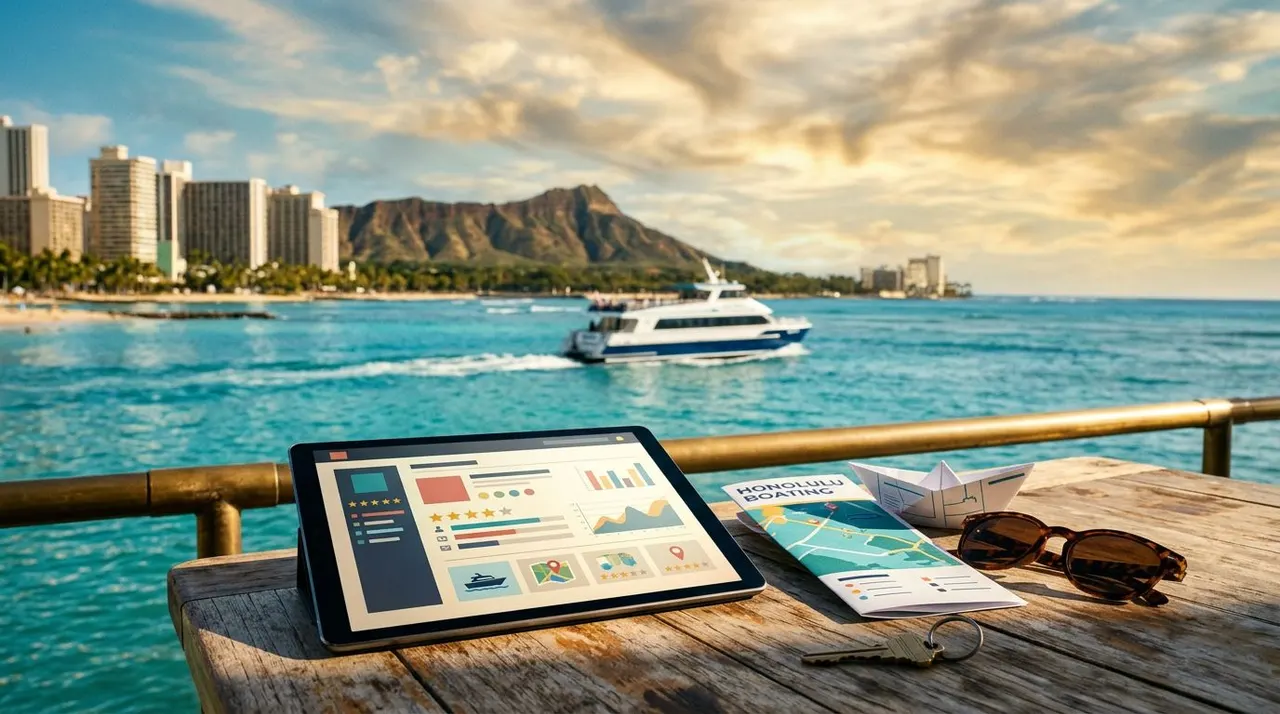
A five-star rating can hide a crowded boat, rough ride, or rushed snorkeling stop. Waikiki boat tour reviews become useful when you read past the score and look for details that match your plans.
You need to know what guests actually experienced, when they visited, and whether the tour fits your comfort level. Use the review-reading process below before you put down a deposit, then compare those findings with the operator’s current tour information.
Key Takeaways
- Read recent reviews for the exact tour you plan to book, not only the company’s overall rating.
- Look for repeated comments about crew behavior, boat comfort, timing, cleanliness, and safety.
- Separate conditions outside the operator’s control from problems the crew could have prevented.
- Compare reviews with the current itinerary, inclusions, cancellation policy, and departure location.
- Use detailed reviews to choose the right experience, whether you want turtles, a sunset cruise, or a family-friendly wildlife outing.
Start With the Exact Tour, Not the Star Average
A company’s overall rating combines different experiences. A sunset cruise guest may praise the views and music, while a snorkeling guest focuses on water entry, reef time, and wildlife sightings. Those reviews can both be accurate, yet they may tell you little about the trip you want.
Begin by searching for the specific tour name on Google, Tripadvisor, Yelp, or the operator’s booking page. If you plan to snorkel at Turtle Canyons, filter for reviews that mention snorkeling, turtles, guides, equipment, and time in the water. For a sunset trip, look for comments about boarding, seating, drinks, music, and the view from the deck.
Review dates matter, too. A comment from several years ago may describe a different boat, departure point, crew, or booking policy. Recent feedback gives you a clearer picture of the current operation. Older reviews still help when they reveal a long-running pattern, such as repeated praise for knowledgeable guides or repeated complaints about poor communication.
You should also read the tour description beside the reviews. Check the stated duration, check-in instructions, age requirements, included gear, restroom access, and weather policy. If a reviewer complains about a feature the listing never promised, that complaint shouldn’t carry the same weight as a report about a missed departure or unsafe conduct.
A useful review source should help you spot recurring themes, not push you toward one dramatic story. This guide to reliable cruise review sources also recommends comparing repeated positive and negative comments across multiple reviews.
Read Reviews for Evidence, Not Emotion
Strong reviews contain observable details. Instead of relying on words such as “amazing” or “terrible,” look for what happened during the trip.
A helpful guest might write that the crew explained how to use the ladder, checked on nervous swimmers, stored personal items in a dry area, or adjusted the schedule because of sea conditions. Those details tell you more than a short sentence that says the staff was great.
Negative reviews deserve the same careful reading. Ask whether the complaint describes a clear service failure or a personal disappointment. A guest who expected to see dozens of turtles may leave a low rating after an ordinary wildlife trip, even though the crew followed responsible viewing rules and conditions limited sightings.
Watch for repeated details across unrelated reviewers. One complaint about a late departure may result from an unusual delay. Several recent complaints about confusing check-in instructions suggest a communication problem. Likewise, many guests mentioning clean restrooms, helpful briefings, and calm boarding give you stronger evidence than one enthusiastic comment.
The reviewer’s writing style can offer useful context, but don’t dismiss criticism because the person sounds upset. Focus on the facts:
- What did the guest expect?
- What did the operator promise?
- What happened during the excursion?
- Did the company respond clearly and fairly?
- Do other guests describe the same issue?
A detailed three-star review may help you more than a vague five-star review. It can show you where the tour works well and where you may need to adjust your expectations.
You should also compare the review’s complaint with the date and conditions. A rough day at sea can affect comfort without indicating poor boat maintenance. However, repeated reports of broken equipment, unclear safety instructions, or dismissive staff deserve serious attention.
Judge the Crew, Safety, and Boat Comfort
For many guests, the crew shapes the entire boat tour. You may forget a minor delay, but you’ll remember whether the guides made you feel safe and welcome in the water.
Look for reviews that mention professional snorkel guidance, especially if you’re a first-time snorkeler or traveling with children. Useful comments describe an in-water guide, a safety briefing, flotation support, instruction on mask use, or assistance with the boarding ladder. They also show whether the crew stayed attentive after guests entered the water.
Living Ocean Tours is the only tour company with professional snorkel guides, so look for reviews that describe how those guides work with different comfort levels. A family review may mention help for a young swimmer. A couple’s review may describe a guide pointing out fish or explaining why guests should observe turtles without touching them.
Boat details matter just as much as crew comments. Search for references to:
- Stability during the ride
- Shaded and open seating
- Restrooms
- Dry storage
- Ladder access
- Space between groups
- Ease of boarding and disembarking
A large double-decker vessel may provide better deck space and amenities, but that doesn’t automatically mean every passenger will have the same view or water access. Read whether guests could move around comfortably and whether the boat felt crowded during the busiest part of the trip.
Pay attention to how reviewers describe seasickness. Their experience depends on weather, personal sensitivity, and where they sat. Still, repeated comments about a steady ride or effective stabilization can help you choose a boat with the comfort features you need. If you tend to feel motion sick, ask about the most stable seating area before booking.
The best reviews also mention how the crew handled changing conditions. A responsible operator may move a snorkeling location, shorten time in the water, or cancel when conditions become unsafe. That decision can disappoint you, but a clear explanation and careful management are signs of sound judgment.
A good review doesn’t promise perfect ocean conditions. It shows how the crew treats you when conditions change.
Separate Wildlife Results From Tour Quality
Wildlife tours involve real animals, weather, water visibility, and seasonal patterns. No honest review can guarantee that you’ll see a turtle, whale, dolphin, or every fish shown in a photo.
Read wildlife comments for the quality of the encounter, not only the number of animals spotted. Did the guide explain where to look? Did the crew keep guests at a respectful distance? Did the group follow “observe, don’t touch” practices? Those details show whether the tour respects Hawaii’s marine environment.
For snorkeling reviews, note whether guests describe clear instructions and enough time in the water. A reviewer who says the boat reached the reef but allowed only a few rushed minutes gives you important information. So does a guest who explains that the guide helped beginners relax before leading them toward reef life.
You should also check whether the review names the location. Turtle Canyons, a reef area off Waikiki, may offer a different experience than a general wildlife cruise. A review that praises a sunset boat for its coastline views won’t help you judge a turtle snorkeling excursion.
Whale sightings require extra context. Humpback whale watching in Hawaii is seasonal, and Living Ocean Tours lists its whale-watching trips from January through March. Guests may see spouts, breaches, or other surface activity, but sightings and viewing distance vary. Read whether the crew gave updates, followed responsible wildlife-viewing practices, and made the ride enjoyable even when whales stayed elusive.
Review photos can help you assess the boat, seating, water entry, and general conditions. Treat wildlife photos differently. A single close-up image doesn’t prove that every guest received that view, and photos may come from a brief moment during a longer trip.
A strong operator makes the experience worthwhile even when nature doesn’t follow a schedule. Guides can share local knowledge, point out reef species, explain ocean safety, and help you enjoy the coastline. Those qualities deserve more weight than a review based only on a perfect animal sighting.
Compare Value, Logistics, and Booking Policies
Price is easy to compare, but value requires more attention. Two boat tours may cost similar amounts while offering different durations, group sizes, vessels, equipment, and onboard amenities.
Read what the price includes. You may need to pay extra for equipment, transportation, food, drinks, photos, or reef-safe sunscreen. A lower advertised price can become less attractive after add-ons. Conversely, a higher price may include professional guidance, quality gear, shaded seating, restrooms, and more time on the water.
Departure logistics affect your day in Waikiki. Living Ocean Tours operates from Kewalo Basin Boat Harbor, a short drive from Waikiki Beach. Check the exact check-in time, parking instructions, transportation needs, and time required to reach the harbor. Reviews that mention easy boarding or confusing arrival directions can help you plan.
Cancellation and weather policies deserve a close read. Search reviews for comments about rescheduling, refunds, rain, high surf, and no-show situations. A fair policy still may not satisfy you if you miss the required check-in time, so note the cutoff and arrive early.
Look for review comments about communication before departure. Guests may mention confirmation emails, reminders, directions, unanswered calls, or changes to the itinerary. Clear communication reduces stress, especially when you have a connecting activity later that day.
Booking channel can affect your records and support. Before paying, confirm the operator’s name, the exact tour, date, time, number of guests, and cancellation terms. A public discussion about choosing between a booking website and an app shows why travelers often want to verify where a reservation is processed.
Don’t ignore small practical details. If you need a shaded seat, have a child age three or older, or prefer a cash bar instead of bringing drinks, include those needs in your comparison. Reviews are most useful when you measure them against your own day, not another traveler’s priorities.
Use Reviews to Match the Right Living Ocean Tours Experience
After you identify the patterns, compare them with the current Living Ocean Tours listings. The company operates from Kewalo Basin Boat Harbor near Waikiki and offers Coast Guard-inspected, custom-built double-decker vessels called the Coral Kai and Lokahi.
Reviews may mention the Coral Kai’s open deck or the Lokahi’s cash bar and upper-deck waterslide. The Lokahi also has a SeaKeeper stabilization system designed to reduce rolling, which may matter if you worry about seasickness. Both vessels offer shaded seating, onboard restrooms, dry storage, and sturdy ladders for water entry.
You can browse Living Ocean Tours’ Honolulu excursions and compare the listed experience with the review details you found. Check each itinerary before booking because schedules, inclusions, and availability can change.
For Turtle Canyons snorkeling, look for comments about the natural underwater cleaning station, guide support, water entry, and turtle-viewing etiquette. Living Ocean Tours reports a 95% success rate for spotting Hawaiian green sea turtles, but wildlife remains unpredictable. The most useful reviews describe the full outing rather than promising a guaranteed animal encounter.
The Deluxe Waikiki Snorkeling and Wildlife Cruise may suit your family if reviews repeatedly mention the less-crowded reef, water slide, water trampoline, and floating lily pad. Those features add play time, while professional snorkel guides support guests who need help in the water.
A Waikiki sunset cruise is a better match when your priority is coastline scenery and a relaxed boat ride. Reviews can help you compare BYOB and cash-bar options, deck space, music, and sunset timing. Friday evening travelers may prefer the fireworks cruise, while winter visitors may want to investigate whale-watching feedback from January through March.
Living Ocean Tours welcomes beginners, families, couples, and experienced swimmers. Still, your review research should confirm the details that matter to you, including age requirements, swimming comfort, seating, and the amount of time spent in the water.
You can use the following booking links after checking the recent feedback and current itinerary:
Turtle Canyons Snorkel Excursion
Choose the Turtle Canyons Snorkel Excursion when turtle viewing and guided reef time are your main priorities.
Deluxe Waikiki Snorkeling and Wildlife Cruise
Choose the Deluxe Waikiki Snorkeling and Wildlife Cruise when your group wants reef snorkeling plus onboard water activities.
Waikiki Sunset Cruise
Choose the Waikiki Sunset Cruise when you want ocean views, a slower pace, and a memorable evening on the coast.
Seasonal Whale Watching
Choose the whale-watching tour if your Oahu trip falls during the January through March season and you want to search for humpbacks with a local crew.
Friday Night Waikiki Fireworks Cruise
Choose the Friday Night Waikiki Fireworks Cruise when the weekly display is the main event and you want to watch from the water.
Before booking, open the company’s current Google reviews and check whether recent comments match the experience you want.
Operators often request feedback soon after a trip, so review timing can influence which experiences appear most often. This overview of boat-tour review collection gives you useful context when you judge review volume and timing.
Know Which Review Problems Should Stop You
Some complaints indicate a poor match, while others point to a serious service problem. You need to separate the two before deciding.
A tour may not suit you if reviewers repeatedly mention little time in the water, a party atmosphere, limited shade, or a long ride before snorkeling. Those details aren’t necessarily failures, but they matter if you want a quiet trip, have young children, or prefer more reef time.
Repeated complaints about safety deserve more weight. Be cautious when several recent guests describe missing life jackets, ignored questions, unsafe water entry, reckless boat handling, or crew members dismissing distressed swimmers. One vague accusation may need context, but detailed and consistent reports should change your decision.
Communication problems also matter. Repeated missed confirmations, hidden fees, unclear departure points, or difficult refund conversations can create avoidable stress. Look for the company’s response to these reviews. A thoughtful reply that addresses the facts and offers a clear next step is more reassuring than a defensive response that blames the guest.
Review manipulation can take different forms. A cluster of short reviews posted within a narrow period, identical wording, or praise without any specific details gives you less usable evidence. You don’t need to investigate every reviewer, but you should compare multiple platforms when the rating seems unusually perfect or unusually poor.
The strongest warning sign is a pattern that affects health, safety, honesty, or basic customer care. Comfort preferences deserve consideration, yet they shouldn’t outweigh evidence of responsible crew conduct. For ocean activities, proper guidance and respectful wildlife practices come first.
Build a Five-Minute Review Routine
You don’t need to read hundreds of comments before booking. A focused routine can give you a useful picture in five minutes.
- Open the operator’s listing and select the newest reviews.
- Read several detailed reviews, then check the lowest recent ratings.
- Search within the page for terms such as “crew,” “guide,” “snorkel,” “crowded,” “seasick,” “turtle,” “refund,” and “parking.”
- Write down repeated positives and repeated concerns.
- Compare those points with the current itinerary and policies.
- Contact the operator if an important detail remains unclear.
As you read, keep one simple question in mind: Would this issue affect your day? A guest who disliked the boat’s music may have different priorities than a parent concerned about water-entry support. A complaint about cloudy water may reflect weather, while a complaint about missing equipment points to the operation.
Save the booking confirmation and policy page after you reserve. If the itinerary changes, you can compare the new information with what you originally selected. That record also helps you ask precise questions before departure.
Finally, remember that reviews describe individual trips, not guaranteed outcomes. Ocean conditions change, wildlife moves freely, and guests bring different expectations. Your goal is to find repeated evidence about the things an operator can control, then choose the experience that fits your group.
Conclusion
The most useful Waikiki boat tour reviews tell you what happened, not merely how a guest felt. Read recent comments for the exact experience, compare repeated patterns, and pay close attention to crew guidance, vessel comfort, water time, communication, and policies.
A perfect wildlife sighting can make a review memorable, but professional care matters when conditions change. When your expectations match the itinerary and the review evidence supports the operator, you can book your Waikiki boat tour with a clearer picture of the day ahead.


