
Waikiki Boat Tour Tips for Open-Water Anxiety
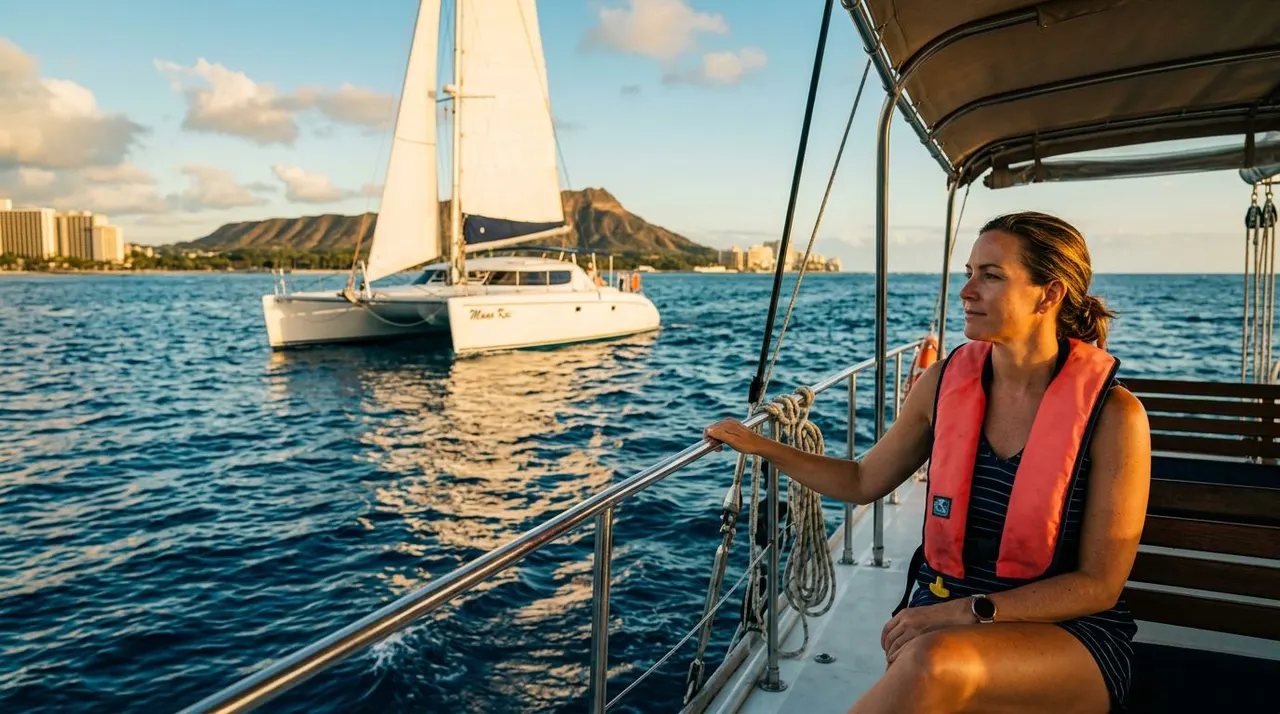
A Waikiki boat tour can feel intimidating when deep water, waves, or limited visibility trigger your fear. You may want to see sea turtles, reefs, sunsets, or whales, but your mind keeps picturing everything that could go wrong.
You don’t need to become a confident swimmer before enjoying the Pacific. With the right boat, experienced guides, and a gradual plan, you can stay comfortable while deciding how much water feels right for you.
Key Takeaways
- Choose a stable, guided boat tour instead of entering open water alone.
- Tell the crew about your fear before departure so they can support you.
- A boat with shaded seating, restrooms, ladders, and easy water access can reduce stress.
- You can enjoy a Waikiki cruise without snorkeling, or enter the water only when you feel ready.
- Living Ocean Tours offers professional snorkel guides and several gentle ways to experience the Waikiki coast.
Why Open Water Feels So Difficult
Fear of open water often comes from uncertainty. You may not know how deep the ocean is, what lives below you, or how quickly conditions can change. Even calm water can feel threatening when you can’t see the bottom.
Your body may react before you have time to think. You might breathe faster, grip the boat rail, tense your shoulders, or feel unable to put your face in the water. Those reactions don’t mean you can’t enjoy an ocean activity. They mean your nervous system needs clear information and a slower pace.
Swimming pools can feel safe because they have visible edges, a floor, and familiar surroundings. The ocean has none of those features. Therefore, your first goal should be comfort, not performance.
You also don’t have to snorkel on your first boat outing. A sunset cruise, wildlife cruise, or scenic ride lets you experience the boat and coastline while keeping both feet on deck. Once you know how the vessel moves and how the crew communicates, the water may feel less mysterious.
If mask anxiety is part of your concern, gradual practice can help. A practical snorkeling guide describes simple ways to become more comfortable with water around your eyes and face. You can practice in a hotel pool or shallow beach water before your tour.
Your fear deserves respect. You should never feel pressured to jump in, swim farther, or stay in the water after panic begins.
Why a Boat Tour Can Feel Safer Than Swimming Alone
A guided boat trip gives you structure. You arrive at a specific harbor, meet a crew, receive instructions, and travel with people who know the local water. That predictability can make a major difference when your fear grows in unfamiliar places.
The boat also gives you a solid place to return to. You can sit in the shade, watch other guests, sip water, and regain your breathing before deciding what to do next. A heavy-duty ladder provides a clear exit from the water, while onboard restrooms and dry storage remove several small worries that can add up.
Living Ocean Tours operates out of Kewalo Basin Boat Harbor, just minutes from Waikiki Beach. Its Coast Guard-inspected, custom-built double-decker vessels include shaded seating, restrooms, dry storage, and ladders designed for easy water entry.
The Lokahi also has a SeaKeeper stabilization system. This anti-roll technology helps reduce side-to-side movement, which can make the ride more comfortable if boat motion or seasickness concerns you. The Coral Kai offers broad open-deck space, so you can choose a spot with a clear view of the horizon.
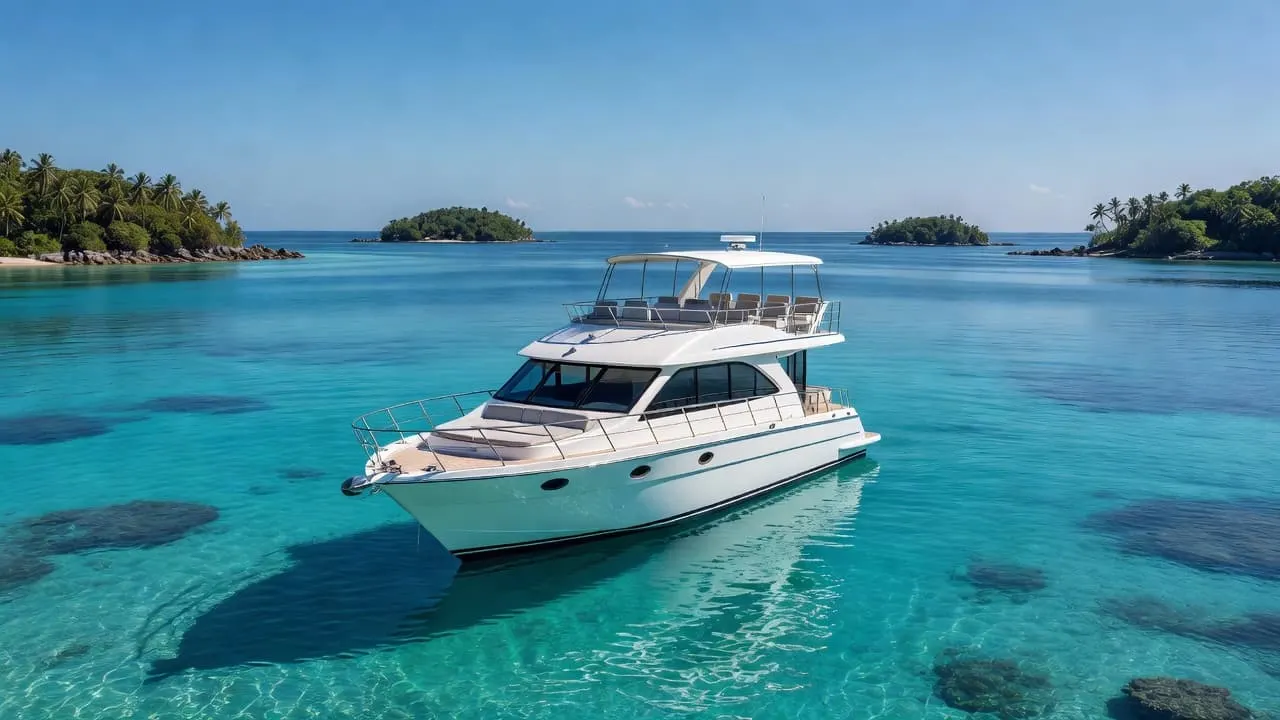
A stable vessel doesn’t remove every ocean sensation. You will still feel movement, wind, and waves. However, a well-equipped boat gives you choices. You can stay seated, watch the coastline, speak with the crew, or enter the water when your body feels ready.
You don’t have to prove anything on the ocean. A successful tour is one where you feel informed, respected, and in control of your choices.
Choose the Right Waikiki Boat Tour for Your Comfort Level
The best tour for you depends on what causes your anxiety. If deep water is the main concern, begin with a cruise that keeps you on deck. If you want to snorkel but fear the first entry, choose an experience with professional guidance and a stable return point.
Turtle Canyons Snorkel Excursion
The Turtle Canyons Snorkel Excursion is a strong option if Hawaiian green sea turtles are the reason you’re considering the ocean. The trip visits a natural underwater cleaning station near Waikiki, where turtles often gather. Living Ocean Tours reports a 95% success rate for turtle sightings, although wildlife encounters can never be guaranteed.
You can watch the crew demonstrate mask use, breathing, and ladder entry before deciding whether to participate. First-time snorkelers receive guidance in the water, and you can remain close to the boat or guide rather than swimming into a wide area alone.
Living Ocean Tours is the only tour company with professional snorkel guides, which matters when you need calm, direct help. The crew can help you adjust your mask, explain what you see, and point out a safe route back to the vessel.
Read the details for the Turtle Canyons Snorkel Excursion before you reserve your seat. The main tours page also lets you compare other ocean experiences if snorkeling feels too ambitious for your first outing.
Deluxe Waikiki Snorkeling and Wildlife Cruise
The Deluxe Waikiki Snorkeling and Wildlife Cruise adds more space and activities around the water. The boat visits a less-crowded reef and includes a water slide, water trampoline, and floating lily pad.
Those features can help families focus on play rather than worry. You can sit on the boat while children enjoy supervised water activities, or you can try the water at your own pace. The Lokahi’s stabilization system adds comfort during the ride.
This option suits you if your fear is strongest when the boat feels crowded or when you can’t find a comfortable place to pause. You get more ways to spend time on the water, including simply relaxing on deck and watching wildlife.
Waikiki Sunset and Fireworks Cruises
A sunset cruise may be your easiest introduction to a Waikiki boat tour. You remain on deck, watch Diamond Head and the shoreline, and enjoy the changing light without needing to enter the ocean.
Living Ocean Tours offers Waikiki Sunset Cruises with BYOB and cash-bar options. You can sit with your partner, enjoy the view, and become familiar with the vessel while the crew handles navigation.
The Friday Night Waikiki Fireworks Cruise offers another deck-based experience. You can watch the show from the water without snorkeling, making it suitable when your goal is to enjoy the coastline while building confidence around boats.
Seasonal Whale Watching
Whale watching is another way to experience open water without swimming. Living Ocean Tours runs seasonal Humpback Whale Watching tours from January through March. You can remain aboard while looking for blows, breaches, and other signs of humpback activity.
Wildlife sightings vary, so you should book this experience for the boat ride and ocean setting as well as the possibility of seeing whales. The deck gives you room to shift positions, sit down, or focus on the horizon if you feel uneasy.
How Living Ocean Tours Supports Nervous Beginners
You should tell the crew about your fear before the boat leaves the harbor. A short explanation helps them understand why you may want extra time, a nearby seat, or help with your mask.
Living Ocean Tours welcomes first-time snorkelers, families with young children ages 3 and older, and guests with different comfort levels in the water. Professional snorkel guides provide instruction instead of assuming you already know how to use your equipment.
You can ask the crew to show you how the mask seals before you enter the water. You can also request a demonstration of the ladder and ask where you should hold on when entering or exiting. Clear answers often reduce the mental images that make fear worse.
The company’s boats include shaded seating, dry storage, restrooms, and heavy-duty ladders. Those details matter because comfort continues between activities. You can dry off, change your position, protect yourself from the sun, and keep personal belongings secure.
Living Ocean Tours also emphasizes responsible wildlife viewing. You should observe turtles and other marine life without touching, chasing, or blocking their path. Respectful behavior protects Hawaii’s fragile ecosystem and gives you a calmer way to watch animals in their natural habitat.
Prepare Before You Board
Good preparation can lower anxiety before you reach the harbor. Start by choosing clothing that dries quickly and feels secure. Bring reef-safe sunscreen, a towel, sunglasses with a strap, and any medication you normally use for motion sickness.
Eat a light meal before departure. Heavy food can make boat motion feel worse, while skipping food may leave you shaky or tired. Drink water, but avoid arriving dehydrated.
Tell your travel companion what support helps you. You might want them to sit beside you, remind you to breathe, or avoid encouraging you to enter the water before you’re ready. A clear plan prevents uncomfortable pressure once the boat is underway.
Before booking, ask practical questions:
- Can you remain on the boat if you decide not to snorkel?
- Where can you sit if you need shade or a clear view of the horizon?
- How does water entry work?
- Can a guide stay near you during your first few minutes?
- What happens if you feel seasick or panicked?
You can also practice your breathing before the trip. Inhale slowly through your nose, then exhale longer than you inhale. Repeat several times while keeping your shoulders relaxed. The goal isn’t to force yourself to feel calm. It is to give your body a familiar response when tension rises.
If you use a mask, practice wearing it in a pool or shower. Adjust the strap, breathe through the snorkel, and learn how it feels when a small amount of water enters. That experience can make the ocean feel less unfamiliar.
What to Do When You Feel Panic on the Boat
Panic often grows when you try to hide it. Tell a crew member as soon as you notice tight breathing, dizziness, shaking, or a strong urge to leave. Early communication gives you more choices.
Move to a stable, shaded area and sit with both feet on the deck. Look at a fixed point on the boat rather than staring into deep water. Place one hand on the seat or rail so you have a physical reference.
Slow your breathing without taking huge breaths. A gentle inhale followed by a longer exhale can help you avoid rapid breathing. Sip water and give yourself several minutes before making a decision about snorkeling.
You may choose to stay aboard for the entire trip. That decision is valid. A boat tour can still give you a memorable view of Waikiki, the coastline, and marine life from the deck.
If you enter the water, stay close to the vessel and guide. Hold the ladder or boat rail while you become comfortable. Keep your face above the surface at first, then lower it only when your breathing feels steady.
A discussion in the snorkeling community also emphasizes avoiding solo snorkeling and staying with an experienced person when you’re new. You can read beginner snorkeler advice before your trip, then follow the crew’s instructions on the day.
A Gradual Plan for Your First Ocean Experience
You can make your first outing easier by separating the experience into small decisions.
First, decide whether you want a deck-based cruise or a snorkeling trip. A sunset or fireworks cruise may suit you if the boat itself is unfamiliar. A guided Turtle Canyons excursion may fit better if you feel ready to try the water with support.
Next, choose a seat where you can see the horizon and reach the crew easily. Looking outward often helps you understand the boat’s movement. Avoid sitting below deck if darkness or enclosed spaces increase your anxiety.
When the crew explains the equipment, listen for the steps rather than judging how you feel. Put on your mask while seated. Hold the ladder during entry. Stay near the guide. These actions give you a clear sequence to follow.
Once you’re in the water, spend a few moments breathing normally. You don’t need to swim immediately. Let your body adjust to the temperature, equipment, and movement. If you feel comfortable, look down for a short time and then lift your head again.
You can return to the boat whenever you need to. Confidence grows through manageable experiences, not through forcing yourself past panic. A short, comfortable swim is a better first step than staying in too long and ending the day frightened.
The ocean doesn’t require you to be fearless. It asks you to pay attention, follow guidance, and respect your limits.
Safety and Ocean Respect Matter
Open water deserves care, even when conditions look calm. Listen to the crew’s instructions about currents, boat movement, wildlife, and water entry. Never swim away from the designated area or leave your guide and group without telling someone.
Use the ladder correctly and keep your hands clear of moving equipment. If you feel weak, cold, dizzy, or short of breath, return to the boat and tell the crew.
Marine animals need space. Hawaiian green sea turtles are protected wildlife, so you should never touch, chase, ride, or block them. Keep your fins away from coral and avoid standing on the reef. Sunscreen and personal products should also follow the operator’s guidance.
These practices protect you and the place you’re visiting. They also make wildlife encounters calmer. A turtle that doesn’t feel crowded may continue resting or feeding while you observe from a respectful distance.
Your comfort and the ocean’s health belong in the same plan. Choose a tour that provides professional guidance, clear safety instructions, and equipment that supports responsible viewing.
Conclusion
A fear of open water doesn’t have to keep you away from a Waikiki boat tour. You can begin with a sunset, fireworks, or whale-watching cruise, or choose a guided snorkel trip and decide how far you want to go.
A stable vessel, professional snorkel guides, easy ladder access, shaded seating, and honest communication can help you feel secure. With Living Ocean Tours, you can experience Waikiki’s coastline at your own pace while observing Hawaii’s marine life with care.
The goal isn’t to leave the boat fearless. It’s to leave knowing that you can enjoy the ocean while respecting your limits.


