
Waikiki Boat Tour Tips for Travelers With Hearing Aids
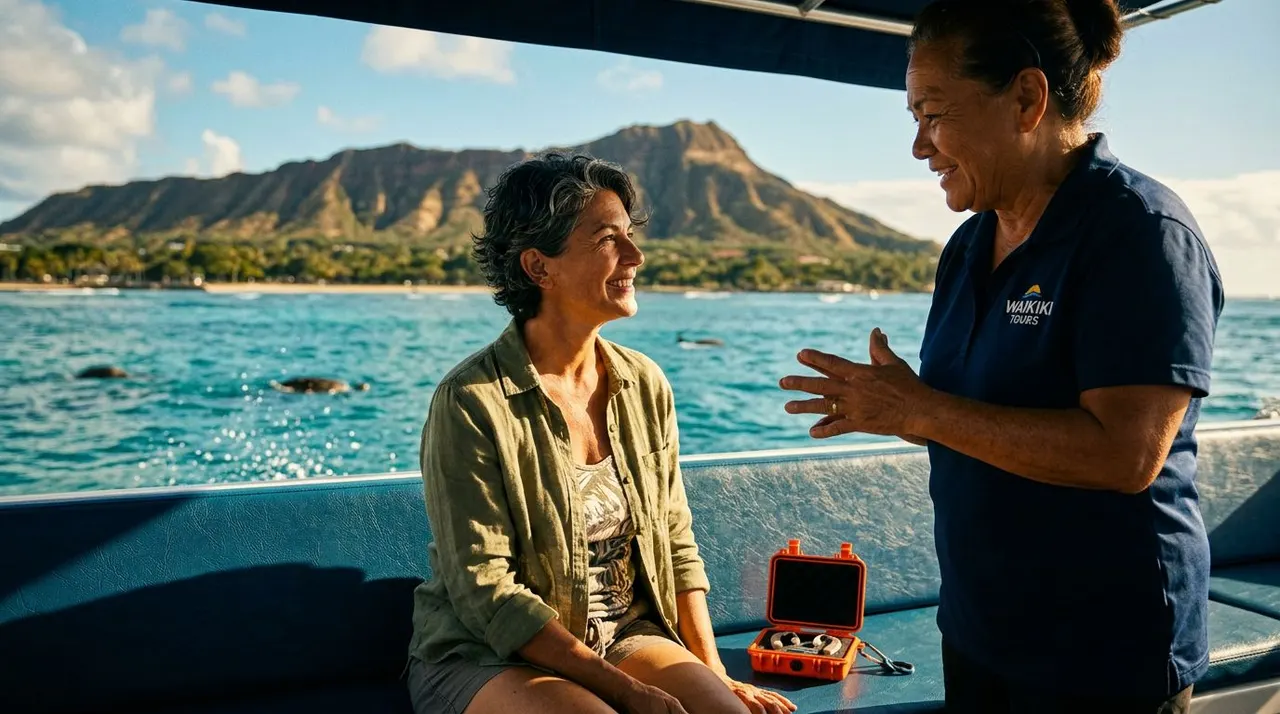
A Waikiki boat tour can give you bright reef views, sea turtles, Diamond Head scenery, and an easy way to enjoy Oahu from the water. With a little planning, you can take in the experience while protecting your hearing aids from spray, saltwater, and sudden weather changes.
Boat noise and wind can make spoken instructions harder to follow, especially during boarding or a snorkel briefing. The best trip starts before you reach the harbor, with a clear communication plan, suitable storage for your devices, and a crew that understands how to guide you visually.
Key Takeaways
- Remove hearing aids before snorkeling unless your hearing professional confirms they are designed for water use.
- Tell the crew about your hearing needs before departure and request face-to-face instructions.
- Choose a stable vessel with shaded seating, dry storage, restrooms, and clear visual safety signals.
- Living Ocean Tours departs from Kewalo Basin Boat Harbor, a short drive from Waikiki Beach.
- Professional snorkel guides, calm communication, and respectful wildlife viewing help you enjoy the ocean with confidence.
Experiencing a Waikiki Boat Tour With Hearing Aids
A hearing aid can improve conversation on deck, but it doesn’t make underwater listening possible. Saltwater, spray, humidity, and sunscreen can also damage delicate components. Even hearing aids with a water-resistance rating may not be approved for swimming or submersion, so check the manufacturer’s instructions before your vacation.
Before leaving your hotel, place your devices in a waterproof hearing aid case with a drying capsule. Keep the case inside your personal bag rather than loose in a boat storage compartment. A small microfiber cloth, spare batteries or a charged backup, and a written list of your device settings can also help if something goes wrong.
A boat tour includes several sound environments. The dock may be busy, the engine can make conversation difficult, and wind can distort voices on the upper deck. During a calm stretch, however, you may hear the guide clearly with your devices in place. Consider wearing them during check-in and the first part of the ride, then storing them before the boat reaches the snorkel site.
A simple hand signal plan makes the day easier. Ask the guide to use a visible signal for “stop,” “return to the boat,” and “life jacket.” You can also agree that the guide will tap your shoulder before giving an important instruction, provided you are comfortable with that approach.
Travel guidance for guests with hearing loss often recommends discussing communication needs with excursion staff before arrival. These cruise accessibility tips also support planning for announcements, excursions, and group settings.
Tell the Crew What Helps You Hear Clearly
You don’t need to give a long explanation. A short statement at check-in can help the crew adapt quickly:
“I wear hearing aids. Please face me when you speak, keep safety instructions visible, and let me know before we enter the water.”
Tell the crew whether you read lips, prefer written instructions, use an American Sign Language interpreter, or need someone to repeat information in a quieter spot. If you travel with family or a partner, identify one person who can repeat instructions without speaking over the guide.
Face-to-face communication matters. When a guide turns toward the ocean or speaks while walking away, you may lose both sound and visual context. Ask the crew to stand where light falls on their face, especially if you rely on lipreading. Sunglasses, masks, and strong backlighting can make facial cues harder to read.
The most important moments happen during boarding, the safety briefing, water entry, and the return to the vessel. Make sure you understand those instructions before the boat leaves the dock. If you miss a phrase, ask for a repeat immediately rather than guessing.
Royal Caribbean’s hearing and visual accessibility guidance shows how larger marine operators address communication and visual information. A local boat has different equipment and procedures, but the same principle applies: clear information should be available through more than sound alone.
Contact the tour company before booking if you need a specific accommodation. Ask whether the crew can provide written safety information, where you can sit for the clearest view, and whether boarding includes stairs, a ramp, or a transfer process.
Select a Stable Boat With Useful Onboard Amenities
Boat stability affects more than seasickness. A steady deck makes it easier to watch a guide’s face, read hand signals, move safely, and keep your hearing aid case secure. It also gives you a better chance to enjoy conversation without constantly adjusting your position against rolling motion.
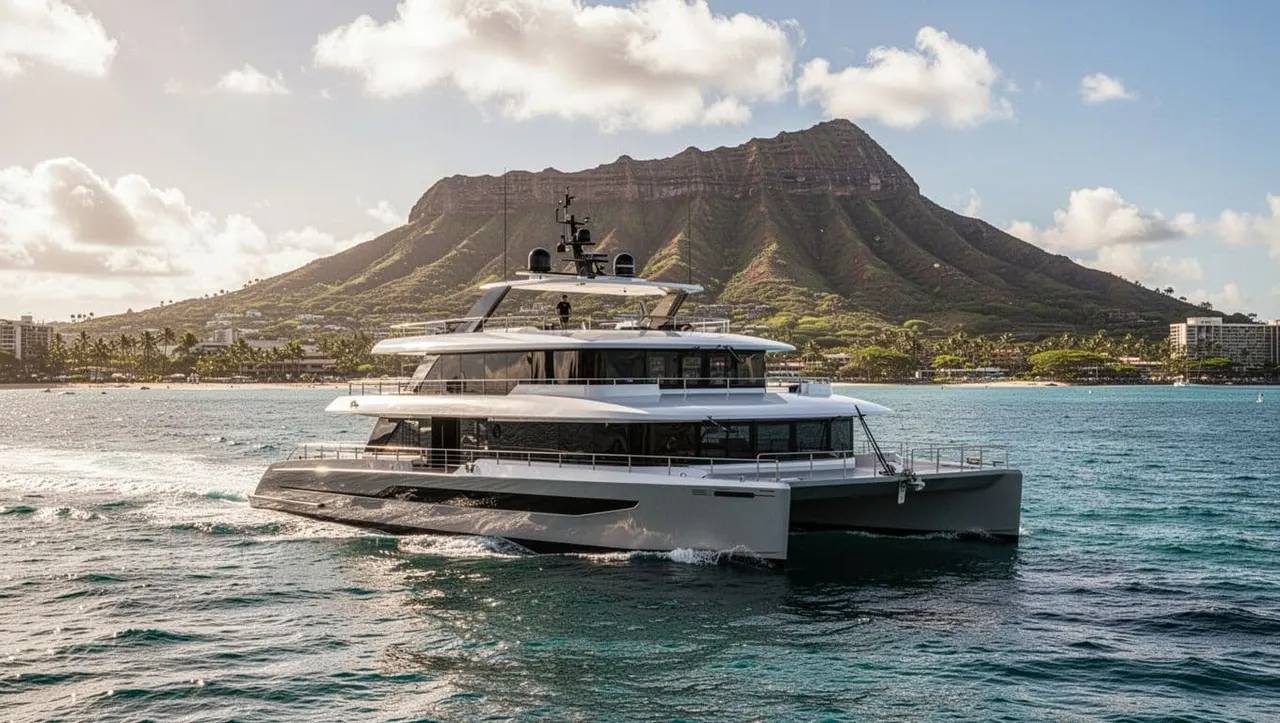
Living Ocean Tours operates from Kewalo Basin Boat Harbor, just minutes from Waikiki Beach. Its Coast Guard-inspected, custom-built double-decker vessels, the Coral Kai and the Lokahi, include shaded seating, onboard restrooms, dry storage, and heavy-duty ladders for water entry.
The Lokahi includes a SeaKeeper vessel stabilization system designed to reduce side-to-side rolling. That feature can be useful if you want a more comfortable ride while keeping your attention on the guide and the scenery. The Coral Kai offers broad open-deck space, which gives you more options for choosing a seat with good sightlines.
Before you reserve, ask these practical questions:
- Can you sit where the guide remains visible during the briefing?
- Is there shaded seating away from the loudest engine or wind?
- Can you store your hearing aids in a dry place while snorkeling?
- Does the boat have a restroom and a stable ladder for reboarding?
- Will the crew use visual signals for water entry and return instructions?
- Can a companion stay near you during the safety talk?
Living Ocean Tours is the only tour company in the area with professional snorkel guides, according to the company’s positioning. Those guides help beginners understand equipment, water entry, reef etiquette, and the signals used during the excursion.
You can compare the company’s Waikiki boat tours before choosing the trip that matches your comfort level, schedule, and interest in snorkeling or sightseeing.
Pack a Hearing Aid Kit for Saltwater Conditions
Your hearing aids need protection before the boat gets underway. Sea spray can reach parts of the deck even when you don’t plan to swim. Keep your devices dry until you are seated, and avoid placing them on a towel near the rail where a sudden splash can send them overboard.
A useful travel kit includes:
- A sealed waterproof case with a drying capsule.
- Spare batteries or a fully charged backup device.
- A soft cloth for drying the outside of the case.
- Written emergency contact information.
- A note describing your preferred communication method.
- A small bag for keeping wet swim gear away from the hearing aid case.
Don’t leave hearing aids in direct sun for long periods. A hot deck can raise the temperature inside a closed case. Instead, store the case in a shaded personal bag or the dry storage area recommended by the crew.
If a device becomes wet, turn it off and follow the manufacturer’s drying instructions. Don’t use a hair dryer or place it on a hot surface. Contact your hearing professional if the device stops working after exposure to water.
During snorkeling, you can rely on your mask, the guide’s gestures, and your buddy system. Tell your snorkel partner to stay close enough for visual contact. Agree on a simple signal for “Are you okay?” and answer with the same signal each time.
Choose the Right Tour for Your Comfort Level
Different Waikiki excursions create different communication and hearing aid considerations. A daytime snorkel trip may involve a longer safety briefing and water entry. A sunset cruise keeps you on deck, but wind and low light can affect lipreading. A family wildlife cruise may include more movement and activity.
Turtle Canyon Snorkel Excursion
The Turtle Canyons Snorkel Excursion is a strong choice if your priority is guided wildlife viewing. Living Ocean Tours reports a 95% success rate for spotting Hawaiian green sea turtles at a natural underwater cleaning station. You can also see tropical fish and reef life when conditions allow.
Because you remove hearing aids before entering the water, the guide’s briefing matters. Ask for the snorkel instructions in a quiet area before departure. Confirm how the guide signals the group to return, how you identify the boat, and where you should reboard.
The crew guides beginners through equipment use and water entry. Heavy-duty ladders can make the return to the boat more manageable, especially when you want both hands available for the ladder rather than holding a device or loose case.
You can review the Turtle Canyons Snorkel Excursion and confirm the current schedule before booking.
Deluxe Waikiki Snorkeling and Wildlife Cruise
The Deluxe Waikiki Snorkeling and Wildlife Cruise suits families and travelers who want more space for water activities. The trip visits a less-crowded reef and includes a boat-mounted water slide, water trampoline, and floating lily pad.
Those features create more activity on deck, so tell your companions and the crew where you keep your hearing aid case. A secure, dry location reduces the chance that someone moves it while preparing for the water. You can also choose a quieter shaded seat when you need a break from wind or group conversation.
The Lokahi’s SeaKeeper stabilization system can make the ride more comfortable. Once you reach the reef, professional snorkel guides provide direction and help you focus on safe, respectful wildlife observation. You should observe turtles and reef animals without touching or chasing them.
Read about the Deluxe Waikiki snorkeling cruise when you want a boat with extra activities and onboard amenities.
Waikiki Sunset Cruise
A sunset cruise may be a better match if you want ocean scenery without removing your hearing aids for snorkeling. Living Ocean Tours offers sunset cruises with BYOB and cash-bar options, so you can spend the evening watching the sky change over Waikiki from the deck.
Wind often increases as the afternoon cools. Choose a protected seat and keep your devices in a dry case if spray reaches the boat. During the boarding briefing, ask the crew to give any announcements while facing passengers rather than speaking toward the horizon.
Sunset light can make faces harder to see. A seat with the guide or main crew member in front of you can improve communication. If you rely on lipreading, ask for a quick repeat after the sun drops and the deck becomes darker.
The Waikiki Sunset Cruise is a comfortable sightseeing option for couples, families, and travelers who prefer to stay aboard.
Whale Watching and Fireworks Cruises
Seasonal humpback whale watching trips run from January through March. A Friday night fireworks cruise offers a different evening view along the Waikiki coast. Both experiences depend on timing, weather, and visibility, so ask about the expected route and onboard seating before you reserve.
For whale watching, keep your hearing aids available on deck if you want to follow wildlife announcements. At the same time, protect them from spray and bring the dry case in case the boat becomes wet. Fireworks create loud bursts, so discuss volume comfort with your hearing professional before the trip and bring any recommended hearing protection.
Use Visual Cues During Snorkeling
Once your hearing aids are stored, you can still follow the group. The guide’s body position, hand signals, and location relative to the boat provide important information. Stay where you can see the guide or your snorkel buddy without turning your head sharply.
Before entering the water, confirm the meeting point. Ask whether the group will gather beside a specific ladder, flotation device, or crew member. If you surface away from the group, remain calm and look for the agreed signal. Never swim toward another boat or leave the designated area.
A professional snorkel guide can show you how to clear your mask, adjust your position, and return to the vessel. You can request a demonstration rather than relying on spoken instructions alone. This approach helps every beginner, including travelers who hear well but feel uncertain in open water.
Living Ocean Tours emphasizes observing marine life without touching it. Hawaiian green sea turtles need space, and coral can suffer damage from contact. Keep your hands off wildlife and the reef, maintain a respectful distance, and follow the guide’s directions when animals approach.
Your buddy should know that you may not hear a call underwater. Agree on signals before you enter, then use them consistently. A calm tap on the shoulder or a clear hand signal can be more useful than shouting across the surface.
Plan Boarding, Seating, and Return Time
Arrive early enough to discuss your needs before the dock becomes crowded. Rushing can make it harder to hear names, instructions, or changes to the boarding process. Bring your hearing aid case in a small personal bag that stays with you.
At check-in, ask where the crew will deliver the safety briefing. If the area is loud, request a quieter position or written instructions. You can also ask a companion to stand beside you, but the crew should remain your main source for safety information.
Choose a seat based on communication rather than the view alone. The ideal location lets you see crew members clearly, offers protection from direct wind, and keeps you close to your personal belongings. An upper deck may provide better scenery, while a lower shaded area may offer easier conversation.
Reboarding requires attention because ladders can move with the boat. Store your hearing aids before snorkeling, then dry your hands completely before handling the case. Ask the crew to confirm which ladder to use and whether you should wait for a signal.
If you feel tired from concentrating on conversation, take a quiet break. Hearing fatigue can make a pleasant trip feel stressful, especially after several hours of wind and engine noise. A short rest helps you enjoy the scenery without missing the next instruction.
Arrange Accessibility Details Before You Book
A hearing aid is only one part of your travel plan. Ask about the boat’s boarding process, seating, restroom location, water conditions, and the amount of time spent snorkeling. You should also explain whether you need a companion nearby or prefer written instructions.
If you use cochlear implants, bone-conduction devices, or specialized waterproof equipment, follow your device manufacturer’s guidance. Hearing professionals can explain which components may stay on deck, which must be removed, and how to protect external processors.
Keep important information in more than one form. Save the tour phone number in your phone, write it on a card, and tell your companion where to find it. If your phone gets wet, a written backup remains useful.
Living Ocean Tours welcomes beginners, families with children ages 3 and older, and guests with different comfort levels in the water. The crew can explain the standard experience, but you should share any specific accommodation request before arrival. Early communication gives the team a better chance to prepare.
The company also provides shaded seating, restrooms, dry storage, and stable ladders on its vessels. Those details can reduce small stresses throughout the day, especially when you are managing hearing aids, swim gear, sunscreen, and personal belongings.
A Comfortable Boat Tour Starts With Clear Communication
A Waikiki boat tour can work well with hearing aids when you protect your devices, tell the crew what you need, and use visual signals during the parts of the trip that happen in the water. The right vessel also matters. Stability, shade, dry storage, restrooms, and easy ladder access make the experience more comfortable.
Living Ocean Tours combines professional snorkel guides with marine wildlife experiences near Waikiki, including Turtle Canyons snorkeling, deluxe reef cruises, and sunset sightseeing. Whether you want to watch sea turtles or relax as the sun sets behind the coast, plan your hearing aid storage and communication needs before boarding.
The strongest preparation is simple: keep your devices dry, keep the guide in view, and ask for clarification before an important instruction passes. With those habits in place, you can enjoy the Pacific with confidence and stay focused on the moments you came to experience.


