
Waikiki Boat Tour Food Allergies: Questions Before Booking
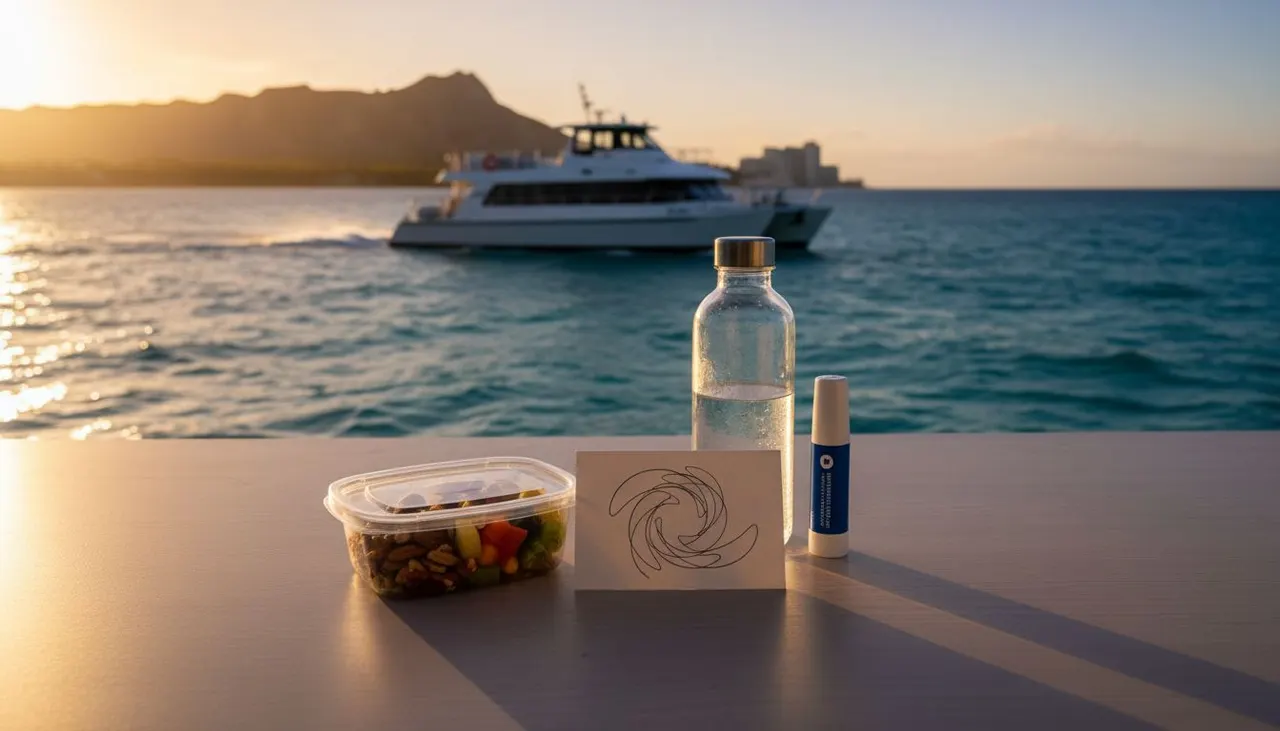
A boat tour can be the highlight of your Waikiki vacation, but food allergies require planning before you step aboard. A snack labeled “safe” on land may create a serious problem at sea if ingredients, preparation, or emergency support are unclear.
When you ask direct questions before booking, you can choose a tour that fits your medical needs and enjoy the Pacific with fewer surprises. Start with the food, then ask about cross-contact, timing, onboard facilities, and your day-of safety plan.
Key Takeaways
- Ask whether food is served, which ingredients are used, and how allergens are handled.
- Confirm whether the crew can prevent cross-contact or only identify packaged ingredients.
- Tell the operator about your allergy before booking, not when you arrive at the harbor.
- Bring safe snacks and any prescribed medication, even when the boat offers food.
- Choose a tour that matches your comfort level, schedule, and access to support.
Why Food Allergy Questions Matter on a Waikiki Boat Tour
Food allergy planning changes when you leave the shoreline. On a boat, you may be several minutes from the harbor, surrounded by saltwater, wind, and limited food-preparation space. You also may not have access to a nearby restaurant, pharmacy, or familiar medical facility.
That doesn’t mean you need to skip a snorkeling cruise or sunset outing. It means you should learn exactly what the operator can control. A responsible company should answer your questions clearly, explain its food practices, and tell you what it can and cannot guarantee.
Start by defining the allergy in plain language. “I don’t eat dairy” may describe a preference or lactose intolerance, while “I have a severe milk allergy” communicates a risk of an immune reaction. Tell the crew whether the condition involves anaphylaxis, airborne exposure, skin contact, or only ingestion.
You should also identify every allergen that matters. Common examples include peanuts, tree nuts, milk, eggs, wheat, soy, fish, shellfish, and sesame. Hawaiian dishes can include ingredients such as macadamia nuts, coconut, soy sauce, fish sauce, and seafood, so ask about local recipes rather than relying on familiar menu names.
The Food Allergy Research & Education cruise guide recommends asking about ingredient information and how food is prepared before you travel. That advice applies to a short Waikiki excursion too. A two-hour trip still deserves a clear plan when your safety depends on it.
Your booking conversation should produce a specific answer, not a promise that the crew will “try to be careful.”
Questions About the Boat Tour Menu and Ingredients
Before you pay, ask whether the tour includes food at all. Some boat trips provide packaged snacks, while others offer drinks, meals, or optional bar service. A snorkeling excursion may have a different food setup than a sunset cruise, even when the same operator runs both.
Ask these questions in one conversation:
- What food and drinks are served onboard? Get the full list, including welcome snacks, garnishes, sauces, desserts, and items offered for purchase.
- Can you provide ingredient labels? Packaged food is easier to assess when you can read the manufacturer’s label.
- Are recipes or brands changed regularly? A familiar snack may come from a different supplier during your travel dates.
- Are common allergens present in the galley or storage area? This question matters when you have a severe reaction.
- Can you omit an item from your serving? Removing a topping after preparation may not prevent cross-contact.
- Can you bring your own food? Confirm whether outside food is allowed and how you should store it.
Don’t assume that a beverage is safe because it contains no obvious food. Cocktails may include cream, nut syrups, coconut products, fruit purees, or garnishes handled with shared tools. A cash bar can also carry beer, wine, and spirits with different ingredients or processing concerns.
Ask who will answer your questions on the day of the trip. The booking agent may know the standard menu, but the onboard crew handles the actual service. Request that your allergy information be added to the reservation and repeated during check-in.
If you use a translation app or travel with a child, carry a written allergy card. Write the allergen in English and, when useful, in another language your group understands. Keep the wording direct, such as: “Severe peanut allergy. No peanut ingredients or cross-contact.”
How the Crew Handles Cross-Contact
Knowing the ingredients is only one part of managing Waikiki boat tour food allergies. Cross-contact happens when an allergen transfers to food that doesn’t contain the allergen as an ingredient. Shared tongs, cutting boards, knives, coolers, counters, and serving trays can all create a risk.
Ask how the crew stores and serves food. You want to know whether allergen-containing items remain sealed, whether staff use separate utensils, and whether the boat has a dedicated preparation area. On a compact vessel, the operator may not have a separate allergy-free kitchen. A good answer should state that limitation plainly.
You should also ask whether the company can prepare a special meal. A custom dish isn’t automatically safer. It may involve the same prep surface, fryer oil, gloves, or utensils used for other foods. If the company can’t provide an allergy-safe meal, you need to know before you book.
Short boat tours often have a simpler option: skip the onboard food and bring a safe snack. That choice can reduce uncertainty, but only if the operator permits outside food. Ask whether your food can remain sealed in a personal bag and whether you can eat it in a separate seating area.
A crew member shouldn’t need to guess. Ask who checks labels and who serves your food. You can also ask whether staff wash their hands and change gloves after handling allergen-containing items. These questions aren’t excessive when the answer affects your ability to participate safely.
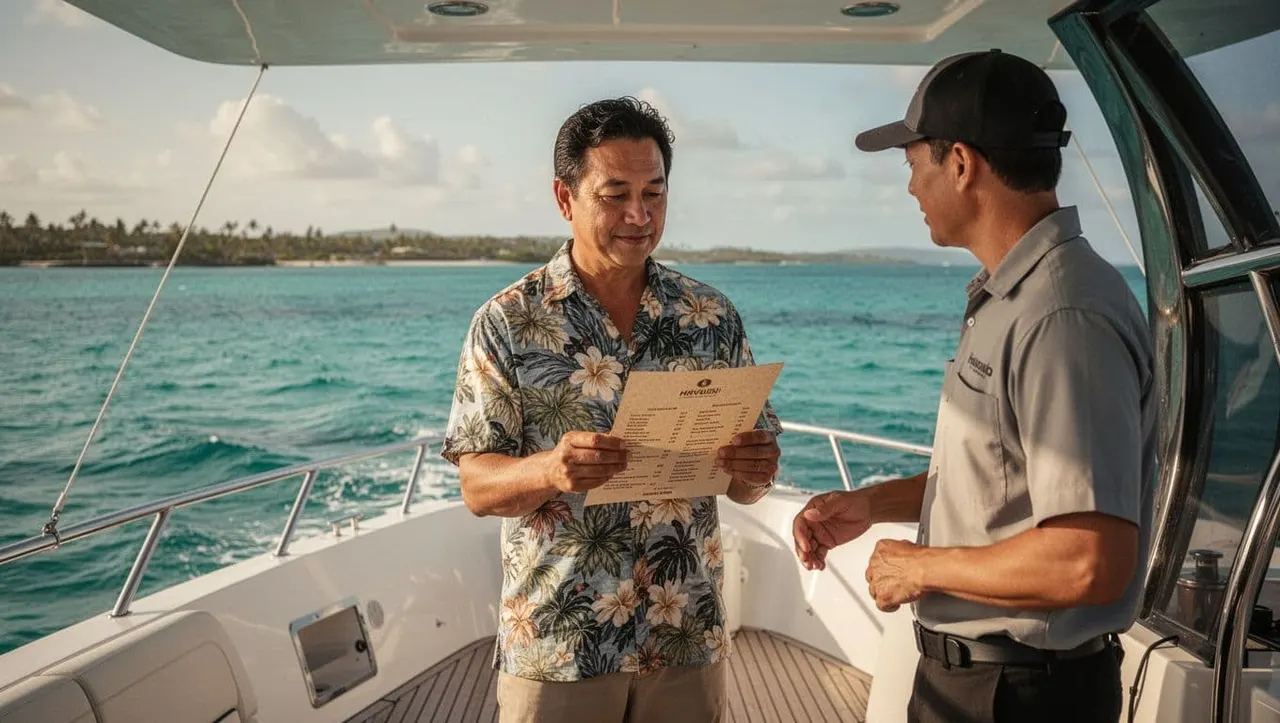
A menu review is useful, but ingredient labels and preparation details matter more than dish names.
What to Ask About Snacks, Drinks, and Eating Times
Your tour schedule affects how much food planning you need. A morning snorkel trip may finish before lunch, while an afternoon cruise can overlap with a meal. Ask when food is served and whether you can eat before departure, during the ride, or after returning to Kewalo Basin Boat Harbor.
Find out whether snacks are individually packaged. Sealed products let you inspect the ingredient panel and allergen statement yourself. Still, check the package every time because recipes and manufacturing facilities can change.
You should ask whether the boat carries:
- Bottled water or other clearly labeled drinks
- Packaged snacks with intact labels
- Ice shared with drinks or food
- Fresh fruit, sauces, or garnishes prepared onboard
- Alcoholic beverages that may contain milk, nuts, wheat, or other allergens
If you have celiac disease, ask about gluten-free handling rather than only asking whether a snack is gluten-free. If you have a fish or shellfish allergy, explain whether you react to cooking vapors, shared surfaces, or contact with fishing equipment. A snorkeling boat may carry seafood-related items even when it doesn’t serve seafood.
Some guests need food at predictable intervals because of diabetes, medication schedules, pregnancy, or other health needs. Tell the operator if you can’t delay a meal. You may need to eat before boarding and carry an approved snack for the return trip.
Resources such as Spokin’s cruise food allergy advice also recommend asking about dining procedures early. Large cruise ships and small excursion boats differ, but the principle is the same: advance notice gives the operator time to provide an accurate answer.
Match the Tour to Your Allergy Plan
The right boat tour depends on more than the destination. You should compare the food setup, length, water activities, and ability to return to shore. A shorter excursion may feel more manageable if you need frequent access to your own food or medication.
Snorkeling tours
A snorkel tour usually focuses on the water rather than a full meal. Ask whether the boat serves snacks before or after entering the water, and confirm where you can keep personal items dry. You may want to eat a safe meal before departure, then carry a labeled snack for afterward.
If you have a seafood allergy, ask whether the crew handles bait, fishing gear, or seafood on the same vessel. Don’t assume every ocean tour has the same onboard practices. The answer may differ between a dedicated snorkeling boat and a mixed-use vessel.
Water activities also add practical questions. Find out where you can leave your epinephrine auto-injector or other medication so it stays accessible and protected from water. Never place essential medication in checked luggage, a locked vehicle, or a bag you can’t reach quickly.
Wildlife and deluxe cruises
A longer wildlife cruise may include more snacks, drinks, and time onboard. Ask about the full service period, including food served while guests use a waterslide, trampoline, or floating lily pad. Active water play can make it harder to monitor children and personal belongings, so plan food and medication storage before boarding.
Living Ocean Tours operates Coast Guard-inspected, custom-built double-decker vessels from Kewalo Basin Boat Harbor, minutes from Waikiki Beach. The fleet includes the Coral Kai and Lokahi, with shaded seating, restrooms, dry storage, and sturdy ladders for water entry. The Lokahi also has a SeaKeeper stabilization system, cash bar, and water slide.
These amenities can make a family outing more comfortable, but they don’t replace allergy planning. Ask which vessel is scheduled, where food is stored, and whether the crew can accommodate your needs on that specific departure.
Food Allergy Questions to Ask Living Ocean Tours
Living Ocean Tours offers guided snorkeling, wildlife cruises, sunset cruises, Friday fireworks cruises, seasonal whale watching, and private charters along the Waikiki coast. The company’s main harbor location is convenient for Waikiki guests, and its experienced crew guides first-time snorkelers as well as confident swimmers.
The Turtle Canyons Snorkel Excursion is a strong choice when you want a focused water adventure. Living Ocean Tours reports a 95% success rate for spotting Hawaiian green sea turtles at a natural cleaning station. You should still ask whether snacks or beverages are included, then decide whether bringing your own food is the safer choice.
You can explore Living Ocean Tours excursions and contact the company before booking with these questions:
- What food is planned for my exact departure?
- Can I review labels for every packaged snack?
- Are any snacks, sauces, or drinks made with my allergen?
- How do you prevent cross-contact during storage and service?
- Can I bring sealed food from my hotel?
- Where should I keep emergency medication?
- Who will be informed when I check in?
- What happens if the menu changes that day?
Living Ocean Tours emphasizes that it is the only tour company with professional snorkel guides. Those guides can help beginners, families, and guests of different skill levels feel comfortable in the water. You should still explain your allergy before arrival so the crew can discuss food and emergency procedures separately from your snorkeling questions.
The company also promotes responsible wildlife viewing. You should observe sea turtles and other marine life without touching or chasing them. Protecting the reef and keeping food away from wildlife are part of a respectful ocean experience.
Choosing Between Turtle Canyon, Wildlife, and Scenic Cruises
Your allergy plan may point you toward one type of outing. If you prefer the shortest food-service window, a focused Turtle Canyon snorkel trip may be easier to manage. Eat beforehand, bring an approved snack if allowed, and confirm medication access.
The Deluxe Waikiki Snorkeling and Wildlife Cruise adds more time and activities. The less-crowded reef, boat-mounted water slide, water trampoline, and floating lily pad appeal to families and active swimmers. Because guests may spend longer onboard, ask more detailed questions about snacks, drinks, and where your child can eat safely.
For the Turtle Canyon trip, you can review the Turtle Canyons Snorkel Excursion details before contacting the operator. Guests interested in added water activities can compare the Deluxe Waikiki Snorkeling and Wildlife Cruise.
A sunset or fireworks cruise may have different food expectations. Ask whether the experience includes a cash bar, BYOB option, appetizers, or only beverages. If you bring food, confirm that outside items are accepted and that the crew can store them safely.
Seasonal whale watching trips can last long enough to overlap with lunch. Ask about the departure length, food service, and where you can access medication. You can review the Whale Watch tour information before making your decision.
What to Bring on the Day of Your Boat Tour
Even after receiving helpful answers, pack a personal safety kit. Your kit should match your prescription plan and your doctor’s instructions. Keep it with you, not in a bag stored below deck or across the boat.
Bring:
- Prescribed epinephrine auto-injectors or other emergency medication
- A written allergy action plan
- Safe snacks with intact labels
- A phone in a waterproof case
- Allergy cards for each affected traveler
- Any needed medication instructions for a child
Tell at least one travel companion what to do if symptoms appear. If your child has an allergy, speak with the lead crew member during check-in. Show the medication location and explain the action plan without assuming that a companion will remember every detail.
Eat a safe meal before you board if the operator doesn’t provide an allergy-safe option. Avoid testing unfamiliar food on a boat, especially before snorkeling or other activities. Heat, exertion, and motion can make it harder to interpret symptoms.
Your medication should remain within reach during the entire trip. Ask whether a crew member can help keep it dry, but retain access yourself. Also confirm the harbor meeting point and return time so you can plan food and medication around transportation.
Red Flags Before You Book
A vague answer deserves a follow-up question. If a representative says, “There shouldn’t be a problem,” ask what that means in practice. Does the crew know the ingredients? Can they prevent cross-contact? Will your information reach the onboard staff?
Be cautious when an operator:
- Won’t identify the food or drink brands
- Says the crew can remove an allergen after cooking
- Promises a safe meal without asking which allergy you have
- Can’t explain where emergency medication can stay
- Tells you to mention the allergy only after boarding
- Treats a severe allergy as a food preference
You also need to separate food safety from medical support. A boat operator may provide a trained crew and communication with emergency services, but it may not have a physician onboard or the same facilities as a hospital. Ask what emergency procedure the company follows and how the boat contacts shore support.
Allergic Living’s cruise experience shows why advance planning and bringing suitable food can help families travel with more confidence. Your needs may differ, so use your doctor’s advice as the final guide.
When an operator gives clear answers, write down the name of the person who helped you. Save the confirmation email and repeat the allergy information at check-in. Good communication creates a shared plan, but you remain responsible for carrying and using your prescribed medication.
Book a Waikiki Cruise With a Clear Food Plan
A food allergy shouldn’t force you to choose between safety and the ocean. Before booking, ask what the boat serves, how staff prevent cross-contact, whether you can bring safe food, and where your medication will stay.
Living Ocean Tours offers professional snorkel guides, beginner-friendly instruction, and comfortable vessels near Waikiki. Compare the tour length and activities with your needs, then contact the company with your exact allergy information before you reserve a seat.
When you have a written plan, safe snacks, accessible medication, and direct answers, your Waikiki boat tour can feel exciting for the right reasons. The best booking decision is the one that lets you focus on the reef, the coastline, and the people beside you.


