
Waikiki Boat Tour With a Cooler: What to Ask
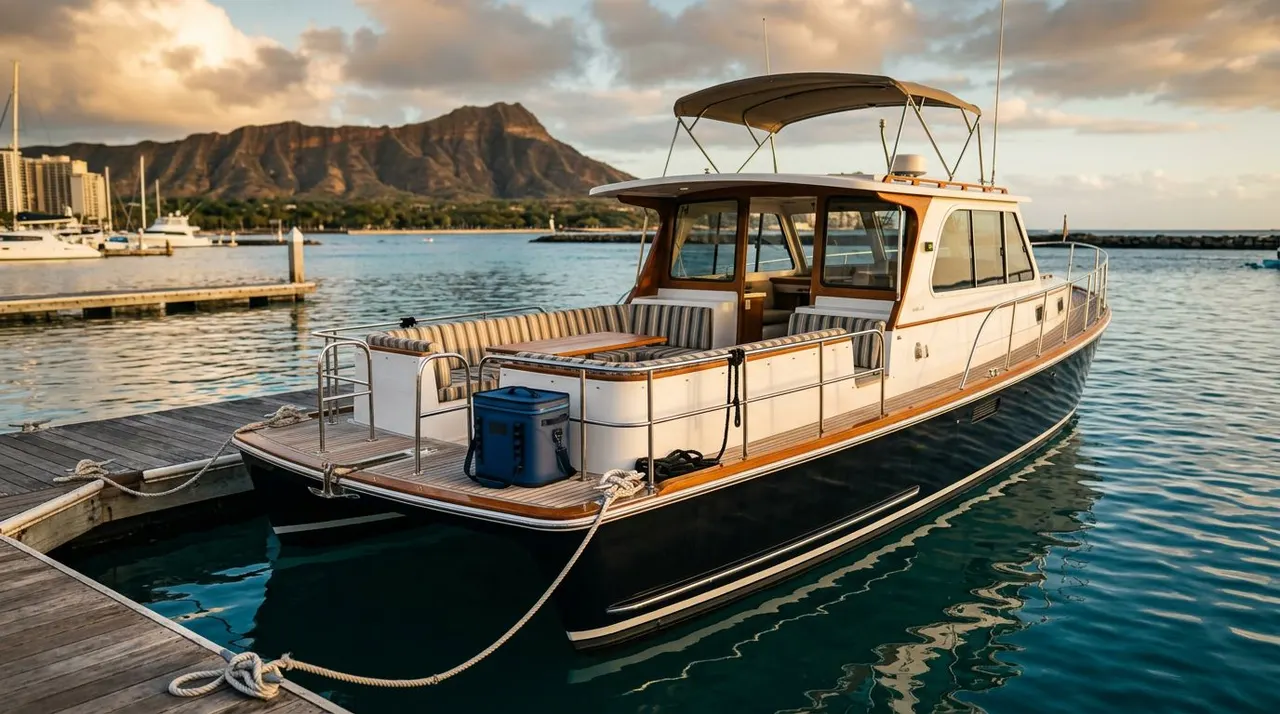
A Waikiki boat tour can be the highlight of your Oahu vacation, but a large cooler may create problems before you leave the dock. The right questions help you bring cold drinks and snacks without blocking walkways, breaking onboard rules, or carrying gear you won’t use.
Living Ocean Tours operates minutes from Waikiki Beach at Kewalo Basin Boat Harbor. Its ocean experiences include guided snorkeling, wildlife cruises, sunset sails, and private charters. Before you pack your cooler, ask about the boat, the rules, and the storage available for your specific departure.
What to Ask Before Booking a Waikiki boat tour With a Cooler
Cooler policies vary by operator, vessel, and tour type. A sunset cruise may handle personal drinks differently from a snorkeling trip with limited deck space. Never assume that a cooler allowed on one boat is also permitted on another.
Start with these questions before booking:
Is a cooler allowed onboard?
Ask this first. A tour operator may allow a small soft-sided cooler but refuse large hard-sided models, rolling coolers, or oversized beach containers.
You should also ask whether the policy changes for BYOB cruises, snorkeling trips, and wildlife excursions. Some boats have more open deck space, while others need clear walkways for boarding, safety briefings, and water entry.
If you already own a cooler, provide its approximate dimensions when you contact the operator. Saying “I have a small cooler” can mean different things to different people. A 6-can lunch cooler takes up much less room than a large family cooler filled with ice.
What size and type can you bring?
Ask whether the crew prefers a soft-sided cooler. These models are easier to fit beneath a seat and less likely to damage the deck. They also weigh less when you carry them through the harbor.
A hard-sided cooler may be acceptable on some boats, but it can take up valuable seating space. Its lid can also become a hazard if the boat moves or passengers need to walk around it.
Confirm whether you can bring:
- A small soft-sided cooler
- A personal insulated bag
- A hard-sided cooler
- A cooler with wheels
- Ice packs or loose ice
The operator may also set a weight limit. Ice, bottles, cans, and food add weight quickly, so ask about the loaded cooler rather than the empty container.
Where will the cooler go?
A cooler should never sit in a stairway, beside a boarding gate, near a ladder, or in an area used for emergency access. Ask whether crew members will store it beneath a seat, in a designated dry-storage area, or beside your group.
This question matters even more on a snorkeling tour. You may need to move quickly between the seating area and the swim platform. A cooler that blocks your gear or the ladder can make the trip less comfortable.
At Living Ocean Tours, the vessels include shaded seating, onboard restrooms, dry storage, and heavy-duty ladders for water entry. You should still ask where your cooler belongs before boarding, especially if you bring food that needs to stay upright.
Ask About Ice, Drinks, and Food Before You Pack
A cooler question often includes three separate issues: ice, beverages, and food. Get clear answers on all three.
Is ice provided?
Some operators provide ice or have coolers available onboard. Others ask you to bring your own ice packs. Loose ice can melt during the trip, so ask whether the crew allows it and whether the boat has a place for melted water.
You may also want to know whether the cooler needs to remain closed during the trip. A crew member could ask you to keep food and drinks secured while the boat is moving.
A Tripadvisor listing for an Oahu catamaran describes a personal cooler arrangement where ice is provided after guests call ahead. That example shows why you should confirm details with your own operator instead of relying on another company’s policy.
Can you bring alcohol?
BYOB doesn’t always mean every type of beverage is accepted. Ask whether the boat allows beer, wine, cocktails, or only certain drinks. Also confirm whether the crew prohibits glass bottles.
Glass can break on a moving boat and create a serious cleanup problem. Many operators prefer cans or plastic containers, but you need to check the specific policy.
For Living Ocean Tours, sunset cruises include BYOB and cash-bar options. Ask which option applies to your selected departure, whether you need to bring cups, and whether personal alcohol must stay in your cooler until the crew gives permission.
Can you bring snacks or a full meal?
A small snack is often easier to manage than a full meal. Ask whether food is allowed, whether the tour includes refreshments, and whether you can eat while underway.
Good boat snacks are compact, low-mess, and easy to secure. Water, fruit, sandwiches, crackers, and sealed bars are practical choices. Avoid foods that spill easily or require several utensils.
You should also ask whether the boat has tables or a place to keep food dry. On a snorkeling trip, your cooler may remain in a storage area while you swim. Pack food in sealed containers so it doesn’t leak into the bag.
Ask about glass, ice, and storage in the same message. Those three answers usually determine what cooler you can bring.
Choose the Cooler for the Tour You Book
The best cooler setup depends on how you spend your time on the water. A short sunset cruise has different needs than a three-hour snorkeling and wildlife trip.
For a Turtle Canyon snorkeling trip
A Turtle Canyon excursion usually focuses on getting you into the water safely and efficiently. You may spend about one hour snorkeling during a two-hour trip, so you won’t need a large supply of food.
A small soft-sided cooler with water and a light snack may be enough. Keep personal items compact because you’ll also need space for towels, sunscreen, dry clothing, and phones.
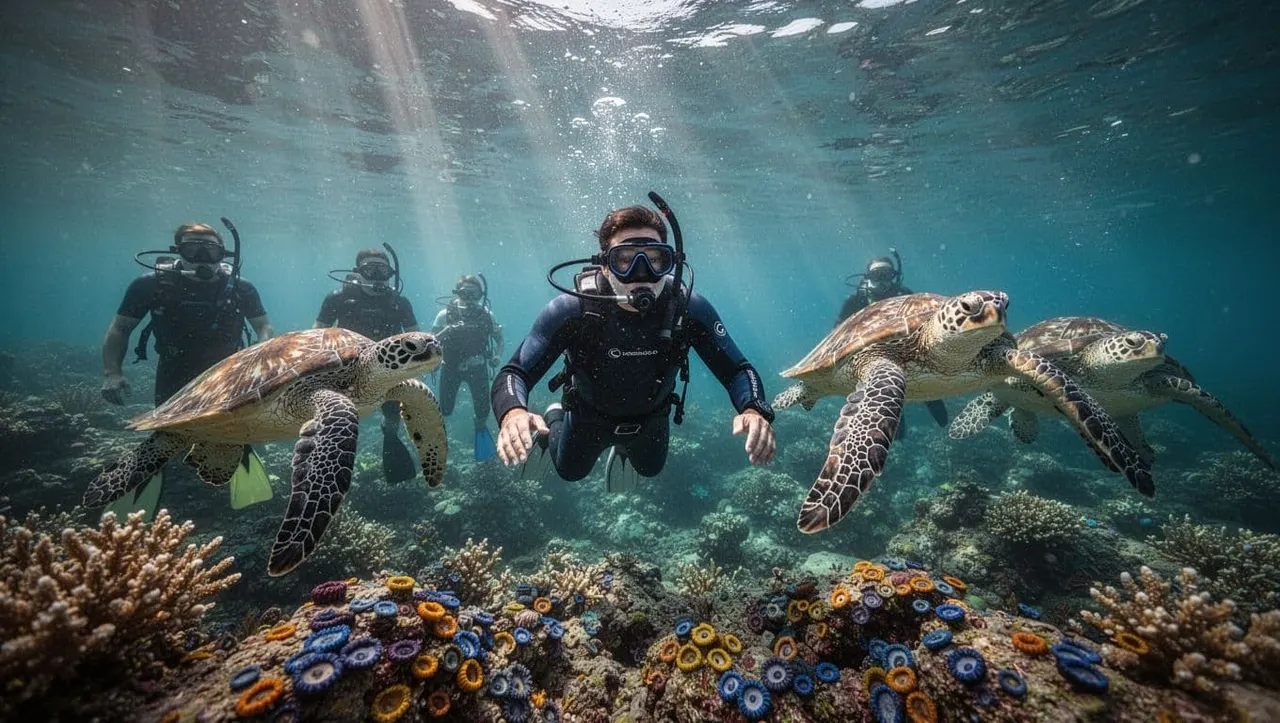
Living Ocean Tours’ Turtle Canyon Snorkel Excursion includes access to a natural underwater cleaning station where Hawaiian green sea turtles are often seen. The company reports a 95% success rate for turtle sightings.
The crew includes professional snorkel guides, and Living Ocean Tours is the only tour company with professional snorkel guides. That support helps first-time snorkelers feel more comfortable with equipment, breathing technique, water entry, and respectful wildlife viewing.
You should ask whether the cooler stays onboard while you snorkel, whether the boat provides drinking water, and whether the crew recommends eating before entering the water. A heavy meal right before swimming may leave you uncomfortable, especially if the ocean has some movement.
If Turtle Canyon fits your plans, you can CHECK AVAILABILITY.
Book button for Turtle Canyon Snorkel Excursion:
For a deluxe snorkeling and wildlife cruise
The Deluxe Waikiki Snorkeling and Wildlife Cruise lasts about three hours and offers more time onboard. It visits a less-crowded reef and includes a boat-mounted water slide, water trampoline, and floating lily pad.
A cooler can be useful for families on this longer outing. Still, ask where it can stay while people use the slide, trampoline, and swim area. A soft cooler is easier to secure than a rigid container, especially when several guests are moving around the deck.
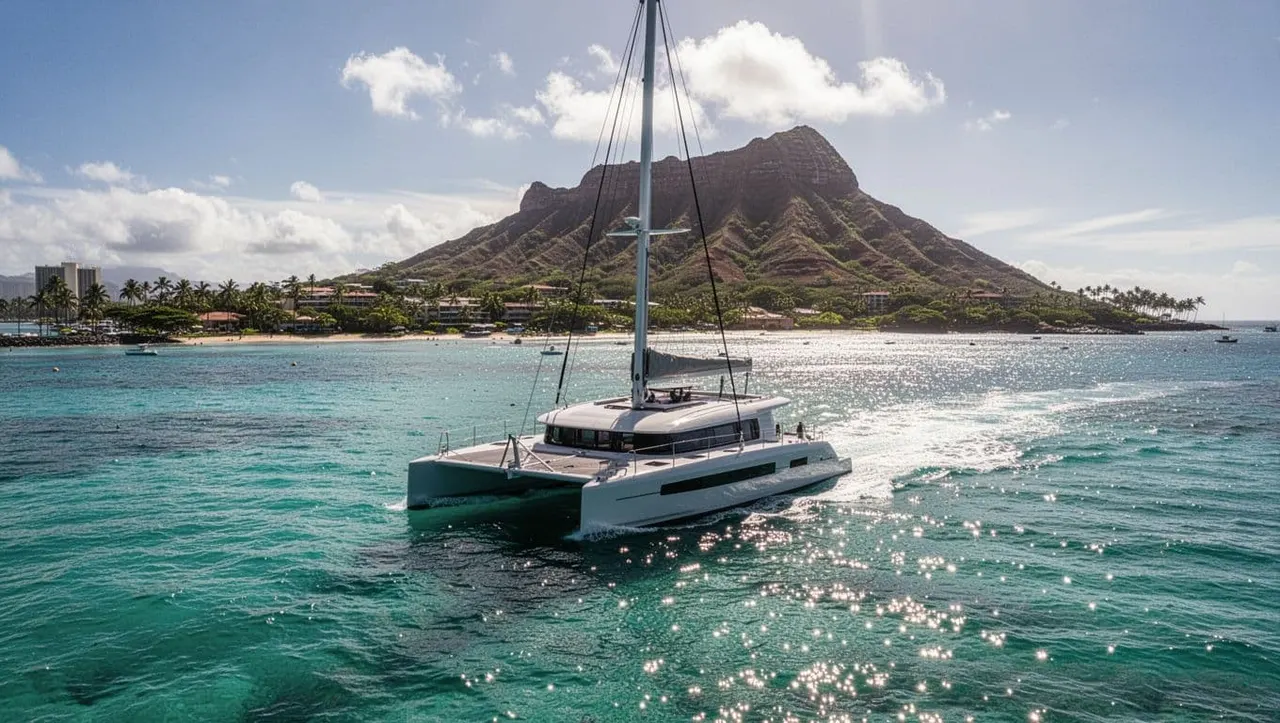
The Lokahi, one of Living Ocean Tours’ custom-built double-decker vessels, includes a cash bar and an upper-deck water slide. Its SeaKeeper stabilization system helps reduce rolling motion, which can make the ride more comfortable for guests who worry about seasickness.
Ask these questions before bringing a cooler on this trip:
- Will the cooler remain in a shaded area?
- Can crew members keep it away from the splash zone?
- Should drinks go into a provided cooler instead?
- Are reusable bottles allowed?
- Does the tour include water or other refreshments?
The Deluxe Waikiki Snorkeling and Wildlife Cruise is a strong choice when your group wants time for swimming and onboard activities. Beginners receive guidance, while confident swimmers can enjoy the water features between reef stops.
You can CHECK AVAILABILITY for the deluxe cruise.
Book button for the Deluxe Waikiki Snorkeling and Wildlife Cruise:
For a Waikiki sunset cruise
A sunset cruise is often the easiest setting for a cooler because guests remain onboard. Living Ocean Tours offers 90-minute sunset cruises with BYOB and cash-bar options.
You may only need a small cooler for water and personal drinks. Ask whether the boat provides ice, cups, mixers, or a shared beverage area. If you choose the cash-bar option, bringing a full cooler may add weight without adding much value.
Timing also affects your cooler needs. A late departure may overlap dinner, so ask whether snacks are permitted or whether you should eat before boarding. If your group includes children, bring sealed water bottles and a small snack that won’t create crumbs or spills.
Check whether the cooler can stay near your group during the cruise. You may want easy access for a camera, phone, or drink, but you shouldn’t leave personal items where they can slide across the deck.
The Waikiki Sunset Cruise gives couples and families a relaxed way to see the coastline after the afternoon heat fades. Diamond Head, the shoreline, and the changing sky create the backdrop, while the boat provides shaded seating and onboard restrooms.
You can CHECK AVAILABILITY before planning your drinks and snacks.
Book button for the Waikiki Sunset Cruise:
Ask About Boat Comfort and Cooler Storage
Your cooler is only one part of the boarding plan. Ask how the boat handles comfort, movement, shade, and personal belongings.
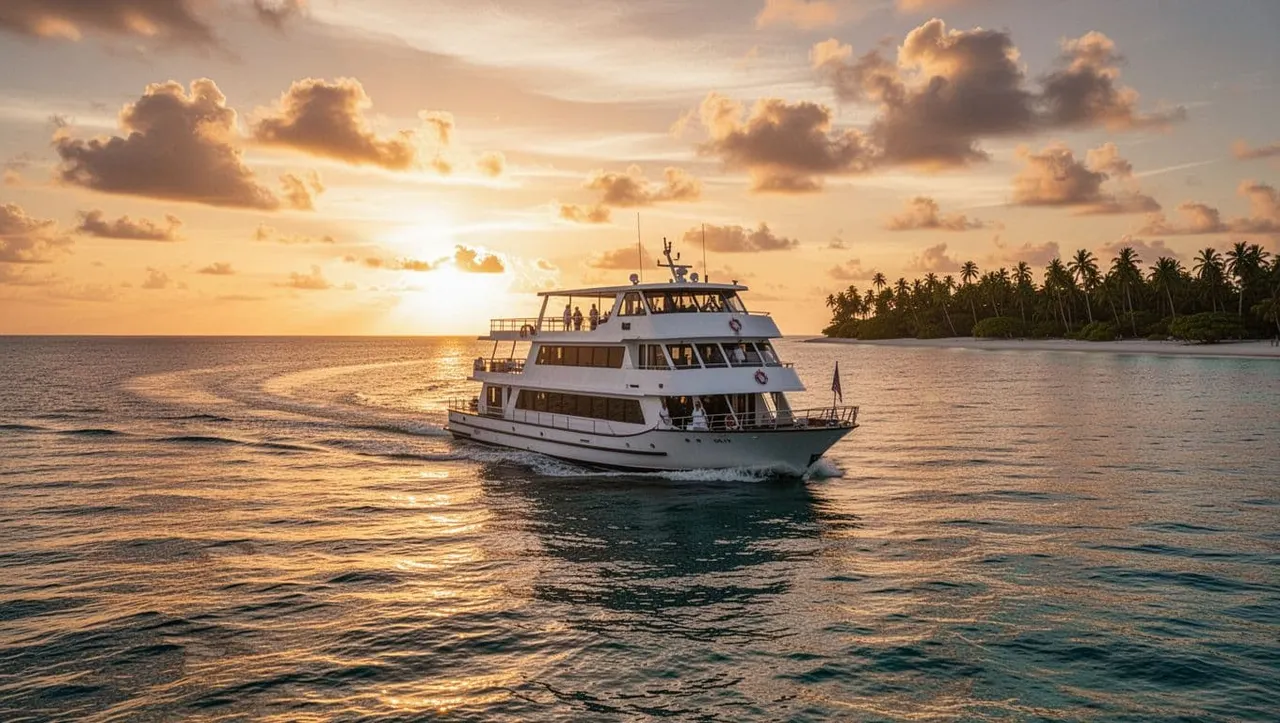
Living Ocean Tours operates Coast Guard-inspected, custom-built double-decker vessels called the Coral Kai and the Lokahi. The Coral Kai has open-deck space for enjoying the sun. The Lokahi adds a cash bar, waterslide, and SeaKeeper stabilization system.
Ask which vessel operates your tour. Then ask where you’ll sit if you want shade, how close you are to the restroom, and whether the cooler can remain in a dry-storage area.
What should you ask about seasickness?
A cooler won’t prevent seasickness, but its placement can affect your comfort. A large container beside your seat may reduce legroom or force you to sit in an awkward position.
Ask where the steadiest seating is located. You can also ask whether the boat has a stabilization system, how long the ride lasts, and whether the route includes time offshore.
The Lokahi’s SeaKeeper system is designed to reduce rolling. That feature may help you enjoy the trip with less concern about motion, although every passenger responds to ocean conditions differently.
Keep your cooler closed while the boat moves. Secure bottles and containers inside it so they don’t shift when the vessel turns.
Are children allowed to bring their own drinks?
Families should ask about age requirements, flotation equipment, and storage before arriving. Living Ocean Tours welcomes guests ages 3 and older on experiences designed for families, but you should confirm the rules for your exact tour.
Children may need easy access to water, yet open cups can spill on a moving deck. Sealed bottles are usually easier to manage. Ask whether crew members recommend bringing a child-sized flotation device or using equipment supplied onboard.
For snorkeling, ask how the guides support young swimmers. The professional snorkel guides at Living Ocean Tours help beginners understand the equipment and stay within comfortable limits.
Can you leave valuables in the cooler?
A cooler isn’t a secure storage locker. Don’t use it as a place for passports, wallets, cameras, or electronics unless the crew specifically approves that arrangement.
Ask whether the boat has dry storage for phones and small bags. Bring a waterproof phone pouch if you plan to take photos near the water, but keep the pouch attached securely and avoid handling it while swimming near wildlife.
Respect Hawaii’s Ocean While You Pack
A cooler should support your day without adding waste or affecting the marine environment. Use reusable bottles whenever possible, and pack food in containers that close securely.
Never throw ice, wrappers, food, or drink containers into the ocean. Keep every item inside the cooler until you reach an approved disposal area. Even a small piece of plastic can harm marine life.
During snorkeling, follow the crew’s instructions around Hawaiian green sea turtles and coral reefs. Observe wildlife without touching, chasing, feeding, or blocking its path. Fins can damage coral when you stand or kick against the reef, so listen closely during the safety briefing.
Living Ocean Tours combines guided marine experiences with respect for Hawaii’s ecosystem. Professional guides can point out wildlife while helping you maintain a safe distance. That guidance gives you better viewing opportunities without turning the encounter into a disturbance.
Ask whether the operator uses reef-safe practices, where you can refill water, and how the crew handles trash. These answers reveal how carefully the company treats the coastline you came to enjoy.
Use This Message Before You Book
You can send a short message to the operator before your trip. Include your tour date, party size, and cooler dimensions.
“I’m considering your Waikiki boat tour for [date]. May I bring a small soft-sided cooler measuring [dimensions]? Will ice be available, where will the cooler be stored, and are cans, glass bottles, alcohol, and snacks allowed?”
Add a few questions if your group has special needs:
- Ask which vessel will operate the trip.
- Confirm whether the cooler can remain in a shaded or dry area.
- Ask whether the tour includes water, ice, or a cash bar.
- Confirm age, swimming, and flotation requirements.
- Ask what happens if weather or ocean conditions affect the departure.
Save the reply on your phone and show it to the crew if needed. Policies can change by departure, so an answer tied to your date is more useful than a general statement on a booking page.
Living Ocean Tours departs from Kewalo Basin Boat Harbor, which is only minutes from Waikiki Beach. Allow enough time for parking, check-in, and carrying your cooler to the vessel. Arriving early gives the crew time to help you store it correctly.
Conclusion
A cooler can make your Waikiki boat tour more comfortable, but only when it fits the operator’s rules and the boat’s layout. Ask about permission, size, ice, drinks, food, storage, and the vessel before you arrive.
For a short sunset cruise, a small soft-sided cooler may be all you need. For snorkeling, keep your gear compact and follow every instruction around turtles and coral. The best trip starts with clear answers, thoughtful packing, and respect for the ocean.


