
Waikiki Boat Tour: Small Boat vs Large Boat
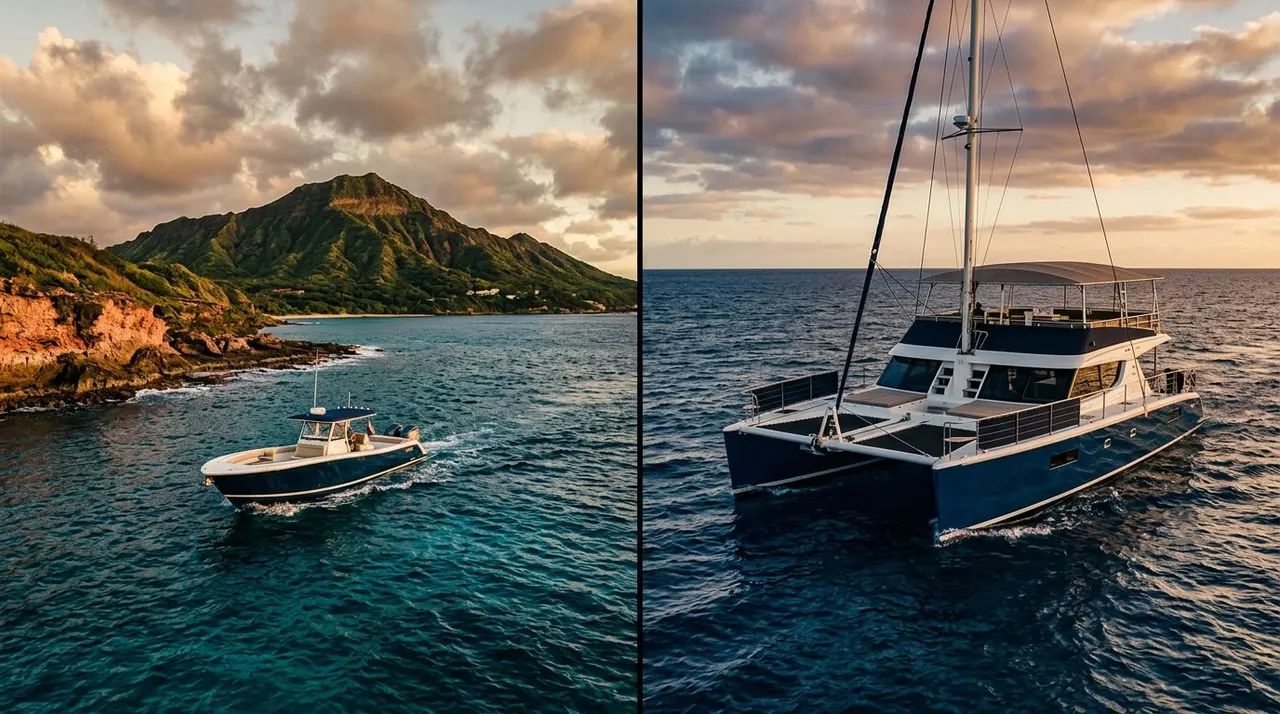
A Waikiki boat tour can feel completely different depending on the vessel beneath you. A small boat gives you a closer, more personal ride, while a large boat offers extra space, stability, and amenities for longer outings.
Your best choice depends on the day you want on the water. Are you chasing an intimate coastal ride, a comfortable family adventure, or a snorkeling trip with room to spread out? Once you compare the details, the right boat becomes much easier to choose.
Key Takeaways
- Small boats offer a more intimate ride, quicker handling, and a closer connection to the coastline.
- Large boats provide more deck space, shade, restrooms, storage, and easier movement onboard.
- Families, first-time snorkelers, and guests prone to seasickness often prefer a stable large vessel.
- Your group size, activity, weather, and comfort needs matter more than boat size alone.
- Living Ocean Tours combines spacious Coast Guard-inspected vessels with professional snorkel guides and family-friendly ocean activities.
How Small and Large Waikiki Boats Feel Different
Boat size changes the mood before the tour even begins. On a small vessel, you may feel every turn and wave more directly. The ride feels active and close to the water, which appeals to couples, photographers, and guests who enjoy a more private setting.
Large boats create a different rhythm. You have more room to change seats, walk around, find shade, and watch the shoreline from different angles. That extra space matters when you spend several hours onboard or travel with children who need frequent breaks.
The difference also affects how quickly the boat responds. A small boat can turn faster and reach narrow areas more easily. A large vessel usually takes wider turns, but it offers a steadier platform and more room for onboard equipment.
Your activity should guide the choice. A short sightseeing ride may feel exciting on a compact boat. A snorkeling trip requires space for masks, fins, towels, dry bags, and changing after you leave the water. Families often appreciate a vessel where one person can supervise children from the shade while another enjoys the view.
Weather also plays a role. Waikiki often has beautiful conditions, but wind and ocean swell can change during the day. A larger, stabilized boat may feel more comfortable when the surface becomes active.
Choose the boat that matches how you want to spend your time, not only the boat that looks fastest at the dock.
What You Get on a Small Boat Tour
Small boats appeal to you when you value intimacy and movement. With fewer passengers, the captain can often create a more personal atmosphere. You may hear more conversation, ask questions easily, and enjoy a clearer view without walking far from your seat.
The compact layout also keeps you close to the ocean. You can watch the bow rise over a small swell, feel the breeze, and see reef areas from a lower viewpoint. For some guests, that direct contact makes the ride feel more adventurous.
A small Waikiki boat tour can work well for:
- Couples looking for a quieter coastal outing
- Small groups that prefer a shared experience
- Guests who enjoy a faster, more active ride
- Short sightseeing trips with limited gear
- Travelers who want a personal connection with the captain
However, the smaller footprint comes with tradeoffs. Seating may be limited, and shade can be harder to find. You might have less room for coolers, beach bags, strollers, and extra clothing. Restrooms may not be available, depending on the vessel and tour length.
Boarding can also feel more demanding. Small boats may sit lower or move more as you step aboard. If you have limited mobility, ask about boarding arrangements before booking. You should also confirm whether children must sit in one location during the ride.
For snorkeling, a small boat may provide quick access to the water, but the entry area can feel crowded when several guests prepare at once. You may need to keep personal items close and change carefully after swimming.
The small-boat experience is a good match when the ride itself is a major part of the fun. If you want an intimate trip and don’t need many amenities, its simplicity can be appealing.
Why a Large Boat Works Well for Families and Snorkelers
A large boat gives you more options throughout the trip. You can sit in the sun, move into the shade, stand at the rail, or find a quieter place when you need a break. That flexibility makes a major difference for families and groups with different energy levels.
Living Ocean Tours operates out of Kewalo Basin Boat Harbor, a short drive from Waikiki Beach. Its custom-built, Coast Guard-inspected double-decker vessels, the Coral Kai and the Lokahi, are designed for ocean excursions along the Waikiki coastline.
The Coral Kai has generous open-deck space. You can enjoy the Hawaiian sun, take coastal photographs, or find a seat with a clear view of Diamond Head. Shaded seating, onboard restrooms, dry storage, and heavy-duty ladders make the vessel practical for a full day on the water.
The Lokahi adds comfort-focused features, including a cash bar, an upper-deck water slide, and a SeaKeeper stabilization system. The stabilization technology reduces side-to-side rolling, which can help you feel more secure when the ocean becomes choppy.
Large boats are especially useful when you plan to snorkel. You need space to collect your gear, listen to instructions, enter the water safely, and climb back aboard. Heavy-duty ladders provide secure water access, while dry storage helps keep phones and clothing protected.
A spacious deck also lets non-swimmers enjoy the trip. Someone in your group can watch the action from above without feeling left out. Parents can stay near young children, and beginners can take their time before entering the water.
The main tradeoff is that a large vessel carries more guests and moves at a slower pace. You may share the ride with other travelers, and the captain may need more time to turn or reposition. For many guests, the added comfort is worth that difference.
Small Boat vs Large Boat: The Features That Matter Most
Boat capacity is only one part of the decision. You should compare the entire experience, including seating, water access, guidance, and the amount of time you expect to spend onboard.
Space and privacy
A small boat usually feels more personal. You remain close to your group and may have more direct interaction with the crew. A large boat gives you more personal space, but you share that space with additional passengers.
Stability
Small boats can respond quickly to waves and turns. That movement may feel exciting, but it can bother guests who are sensitive to motion. Large boats tend to feel steadier, especially when they include modern stabilization technology.
Shade and weather protection
A small vessel may have limited covered seating. Large boats commonly offer both open and shaded areas, allowing you to adjust as the sun or wind changes.
Restrooms and storage
For a short ride, you may not need these features. On a snorkeling or sunset trip, onboard restrooms and dry storage can make the experience much easier.
Water entry
A compact boat may offer a quick jump into the ocean. A larger vessel with sturdy ladders gives you more controlled access, which helps first-time snorkelers and children.
Group needs
Couples may prefer the close atmosphere of a smaller vessel. Families often need room for bags, towels, snacks, and changing clothes. Groups with swimmers and non-swimmers benefit from a large deck where everyone can enjoy the outing differently.
Use this simple rule when comparing options: small boats prioritize intimacy and agility, while large boats prioritize comfort and flexibility. Neither option is automatically better. The right match depends on your priorities.
How to Choose the Right Waikiki Boat Tour
Start with your group. If you are traveling with young children, older relatives, or people who don’t swim, a large boat usually offers a more comfortable setup. Children ages 3 and older can enjoy the ride with supervision, shade, restrooms, and easier movement around the vessel.
Next, consider your main activity. A sightseeing cruise may work well on either boat size. Snorkeling requires more preparation, so you may appreciate a large deck, organized gear storage, stable ladders, and room to listen to safety instructions.
Your comfort with ocean motion matters as well. If you get seasick, choose the most stable vessel available. Eat a light meal before boarding, drink water, avoid excess alcohol, and sit where the captain or crew recommends. Fresh air and a view of the horizon can also help.
Timing can change the experience. Morning trips often offer calmer conditions, while sunset outings give you changing colors across the water. Friday night fireworks cruises focus on the view above Waikiki, so open-deck seating becomes especially valuable.
Ask these questions before you book:
- How many guests will the boat carry?
- Does the vessel have shaded seating and a restroom?
- How do you enter and exit the water?
- Is snorkeling gear included?
- Can non-swimmers remain comfortable onboard?
- Does the crew provide guided instruction?
- What happens if wind or waves affect the route?
- Are there age, mobility, or health requirements?
You should also check the departure location. Living Ocean Tours leaves from Kewalo Basin Boat Harbor, which is near Waikiki but isn’t the same as boarding directly from Waikiki Beach. Plan time for transportation, parking, and check-in.
Professional guidance can make the biggest difference for new snorkelers. Living Ocean Tours is the only tour company with professional snorkel guides. The crew helps you understand the equipment, enter the water safely, and observe marine life without touching it.
Living Ocean Tours Offers More Than One Large-Boat Experience
When you choose Living Ocean Tours, you can match the trip to your preferred pace and activity. The company focuses on guided ocean experiences along the Waikiki coast, with professional crew members, family-friendly amenities, and respect for Hawaii’s marine environment.
The Turtle Canyons Snorkel Excursion is a strong choice if seeing Hawaiian green sea turtles is your priority. The tour visits a natural underwater cleaning station where turtles often gather. Living Ocean Tours reports a 95% success rate for turtle sightings, although wildlife sightings can never be guaranteed.
You receive guidance before entering the water, which helps if you haven’t snorkeled recently. Keep a respectful distance, observe without touching, and never chase a turtle. Those habits protect the animals and create calmer encounters for everyone.
Explore the Turtle Canyons Snorkel Excursion when you want a guided reef experience focused on Hawaiian green sea turtles.
The Deluxe Waikiki Snorkeling and Wildlife Cruise suits families and active guests who want more than a reef stop. The Lokahi includes a boat-mounted water slide, a water trampoline, and a floating lily pad. You can snorkel at a less-crowded reef, then enjoy water activities when you return to the boat.
That format gives your group choices. Strong swimmers can spend more time in the water, while younger children or non-swimmers can enjoy the onboard features. Shaded seating, restrooms, dry storage, and stable ladders add comfort throughout the outing.
See the Deluxe Waikiki Snorkeling and Wildlife Cruise if your ideal day includes reef time and playtime.
For a relaxed evening, choose the Waikiki Sunset Cruise. You can watch the sun lower behind the Pacific while the coastline changes color. Living Ocean Tours offers BYOB and cash-bar options on its sunset experiences, so you can select the setup that suits your group.
A large open deck gives you room to move between views. Couples can settle into a quiet seat, while families can spread out and enjoy the changing sky without giving up comfort.
During whale season, the Waikiki Whale Watching Tour gives you a chance to look for humpback whales between January and March. Bring patience and keep your camera ready. A large boat gives you several viewing angles, which helps when activity appears on one side of the vessel.
Whales are wild animals, so sightings aren’t guaranteed. The crew can help you watch responsibly and maintain a respectful distance from marine life.
The Friday Night Waikiki Fireworks Cruise focuses on a special view of the weekly fireworks display. A larger vessel gives you room to watch from the upper or lower deck, depending on wind and crowd levels.
Bring a light layer because the ocean breeze can feel cooler after sunset. Arrive early enough to settle in and choose a viewing position before the display begins.
What to Bring for a Comfortable Boat Day
Your packing list should match the boat activity and time of day. For snorkeling, bring a swimsuit, reef-safe sunscreen, a towel, and a change of dry clothes. A rash guard can protect your shoulders during long periods in the sun.
Use a small, soft-sided bag instead of a large suitcase. Keep valuables to a minimum, even when dry storage is available. A waterproof phone case can help you take pictures without risking your phone near the water.
For sunset and fireworks cruises, pack a light jacket or long-sleeved shirt. The temperature may remain warm on shore, but the breeze feels stronger offshore. Comfortable shoes with secure soles are also helpful while walking on deck.
If you are prone to motion sickness, take your usual medication according to its instructions and speak with a medical professional if you have questions. Avoid reading on the boat, face the horizon, and choose a seat near the center of the vessel where movement is often less noticeable.
Families should bring snacks for children unless the tour includes food. Label personal items and keep wet clothing separate from cameras and electronics. Your crew can explain where to store bags when you arrive.
Most importantly, listen to the crew. Follow instructions around ladders, water entry, seating, and wildlife. When you snorkel, observe marine life without touching coral, turtles, fish, or other animals.
Conclusion
The better Waikiki boat tour is the one that fits your group and your plans. Small boats give you a closer, more intimate ride, while large vessels provide stability, space, shade, restrooms, and flexible ways to enjoy the ocean.
For families, first-time snorkelers, mixed-ability groups, and guests who want several activities in one outing, a large stabilized boat offers practical comfort. If you prefer personal guidance and a more direct ride, a small boat may suit you better. Choose with those priorities in mind, and your time on the water will feel as good as the view.


